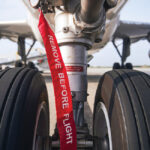
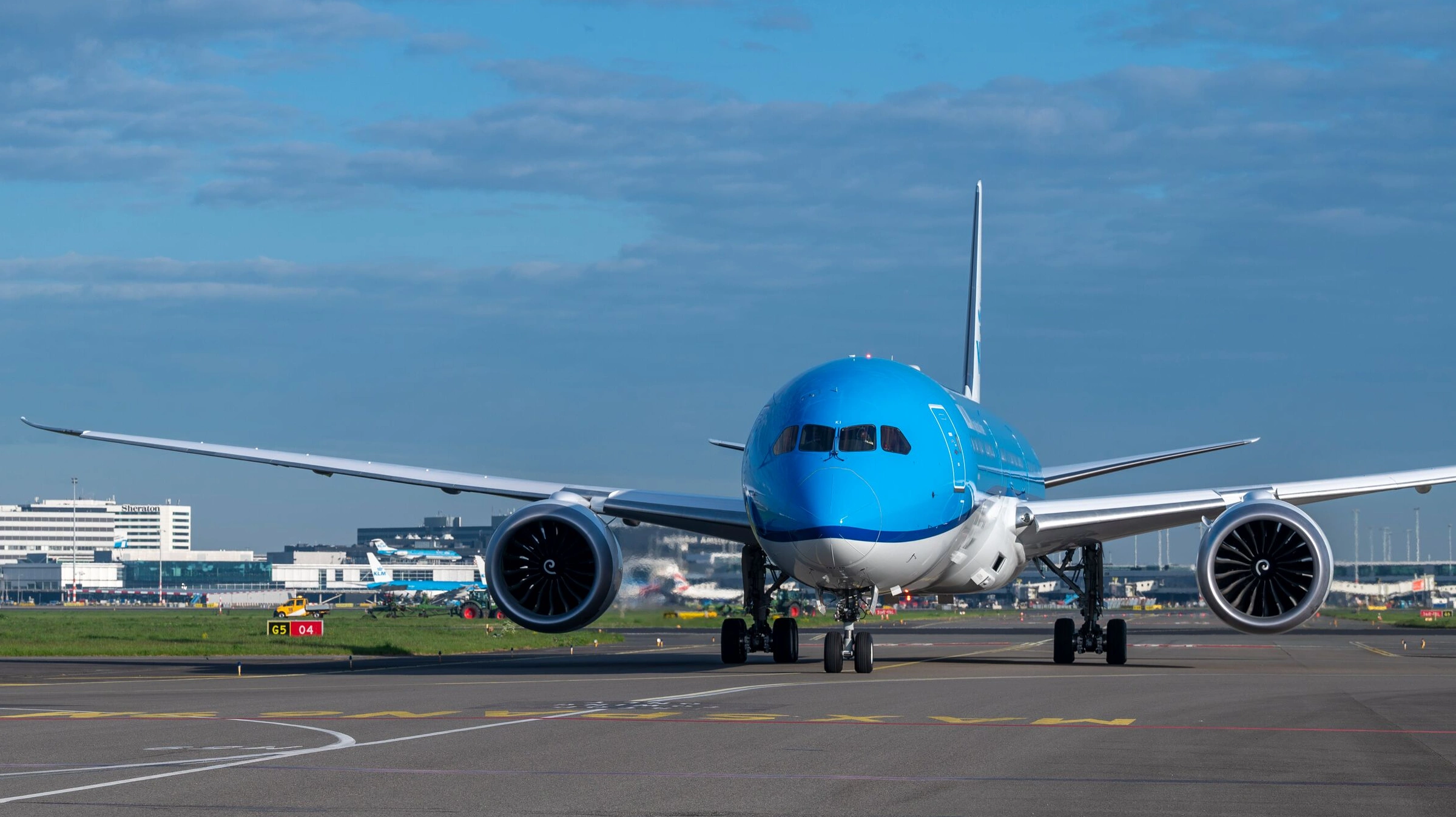
On 11 March 2026, King Willem-Alexander of the Netherlands brought a Boeing 737 in to land for the final time as a KLM Royal Dutch Airlines (KL) guest pilot, closing a chapter that had unfolded, largely in anonymity, over nearly three decades of scheduled commercial operations. The King, who has held an Airline Transport Pilot Licence since 2001 and accumulated a portfolio of qualifications spanning private, commercial, military, and multi-engine jet categories, flew his last 737 service as KLM accelerates a €7 billion fleet renewal programme replacing its narrowbody Boeing aircraft with the Airbus A321neo.
The king is now set to undertake type-rating training on the A321neo, ensuring his role as a working co-pilot on commercial services continues uninterrupted. The departure from the Boeing 737 marks a broader structural transformation underway across KLM’s European network.
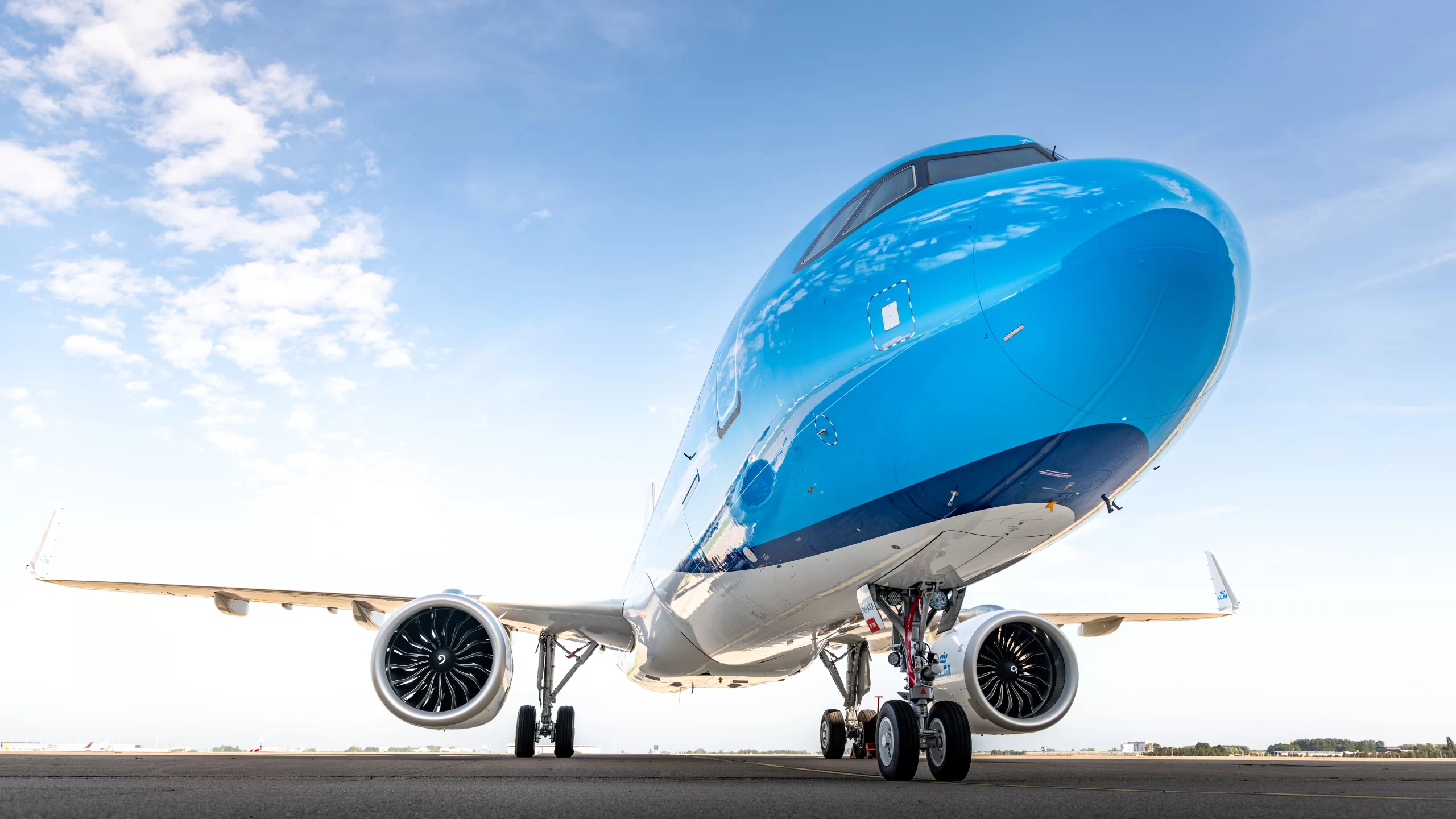
The King’s Final Boeing 737 Flight
The King’s final scheduled flight as a KLM Boeing 737 guest pilot took place on 11 March 2026, a date confirmed by the Royal House of the Netherlands. He announced the milestone on the Royal House’s Instagram account, in which he reflected on the aircraft and the passengers it had carried. As reported by The Royal News Organisation, the King stated: “Over the years, we have transported so many passengers from A to B on the 737. This mix of people and moments made flying special.”
The Government Information Service (RVD) confirmed the 11 March date to the Dutch press agency ANP, as reported by AviationNews.eu. The same source noted that the King is expected to complete his conversion training to the Airbus A321neo by the end of 2026. Once certified on the A321neo, he will cease flying the government Boeing 737-700 (PH-GOV) as co-pilot, with his flying hours thereafter accumulated exclusively through KLM commercial operations on the Airbus type.
The King’s farewell to the 737 was, in an important sense, also KLM’s farewell to an era — the monarch having now lived through two successive fleet transitions at the airline that have each required him to retrain: from the Fokker 70 in 2017 to the Boeing 737, and from the Boeing 737 in 2026 to the A321neo.
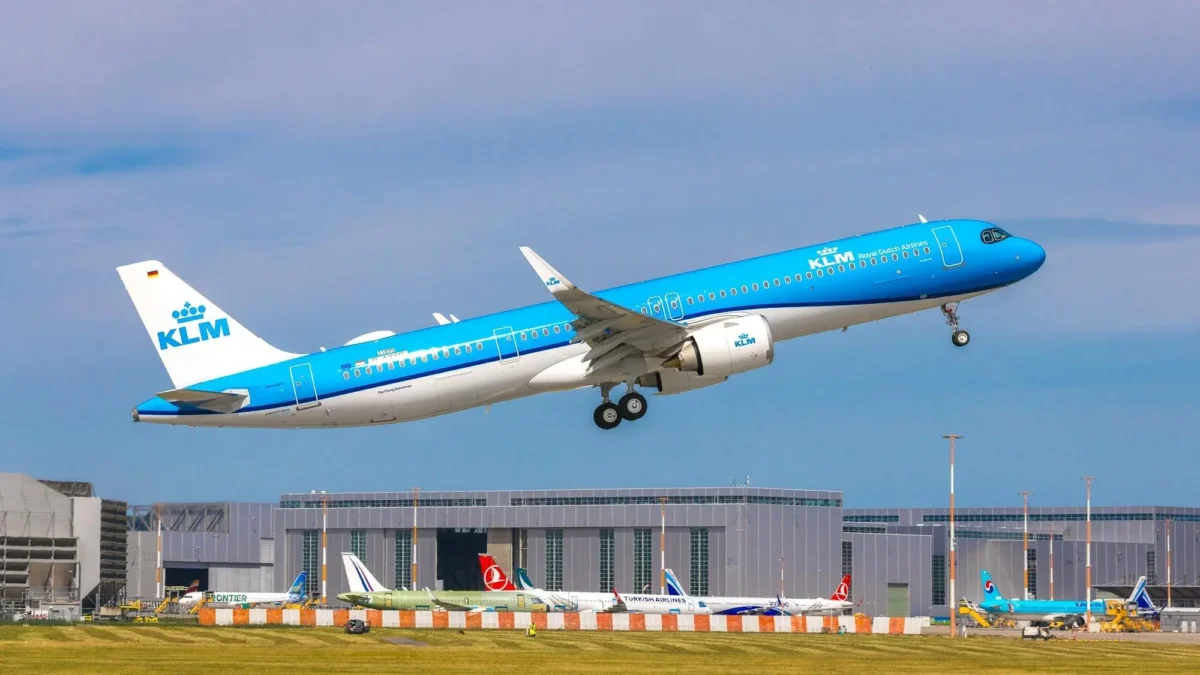
KLM’s Fleet Renewal Programme
The King’s type-rating transition is directly precipitated by a comprehensive €7 billion fleet renewal programme that KLM has been prosecuting across all segments of its operation, and which has already begun materially altering the composition of the airline’s European narrowbody fleet.
KLM selected the Airbus A320neo family in 2021 as the replacement for its Boeing 737NG fleet on European routes. The airline received its first A321neo in August 2024, entering the type into service from mid-September on short-haul routes out of Amsterdam Airport Schiphol. By February 2026, 12 A321neos were active in the KLM fleet. The first Boeing 737-800 was retired from KLM’s fleet in December 2025, with a second following in January 2026, both directed to Twente Airport for dismantling and component recovery.
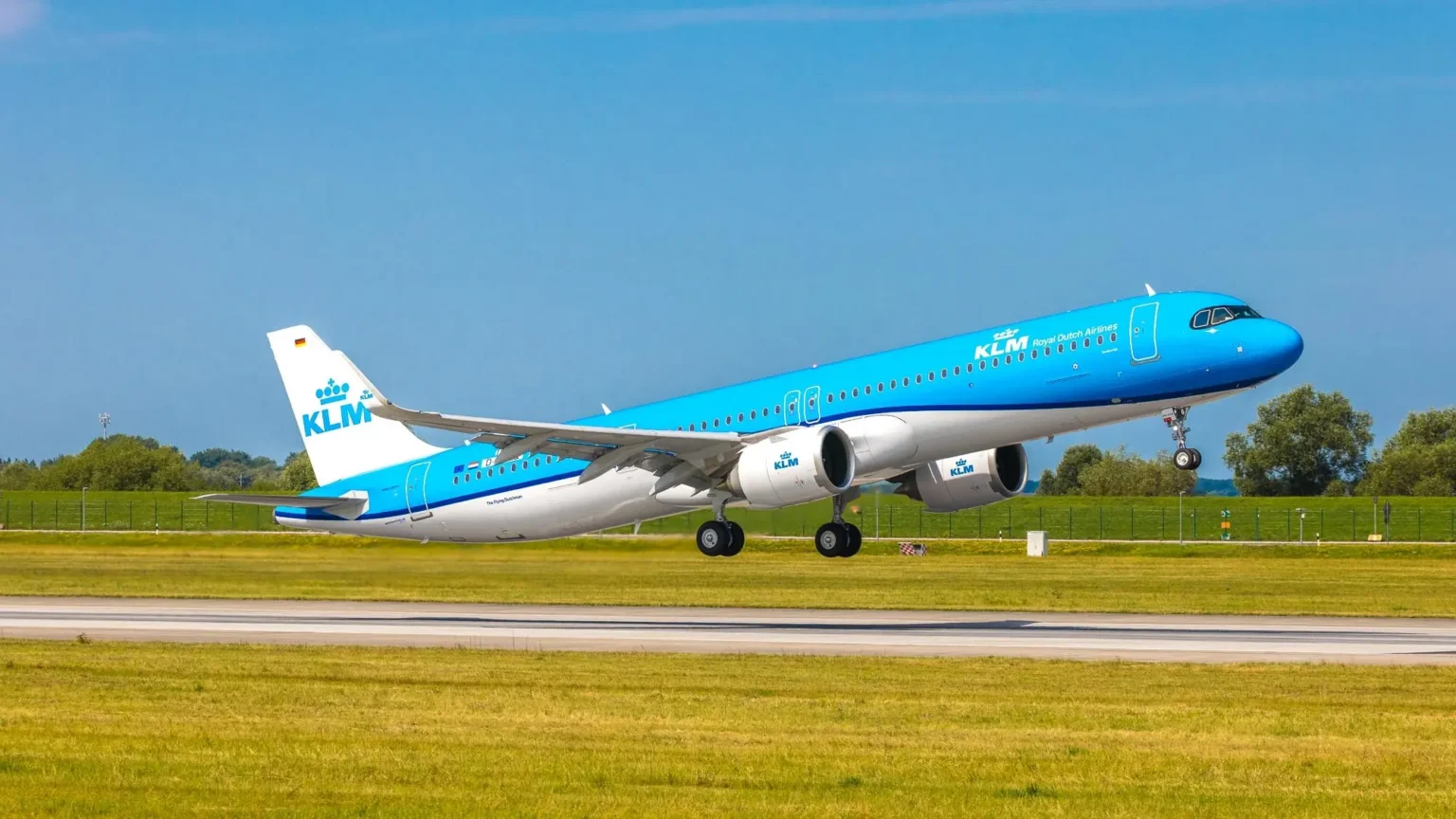
King Willem-Alexander’s Three Flights A Month
The full extent of King Willem-Alexander’s role as a working KLM co-pilot only became publicly known in May 2017, when he disclosed to Dutch newspaper De Telegraaf that he had flown as a guest pilot on KLM Cityhopper services for 21 years — twice monthly, in rotation with the airline’s regular crew.
Prior to that, it was known that he held pilot qualifications and had occasionally flown government aircraft, but the regularity and commercial nature of his Cityhopper service was not widely appreciated. The BBC reported at the time that the continuation of his cockpit duties after his accession to the throne in 2013 had been particularly unreported.
The King flew under the alias “Meneer van Buren” — a traditional Dutch royal family pseudonym — blending into the KLM crew in standard uniform. Passengers rarely identified him by his voice during cockpit announcements, and he never revealed his identity. The King himself acknowledged as much with characteristic understatement when he told De Telegraaf in 2017: “Even if someone recognizes my voice, the majority of people do not listen anyway.” His motivation for continuing, he explained in a piece published in The Associated Press, was unambiguous:
“You have an aircraft, passengers and crew. You have responsibility for them. You can’t take your problems from the ground into the skies. You can completely disengage and concentrate on something else.”
From mid-2017 onwards, having retrained on the Boeing 737 following the withdrawal of the Fokker 70 from KLM Cityhopper’s fleet, he averaged approximately three commercial flights per month. Over that nine-year period, he flew a cross-section of passengers that reads as a social document of European short-haul travel: football supporters bound for Europa League matches in Prague, families on package trips to Lapland for Christmas, and holidaymakers heading to Ibiza and Malaga.
According to the Royal House website, his role aboard the government aircraft — registration PH-GOV, a Boeing 737 Business Jet delivered in 2019 — has also continued in parallel, with the King serving as co-pilot on official state journeys, including a trip to Prague in 2025 and a flight to Curaçao in March 2026.
King Willem-Alexander’s Piloting Journey Spans Four Decades
The following table gives us an idea about Willem-Alexander’s involvement in aviation:
| Year | Aviation Milestone |
|---|---|
| 1985 | Obtained a Private Pilot’s Licence (Second Class) |
| 1987 | Earned a Commercial Pilot’s Licence with Instrument Rating |
| 1989 | Received a supplementary licence for multi-engine jet aircraft |
| 1994 | Received his Military Pilot’s Licence from his grandfather, Prince Bernhard |
| 2001 | Obtained his Airline Transport Pilot Licence (ATPL) |
The King’s flying experience also extended well beyond the Netherlands. During a 2025 state banquet in Kenya, he recalled that his first pilot’s licence was actually Kenyan, issued in 1989 as licence Y2294-PL. He obtained it while volunteering with AMREF Flying Doctors in Nairobi, flying from Wilson Airport alongside renowned physician and aviator Dr. Anne Spoerry, before later flying for the Kenya Wildlife Service in Meru National Park, where his responsibilities included anti-poaching patrols.