China Strengthens C919 Operations with New Maintenance and Overhaul Capabilities

China is accelerating the construction of a domestic maintenance, repair, and overhaul (MRO) ecosystem for its home-grown narrowbody jets, as the country seeks to protect its commercially vital Commercial Aircraft Corporation of China (COMAC) programme from the supply chain disruptions that crippled its production targets in 2025. In May 2026, Hong Kong Aircraft Engineering Company Limited (HAECO), one of the world’s most prominent aircraft servicing firms and a subsidiary of Hong Kong’s Swire Group, completed the first-ever landing gear overhaul of a COMAC C909 (AI) regional jet at its Xiamen facility, South China Morning Post flagged. Simultaneously, Sichuan Services Aero-engine Maintenance Company (SSAMC), a joint venture between Air China (CA) and CFM International, became China’s first Premier MRO provider for CFM LEAP engines — including the LEAP-1C that exclusively powers the COMAC C919.

These developments carry strategic weight well beyond routine maintenance scheduling. Jason Zheng, an analyst with Shanghai-based aviation consultancy Airwefly, told the South China Morning Post that a wider network of support at home would give China’s indigenous planes a better chance of riding out global supply chain disruptions as operators ratchet up flight operations. The comment arrives against a backdrop of hard experience: in 2025, the United States temporarily suspended export licences for the very engines that keep both the C919 and C909 airborne, exposing the depth of COMAC’s foreign-technology dependency in the most visceral terms possible.
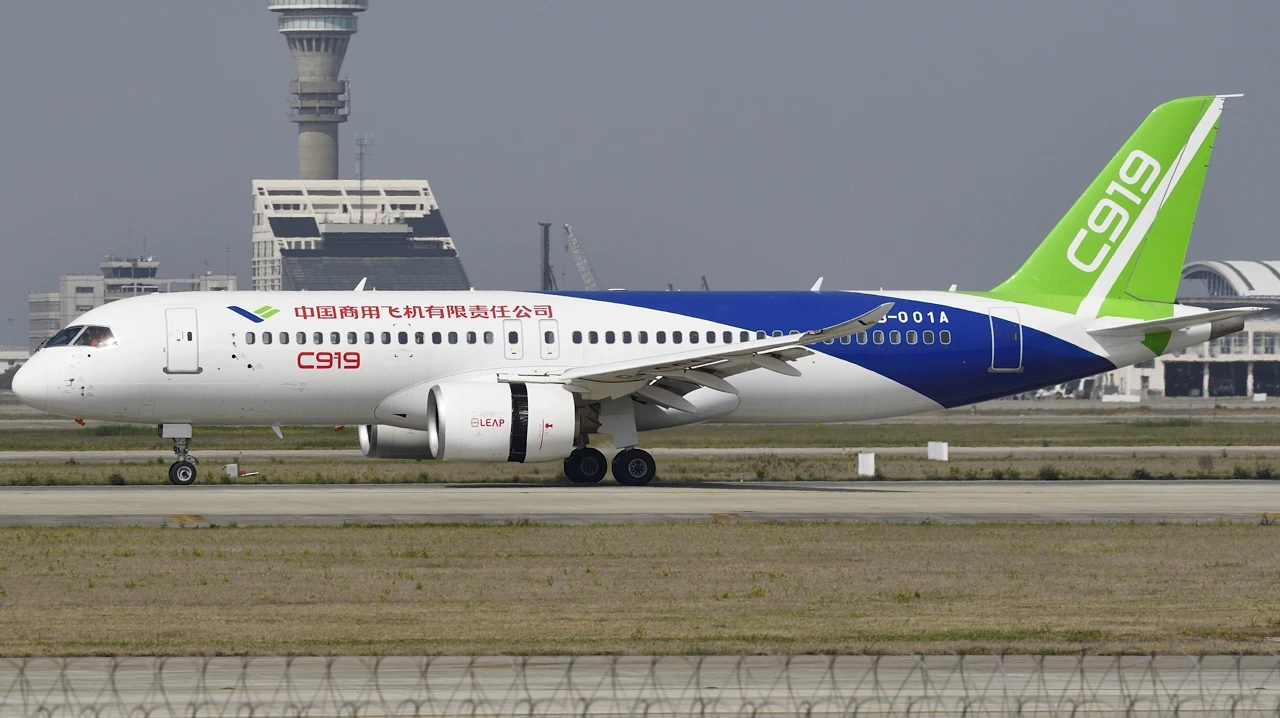
Photo: Shimin GU | Wikimedia Commons

HAECO Completes First C909 Landing Gear Overhaul, Extends Its COMAC Footprint

HAECO’s completion of the first-ever C909 landing gear overhaul at its Xiamen facility marked a concrete milestone in the expansion of China’s COMAC support infrastructure. The work was carried out by HAECO Landing Gear Services in Xiamen, in partnership with Liebherr-Aerospace, a German-Swiss multinational that supplies hydraulic landing gear systems and related components.  Eplaneai.com reported that the project was initiated in 2025 with a focus on capability building and process optimisation, culminating in 2026 with joint final acceptance testing by Liebherr.

In July 2025, HAECO had formalised its relationship with Liebherr-Aerospace through a comprehensive component maintenance agreement covering hydraulic component repair and overhaul services for both the C909 and the larger C919. HAECO and COMAC had earlier, in the preceding year, also signed a broader airframe, engine and component services contract to jointly deliver comprehensive support across COMAC’s domestic and international customer base. The Xiamen landing gear milestone represents the first tangible delivery under that framework.

With this milestone, airlines in China and emerging markets such as Indonesia, Vietnam, Laos, and Cambodia now gain access to efficient, localised maintenance solutions designed to maximise fleet availability and extend service life. This is no trivial consideration for operators in those markets, given that the C909 is the first Chinese aircraft operating commercial flights across Southeast Asia and central Asia.
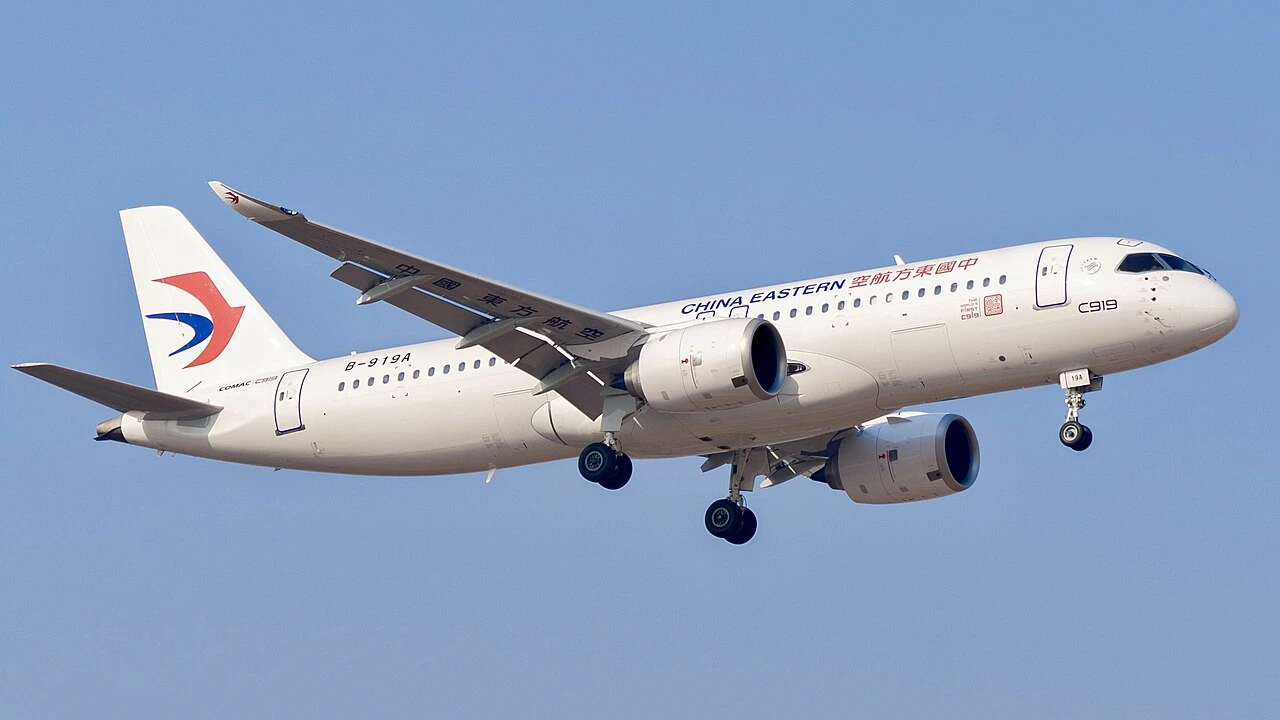
Photo: Liuboyoupeter | Wikimedia Commons

HAECO Engine Services Xiamen is A Growing Hub for C909 Powerplant Maintenance

HAECO’s MRO footprint in Xiamen extends beyond landing gear. Aviation Week reported that HAECO Engine Services (HES) in Xiamen — the sole GE Branded Services Agreement holder for the GE Aerospace CF34-10A engine in the greater China region — completed and delivered its first CF34-10A engine overhaul to Chengdu Airlines on April 28, 2026. The CF34-10A is the primary powerplant for the COMAC C909.

The achievement followed regulatory approvals granted earlier in 2026 by both the United States Federal Aviation Administration (FAA) and China’s Civil Aviation Administration (CAAC), enabling HES to officially add CF34-10A engine capability to its growing engine services portfolio. Beyond full shop-visit overhauls, HAECO also plans to provide on-wing and near-wing support services for CF34-10A operators, with spare engine lease support expected to follow.

To support the growing demand, HAECO is constructing a new 10,015-square-metre facility adjacent to its existing Phase 2 operation in Xiame. It is scheduled to open by the fourth quarter of 2026. The facility will support the overhaul, testing, and repair of additional engine types, including the CF34-10A, the GE90, the GE9X, and the Engine Alliance GP7200. HAECO’s Chief Executive Gerald Steinhoff told Aviation Week that the company is also working to develop capabilities on the CFM LEAP engine, citing “exploding” demand forecasted in Aviation Week’s 2026 Commercial Fleet and MRO Forecast.
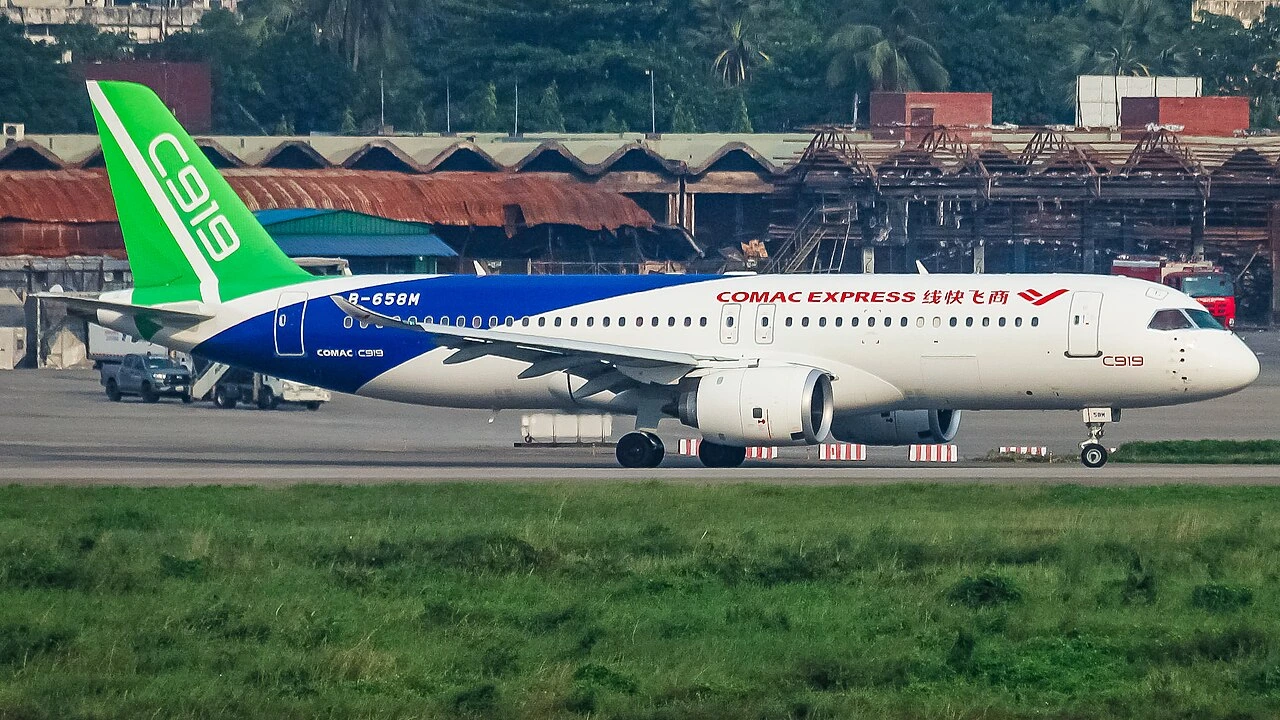
Photo: Md Shaifuzzaman Ayon | Wikimedia Commons

SSAMC: China’s First LEAP-1C Premier MRO Provider

The most strategically significant MRO announcement for the C919 programme arrived in late May 2026, when Avitrader confirmed that SSAMC — the Chengdu-based joint venture between Air China and CFM International — became China’s first Premier MRO provider for CFM LEAP engines and the first facility in the country authorised to maintain the LEAP-1C engines powering the COMAC C919. The designation also covers the LEAP-1A and LEAP-1B engines used on Airbus A320neo family aircraft and Boeing 737 MAX jets, making SSAMC a comprehensive narrowbody engine MRO hub for China’s entire single-aisle fleet.

SSAMC itself has a long history as a CFM56 overhaul centre. CFM’s own corporate history records that the joint venture inducted its first CFM56 engine in April 2000 and over the subsequent two decades became a world-class engine MRO provider. Its elevation to LEAP Premier status in 2026 marks the logical progression of that partnership into the next generation of single-aisle propulsion.
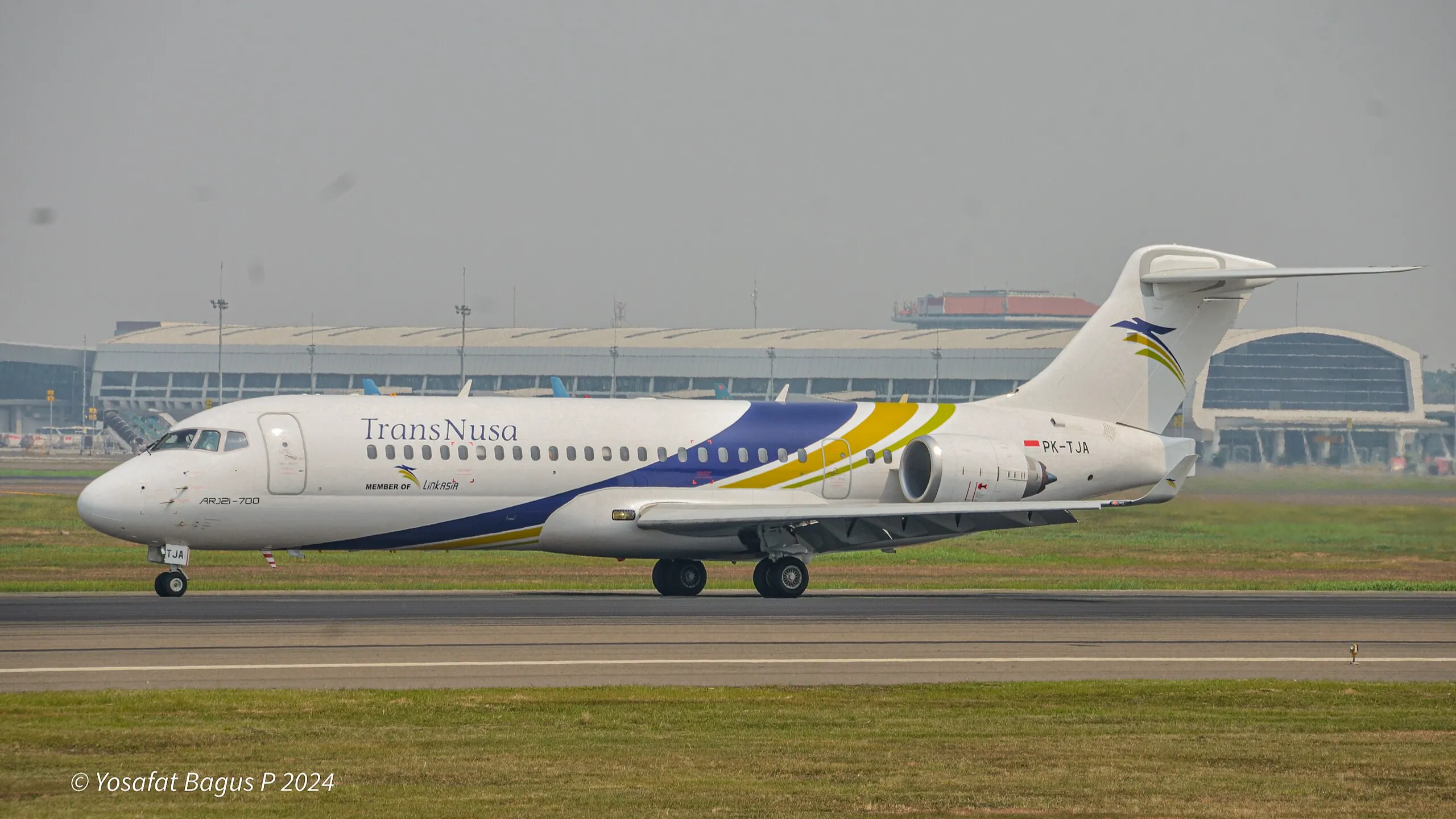
Photo: Yosafat.bagus | Wikimedia Commons

Specifications of the C919 And C909 That Are at the Centre of This Story

Understanding the strategic value of this expanding MRO ecosystem requires knowing what these aircraft are — and what they depend on.

COMAC C919:

  • Type: Single-aisle narrowbody airliner; direct competitor to the Airbus A320neo and Boeing 737 MAX
  • Seats: 158 passengers in a typical two-class configuration (8 Business + 150 Economy), or up to 168 in an all-economy layout
  • Range: Approximately 5,555 km (3,000 nm)
  • Powerplant: CFM International LEAP-1C — the exclusive powerplant; no alternative engine is certified
  • Max takeoff thrust: 31,000 lbf per engine
  • First commercial service: May 28, 2023, with China Eastern Airlines (MU)
  • Operators (2026): Air China, China Eastern Airlines, China Southern Airlines
  • Certification: CAAC type certificate issued September 29, 2022; EASA and FAA certification pending — a process EASA has indicated could take up to six years
  • Foreign content: An estimated 85% of components are sourced internationally, with approximately 60% from US suppliers, according to Bank of America analysts cited by ch-aviation

COMAC C909 (formerly ARJ21):

  • Type: Regional narrowbody jet
  • Powerplant: GE Aerospace CF34-10A turbofan engines
  • In-service fleet: Over 180 units flying as of early 2026, per South China Morning Post
  • International operators: TransNusa in Indonesia, Lao Airlines, and formerly VietJet in Vietnam; Air Cambodia has placed orders for 10 aircraft with letters of intent for 10 more
  • Significance: The C909 is the first Chinese-built aircraft operating scheduled commercial flights across Southeast Asia and central Asia
Photo: Minami Qatari | Wikimedia Commons

The Engine Export Crisis That Made All of This Urgent

The expansion of China’s domestic MRO network for the C919 and C909 is not merely a function of fleet growth — it is a direct response to the geopolitical vulnerability that the US export suspension of 2025 exposed with brutal clarity.

In late May 2025, the United States suspended export licences for the CFM International LEAP-1C engines powering the C919, as well as the GE Aerospace CF34-10A engines for the C909. Simple Flying reported that the move came exactly two years after the C919 entered commercial service, and arrived amid an escalating trade war sparked by China’s restrictions on the export of critical minerals to the United States. The suspension also extended to components from Honeywell Aerospace and Collins Aerospace, both major avionics and cabin systems suppliers for the C919.

The restrictions were lifted in July 2025, Reuters confirmed via AeroTime, enabling GE Aerospace to resume production and shipment of both LEAP-1C and CF34-10A engines to COMAC. However, IBA Group observed that while the lifting of the ban provided temporary relief, the underlying dependence on US-made core modules “remains a strategic vulnerability”, and that COMAC’s stockpiled engines cover only months of production rather than years.

The damage to the C919’s 2025 production programme was substantial. Reuters reported that COMAC had slashed its production target from a high of 75 aircraft to just 25 by the year’s end, with only 15 aircraft ultimately delivered to the Big Three carriers — a fraction of the 32 deliveries China Eastern, Air China, and China Southern had collectively anticipated. The engine dependency, as Airwefly’s Jason Zheng has since told SCMP, is precisely why a robust domestic MRO infrastructure is “necessary for the C919 to stay airborne” even when geopolitical headwinds restrict new supply.

Photo: Windmemories | Wikimedia Commons

Delivery Delays In 2026 Reinforce the Case for Domestic MRO

Even after the US lifted the engine export ban, the C919’s production and delivery trajectory has not recovered to the levels China originally projected. South China Morning Post reported in April 2026 that only three C919s were delivered in the first quarter of 2026 — two to China Southern Airlines (CZ) and one to Air China — with no shipment at all in January. At the time of reporting, 35 C919s had been delivered in total since the programme began in December 2022.

Jason Zheng told the Post:

“It could again be C919s sitting with their wings bare — the CFM Leading Edge Aviation Propulsion (LEAP) engines are not arriving.”

Aviation Week confirmed that China’s Big Three carriers collectively anticipate 33 C919 deliveries in 2026, more than doubling the 15 received in 2025. However, independent consultancy IBA forecasts a more conservative 25 deliveries in 2026, rising to approximately 45 in 2027.

The delivery gap between ambition and reality illustrates exactly why domestic MRO matters as much as new production. Every C919 and C909 currently in service must remain operable while production ramping struggles. A wider and deeper in-country maintenance ecosystem directly extends the effective life and availability rate of the existing fleet.

How This Story Fits COMAC’s Broader International Ambitions And Obstacles

The expansion of HAECO and SSAMC’s COMAC support capabilities arrives at a moment when COMAC is simultaneously trying to advance the C919’s international credibility and confronting structural obstacles that domestic MRO alone cannot resolve.

The C919 has yet to secure certification from either EASA or the FAA, a prerequisite for meaningful export beyond China’s sphere of political influence. EASA told reporters in April 2025 that the certification process could take up to six years, meaning the aircraft is unlikely to serve airlines in Western markets before the early 2030s at the earliest. Its current order book reflects this: Reuters noted that all C919 orders come from Chinese customers and two airlines in Brunei and Cambodia, both close political allies of Beijing.

The C909’s international record is also mixed. While TransNusa in Indonesia and Lao Airlines continue to operate the type. Vietnam’s VietJet ended its six-month lease of two C909 aircraft in October 2025, representing a setback to COMAC’s Southeast Asian expansion narrative. COMAC has stated it will rely on customers’ own MRO centers for servicing, offering to open new centers only in countries where airlines purchase at least 30 aircraft — a threshold that currently no international operator outside China’s sphere has met.

In this context, the HAECO and SSAMC milestones are primarily defensive in nature: they strengthen the operational resilience of the existing Chinese fleet rather than enabling outward expansion. The broader ambition, however, remains clear.

Photo: S5A-0043 | Wikimedia Commons

What Investigators and Analysts Will Be Watching Next

Three interconnected developments will determine whether China’s domestic MRO expansion translates into meaningful supply chain resilience for the C919 and C909 fleets.

First, the pace at which SSAMC’s LEAP Premier MRO certification enables it to absorb actual shop visits from C919 operators — thereby reducing the turnaround time for aircraft that would otherwise wait for engine support from offshore facilities. SSAMC has stated a plan to increase engine repair deliveries to 300 per year after 2025 as the LEAP fleet grows.

Second, whether HAECO’s new Xiamen facility — due to open in Q4 2026 and designed to handle CF34-10A engines among other types — will be ready to absorb the volume of C909 engine shop visits that the growing Southeast Asian operator base generates. HAECO Engine Services Xiamen notes that the new building will span 10,015 square metres across two levels and incorporate solar panels and LED lighting in line with its sustainability commitments.

Third, and most consequentially, whether China accelerates its development of a domestically engineered alternative to the LEAP-1C. The Aero Engine Corporation of China (AECC) is developing the CJ-1000A turbofan as a future indigenous powerplant for the C919.

Simple Flying cited AECC’s own statement that the CJ-1000A “has performed better than my most optimistic expectations” during trial runs as of early 2025. Until the CJ-1000A achieves commercial certification and replaces the LEAP-1C, however, every C919 in the sky remains dependent on a Franco-American engine that US policy can, and has, switched off.

Leave a Comment

Your email address will not be published. Required fields are marked *

Scroll to Top