Singapore Airlines (SQ), long regarded as one of the world’s most premium full-service carriers, has introduced new restrictions on advance business class seat selection, effective June 2, 2026. First reported by The MileLion and subsequently flagged by One Mile at a Time, the policy limits passengers travelling on Business Lite fares — the airline’s lowest-priced business class ticket — as well as those redeeming Saver or Advantage award tickets, to a subset of rear cabin seats when selecting in advance.
Passengers on the more expensive Business Flexi or Business Standard fares, and those redeeming Access award tickets, retain the ability to choose from virtually all available seats. Members of the airline’s top-tier PPS Club loyalty programme are exempt from the restrictions entirely, regardless of fare type.
The change applies across Singapore Airlines’ entire wide-body fleet operating from Singapore Changi Airport (SIN) and took effect for all new seat selections from June 2, regardless of when the underlying ticket was purchased. Seats already assigned before that date will be honoured. The restrictions lift 96 hours before departure, at which point all remaining business class seats become available to all passengers regardless of fare.
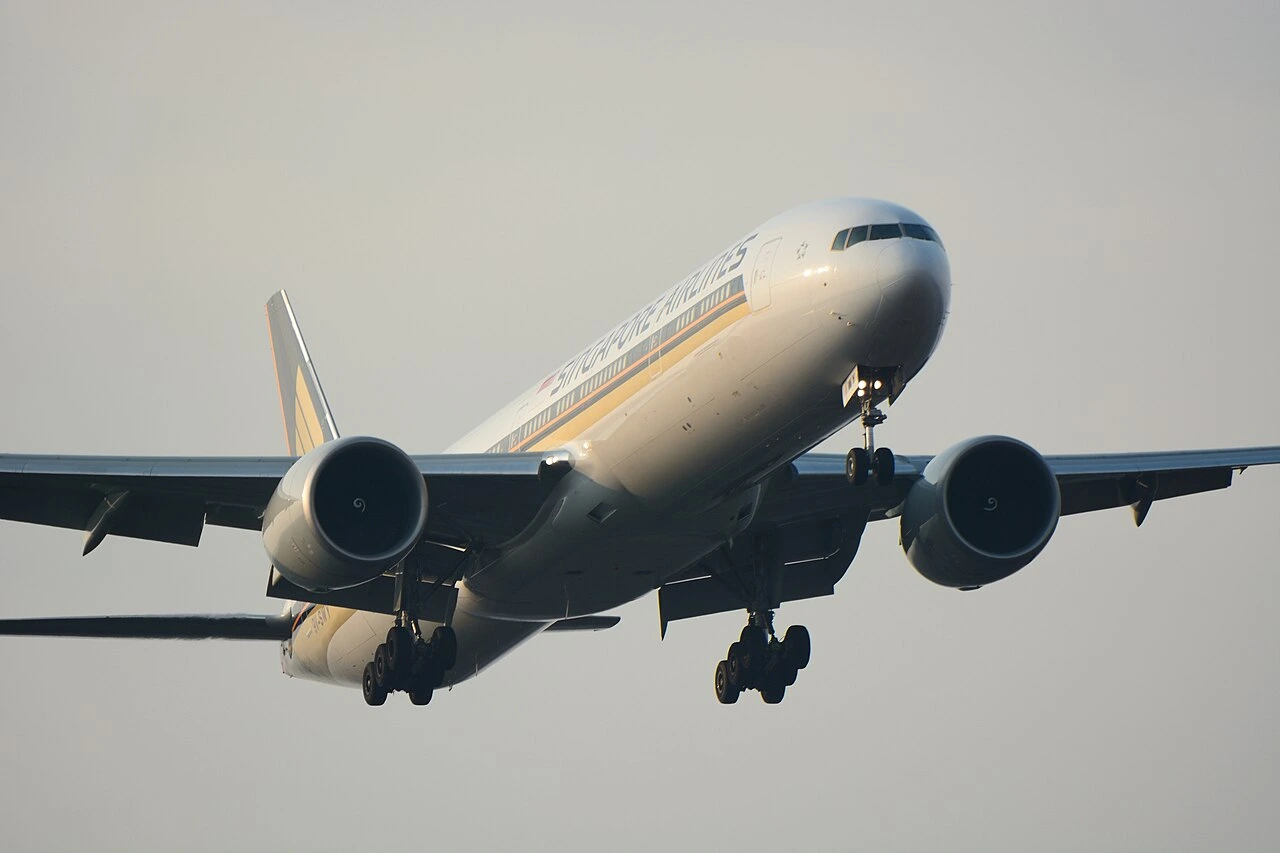
How The New Seat Selection Policy Works Across Fare Types
Singapore Airlines structures its business class fares across three primary categories, each carrying distinct pricing, flexibility, and now seating access. According to Singapore Airlines’ official fare types page, the hierarchy in business class operates as follows:
- Business Lite (booking class D): The lowest-priced business class fare. Earns 125% KrisFlyer miles. Changes incur a fee plus fare difference. Cancellations are not permitted. Under the new policy, advance seat selection is restricted to rear cabin seats only.
- Business Standard (booking class U): A mid-tier fare. Also earns 125% KrisFlyer miles. Changes remain chargeable. Qualifies passengers for unrestricted advance seat selection, identical to Flexi.
- Business Flexi (booking classes Z, C, J): The most flexible fare. Earns 150% KrisFlyer miles. Changes are complimentary. Cancellations are permitted for a fee. Provides full unrestricted advance seat selection.
On the awards side, the same logic applies. One Mile at a Time’s report confirms that Access award fares — the most expensive and flexible points redemption category — retain unrestricted access, while Saver and Advantage awards face the same rear-cabin restrictions as Business Lite.
KrisFlyer Elite Silver and Elite Gold members receive no expanded seating privileges under the new policy beyond what their fare type entitles them to. Only PPS Club members retain blanket, unrestricted advance seat selection across all fare categories — a distinction that sharpens the divide between Singapore Airlines’ highest-spending loyalists and its broader mid-tier frequent flyer base. The policy, as Mainly Miles observed, creates a notable gap: KrisFlyer Gold members, who hold Star Alliance Gold status, receive no benefit over a first-time Business Lite traveller when it comes to choosing their seat in advance.
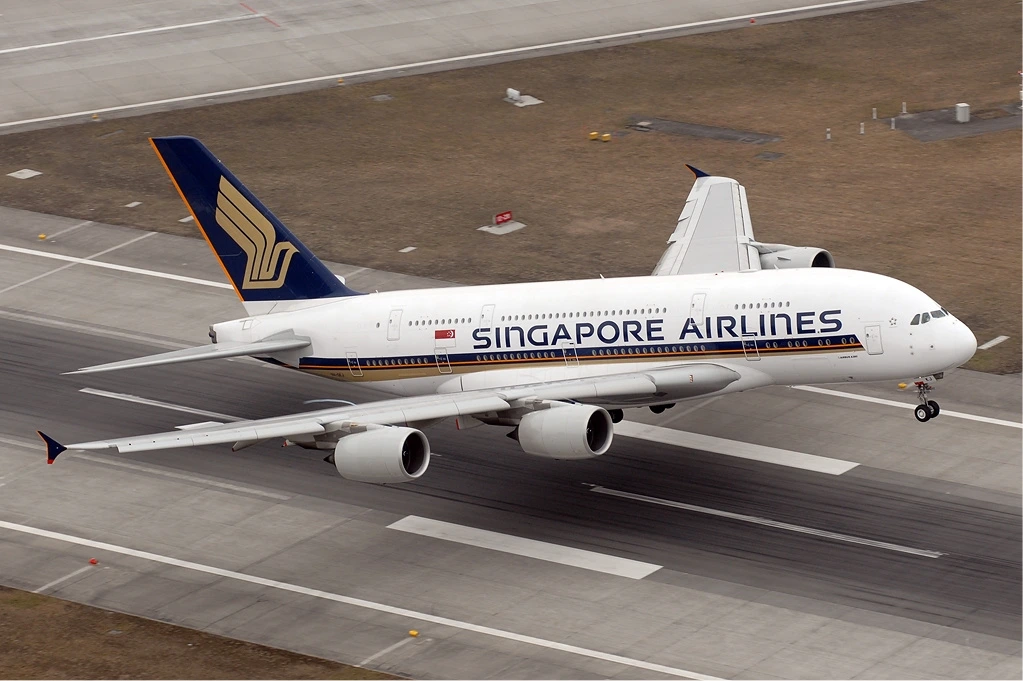
Singapore Airlines Blocks More Than Half the Cabin
What makes this policy notable is not simply that restrictions have been introduced, but the proportion of the cabin affected. One Mile at a Time analysed the seat maps across Singapore Airlines’ wide-body fleet and found that the blocked-off forward section represents at least half the cabin on every aircraft type:
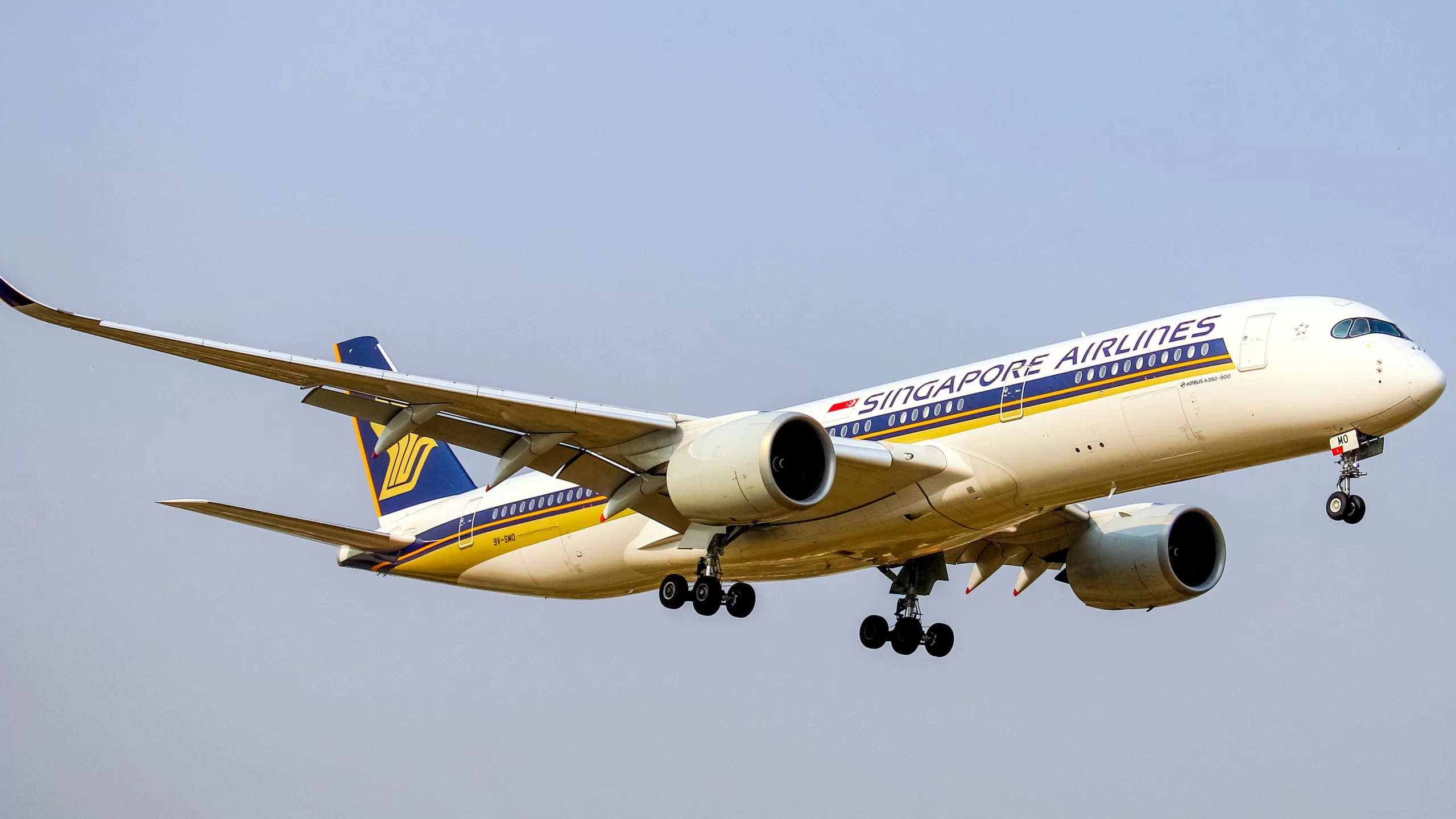
- Airbus A350-900ULR: The first nine of 17 rows are blocked for advance selection on restricted fares
- Airbus A380-800: The first 11 of 17 rows are blocked
- Boeing 777-300ER: The first six of 12 rows are blocked
- Boeing 787-10: The first five of nine rows are blocked
Aviation A2Z’s earlier reporting from May 27, 2026 noted that the Airbus A350 medium-haul configuration appeared particularly restrictive, with only the final two rows available for advance selection on lower-tier fares. The Boeing 737 MAX, by contrast, is largely unaffected, as several premium seats were already blocked for non-PPS members under the previous policy framework.
There is no disclosure during the booking process itself informing passengers that they cannot select from all available seats — a transparency gap that has drawn criticism from frequent travellers and points community commentators alike.
What The Policy Change Means for the Passenger Experience
The practical implications depend heavily on the traveller type. For passengers on Business Lite fares or Saver and Advantage awards who board a long-haul flight on the Boeing 777-300ER — a 12-row business class cabin — they can only pre-select from the final six rows. On the Airbus A380, that limitation extends to the final six of 17 rows.
The significance of cabin position should not be understated. One Mile at a Time’s existing guide to Singapore Airlines’ business class seat selection explains that the airline’s so-called bulkhead seats — which allow passengers to sleep parallel to the aisle rather than at an angle, and feature more usable sleeping surface — are among the most sought-after positions in the cabin. These bulkhead rows are exclusively at the front of the cabin on the 777-300ER and A380 and are now inaccessible in advance to all passengers who are not on higher fares or PPS Club.
For couples or travel companions booking on Saver or Advantage awards, the restriction also limits flexibility for side-by-side seating in the rear section of the cabin — a concern several travellers expressed in reader commentary following the policy announcement.
The MileLion’s detailed breakdown showed the specific rows available to restricted fare passengers: on the A350-900ULR, only rows 17, 18, 20, 21 and 22 remain accessible for advance selection on Business Lite fares or Business Advantage, Saver and Promo awards.
Singapore’s New Policy is A Significant Signal
Singapore Airlines updated its advance seat selection page with new language that now reads:
“Business Class seat selection depends on the fare type and membership status. Some fare types allow selection of any available seat, while others may be limited to certain seats at the time of booking.”
The previous text read simply: “You’ll enjoy complimentary seat selection at any time.”
For those booking last-minute or who monitor seat maps regularly, the practical impact may be limited. For travellers on long-haul flights who book weeks or months in advance and care about specific cabin positioning, the policy introduces a variable that was not previously part of the Singapore Airlines business class proposition.
Whether this represents the first step in a broader monetisation of seat selection — or simply a structural tool to protect the value of higher fare tiers — remains to be seen. One Mile at a Time’s commentary was careful to note that there is no monetisation element yet, while adding the caveat: “at least there’s not a monetization element to it… yet.”

.jpg)


_@_MAN,_Jan_2017.jpg)