Emirates (EK) plans to recruit nearly 20,000 operational staff by the end of 2030 as the carrier prepares for a major expansion of its fleet and route network. Adel Al Redha, Emirates’ deputy president and chief operations officer, announced the figure during a media roundtable at the airline’s Dubai headquarters, according to a report by Gulf News. The hiring drive will cover cabin crew, pilots, engineers, technicians and airport staff, and it comes as the airline works through one of the most aggressive aircraft delivery schedules in its history.
The scale of the recruitment reflects how closely Emirates ties its staffing to fleet growth. “We continue to hire to meet our needs as we will receive more aircraft, which will be deployed to new destinations or current routes to increase frequency,” Al Redha said. The announcement places Emirates among the most active recruiters in global aviation heading into the back half of the decade.
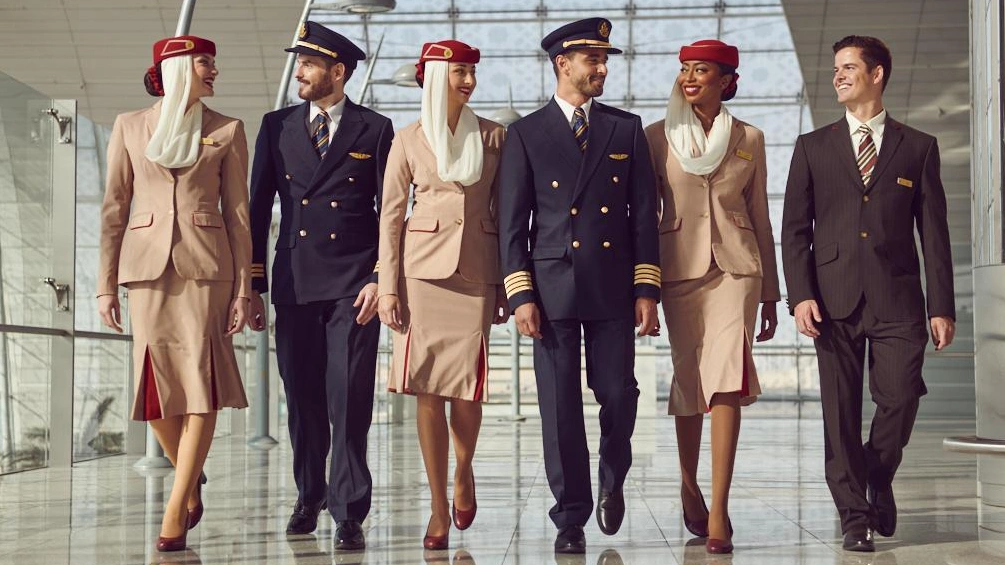
Vacancies Cover Cabin Crew, Pilots and Ground Roles
The 20,000 figure applies strictly to operational staff. It excludes support functions such as IT and administration, which the airline plans to grow separately.
Al Redha broke the hiring plan down by department. “This 20,000-figure represents operational staff – cabin crew, pilots, airport staff, and engineering staff. Beyond this, you can add more for IT and administration,” he said.
The open roles span several categories:
- Cabin crew for the widebody fleet
- Pilots across the Boeing and Airbus fleets
- Aircraft engineers and maintenance technicians
- Airport and ground operations staff
Emirates said it draws applicants from both inside the UAE and abroad, and it runs its own training academies, though these alone cannot meet the full hiring need.
Fleet Deliveries Set The Pace For Recruitment
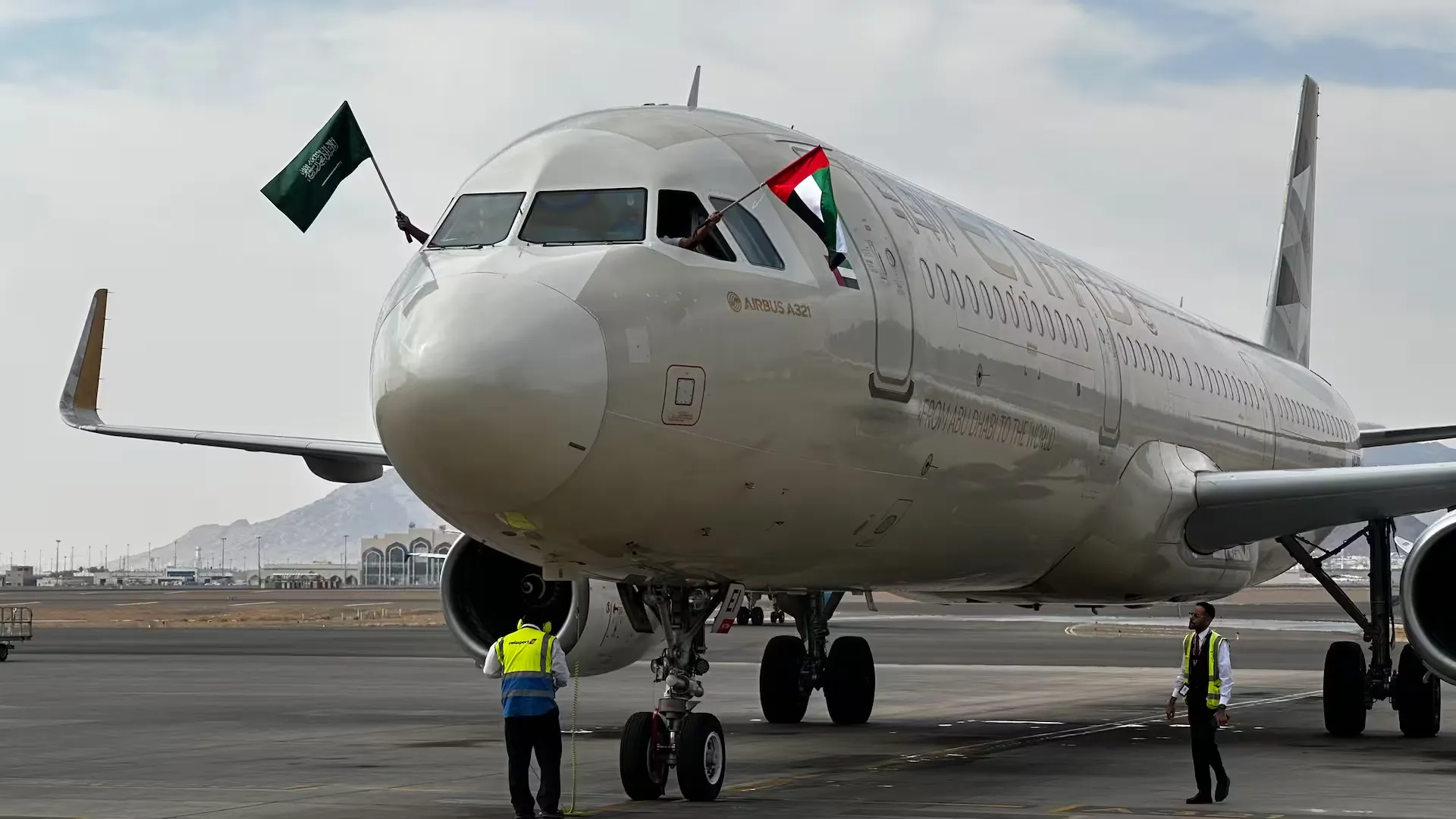
The hiring plan is tied directly to Emirates’ aircraft order book. The carrier expects to take delivery of 17 additional Airbus A350-900s this year alone, with each new jet requiring fresh crew and ground support.
Every new aircraft adds to the recruitment count. “These aircraft will be deployed to new destinations or for extra frequencies on existing routes,” Al Redha explained. Boeing 777X deliveries are due to begin in 2027, meaning Emirates will not receive any new Boeing jets this year.
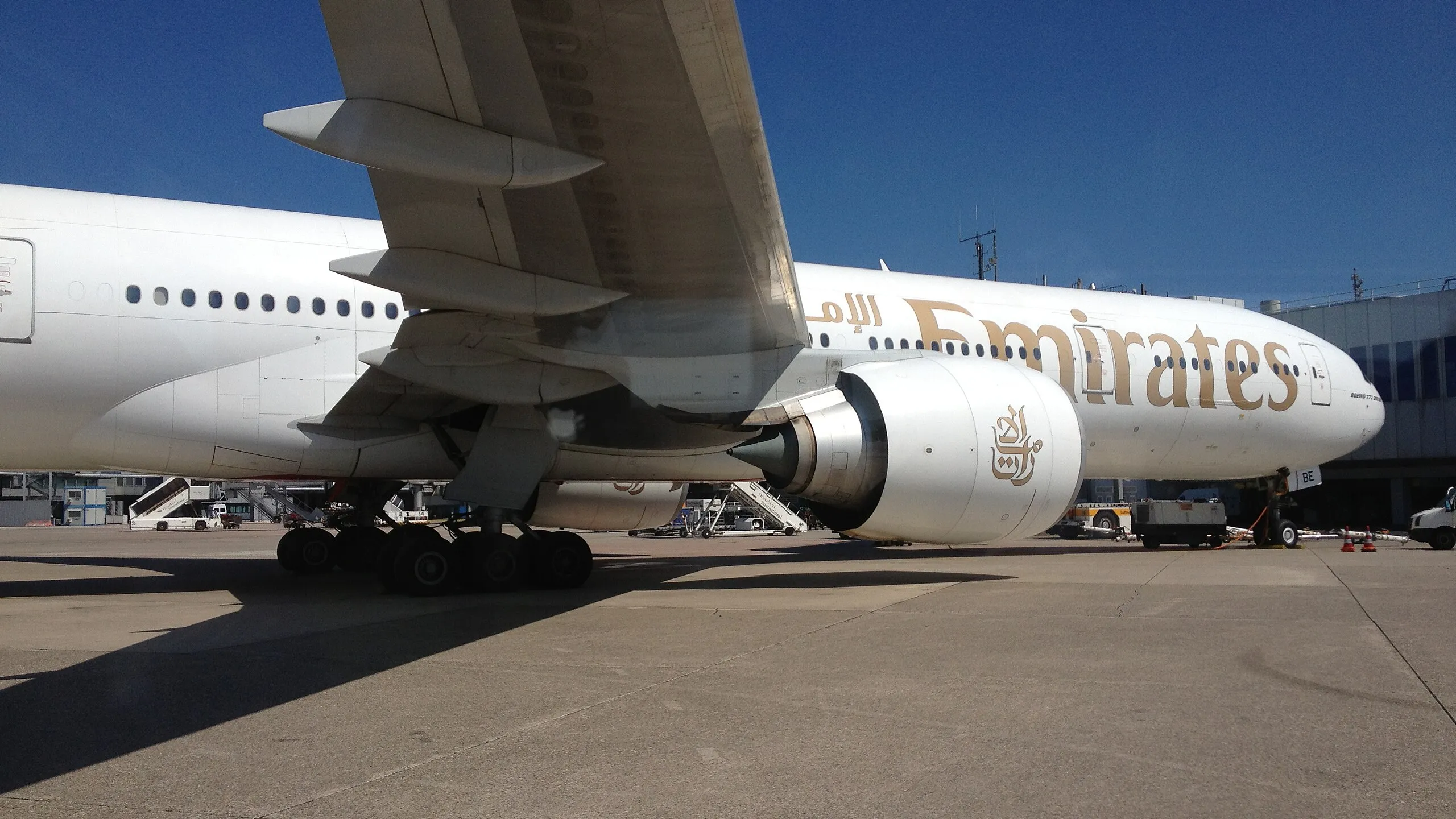
Emirates’ overall order book underlines the scale of what is coming. The airline signed a $38 billion order for 65 Boeing 777-9 aircraft at the 2025 Dubai Airshow, which pushed its total 777X commitments to roughly 270 aircraft, cementing its position as the world’s largest operator of the Boeing 777 family.

Emirati Nationals Get A Dedicated Recruitment Track
Alongside the wider hiring push, Emirates runs specific programmes to bring more UAE nationals into engineering, cabin crew, management and IT roles. The airline currently takes in about 120 Emiratis a year through its cabin crew and engineering training tracks.
Al Redha said the airline wants to widen that intake using existing training capacity. “We have a plan to increase this number in the years to come, while using our training capacity,” he said. Similar national development schemes exist for IT and management graduates, who are placed across the network in various roles.
Emirates Says It Faces No Hiring Shortage, Unlike Rest Of Industry
Global aviation is short-staffed. Boeing’s 2025-2044 industry outlook estimates the sector will need 660,000 new pilots, 710,000 maintenance technicians and 1,000,000 cabin crew members worldwide over the next 20 years.
Emirates says it is not feeling that pressure. Al Redha attributed this to Dubai’s pull as a place to live and work, noting the emirate offers newcomers “security, confidence, a good lifestyle, and living that matches all categories and nationalities from the globe.” He added that expatriate candidates rarely hesitate to relocate for a role at the airline.
Demand for travel through Dubai International Airport (DXB) has also stayed firm despite regional turbulence. Al Redha said the carrier is running its published schedule at full capacity, even as some European airlines scaled back Middle East operations over regional tensions involving Iran.
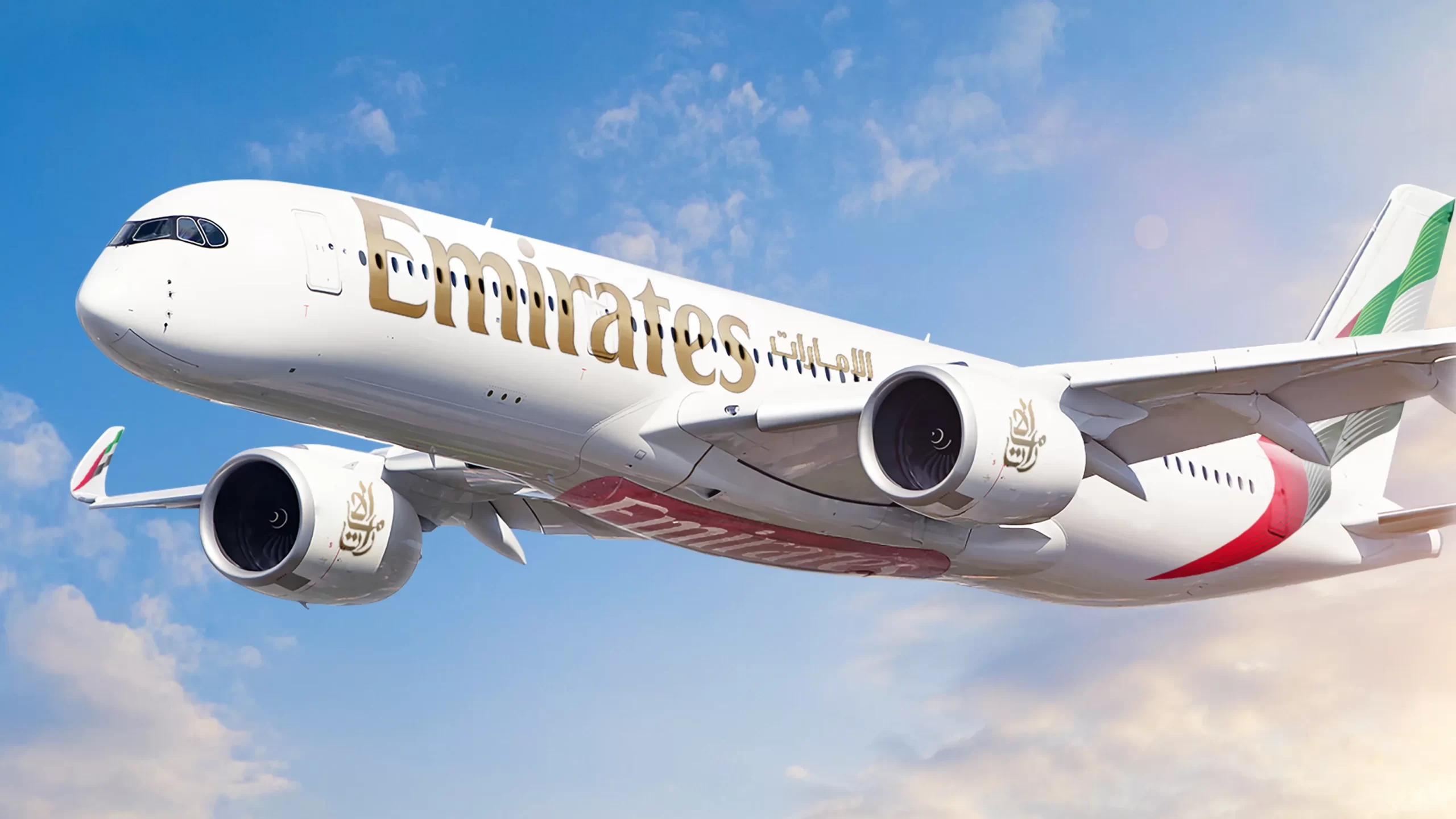
Photo: Emirates
What Comes Next
Emirates has not set a fixed annual hiring quota, and Al Redha said the pace of recruitment will continue to track aircraft deliveries and route additions. A separate hiring round is also planned for a new seat-manufacturing joint venture between Emirates and Safran in Dubai, though the airline has not detailed numbers for that unit yet.
For now, the airline’s message is that growth and jobs move together. As new aircraft arrive and routes expand, Emirates expects its operational headcount to keep climbing toward the 20,000 mark by 2030.