Aer Lingus (EI) has confirmed that it will close its transatlantic long‑haul base at Manchester Airport (MAN) by 31 March 2026, ending direct flights to New York (JFK), Orlando (MCO) and Barbados (BGI) amid ongoing labour tensions and commercial under‑performance, The Independent reported. The Irish flag carrier’s announcement follows months of disputes with its cabin crew over pay and working conditions and comes as the airline reframes its long‑haul strategy to focus on its primary hub in Dublin (DUB).
The decision affects around 200 staff, including cabin crew and ground personnel, and will see a phased winding down of services beginning in February 2026, with the Manchester–New York route ending on 23 February ahead of the full base closure at the end of March. Aer Lingus stated it will offer impacted passengers refunds or rerouting via Dublin, and plans a temporary Dublin–Barbados service in April and May 2026 to support travelers booked on the Barbados route. This news comes less than a month after we reported that the carrier was likely to shut its Manchester operations.
Aer Lingus Manchester Base Closure Timeline
| Date | Event |
|---|---|
| 23 February 2026 | Manchester–New York (JFK) nonstop service ends |
| 31 March 2026 | Aer Lingus transatlantic operations from MAN cease |
| April–May 2026 | Temporary Dublin–Barbados service (subject to approvals) |
Aer Lingus’s statement emphasised that flights between Manchester and Ireland will continue as normal, and that passengers are being contacted directly about their bookings. The airline apologised for the disruption but framed the closure as a strategic step to redeploy resources where they can operate more profitably.
Operational Reasons and Union Disputes Behind Aer Lingus
Aer Lingus said the base was underperforming relative to its Dublin long‑haul operations, with lower operating margins and weaker onward feed from northern England.
This underperformance, according to industry analysts, stems partly from the challenges of maintaining a standalone transatlantic base outside the airline’s main hub, where connections to European markets and U.S. customs pre‑clearance enhance network efficiency.
At the same time, staff relations had deteriorated. Cabin crew at the Manchester base rejected a pay offer in late 2025 and staged multiple days of strike action, highlighting concerns over pay disparities between UK‑based crew and their Irish counterparts. Union representatives described the airline’s proposals as insufficient, arguing that wages had not kept pace with living costs in Manchester.
A spokesperson for Unite, the union representing many of the affected staff, previously labelled possible closure plans “economic vandalism” (as quoted in VISA HQ) and warned of further action if negotiations did not progress.
What Rebooking Options do Passengers of Aer Lingus Have?
The closure has prompted concern among travellers who had booked direct flights from Manchester to transatlantic destinations beyond March 2026.
Aer Lingus will not rebook passengers onto other carriers’ direct services out of Manchester, such as those offered by competing airlines. Instead, passengers must accept reroutes via Dublin or request refunds.
Travellers affected by flight cancellations retain clear rights under UK aviation rules. According to the Civil Aviation Authority (CAA), passengers are entitled to be transported to their final destination “via the same route” where feasible, rather than being left with inferior alternatives.
In practical terms, this creates a clear benchmark for replacement services on key transatlantic routes:
- For flights to New York (JFK) and Orlando, nonstop services from Manchester remain available through Virgin Atlantic.
- These direct flights represent the closest like-for-like alternative in terms of routing and journey time.
However, Aer Lingus maintains that affected customers will not be rebooked onto competing carriers. Instead, the airline has limited passenger options to the following:
- Acceptance of a rerouted itinerary via Dublin, requiring a change of aircraft at its Irish hub.
- A full refund of the unused ticket.
The indirect routing carries a noticeable time penalty. For Orlando in particular, the Dublin connection extends the total journey by more than three hours compared with a nonstop departure from Manchester. Despite the longer travel time, Aer Lingus is currently marketing these connecting services at prices exceeding £100 less than equivalent direct flights

Aer Lingus’ A330s Were Just Not Paying off
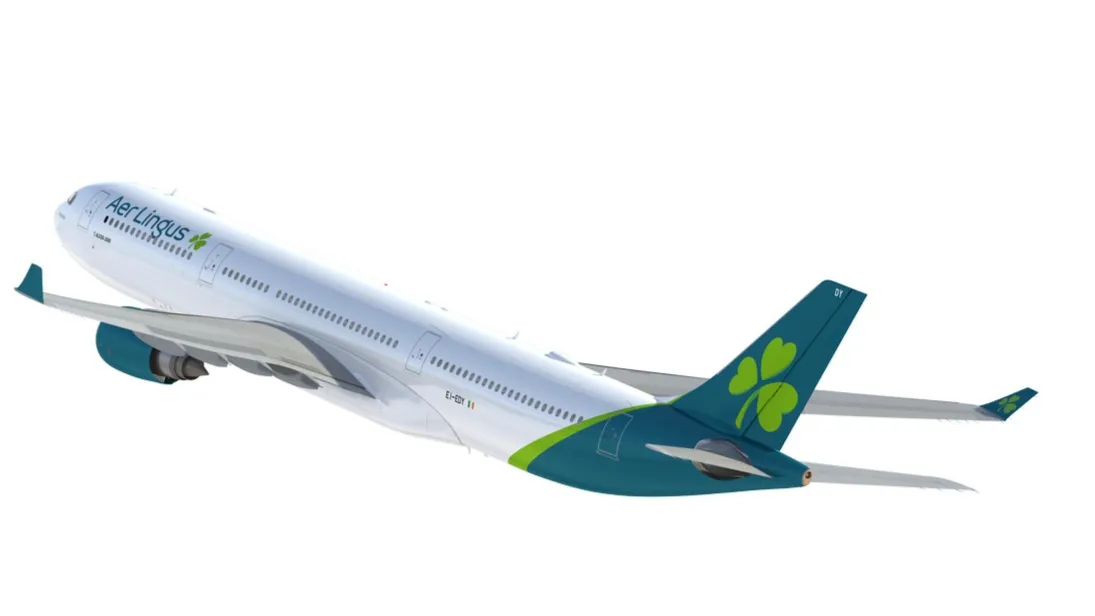
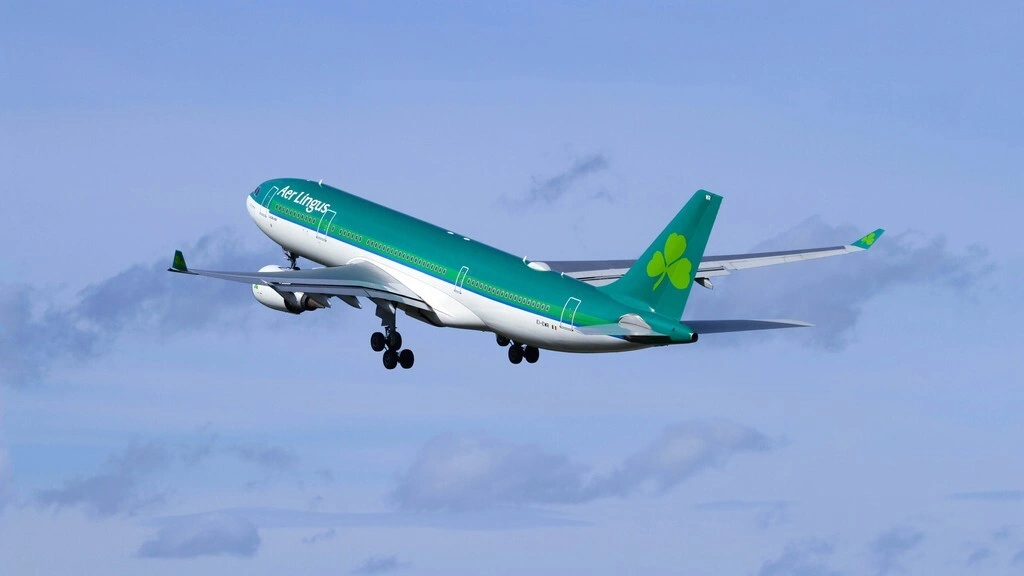
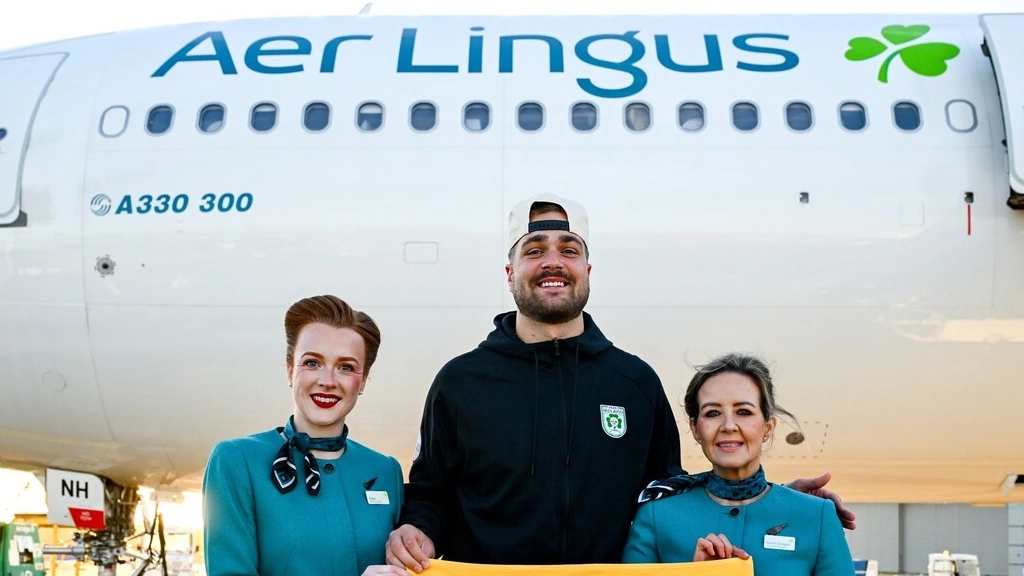
Aer Lingus’ long-haul strategy in Manchester has always hinged on a small but significant fleet commitment – the carrier’s two Airbus A330-300 widebody aircraft that were permanently assigned to the airport, and ones which supported its transatlantic and Caribbean services from Manchester to the places where the flights have been canceled.
The routes were launched in 2021, when Aer Lingus moved quickly to capitalise on the market gap left by the collapse of Thomas Cook. According to an analysis in Flying Magazine, Aer Lingus has acknowledged that the Manchester base has consistently underperformed when measured against its long-haul operation in Dublin, where demand is stronger and connectivity is broader.
Removing the Manchester base also frees two A330-300s for deployment elsewhere in Aer Lingus’ network. For a carrier with a relatively small wide-body fleet, reallocating two aircraft represents a significant capacity decision.
The same publication also noted that Chief executive Lynne Embleton has repeatedly underlined the economics behind the reassessment. Aer Lingus operates 13 A330s in total, including ten A330-300s.
Dedicating two of those aircraft to a single, underperforming base ties up a meaningful share of the fleet. Each A330-300 can seat up to 317 passengers in a two-class layout, making it well-suited to high-density leisure routes or core transatlantic services.
Economic and Community Impact of Aer Lingus’ Manchester Base Closure
The closure of the Manchester long-haul base affected around 200 employees, including cabin crew and ground staff. Aer Lingus said it would work with employee representatives on the phased reduction of operations, while exploring redeployment opportunities and the terms of severance arrangements for affected staff.
The airline’s transatlantic operations from Manchester were scheduled to end by March 31, 2026, with the New York service ending earlier on February 23. The closure did not affect Aer Lingus or Aer Lingus Regional services between Manchester and Ireland.
Aer Lingus’ withdrawal marks the end of its attempt to maintain a standalone long-haul operation at Manchester. The airline will instead concentrate its transatlantic resources around Dublin, while affected Manchester passengers will have to choose between rerouting through Ireland and seeking alternative nonstop services from other carriers.