Air India (AI), the flag carrier of the nation which is still haunted by the crash of its Dreamliner in AI171, today announced the conversion of 15 of its Airbus A321neo aircraft orders to the extra‑long‑range Airbus A321XLR variant. The announcement was made on the sidelines of Wings India 2026 — the premier civil aviation event in Asia — held at Begumpet Airport (HYD), Hyderabad, Telangana, India.
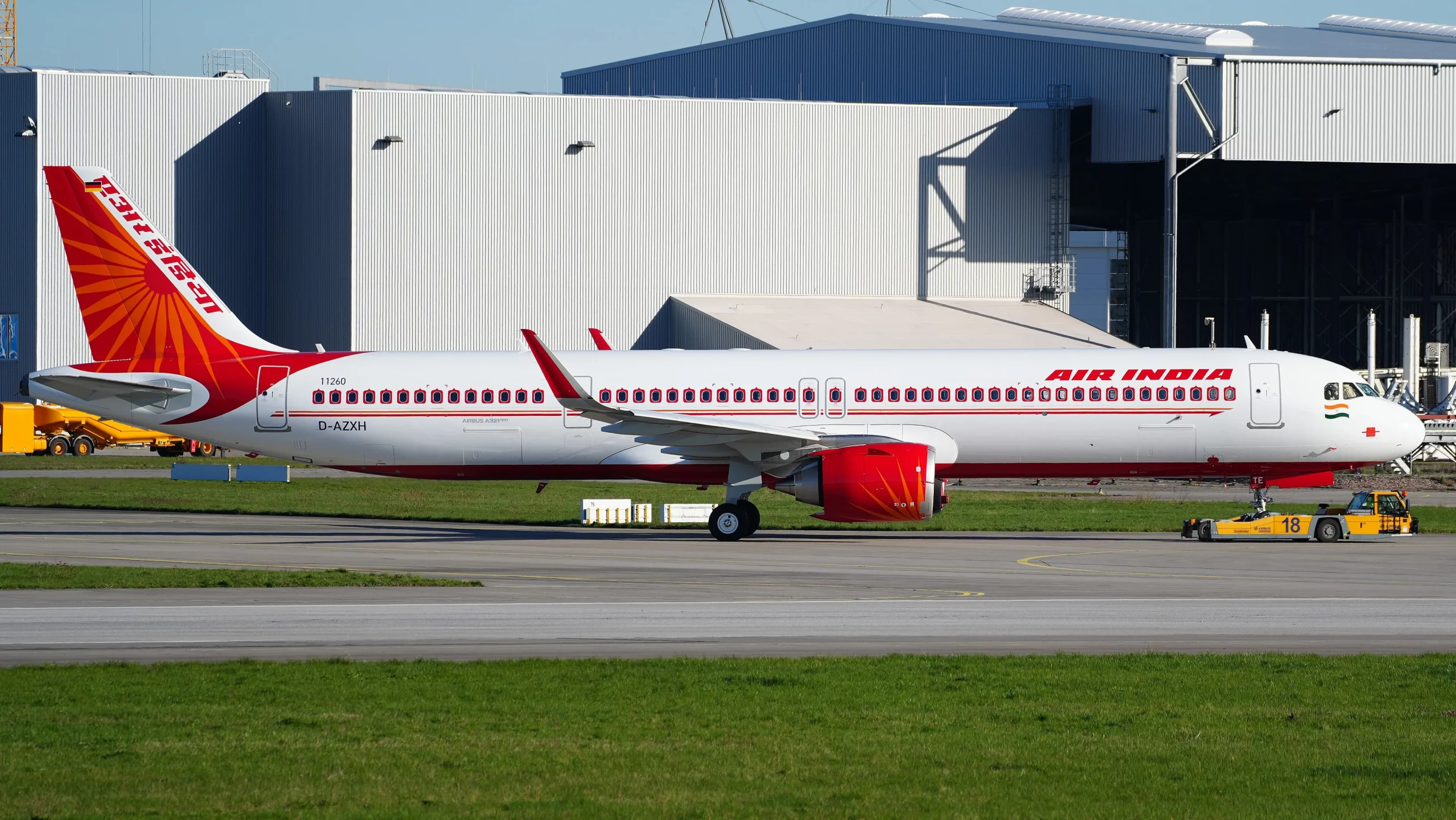
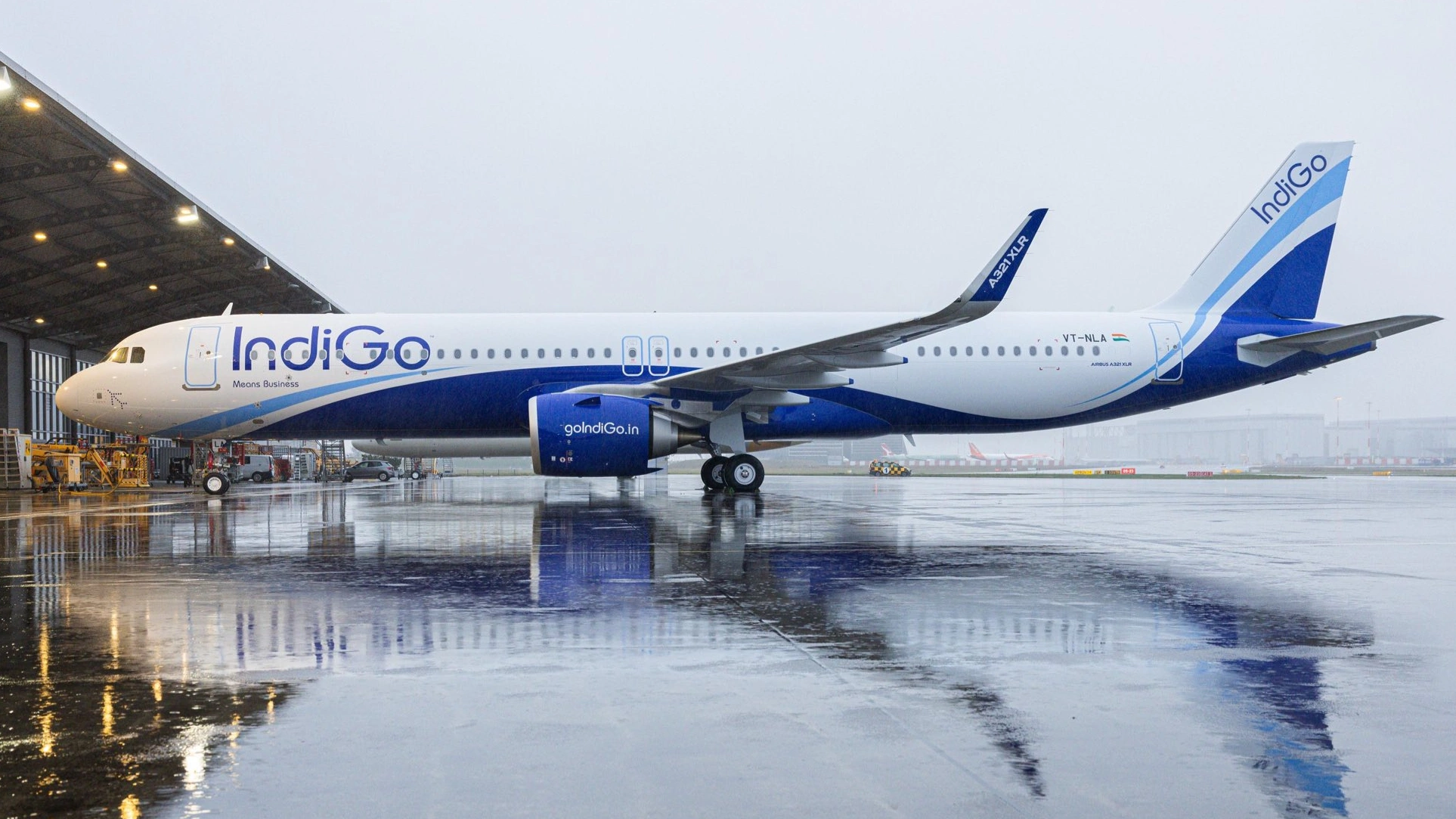
The converted order is part of Air India’s transformational fleet modernisation plan, originally announced in 2023 and expanded in 2024, comprising a mix of Airbus and Boeing aircraft that will drive the airline’s global network growth over the next decade. Deliveries of the 15 Airbus A321XLR aircraft – the same aircraft that IndiGo currently started to deploy on the non-stop route to Greece– are expected between 2029 and 2030.
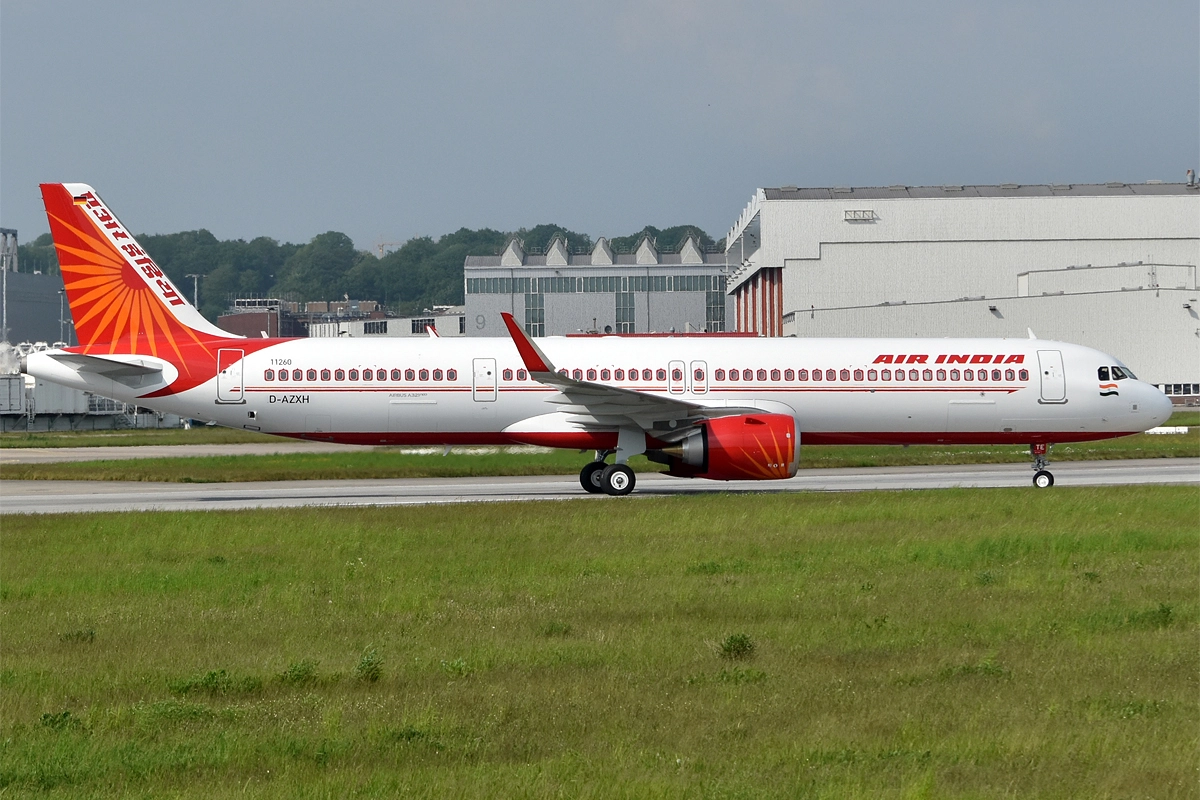
A321XLR conversion — Immediate Implications for Air India
Air India’s decision to convert 15 of its existing A321neo orders into the Airbus A321XLR (Extra Long Range) variant represents a calculated pivot toward greater international connectivity with single‑aisle aircraft. The A321XLR can fly up to 4,700 nautical miles (8,700 km), giving operators access to routes that traditionally required wide‑body aircraft — but with more favorable operating economics.
The move enables Air India to:
-
Open new non‑stop international routes between India and targeted global markets without requiring larger twin‑aisle aircraft.
-
Improve fleet commonality and maintain cost controls by leveraging the proven A320 family platform.
-
Offer passengers higher comfort on longer flights with optimized fuel efficiency and emissions performance.
Campbell Wilson, Chief Executive Officer & Managing Director of Air India, expressed that this strategic conversion aligns with the airline’s future network plans.
Commenting on the decision to convert part of Air India’s Airbus A321neo order to the A321XLR, CEO and Managing Director Campbell Wilson said the move forms part of the airline’s long-term fleet strategy. He said Air India is simultaneously modernising its existing fleet while building greater scale and flexibility into its future aircraft fleet to meet the changing travel needs of passengers flying to and from India.
How is Air India’s fleet changing as a result of the A321XLR conversions?
By converting A321neo orders to the A321XLR, Air India signals intent to pursue new niche international markets that are typically underserved by direct flights. The narrow‑body long‑range strategy allows the airline to:
-
Increase frequency and reduce layovers, enhancing passenger convenience.
-
Improve unit economics on medium‑to‑long‑haul sectors, where larger aircraft may operate under capacity constraints.
-
Match competing carriers’ network moves, especially as Indian carriers adopt similar long‑range narrowbody aircraft strategies.
Airbus Executive Vice President of Commercial Aircraft Sales Benoît de Saint-Exupéry said the A321XLR gives Air India greater flexibility to match capacity with demand. The aircraft can support higher frequencies on established routes, provide additional capacity during peak seasons and make new medium-haul international routes commercially viable without requiring a larger widebody aircraft.
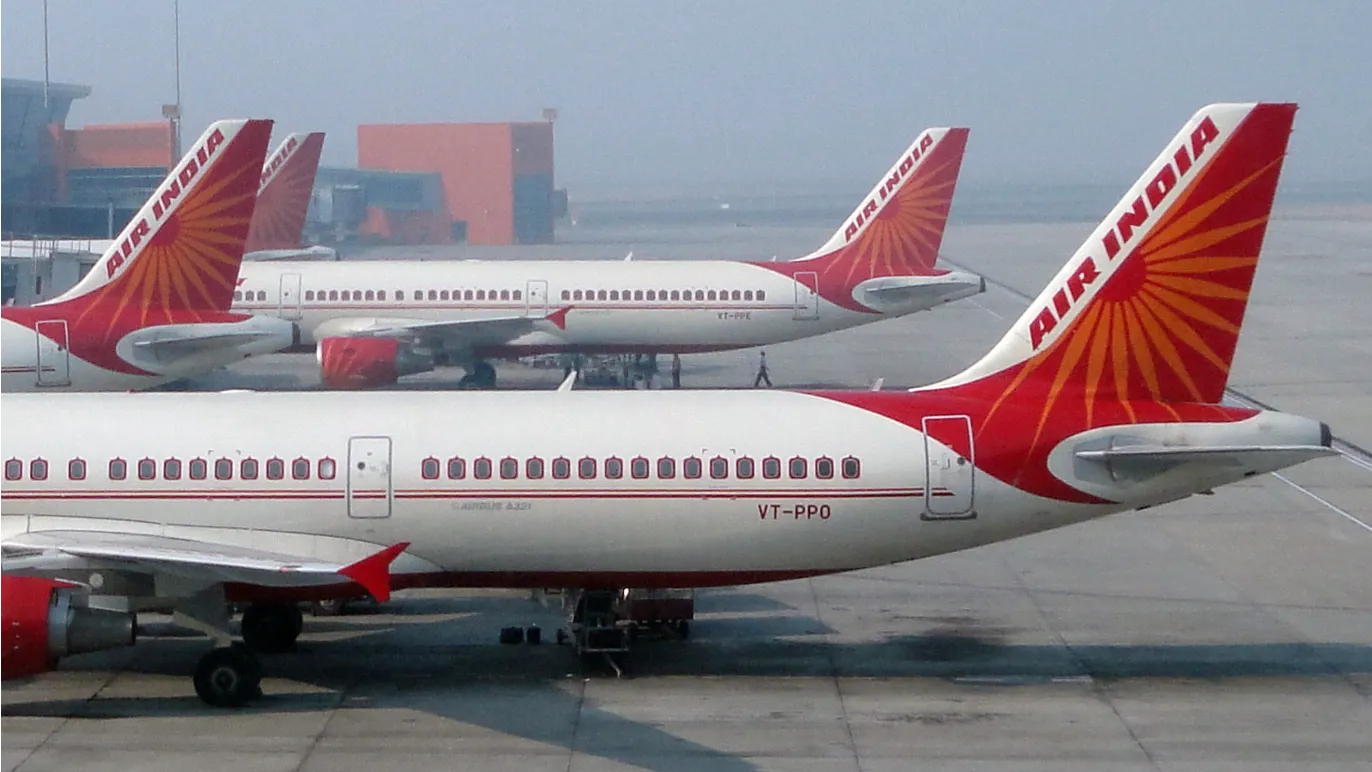
Air India’s fleet currently does not comprise the Airbus A321XLR. According to data from planespotters.net, it has ten Airbus A320neos that average 3.9 years. Air India’s fleet averages 8.6 years.
| Aircraft Type | In Service | Parked | Total | Average Age |
|---|---|---|---|---|
| Airbus A319 | 6 | – | 6 | 17.4 Years |
| Airbus A320 | 96 | 2 | 98 | 5.9 Years |
| Airbus A321 | 20 | 3 | 23 | 11.2 Years |
| Airbus A350 XWB | 5 | 1 | 6 | 2.3 Years |
| Boeing 777 | 18 | 4 | 22 | 15.4 Years |
| Boeing 787 Dreamliner | 30 | 3 | 33 | 10.0 Years |
Air India currently has 542 aircraft pending delivery, including 344 from Airbus, out of a total firm order of 600 planes.
Since its privatisation in January 2022, the airline has added nearly 170 aircraft through a combination of new deliveries, strategic leases, the merger of former Vistara aircraft, and the reactivation of long-grounded jets. These moves reflect a significant expansion in both fleet capacity and modernisation.
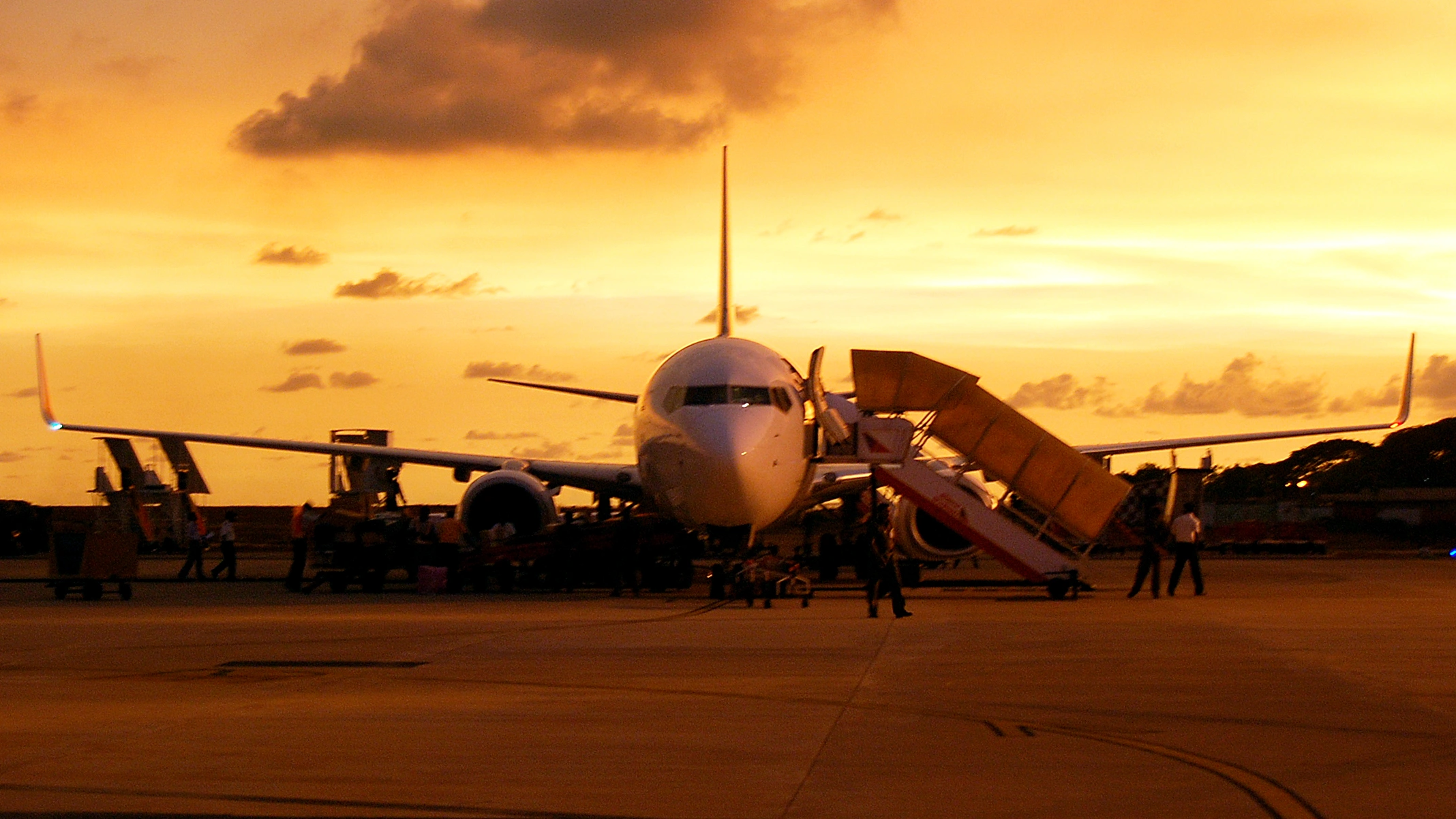
Air India Airbus A321neo Cabin Configuration
According to data from Seat maps, Air India’s Airbus A321neo offers two distinct seating configurations tailored to different operational needs, balancing passenger comfort with fuel efficiency. Both layouts are optimized for short- to medium-haul flights while providing essential amenities, including USB ports on select aircraft.
Configuration 1 – Business + Economy
-
Total capacity: 192 passengers
-
Business Class:
-
12 seats
-
Pitch: 38″ (97 cm)
-
Width: 21″ (53 cm)
-
-
Economy Class:
-
Pitch: 31–32″ (79–81 cm)
-
Width: 18″ (46 cm)
-
Configuration 2 – All-Economy
-
Total capacity: 232 passengers
-
Economy Class:
-
Pitch: 28–31″ (71–79 cm)
-
Width: 18″ (46 cm)
-
For now, we don’t quite know how Air India will configure its A321XLRs.
All in All
Complementing this fleet transformation, Air India and Airbus maintain a longstanding partnership, exemplified by their 50:50 joint venture that launched a state-of-the-art pilot training centre at the Air India Training Academy in Gurugram, Haryana, in September 2025.
Equipped with 10 Full Flight Simulators (FFS), the facility aims to train more than 5,000 pilots over the next decade, ensuring the airline has the skilled personnel required to support the exponential growth of commercial aviation in India.
The latest announcement of the conversion of the orders of Air India’s A321neos into A321XLRs is the continuation of this very partnership.

.jpg)
.jpg)

.jpg)