On January 29, 2026, Airbus retired BelugaST #5 (F-GSTF), flying it from Bordeaux to Broughton for conversion into a STEM education facility. Two BelugaST aircraft remain in active service and are expected to continue flying until mid-2027, when Airbus completes its full transition to the larger BelugaXL fleet.

Airbus BelugaST: A Goodbye to Near Three Decades of Flight
Airbus’s original BelugaST (Super Transporter) aircraft represent a unique evolution of the Airbus A300-600 platform, designed specifically for outsized cargo missions that conventional freighters could not accommodate.
The Airbus Beluga primarily operates on intra-European routes, ferrying oversized aircraft sections between Airbus’s manufacturing and final-assembly sites. Key points in this network include:
- Toulouse in France, which serves as the company’s headquarters and a major assembly hub Hamburg and Bremen in Germany, both central to fuselage and component production
- St. Nazaire in France, where major structural elements are integrated
- Filton in the United Kingdom, a centre for wing design and development.
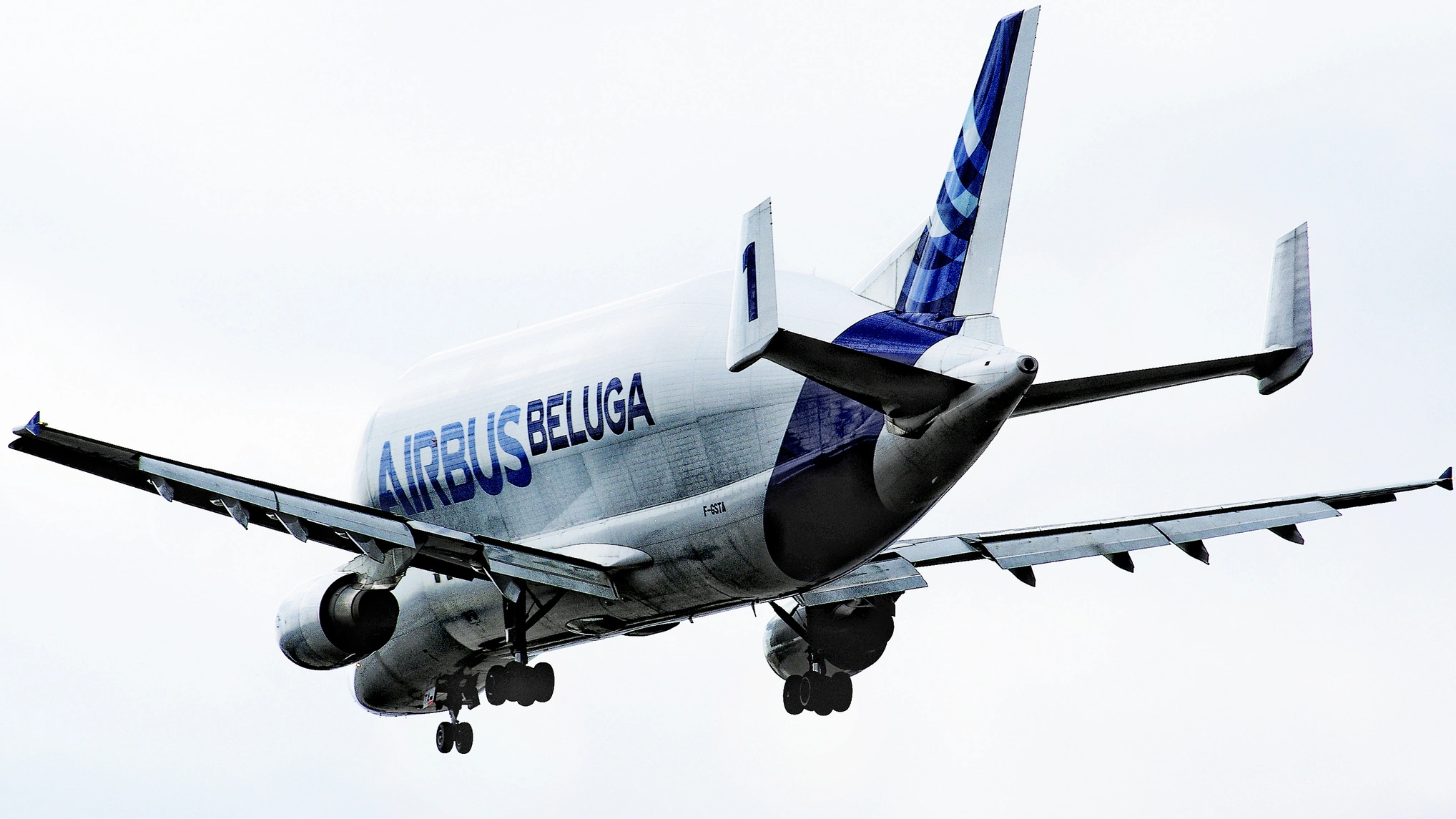
The BelugaST programme delivered five aircraft, all configured with the distinctive “whale-like” fuselage to transport aircraft wings, fuselage sections, satellites, and other oversized structures across Airbus’s European supply chain and beyond.
According to Simple Flying, Airbus had explored the commercial potential of the BelugaST through Airbus Beluga Transport, offering the unusual freighter for oversized cargo missions across sectors including space, energy, military, maritime and humanitarian operations. The commercial venture was subsequently wound down, with Airbus stating that the BelugaST fleet operated commercial missions until 2024 and that no commercial Beluga operations are currently being offered.
The retirement of the original A300-600ST fleet followed the arrival of its larger successor, the BelugaXL. Airbus completed its six-aircraft BelugaXL fleet in June 2024, with the newer aircraft taking over the company’s internal component-transport role.

The Beluga ST will be replaced with BelugaXL programme, which has significantly expanded its internal airlift capability – a 30% increase in payload capacity. This allows Airbus transport larger A350 components (note that the A350 is sued for some of the longest non-stop flights in the world) in fewer rotations, which in turn improves scheduling efficiency and shortens turnaround cycles.
At the same time, transitioning to a fleet built on the Airbus A330 platform brings operational advantages. A more uniform aircraft type streamlines maintenance regimes and reduces training complexity for flight and technical crews compared with the ageing BelugaST fleet. Strategically, the move also draws a line under Airbus Beluga Transport, ending the manufacturer’s brief foray into offering commercial outsized cargo services to third-party customers.

BelugaST (A300-600ST) fleet details
| Registration | MSN | Delivered / Entered Service | Current Retirement / Storage Status |
|---|---|---|---|
| F-GSTA | 655 | Entered service Oct 1995 | Stored / retired (first of fleet) |
| F-GSTB | 751 | Entered service Apr 1996 (test reg F-WSTB) | Parked after last flight 17 Jan 2025 |
| F-GSTC | 765 | Entered service May 1997 | Parked / stored as of early 2025 |
| F-GSTD | 776 | Entered service Dec 1998 | Retired / stored after final flight 17 Sep 2025 |
| F-GSTF | 796 | Entered service Jan 2001 | Parked / stored as of 2025 |

What will the Beluga ST be replaced by?
Beluga provides around 30% more payload capacity than the BelugaST, and is based on the Airbus A330-200 platform. It also has:
-
An overall length comparable to two blue whales placed end to end.
-
Designed to carry two complete aircraft wings in a single flight.
-
Capable of transporting the largest A350 fuselage section or two 30-metre A350 wings (something that the Beluga ST wasn’t able to do).
-
The BelugaXL program was launched in 2014 to support Airbus’s production ramp-up.
Airbus Beluga Transport began to operate the five Beluga STs in the commercial air cargo at the start of 2023. However, by 2025, this commercial division was closed, with Airbus “citing a lack of demand in the marketplace”, reported Aerospace Global News:
“The specialised aircraft had faced tough competition and could not compete with other freighters like the Antonov An-124 due to its weight limits, operational costs, and also its difficult loading characteristics. The decision was taken to gradually withdraw the five aircraft from operations, with flight operations winding down over the latter half of 2025.”
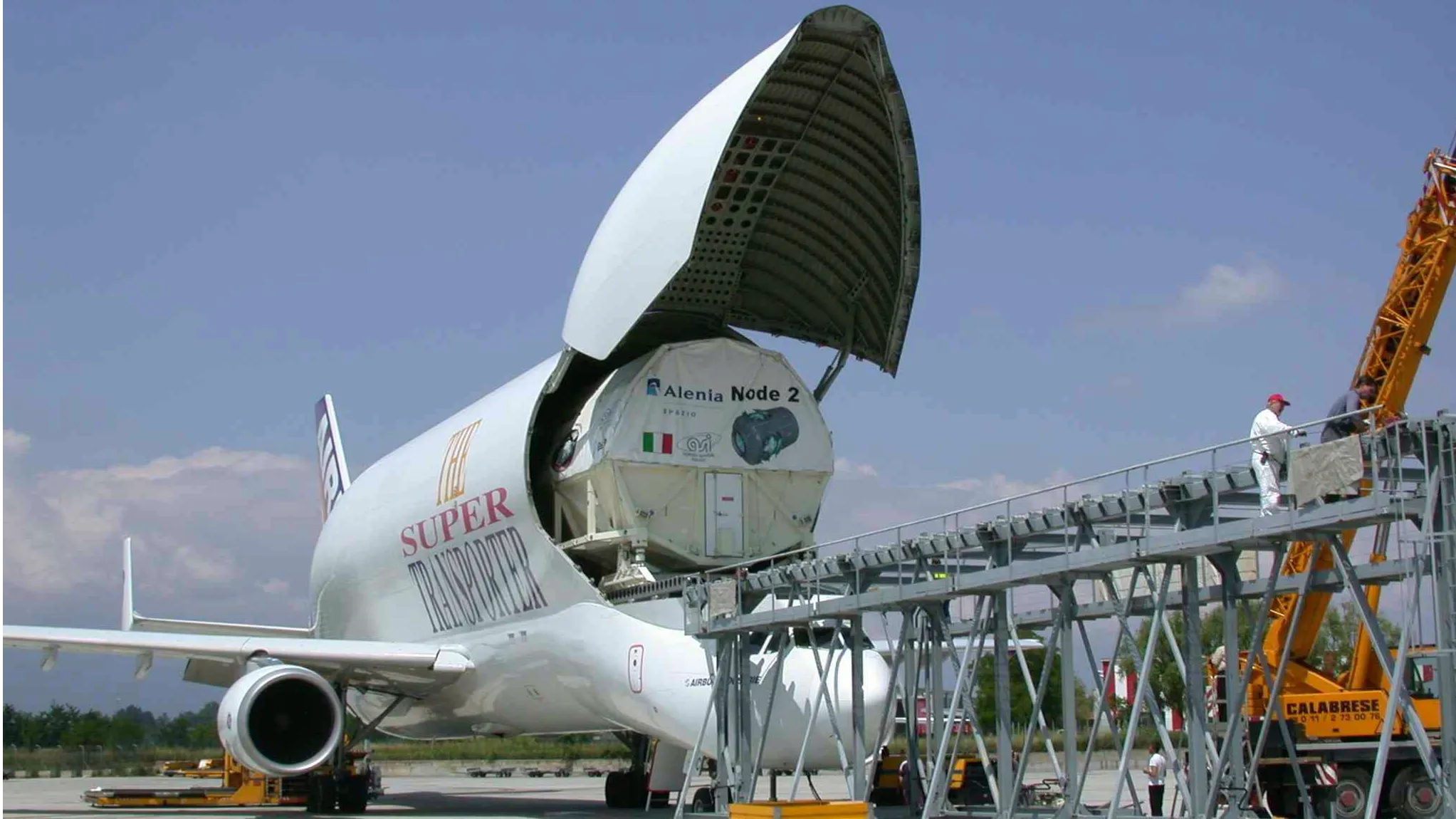
With the concluding flight of the last BelugaST, Airbus is now actively seeking museum and educational placements for these historic aircraft.
Daily Post reported that after the ST flies into retirement after circling around Airbus Broughton on Thursday morning, the whale-shaped transporter will land at the Hawarden Airport runway at around 11am.
A few months ago, a spokesperson of Airbus was quoted (in the same source) to have hinted that some might be retired next year:
This week, one of our beloved BelugaSTs created quite a buzz as it flew its final mission after 20+ years of service! Fans will be happy to hear that a new home and purpose awaitts. Stay tuned for updates! With six BelugaXLs covering our transport needs, the BelugaSTs are slowly flying into retirement. BelugaST 4 had its final flight on Sept 17, 2025. One more flies until until the end of the year and two until mid-2027. Stay tuned for what’s next.”
Note that individual aircraft have been retired gradually throughout 2025 — F-GSTB’s last flight came on January 17, 2025, and F-GSTD’s on September 17, 2025 — as Airbus phases out the type ahead of full retirement in mid-2027.”


.jpg)
.jpg)
.jpg)
.jpg)
.jpg)
