A few years after the turn of the New year 2026, the Directorate General of Civil Aviation (DGCA) banned the use of power banks in flights across India. From January 26, 2026, South Korea’s Hanjin Group — comprising Korean Air, Asiana Airlines, Jin Air, Air Busan and Air Seoul — will follow suit as it looks to institute a full prohibition on the in-flight use of portable batteries and power banks, reported Straight Times. This directive affects both domestic and international operations, and it forbids passengers from charging devices with portable batteries during flight, while requiring compliance with carry-on placement protocols.
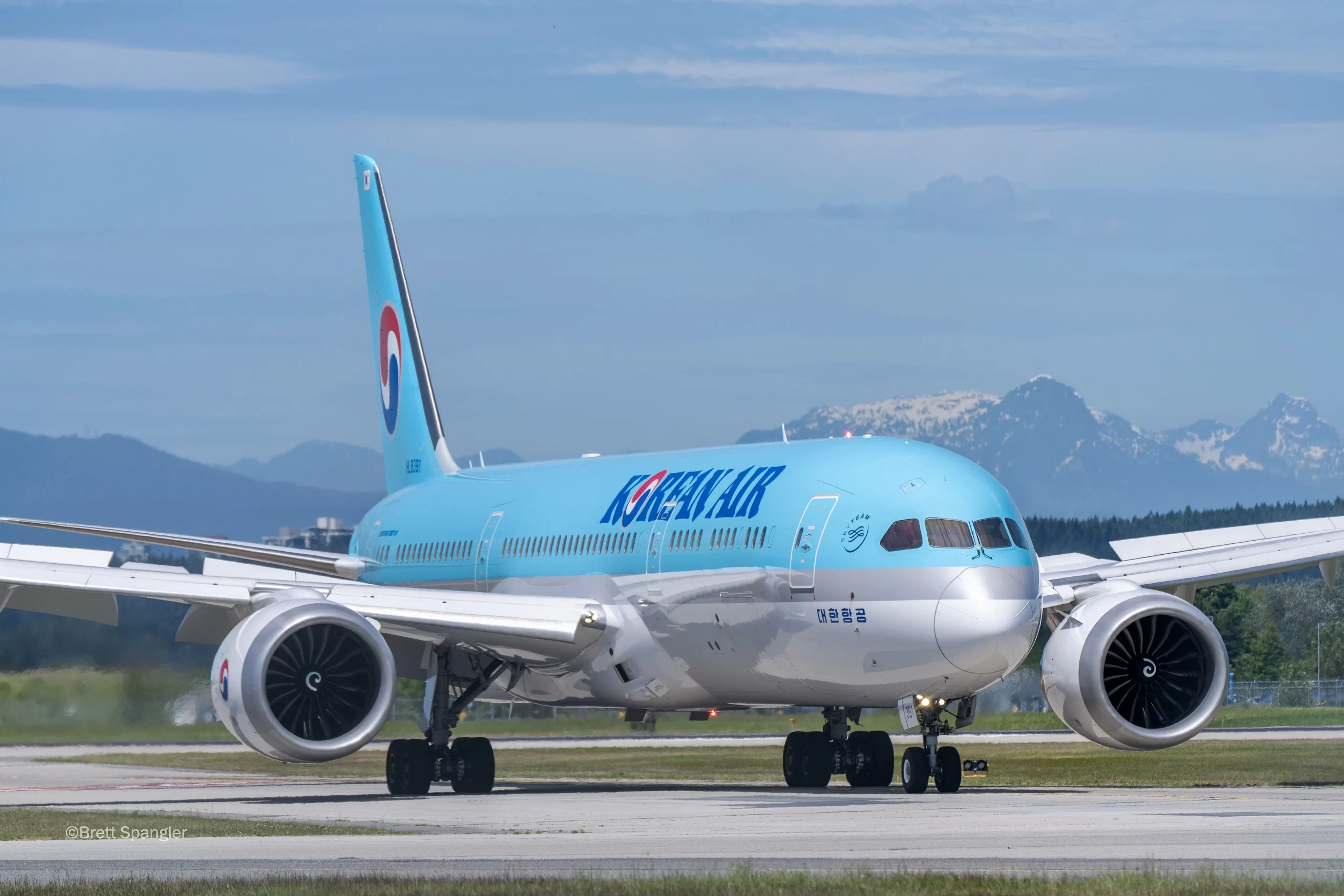
The ban arises from documented onboard lithium-ion incidents — including a notable blaze aboard an Air Busan aircraft (specifically Air Busan Flight 391) — and aligns with a broader global trend of carriers enhancing safety protocols for portable power sources, such as is the case of Southwest Airlines (WN) – the budget carrier that has already banned the use of power banks in carry-on bags. Passengers boarding flights at any one of the carriers of Hanjin Group may bring portable batteries onboard within existing capacity limits, but use, charging and storage in overhead bins are expressly prohibited under the new policy.
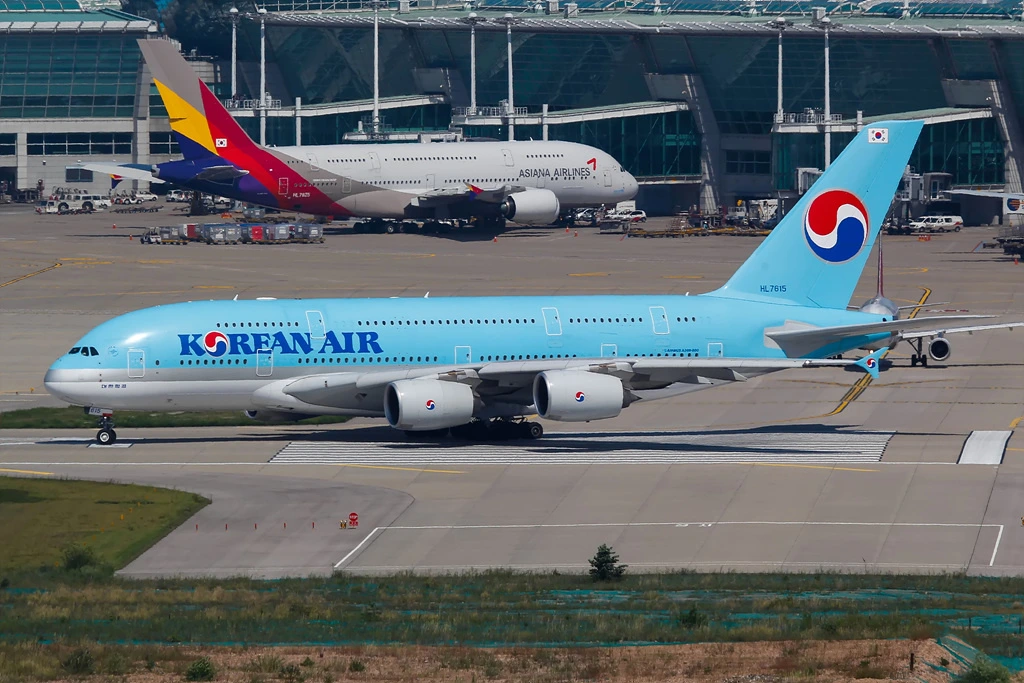
Hanjin Group’s New Portable Battery Policy Explained
Under the ban effective January 26, 2026:
-
Passengers may carry portable batteries and power banks onboard only within existing carry-on restrictions (e.g., up to 100 watt-hours without approval).
-
Charging or using portable batteries during flight is prohibited on all flights of the five airlines.
-
Portable batteries must be kept within arm’s reach: on the passenger, in the seat pocket or under the seat in front.
-
Storage in overhead bins is strictly banned to allow immediate detection of overheating or anomalies.
-
Safety precautions such as insulating tape on terminals or plastic pouches are recommended before boarding.
This suite of measures reflects a preventative safety philosophy, prioritizing early detection and crew response to potential cell-thermal events — conditions that can rapidly evolve into fire incidents.
A Korean Air was quoted in The Straits Times to have said:
“This complete ban on the in-flight use of portable batteries is an unavoidable measure for safe aircraft operations, and cooperation from passengers is vital.. All of the Hanjin Group airlines will do their best to ensure safe, comfortable trips for customers.”

Regulatory context: International and Domestic Battery Safety Laws
The International Air Transport Association (IATA), a power bank is “classified as UN 3480, Lithium-ion batteries” and “considered spare batteries and must be individually protected from short-circuit and carried in carry-on baggage only“. According to the Federal Aviation Administration (FAA) advisory, the following are the rules on the portable power bank carriage on passenger flights.
| Requirement category | Rule / restriction | Operational implication for passengers |
|---|---|---|
| Baggage placement | Power banks must be carried in carry-on baggage only | Portable batteries are not permitted in checked luggage under any circumstances |
| Capacity ≤ 100 Wh | Allowed without prior airline approval | Passengers may carry these power banks freely, subject to standard screening |
| Capacity 101–160 Wh | Airline approval required; usually limited to two units | Travelers must declare and obtain approval before travel |
| Capacity > 160 Wh | Prohibited on passenger aircraft | These power banks cannot be carried onboard or checked |
| Terminal protection | Battery terminals must be protected | Insulation or protective casing required to prevent short circuits |
| Security screening | Subject to inspection by airport security | Passengers should expect additional screening or questioning |
| Compliance advisory | Airline and FAA guidance applies | Rules may vary slightly by carrier; passengers should verify before departure |

The US Transportation Security Administration (TSA) requires portable chargers and spare lithium-ion batteries, including power banks, to be carried in cabin baggage rather than checked luggage. The rule is intended to keep lithium batteries accessible to passengers and crew in the event of overheating or a fire.
South Korea has introduced additional measures to reduce the risks associated with power banks during flights. Under the policy, passengers who need to insulate battery terminals can obtain insulating tape at check-in counters, boarding gates and onboard aircraft, while airlines are required to carry at least two dedicated isolation bags for storing potentially problematic power banks.
The measures also include temperature-sensitive indicators on cabin storage compartments, designed to provide an early warning if temperatures inside the compartments exceed 40°C.


.jpg)
_taxiing_at_Shizuoka_Airport_in_2017.jpg)