When Ukraine Russia War started in 2022, little did we have any idea that in a matter of four years, the world would see escalation in tensions such as a Russian Ilyushin Il-76 landing in Venezuela, US’ threats to take over Greenland, the Israel-Palestine conflict that left the Ben Gurion Airport closed for foreign airlines, and the India Pakistan standoff that led to many airlines avoiding the Pakistani airspace.
5 most wonderful aircraft destroyed in the Russia-Ukraine war
In these tumultuous times, we are having a look at Europe’s seven largest Air Force Bases & their strategic roles. We can’t know for now what roles these bases might have should US attack Greenland but understanding the evolution of these bases and how these are used by each nation is sure to give us insight into the North Atlantic Treaty Organization (NATO) Alliance.
RAF Mildenhall
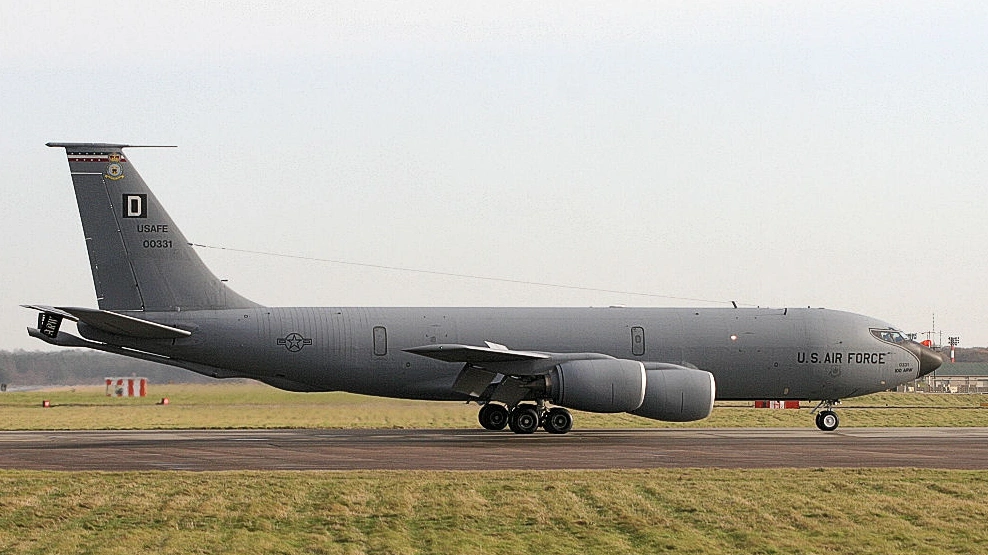
RAF Mildenhall, located in Suffolk, England, serves as one of the United States Air Force’s most critical installations in Europe, that hosts over 4,300 active-duty personnel and approximately 3,200 dependents, contributing to a total base population of roughly 14,000.
The base’s 100th Air Refueling Wing (100th ARW) operates KC-135 Stratotankers. It is also the continent’s only permanent U.S. air refueling wing. The base also:
- Supports Special Operations Command Europe (SOCEUR)
- Hosts the 352nd Special Operations Wing with CV-22 Ospreys and MC-130J Commando II aircraft
Spangdahlem Air Base
Spangdahlem Air Base is a major U.S. Air Force installation in southwestern Germany, built between 1951 and 1953 as part of NATO’s Cold War air defense network. The base supports more than 5,000 active-duty personnel and around 7,000 family members, giving it a total associated population of roughly 12,000 people.
Its scale is also reflected in its operational infrastructure. Spangdahlem serves as a major Air Mobility Command hub, handling around 30% of the heavy cargo capacity previously associated with Rhein-Main Air Base and supporting aircraft such as the C-17 and C-5. The installation also has the capacity to process up to 1 million gallons of fuel per day and supports geographically separated units at four other European air bases.
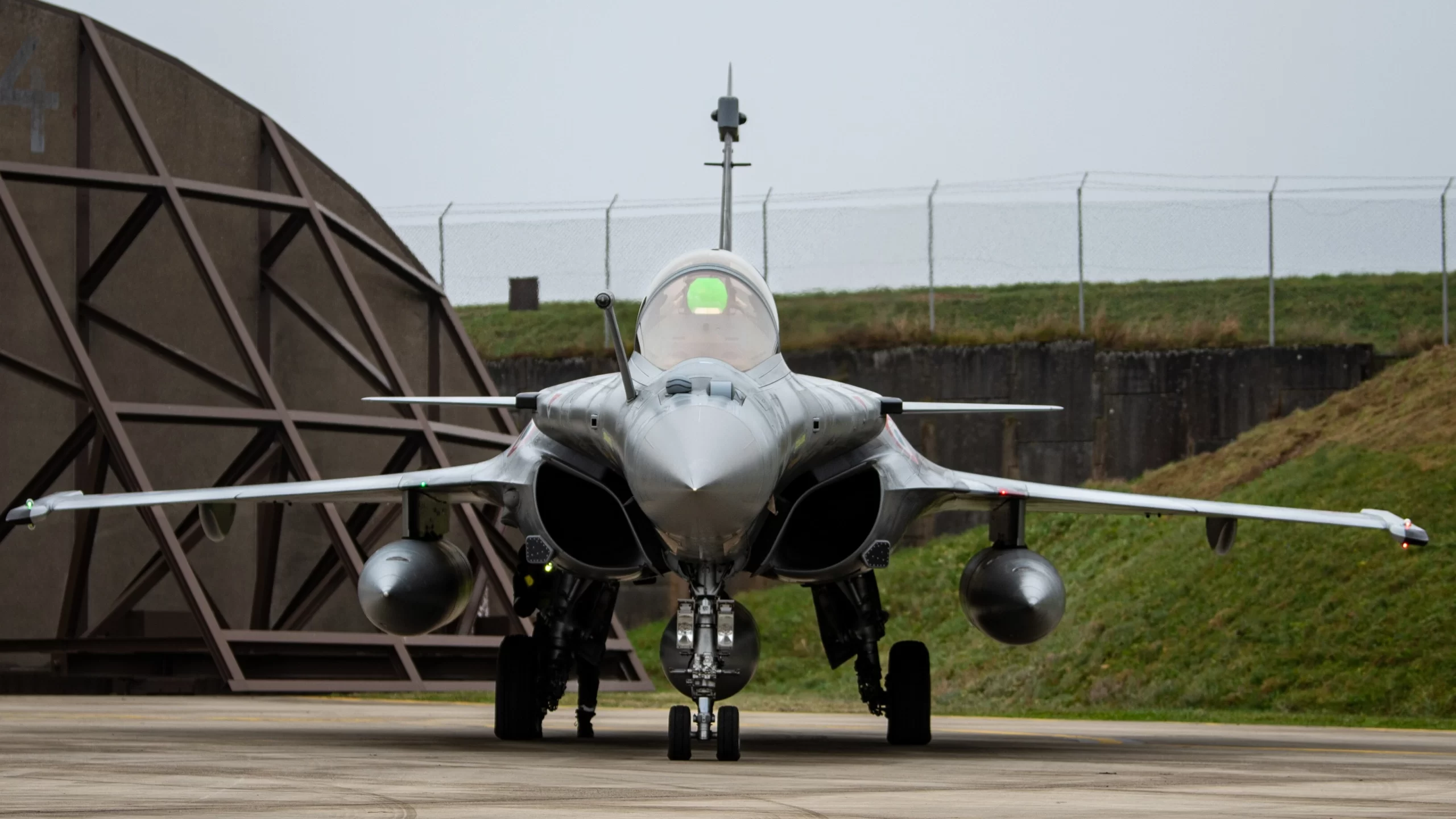
The base is home to the 52nd Fighter Wing and the 480th Fighter Squadron, which operates F-16 Fighting Falcons. Beyond its resident fighter operations, Spangdahlem functions as a hub for NATO rapid-response and Agile Combat Employment missions, with aircraft and personnel regularly deployed to locations across Eastern Europe.
Naval Air Station
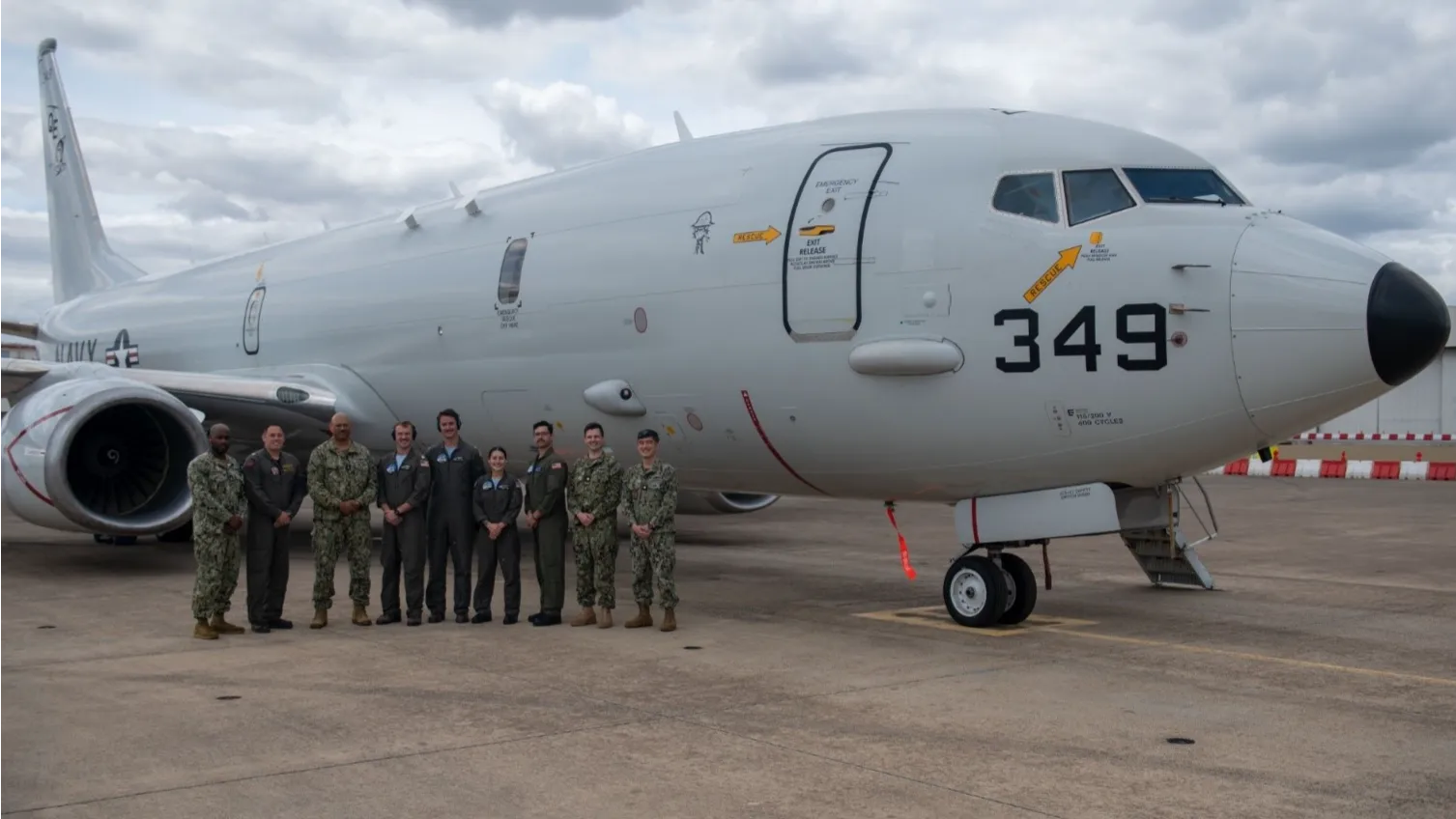
Naval Air Station (NAS) Sigonella is a major U.S. Navy installation in eastern Sicily, near Catania, Italy, and has developed into one of the largest American military facilities in the Mediterranean. Established in 1959, the installation today covers approximately 1,300 acres and supports around 7,000 personnel, including U.S., Italian and NATO personnel and their families.
The base is divided into two principal areas: NAS I, which houses administrative functions, and NAS II, the main operational area, with the two sites located roughly seven miles apart. Sigonella also includes additional supporting infrastructure, including a NATO pier and a naval radio transmitter site, as well as facilities supporting aviation, logistics, intelligence and surveillance missions.

Between 2015 and 2022, Sigonella grew to approximately 1,300 acres and hosted around 40 tenant commands, with units and detachments from the U.S. Navy, Army, Marine Corps, Air Force and Space Force, alongside NATO and Italian forces.
The installation has also added approximately 140,000 square meters of new land-side and air-side operational areas, particularly to support unmanned aircraft operations.
RAF Lakenheath
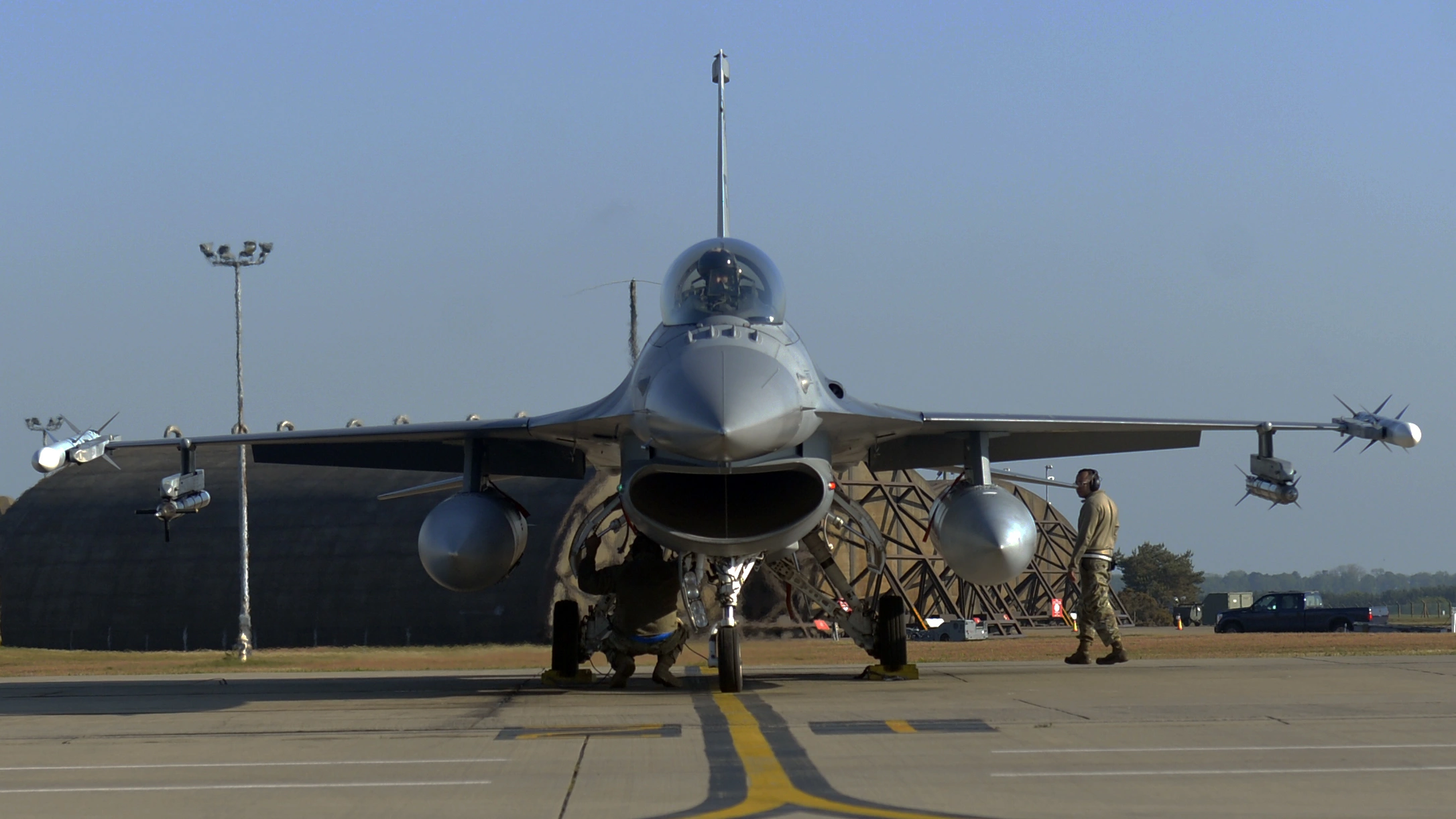
RAF Lakenheath is the largest U.S. Air Force-operated installation in the United Kingdom and one of the most significant American air bases in Europe. Located in Suffolk, England, the base supports more than 7,000 active-duty personnel and has an overall population of approximately 18,000 when family members are included.
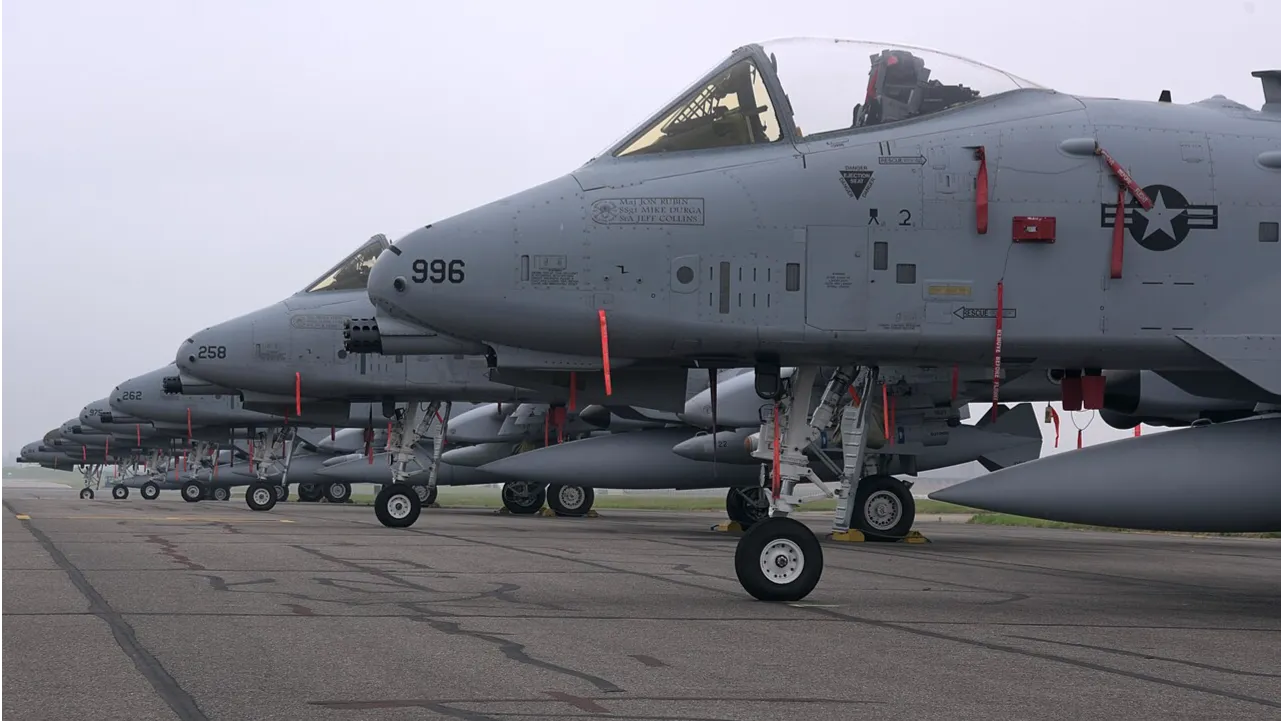
The installation is centered on the 48th Fighter Wing and operates a substantial combat aircraft fleet, including both F-15E Strike Eagles and F-35A Lightning IIs. In 2025, the base had approximately 52 F-35As across two active squadrons, making Lakenheath one of the largest concentrations of U.S. fifth-generation fighter aircraft in Europe.
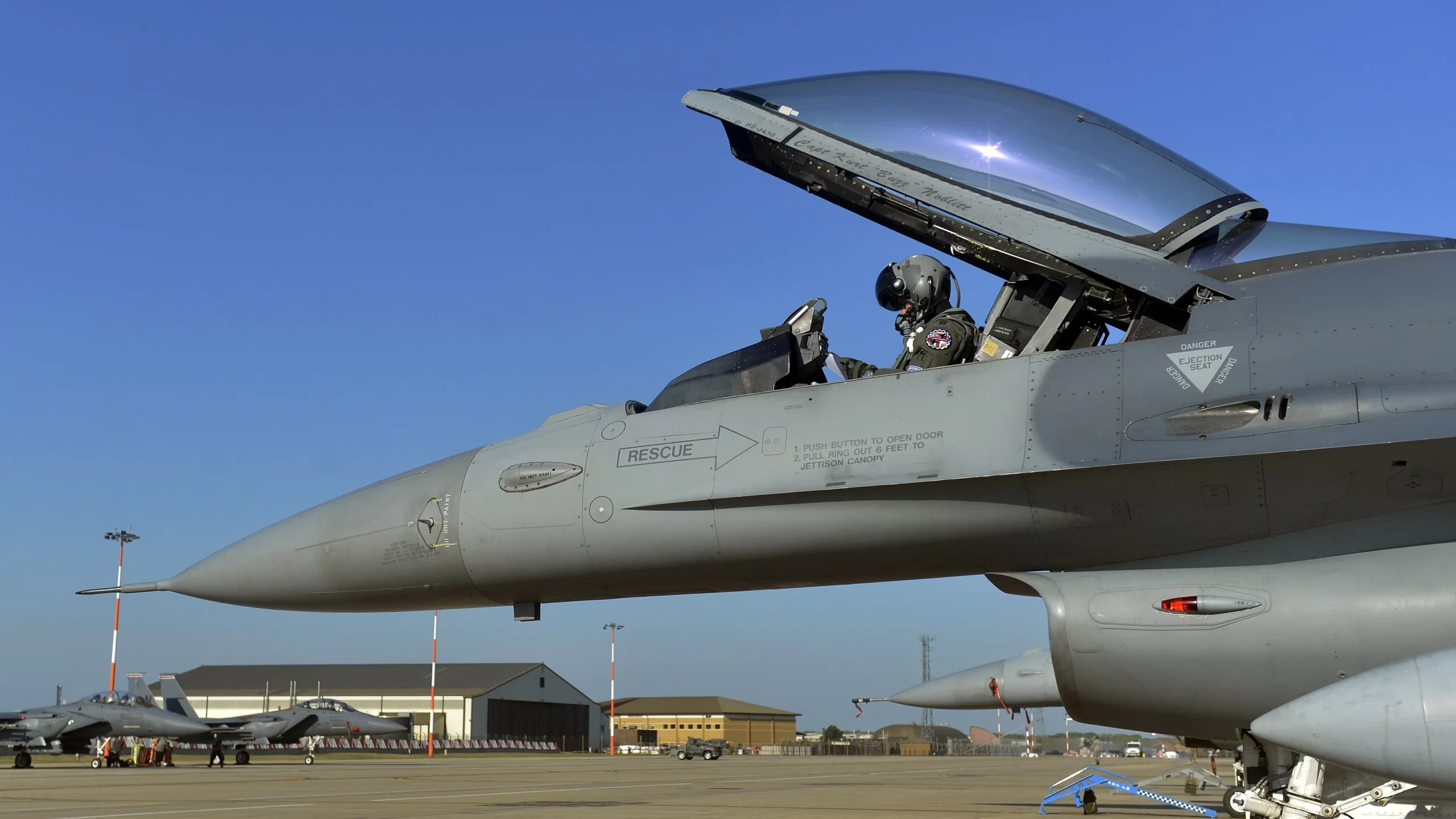
Beyond its aircraft fleet, Lakenheath has extensive infrastructure supporting high-readiness combat operations, NATO missions and nuclear deterrence. The base contains aircraft shelters, weapons storage infrastructure, security facilities and other specialized installations associated with its strategic role.
Its scale has also increased as the F-35A presence has expanded, with a third squadron planned and the F-15E fleet scheduled to be phased out by 2028.
Aviano Air Base
Aviano Air Base is a major U.S. Air Force installation in northeastern Italy and one of the most important American air bases south of the Alps. Located in the Friuli-Venezia Giulia region, approximately 50 miles north of Venice, the installation supports an estimated 8,000 to 10,000 military personnel, family members and civilian personnel.
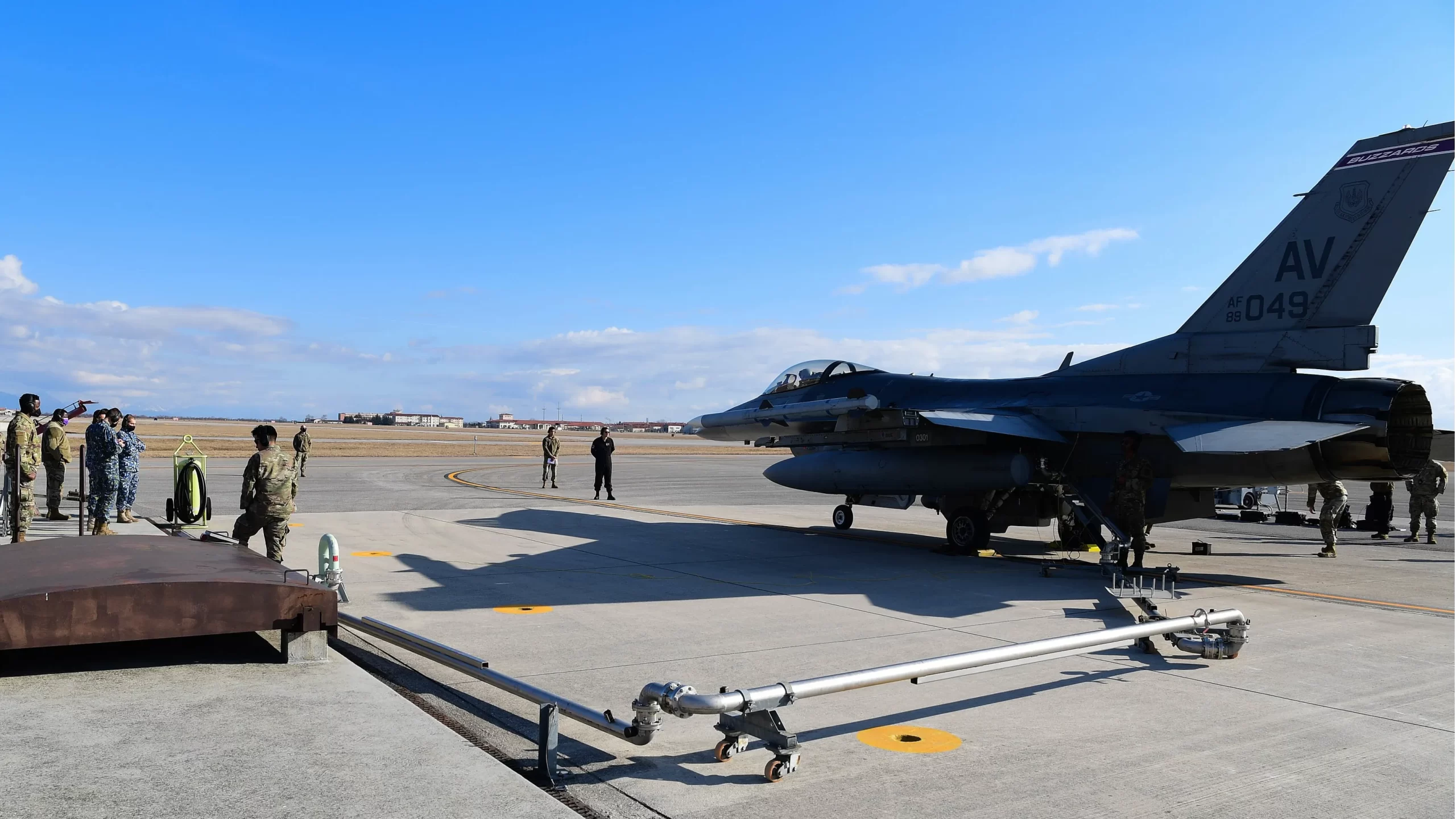
The base is centered on the U.S. Air Force’s 31st Fighter Wing, which operates two F-16 Fighting Falcon squadrons. Aviano also hosts rescue and command-and-control units, including the 56th and 57th Rescue Squadrons, giving the installation capabilities that extend beyond conventional fighter operations.
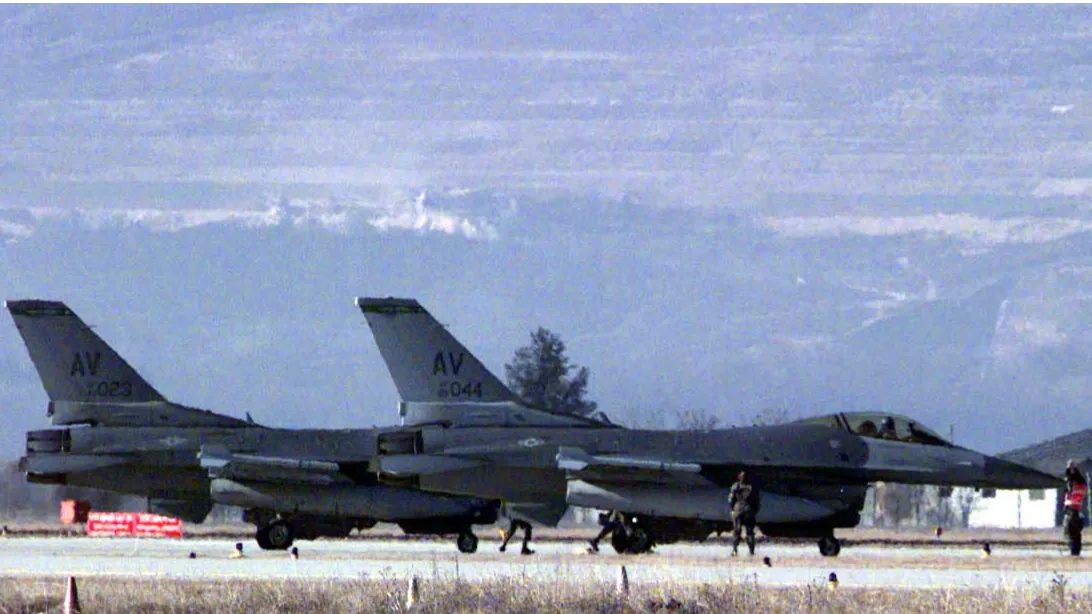
Aviano has substantial aviation infrastructure, including a 2,987-meter asphalt runway and facilities supporting fighter deployments, airfield recovery and combat search-and-rescue missions. New infrastructure has continued to expand its capabilities, including a rapid-deployment facility completed in 2025, while additional facilities for rescue training and rapid airfield damage recovery are being developed.
The installation also plays a wider NATO role, supporting operations across the Mediterranean and southern European region.
Mihail Kogălniceanu Air Base
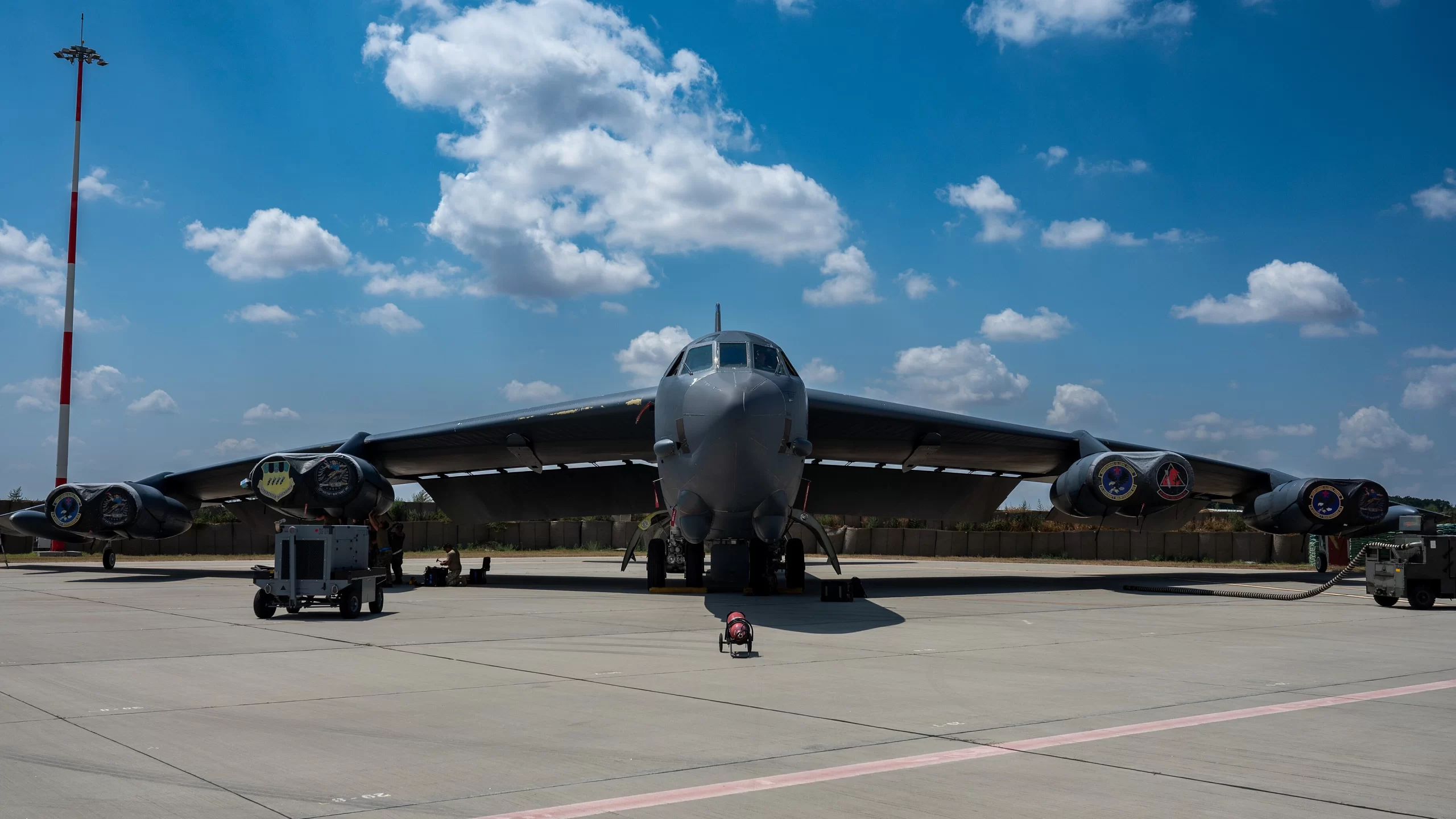
Mihail Kogălniceanu Air Base in southeastern Romania is undergoing a major expansion that will transform it into one of Europe’s largest military air installations. Located approximately 20 kilometers from the Black Sea coast, the base is planned to cover around 3,000 hectares, or roughly 30 square kilometers, once the expansion is completed.
The scale of the project is particularly notable in terms of personnel capacity. The expanded installation is designed to accommodate up to 10,000 military personnel and their families, supported by a dedicated military city with housing, schools, shops, kindergartens and medical facilities.
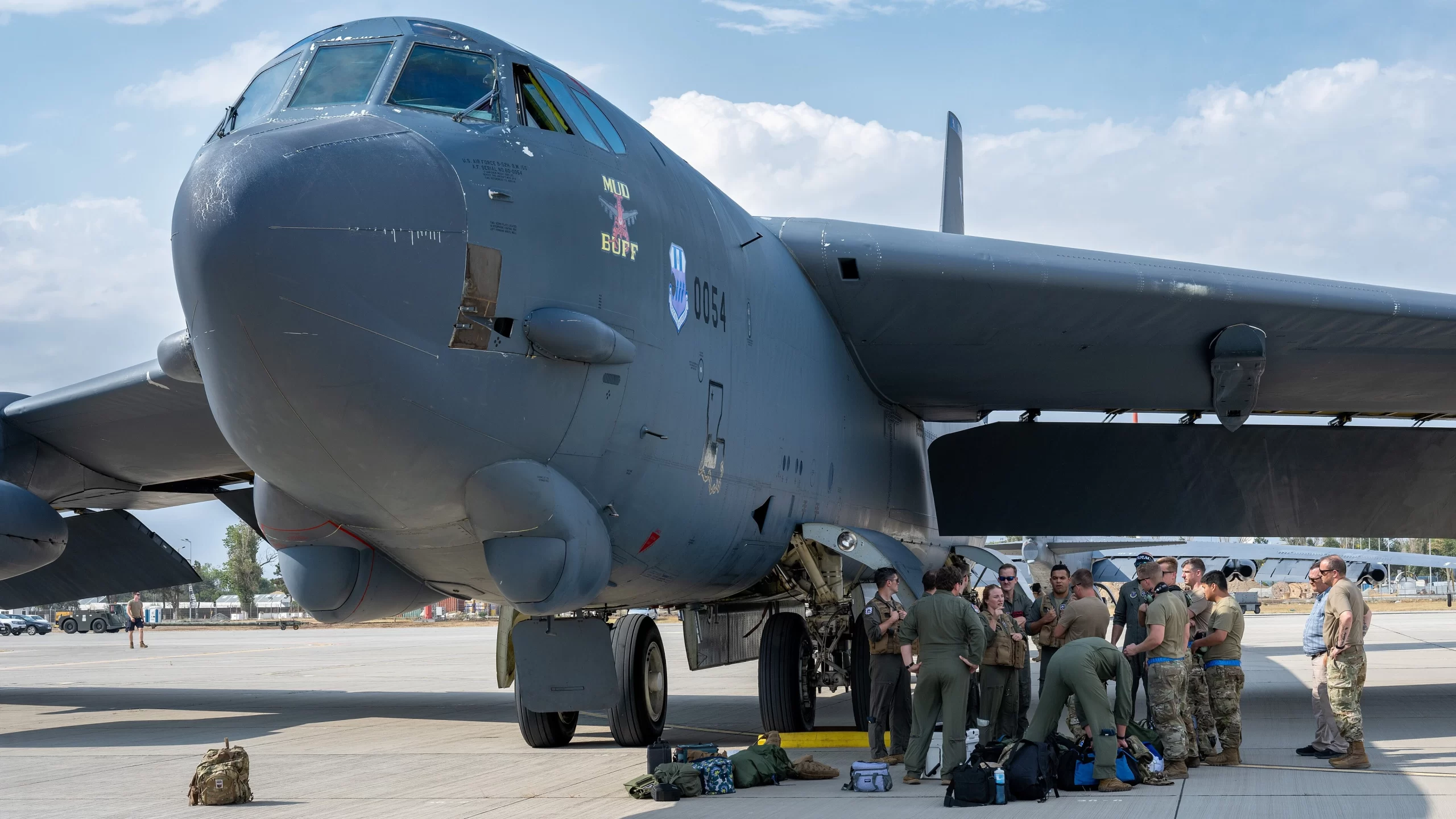
Its aviation infrastructure is also being expanded substantially. The base is planned to feature a new 3.5-kilometer runway capable of supporting large military transport aircraft up to the C-5 Galaxy class, alongside new hangars, fuel storage, ammunition facilities and other operational infrastructure. The site also includes maneuver training areas, live-fire ranges, barracks, medical facilities, logistics infrastructure and a rail connection.
Once complete, the enlarged base will support a permanent Romanian F-16 presence alongside rotational NATO forces, MQ-9 Reaper unmanned aircraft and other allied assets. Its planned capacity and footprint would make Mihail Kogălniceanu larger by land area than Ramstein Air Base, while its proximity to the Black Sea gives it an important role in NATO’s eastern-flank air defense, surveillance and rapid-response operations.
Ramstein Air Base
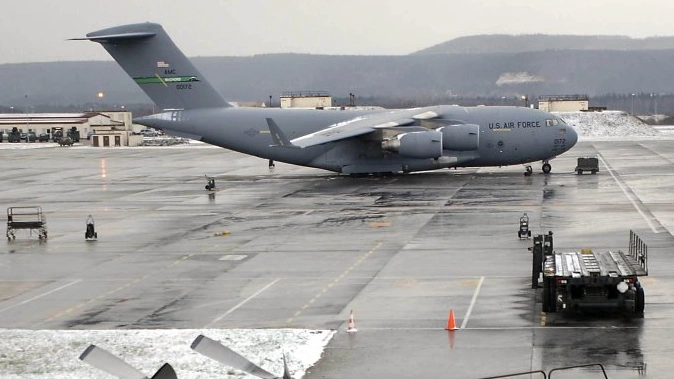
Ramstein Air Base is the largest U.S. Air Force installation outside the United States and one of the most important American military hubs anywhere in Europe. Located in Rhineland-Palatinate, southwestern Germany, the base supports more than 16,200 active-duty personnel and contractors, while the wider Kaiserslautern Military Community includes more than 54,000 U.S. personnel and dependents.
The installation is centered on the 86th Airlift Wing, which provides theater-wide airlift, airdrop and aeromedical evacuation capabilities. Ramstein handles essentially all of the U.S. Air Forces in Europe’s theater airdrop and aeromedical evacuation missions, making it a critical logistics and mobility hub connecting Europe with Africa and the Middle East.
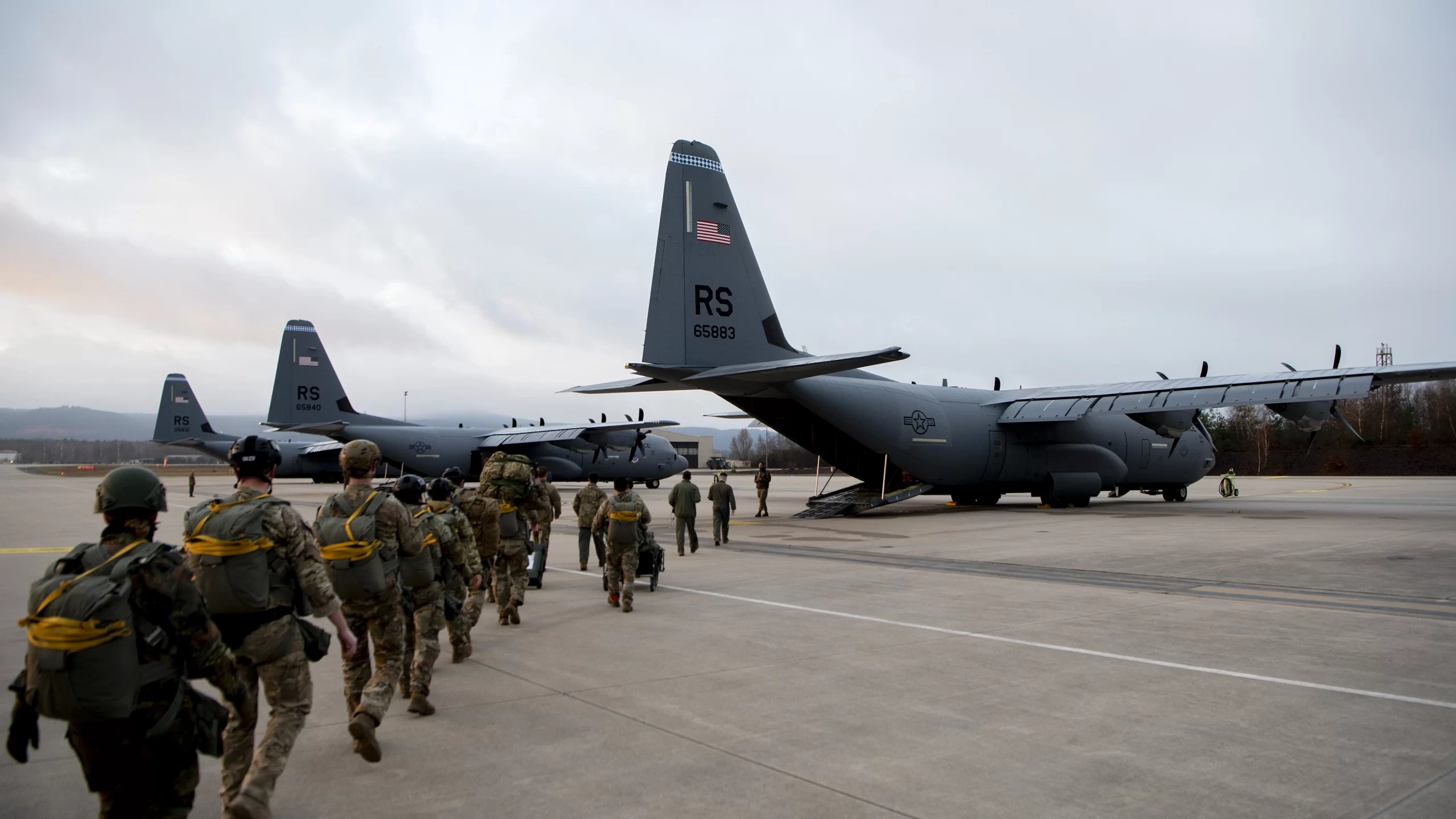
Its scale extends beyond aircraft operations. Ramstein hosts both the headquarters of U.S. Air Forces in Europe–Air Forces Africa and NATO Allied Air Command, bringing two major multinational and U.S. command structures together at the same installation. The base also supports air-defense integration, Space Force operations and major NATO exercises.
The aircraft fleet includes C-130J Super Hercules tactical airlifters, C-21 light transport aircraft and C-37A special air-mission aircraft.