On 7 November 2025, the Supreme Court of India reiterated that the governmental investigation has found that the pilot of the London‑bound Air India flight 171 was at fault for the crash. The accident involving Air India (AI) Flight 171 was the worst in the aviation history of India. The court, hearing a petition by the father of the late Captain Sumeet Sabharwal, Pushkar Raj Sabharwal, advised him that the burden of blame does not fall on the shoulders of Pushkar and that the preliminary report issued by the Aircraft Accident Investigation Bureau (AAIB) does not insinuate pilot fault.
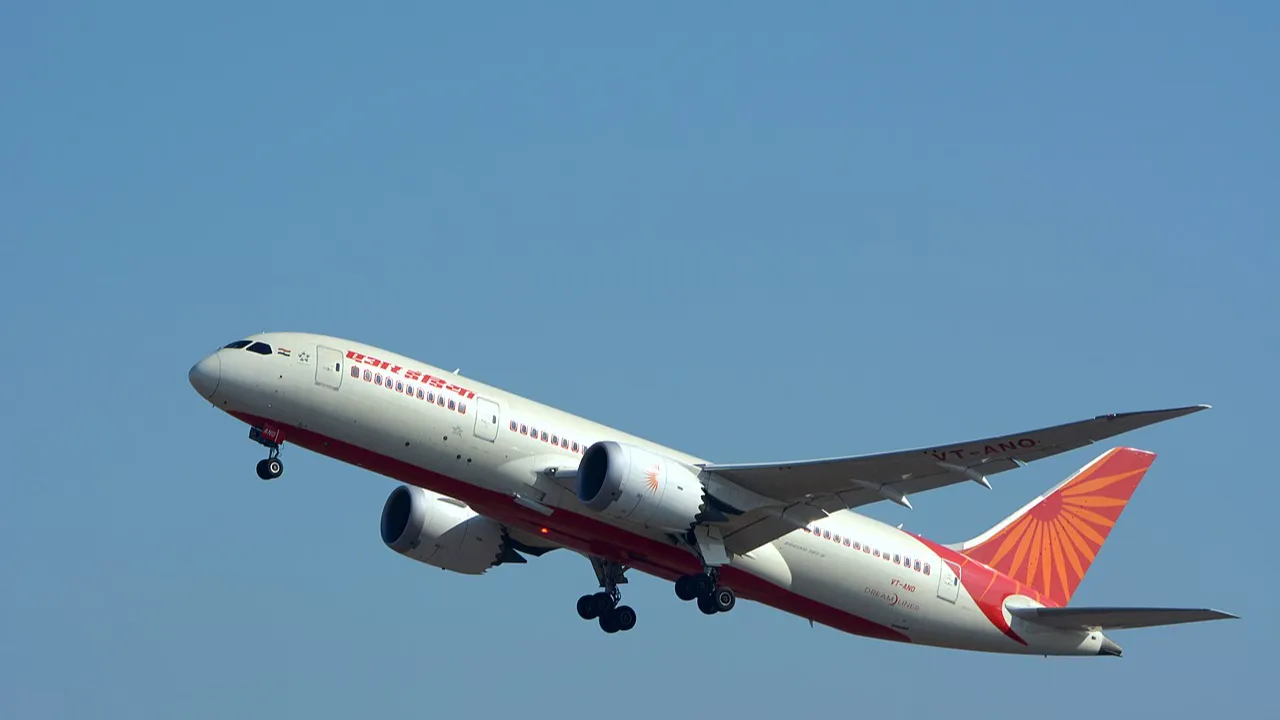
| Air India Flight 1 | Details |
|---|---|
| Aircraft Type | Boeing 787‑8 Dreamliner |
| Registration | VT‑ANB |
| Date of Incident | 12 June 2025 |
| Departure Airport | Sardar Vallabhbhai Patel International Airport (AMD), Ahmedabad |
| Destination Airport | London Heathrow Airport (LHR), London |
| Occupants | 280+ passengers and crew (exact numbers vary by source) |
| Fatalities | Over 250 |
| Phase of Flight | Shortly after take‑off |
| Cause of Incident (preliminary) | Dual engine fuel cutoff due to fuel control switch anomaly; cockpit confusion |
| Cockpit Voice Recorder Findings | One pilot asked if fuel was cut; the other denied; no deliberate action implied |
| Aircraft Age | VT‑ANB first flown in 2015 (approx. 10 years old at crash) |
| Investigation Authority | Aircraft Accident Investigation Bureau (AAIB), India |
| Current Legal Status | Supreme Court hearing ongoing; petition for independent inquiry filed |
| Key Technical Notes | Fuel switch anomaly; no systemic issue found in fleet inspections |
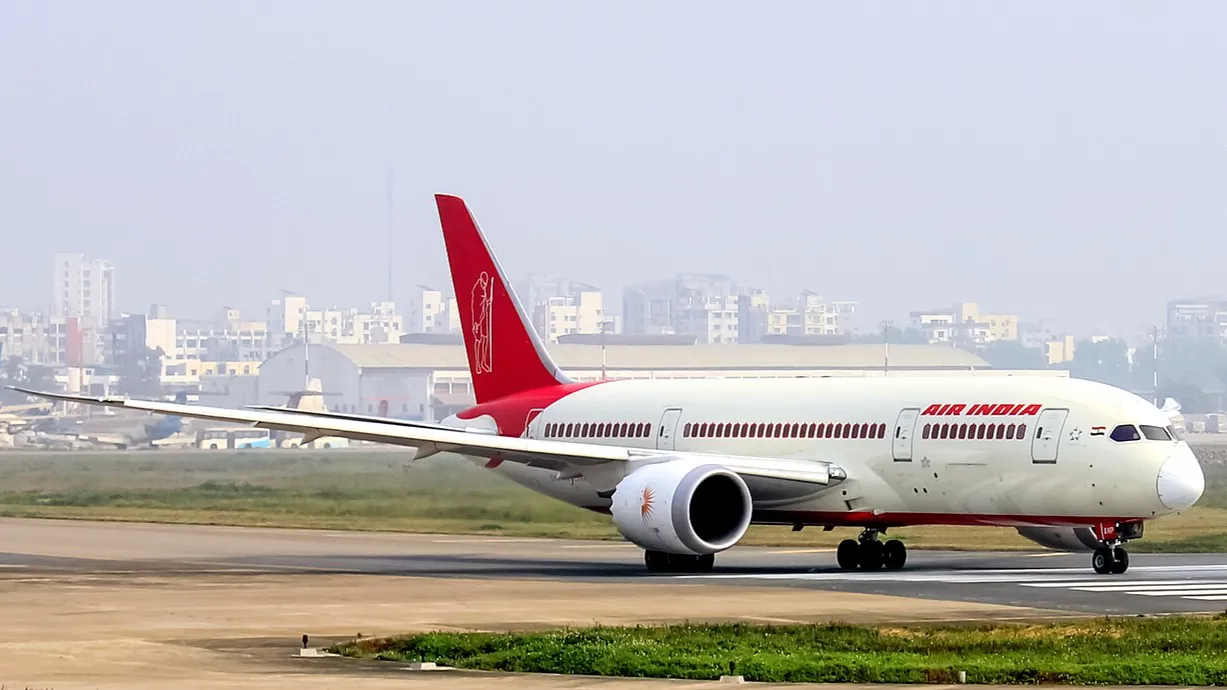
What the Supreme Court said about Pilot Liability in Case of AI 171?
Air India Flight 171 crashed on 12 June 2025 shortly after take‑off from Sardar Vallabhbhai Patel International Airport (AMD), Ahmedabad. The aircraft was bound for one of the busiest airports in the world – London Heathrow (LHR).
The accident led to the loss of lives of over 250 people, and the matter in the Supreme Court of India involves a petition “seeking a judicially monitored investigation into the crash“, reported The Hindu, where the words of senior advocate Gopal Sankaranarayanan (who is also the petitioner) contended that the preliminary findings of the Aircraft Accident Investigation Bureau (AAIB) were “biased and incomplete”. A case was made that the investigation report insinuated Captain Sumeet Sabharwal’s error as the reason behind the crash.
The investigation report read:
“In the cockpit voice recording, one of the pilots is heard asking the other why did he cutoff. The other pilot responded that he did not do so.”
Touching upon this part of the investigation report, Justice Joymalya Bagchi remarked:
“There is just a mention of the cockpit recorder where one pilot asks your son whether he turned off a switch and your son answers in the negative. That is all there is in the report. The main purpose of the investigation is to ensure such incidents do not recur.”
It was reported in The Indian Express, Justice Surya Kant, on the other hand, issued to following statement to the petitioner:
“It’s extremely unfortunate that this accident took place, and this gentleman lost his son. But he should not carry this burden that his son is being accused or blamed or anything… Report also, that language, if at all it is creating this kind of wrong impression, we will clarify. Nobody can blame him for anything. There is no question,”
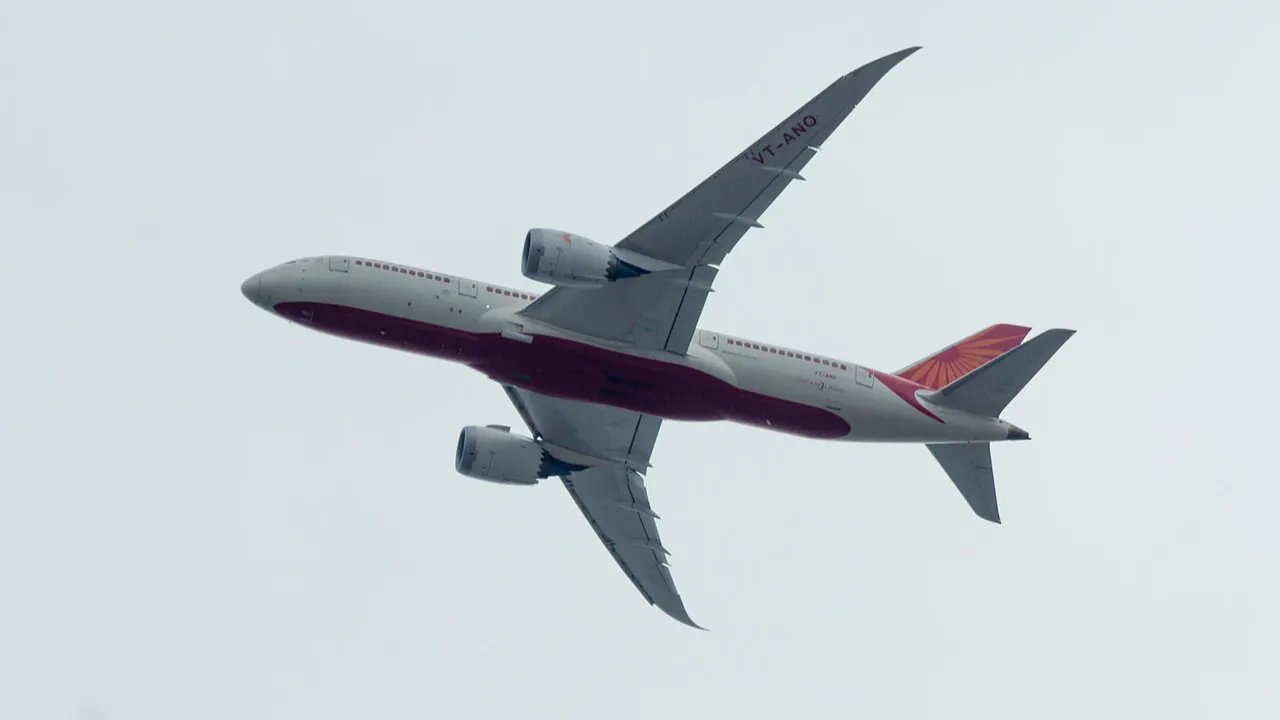
Did the crash and immediate investigation of AI 171 blame the pilot?
Let’s have a look at Captain Sumeet Sabharwal’s piloting qualifications:
| Attribute | Captain (56/Male) |
|---|---|
| Type Endorsements | PIC: TB 20, BE, C152, A310, B787, B777 |
| License | ATPL License holder |
| Date of Class I Medical Exam | 05 Sept 2024 |
| Date of Issue of License | 14-May-2021 |
| Validity of License | 14-May-2026 |
| Total Flying Experience | 15,638:22 Hrs |
| Total Flying Experience as PIC on Type | 8,260:43 Hrs |
| Total Flying Experience on Type | 8,596:43 Hrs |
| Total Flying Experience during last 24 hours | 00:00 Hrs |
| Total Flying Experience during last 07 days | 07:12 Hrs |
| Total Flying Experience during last 30 days | 56:58 Hrs |
| Total Flying Experience during last 180 days | 262:58 Hrs |
According to the Investigation report, at 08:08:33 UTC, the Boeing 787 Dreamliner involved in the accident crossed the take-off decision speed V1 and achieved 153 kts IAS. At 08:08:35, the Enhanced Airborne Flight Recorder (EAFR) data pointed to the Vr speed (155 kts). It was also reported that the aircraft air/ground sensors transitioned to air mode, consistent with liftoff at 08:08:39
UTC. The report further says:
“The aircraft achieved the maximum recorded airspeed of 180 Knots IAS at about 08:08:42 UTC and immediately thereafter, the Engine 1 and Engine 2 fuel cutoff switches transitioned from RUN to CUTOFF position one after another with a time gap of 01 sec. The Engine N1 and N2 began to decrease from their take-off values as the fuel supply to the engines was cut off. In the cockpit voice recording, one of the pilots is heard asking the other why did he cutoff. The other pilot responded that he did not do so.”
The initial report doesn’t mention the probable causes of the accident, nor does it mention whom the blame of the accident can be attributed to. At the time of the publication of the report, The EAFR data was being analyzed in detail, and based on the initial leads, additional details were being gathered. Here are snippets of the progress at the time the report was published:
- Engines recovered from the crash site and secured in a hangar at the airport for further examination.
-
No specific actions or directives recommended for operators of the Boeing 787‑8 or the GE GEnx‑1B engines, nor for their manufacturers.
-
The investigation team actively reviewing additional evidence, records, and information being requested from relevant stakeholders.
Despite the fact that the preliminary report did not show if any of the pilots cut-off the engine supply. The Wall Street Journal, however, is said to have insinuated that the pilot was at fault for the crash of AI 171 as the publication citied people familiar with US officials’ early analysis of AI 171’s evidence:
“The first officer who was flying the Boeing 787 Dreamliner asked the more-experienced captain why he moved the switches to the “cutoff” position after it climbed off the runway, these people said…The first officer expressed surprise and then panicked, these people said, while the captain seemed to remain calm.”
The publication further claimed that when a press officer for India’s Ministry of Civil Aviation and AAIB were asked to comment on their piece, they labelled it one-sided and refused any offers for commentary. The Telegraph Online, on the other hand, cited aviation experts assessment that the investigation carried out by the Aircraft Accident Investigation Bureau (AAIB) has language that “appears carefully chosen”:
“The report states the switches “transitioned” from run to cutoff, a phrasing that, while technically correct, implies human action without stating it outright. Multiple pilots have said the switches cannot move on their own. They point out that the one-second lag between the two switches being flipped is consistent with manual operation.”
Perhaps it was this insinuation made by WSJ that prompted the petitioners to draw attention to a fraction of people trying to apportion the blame to the pilots. The Bench at the Supreme Court advised the petitioners to not pay attention to such allegations:
“Then your suit should have been against the Wall Street Journal in an American court….We are not bothered by foreign reports. Your remedy should then be before a foreign court…That is nasty reporting. No one in India believes it was the pilot’s fault.”
In turn, the petitioner argued that persistent safety concerns surrounding Boeing aircraft – the previous examples of which were the faulty MCAS system that grounded the MAX aircraft – necessitated “a truly independent probe” into the crash of AI 171. In response to this, Justice Bagchi, however, pointed out that questioning the independence of the investigation would imply that the statutory framework itself was at fault:
“If you challenge the investigation, you have to challenge the statutory provisions of the Act,”
The inquiry of AI 171 was led by AAIB and had the participation of the following:
- US National Transportation Safety Board
- UK’s Air Accidents Investigation Branch
- Boeing representatives
Here are a few key aspects of the petition filed:
| Aspect | Details |
|---|---|
| Petitioners | Pushkaraj Sabharwal and a group of pilots |
| Main Concern | The Ram Air Turbine (RAT) deployed seconds after take-off, an emergency event that occurs only when both primary and auxiliary power are lost. This was also observed in another Air India flight recently. |
| Core Argument | The event indicates a serious systems failure rather than any pilot error |
| Criticism of Investigation | The initial investigation appears focused on the pilots’ conduct, who are no longer alive to respond, while neglecting technical and software-related possibilities |
| Technical Concerns | Possible software or avionics faults within the Boeing 787’s integrated digital control architecture |
| Related Global Issues | Similar electrical or control system anomalies have been reported in the Boeing 787 model worldwide |
| Missing Steps | No independent forensic analysis or fault-injection testing has been conducted to verify or eliminate potential system faults |
| Petition’s Request | Establishment of a judicially monitored inquiry led by a former Supreme Court judge and aviation experts |
| Objective | To ensure transparency, credibility, and public safety in the investigation process |
| Warning | A rushed or incomplete probe could unfairly assign blame to the deceased pilots and risk future passenger safety if systemic issues remain undetected |
Source: Hindustan Times
Air India’s previous aviation events of similar nature
Air India hasn’t suffered a major crash for a long-time,a s the table below highlighting the major crashes sthe carrier has been involved in show:|
| Year | Flight No. | Aircraft Type | Location | Fatalities | Summary & Reference |
|---|---|---|---|---|---|
| 2020 | IX 1344 (‑Express) | Boeing 737‑800 | Kozhikode (CCJ), Kerala, India | 21 of 190 | Runway overrun in heavy rain at tabletop runway. |
| 2010 | IX 812 (‑Express) | Boeing 737‑800 | Mangalore (IXE), Karnataka, India | 158 of 166 | Overshot runway on landing, hillside crash. |
| 1985 | AI 182 | Boeing 747‑237B | Atlantic Ocean, off Ireland | 329 (all onboard) | Bombing terror attack, deadliest in Air India history. |
| 1978 | AI 855 | Boeing 747‑237B | Arabian Sea, near Mumbai (Bombay) | 213 (all onboard) | Instrument failure and spatial disorientation after take‑off. |
None of these accidents show the crash of a Boeing 787- after all the crash of AI 171 was the first crash involving a 787.
A few footnotes on the Air India Flight AI171
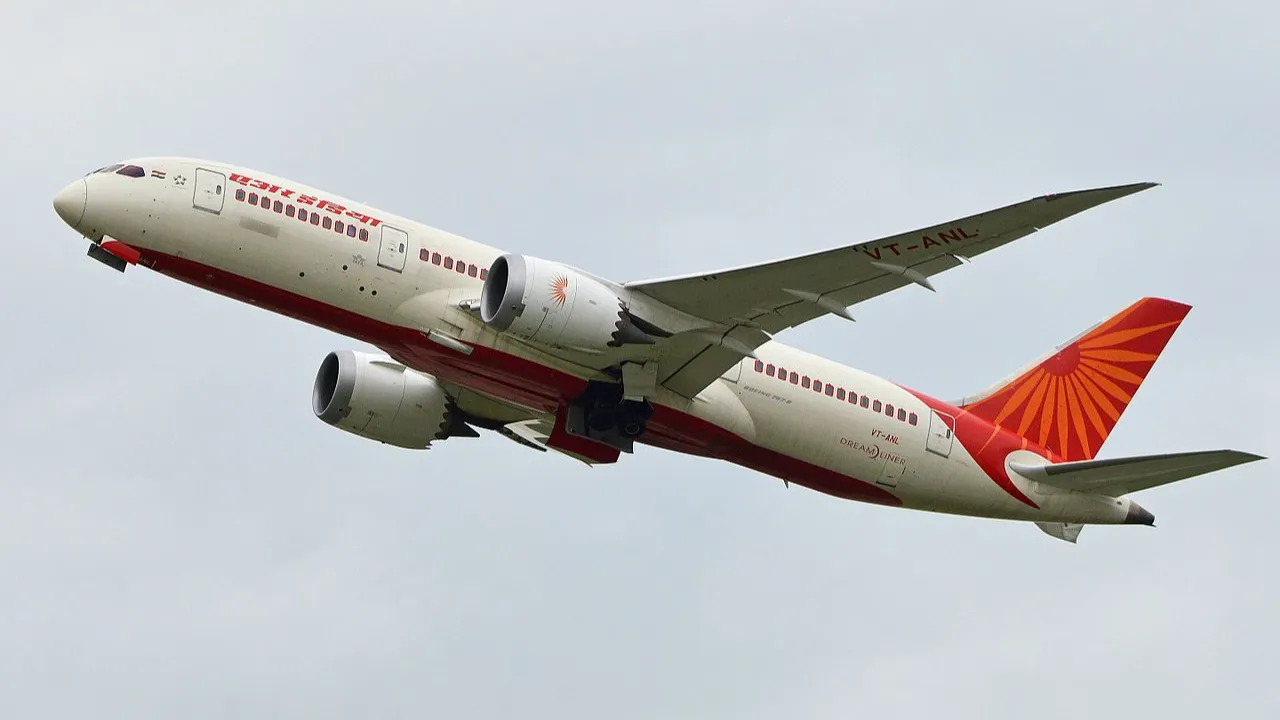
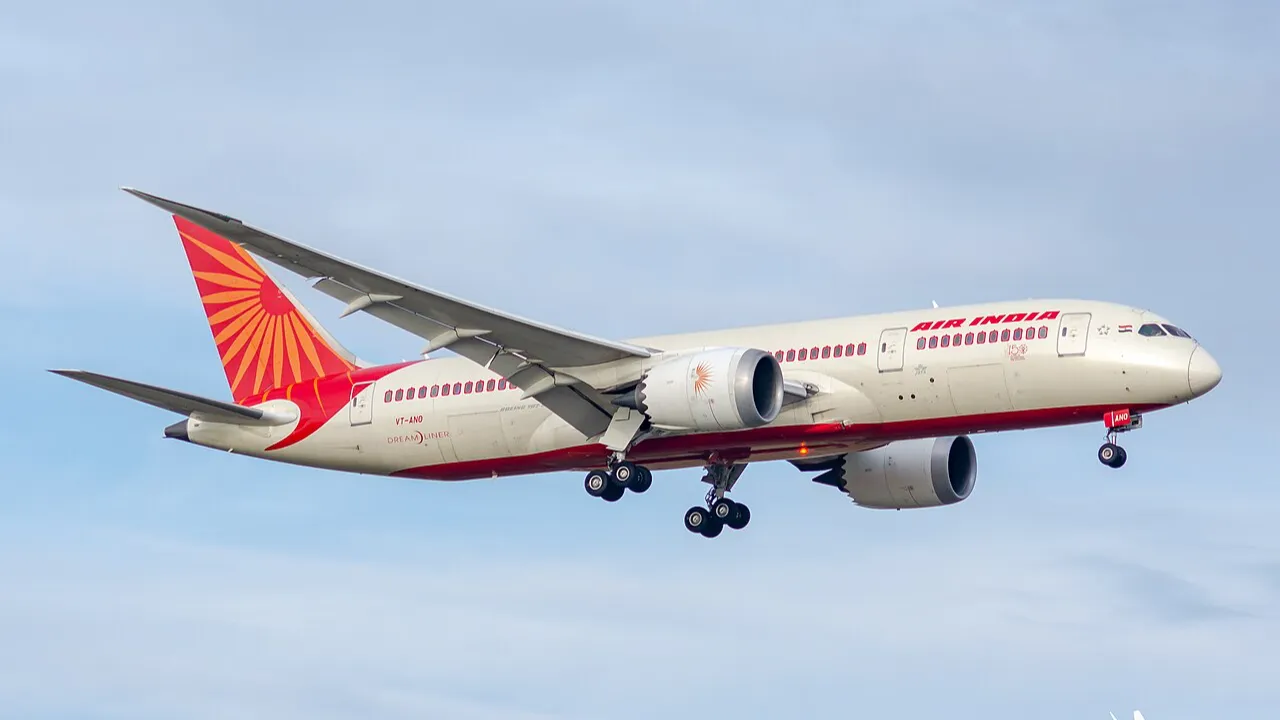
None of these accidents show the crash of a Boeing 787- after all the crash of AI 171 was the first crash involving a 787. Air India operates 32 Boeing 787 Dreamliners, and the specifics of the types are shown here.
| Aircraft Type | In Service | Parked | Total | Historic | Avg. Age | Total Fleet |
|---|---|---|---|---|---|---|
| Boeing 787‑8 Dreamliner | 22 | 4 | 26 | 1 | 11.3 Years | 27 |
| Boeing 787‑9 Dreamliner | 6 | 0 | 6 | 3 | 4.7 Years | 10 |
| Feature | Business Class | Economy |
|---|---|---|
| Layout & Configuration | 18 Zodiac Aura Lite seats in a 2-2-2 configuration; convert to 6′ 4″ fully lie-flat beds | 241 Safran Z300 seats in a 3-3-3 configuration across three cabins |
| Seat Specs | Pitch: 76″ • Width: 20″ | Pitch: 32″ • Width: 17.1″ • Recline: 6″ |
| Entertainment | 15.4″ touchscreen display | 10.6″ touchscreen display |
| Power Options | Universal AC + USB-A sockets | Shared Universal AC + USB-A sockets |
| Extra Features | Privacy screen between neighbouring seats | — |

.jpg)

.jpg)
.jpg)
_(51811148072).jpg)