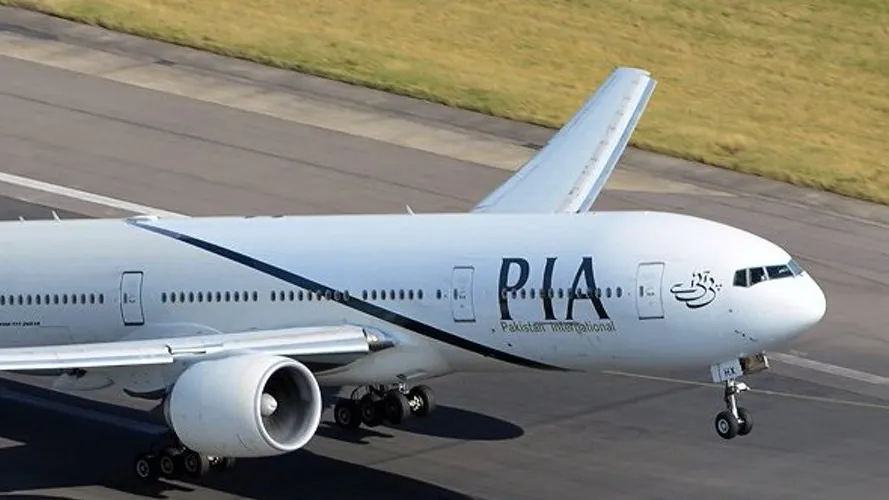

Dozens of flights have been delayed or cancelled as engineers withheld clearances for aircraft they deemed unairworthy. The airline resorted to alternative engineering teams, which managed to clear only two aircraft, highlighting the depth of the operational disruption.
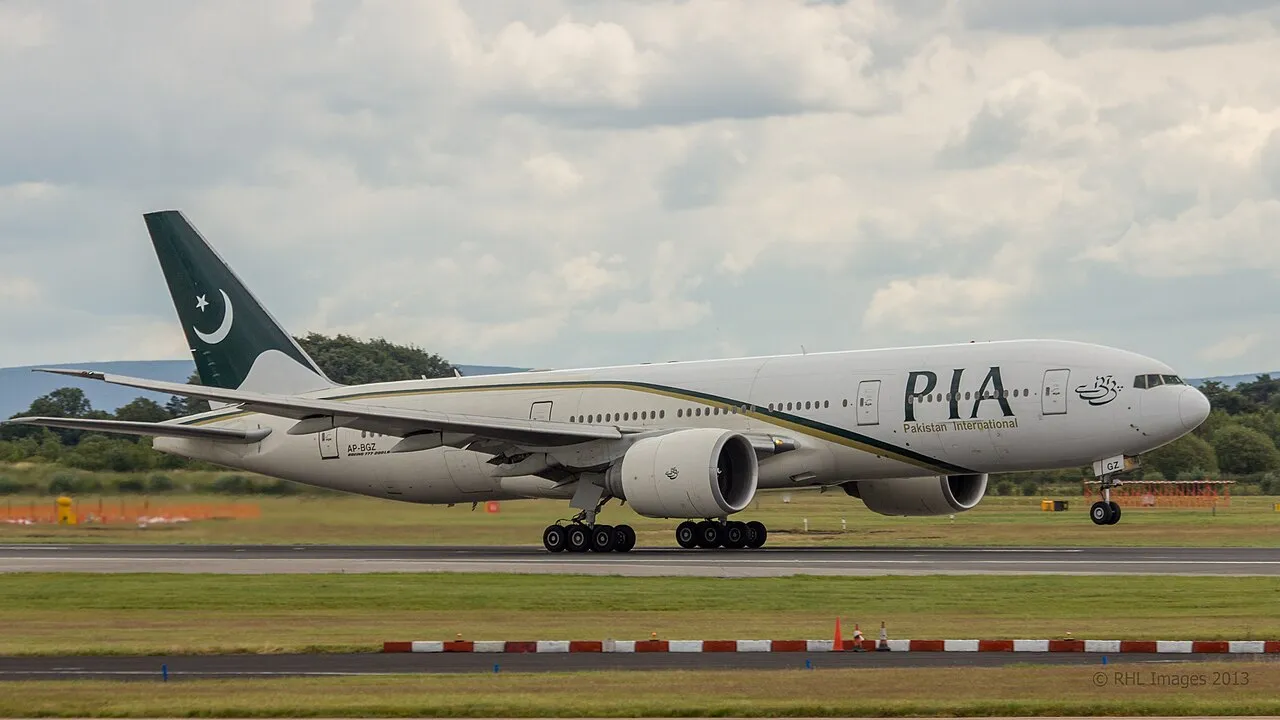
A Standoff Between Pakistan International Airlines and Aircraft Engineers Association of Pakistan
The PIA management claims that the SAEP has no legal standing. It is said that the Pakistani media has referred to the halt of operations as “Chakka Jaam” [a phrase that can be loosely translated as a closing f operations due to protests, though its literal translation is “jammed tyres”].
PIA management has claimed that SAEP is “using safety as an excuse to collectively stop work is a planned attempt to derail PIA’s privatization” and claimed in a post in X that it had “tried to halt the operations during late hours of last night with their nefarious design to sabotage the privatization process“:
“Management team alongwith key post holders of Engineering Dept. immediately responded. By using alternative means and working tirelessly overnight and the day, restored the ops, thus mitigating the impact of already delayed flights for subsequent operations.”
However, the e-paper Dawn reported that engineers from Pakistan had been silently protesting the issue by wearing black ribbons on their arms, as a show of protest. On November3, however, “they refused to give clearance to aircraft that were causing delays“. SAEP is an association of 570 aircraft engineers associated with the Pakistani flag carrier. SAEP president Abdullah Jadoon told the same source that the organization “vowed to continue it until their demands were fulfilled”:
Earlier today, a senior SAEP member had denied that the society was staging a strike. They insisted that the engineers were only adhering to mandatory safety and certification protocols as per their responsibilities. “Unfortunately, instead of addressing long-pending professional and financial concerns, the PIA management has chosen to label lawful compliance as disruption, which is misleading,” the SAEP member said.
In turn, PIA’s CEO asserted that the Pakistan Essential Services (Maintenance) Act, 1952 applies at the Pakistan International Airlines, too making strikes illegal. and warned that those responsible will face legal consequences, reported Business Recorder:
“The SEAP has no legal standing. Using safety as an excuse to collectively stop work is a planned attempt to derail PIA’s privatisation,” the spokesperson said, adding that the airline’s operations fall under the Essential Services Act, making such strikes or walkouts a punishable offence.”
Even the United States has a parallel to Pakistan Essential Services Act which is why the Air Traffic Controllers in the United States, despite receiving a paycheck of $0 are still working, though this is grave concern. US Airlines are providing free meals to the ATCs in return.
Delta, United, and JetBlue Offer Free Meals to Air Traffic Controllers Working Without Pay

What is the way out for Pakistan International Airlines?
PIA has set its sights on getting privatized. This would mark this country, which is said that is unlike others, is not a nation which has an army but an army without a nation, see its first privatization, with “divestment of loss-making state firms a central plank of last year’s bailout”.
The companies that have participated in the privatisation process of PIA are:
- Arif Habib Limited
- Fauji Fertiliser Company (FFC)
- Air Blue
- Lucky Group
To draw a parallel with the nation we’ve previously touched upon, it has also been suggested to Nepal Airlines Corporation to get privatized to solve its financial problems.
Nepal Airlines Corporation History: First Hijacking in Nepal
PIA spokesperson have commented that it would be taking legal against all individuals involved in or supporting SAEP’s actions (which it deems to be illegal) would be “dealt with according to the law”.


_(2).jpg)
.jpg)
.jpg)