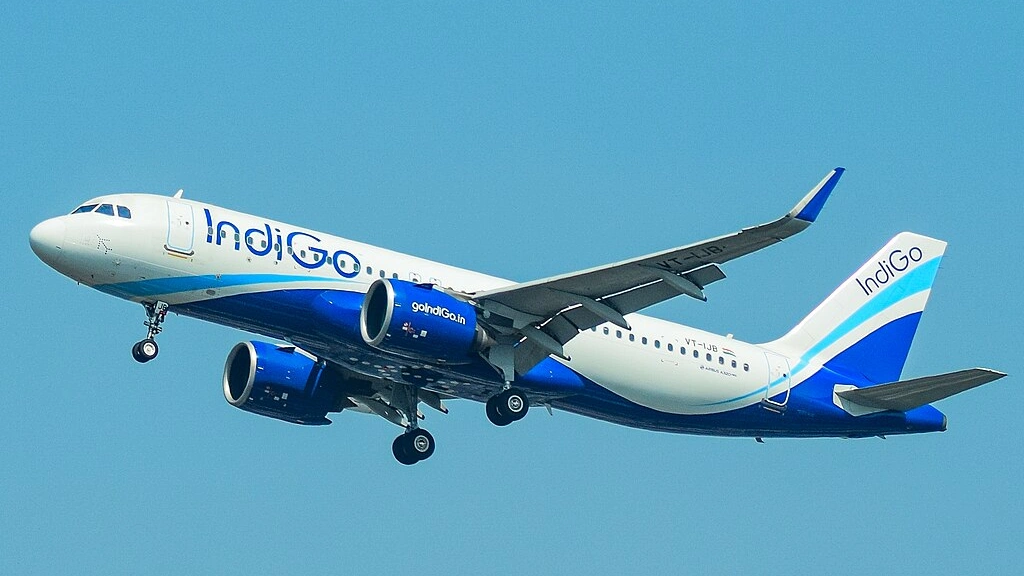
India’s largest carrier by domestic market share, IndiGo (6E), has announced the temporary suspension of flights to six international destinations, citing a combination of softened seasonal demand and what the airline described as an “incredibly challenging cost environment“. The budget carrier will halt services to Langkawi, Krabi, Ho Chi Minh City, Hong Kong, and Shanghai effective July 1, 2026, with Siem Reap following two days later on July 3, and all six routes remaining suspended until September 30, Hindustan Times reported.
IndiGo stated that the decision was taken in view of traditionally softer demand in the upcoming quarter, and that the airline stands prepared to reinstate these services earlier than scheduled if conditions improve, with bookings for all impacted routes reopening on October 1. Despite the retrenchment, the carrier maintained that it has retained the majority of its international operations, continuing to operate over 1,800 weekly international flights even after this realignment.
Why IndiGo Is Cutting Six International Routes This Summer
The decision to suspend these routes was driven by a confluence of rising operating costs, continued airspace restrictions, and what IndiGo characterised as a “proactive measure to manage capacity responsibly while minimising inconvenience to passengers.”
The cost pressures facing IndiGo have intensified significantly since early March 2026, when the closure of the Strait of Hormuz by Iran in response to the US-Iran military conflict pushed aviation turbine fuel (ATF) prices sharply higher, inflating the airline’s operating bill almost overnight. IndiGo first responded on March 14, 2026 by introducing a flat fuel surcharge, but fuel prices continued to climb, prompting the airline to revise the levy upward again from April 2, 2026.
According to IATA, fuel prices in the region surged by more than 130 per cent month-on-month, forcing carriers to recalibrate their pricing structures. For a low-cost carrier such as IndiGo, where fuel has historically represented a disproportionately large share of total costs, the impact is especially acute.
IndiGo’s Six Suspended Destinations
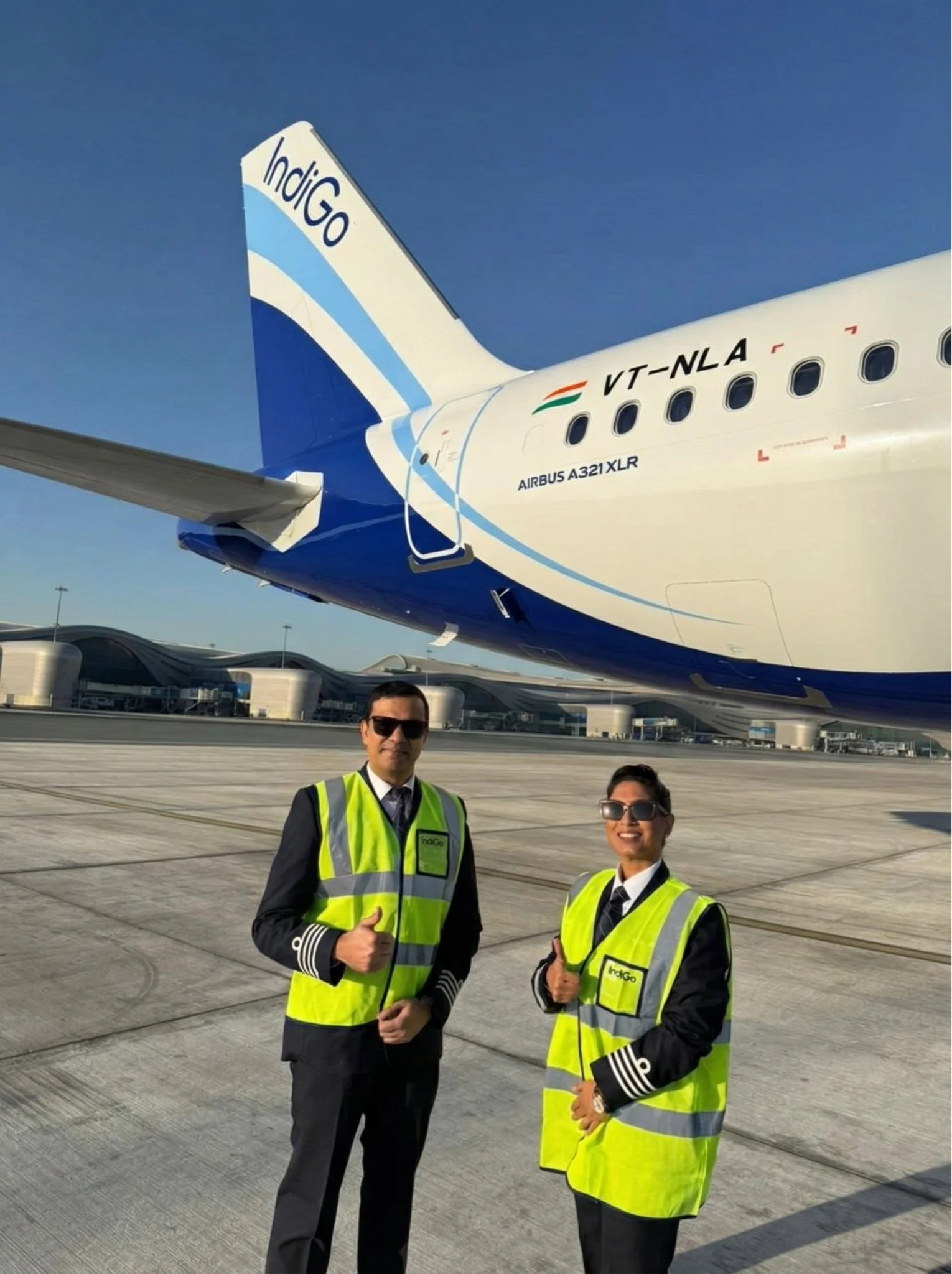
IndiGo will suspend services to Langkawi, Krabi, Ho Chi Minh City, Hong Kong, and Shanghai starting July 1, 2026, while its Siem Reap service will be halted from July 3, with all routes under suspension until September 30.
The affected destinations span Southeast Asia and East Asia:
- Langkawi, Malaysia — Langkawi International Airport (LGK): Suspension effective July 1, 2026
- Krabi, Thailand — Krabi International Airport (KBV): Suspension effective July 1, 2026
- Ho Chi Minh City, Vietnam — Tan Son Nhat International Airport (SGN): Suspension effective July 1, 2026
- Hong Kong — Hong Kong International Airport (HKG): Suspension effective July 1, 2026
- Shanghai, China — Shanghai Pudong International Airport (PVG): Suspension effective July 1, 2026
- Siem Reap, Cambodia — Siem Reap–Angkor International Airport (SAI): Suspension effective July 3, 2026
IndiGo’s statement noted that “these measured changes are designed to align capacity with current market conditions and demand trends, while ensuring the airline maintains reliability and network integrity across its global destinations.”
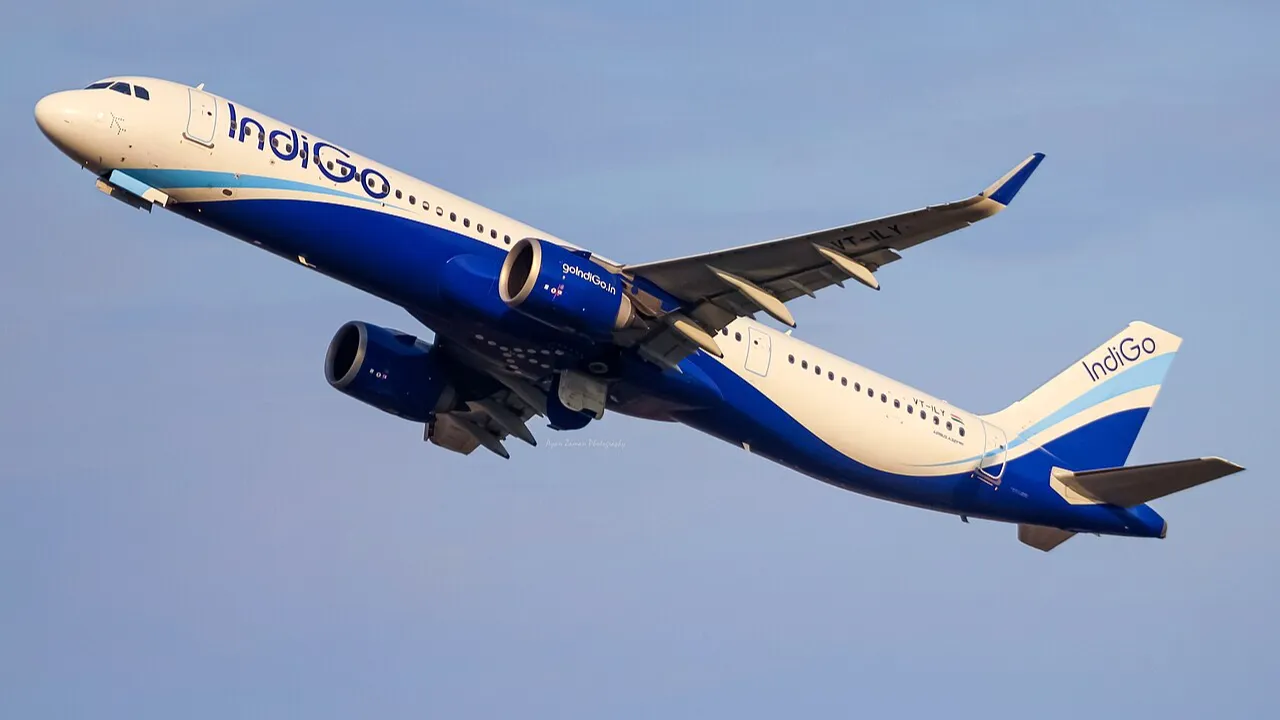
The Airspace and Fuel Crisis Reshaping Indian Aviation
The operating environment confronting IndiGo in mid-2026 is arguably among the most punishing in the carrier’s history since the pandemic. A major reduction in large-capacity aircraft operations has been initiated across Indian carriers, driven by a combination of escalating jet fuel prices, prolonged flight trajectories necessitated by international airspace restrictions, and severe foreign exchange volatility.
Fuel costs represent the single largest expense item in an airline company’s total cost structure, and IndiGo has previously acknowledged that a 15 per cent improvement in fuel consumption translates into significant cost savings — underscoring just how sensitive the carrier’s margins are to any upward movement in ATF prices.
For international routes such as those to Europe, the revised fuel surcharge added as much as ₹10,000 per leg, equivalent to ₹20,000 on a round trip. The arithmetic is far more punishing for thin-margin routes in Southeast Asia, where ticket prices are structurally lower and load factor variability through July-September is historically pronounced.
Air India has faced parallel pressures. Widespread reductions in wide-body frequencies have been sustained by Air India for identical reasons, alongside short-term scheduling cutbacks in the domestic networks of both leading operators.
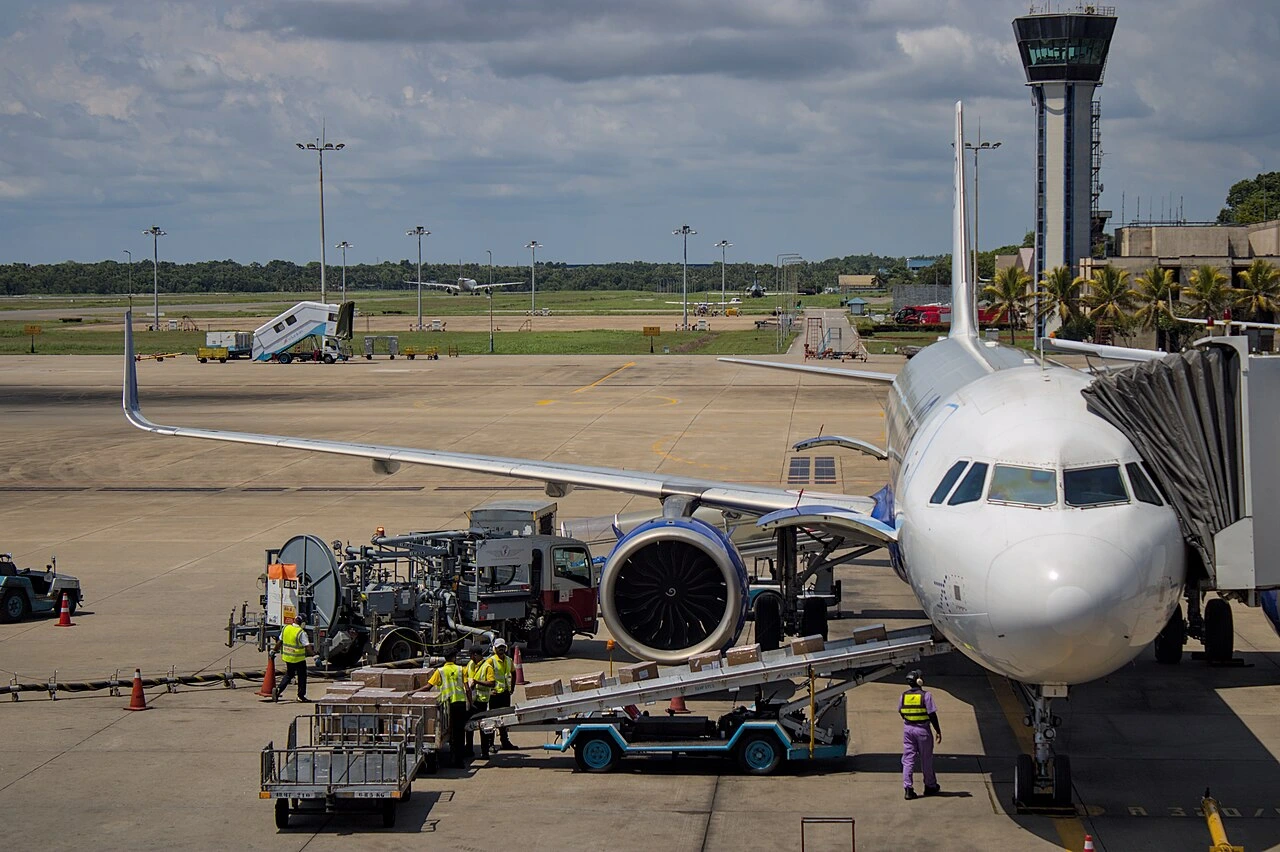
What Happens to Affected Passengers?
IndiGo has indicated that it stands prepared to reinstate the suspended services earlier than scheduled, in appropriate lead time, subject to an improved operating environment. The carrier has not published specific rebooking or refund terms in its public statement for this particular suspension, though it has consistently offered alternatives in prior disruptions.
In analogous situations such as the Manchester suspension, IndiGo stated that affected passengers would be informed in advance and provided with alternate travel options or refunds where applicable. Passengers on impacted routes to Langkawi, Krabi, Ho Chi Minh City, Hong Kong, Shanghai, and Siem Reap should contact IndiGo’s customer service or visit the airline’s official website at www.goindigo.in to explore rebooking options or request refunds.