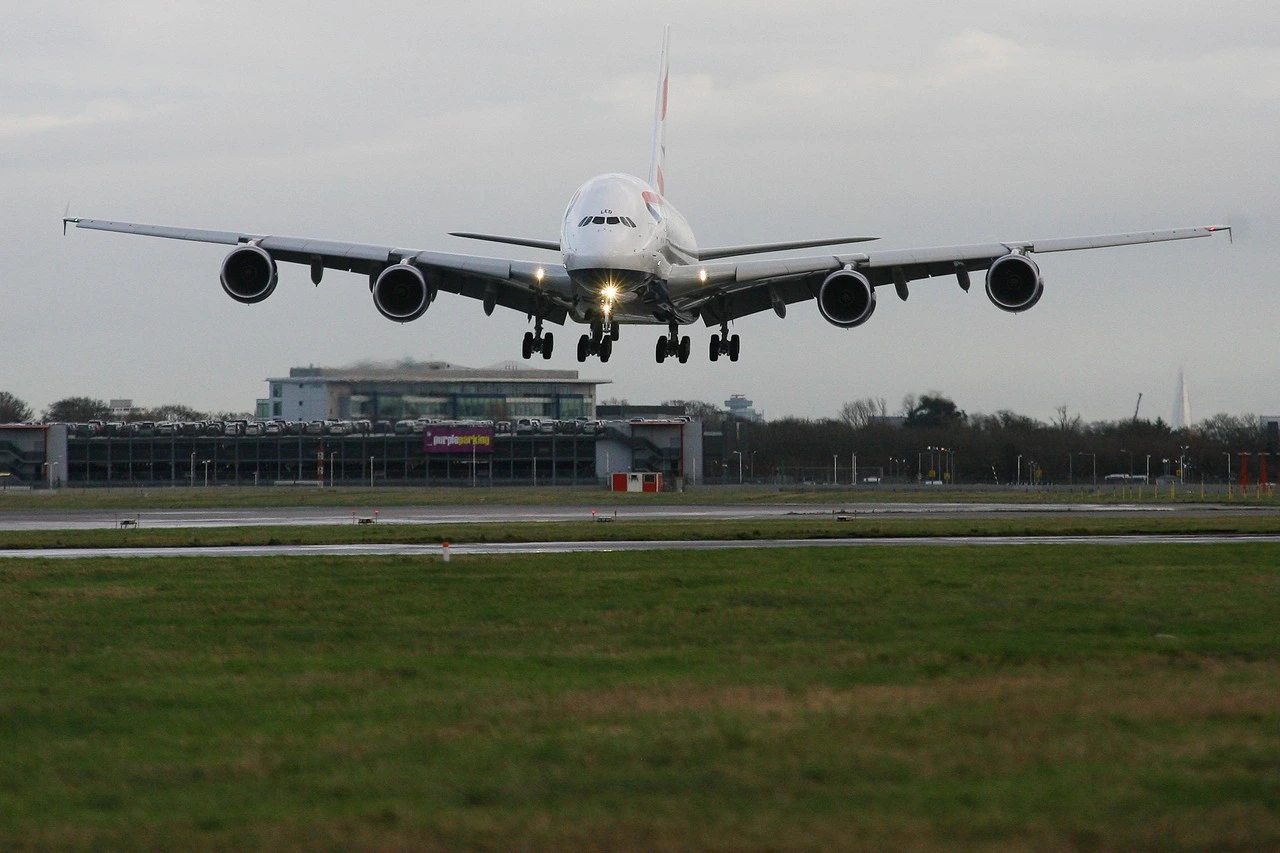
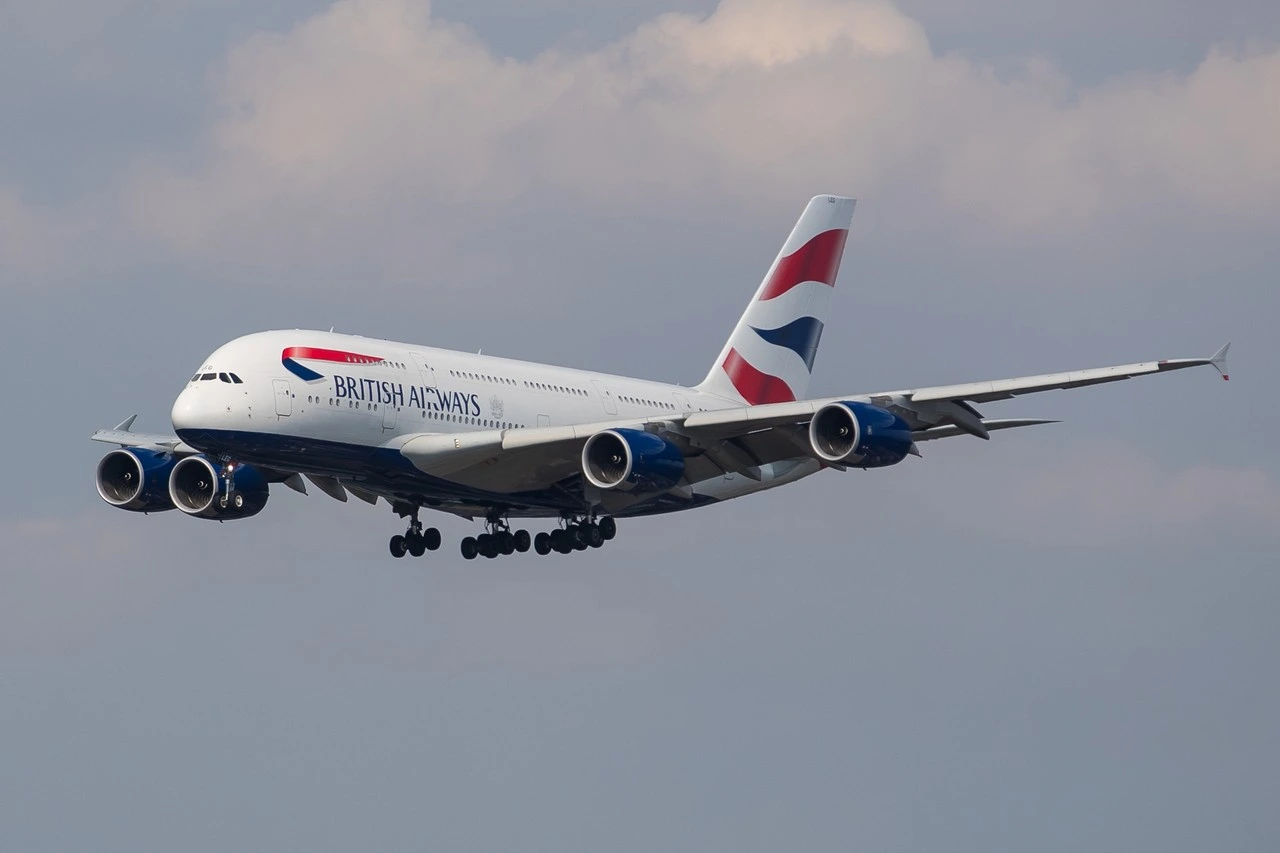
British Airways (BA) has stopped flying the Airbus A380 to seven destinations from London Heathrow Airport (LHR) since the superjumbo joined the fleet in August 2013. Schedule data covering August 2013 to June 2026 shows the affected cities are Chicago, Doha, Frankfurt, Hong Kong, Madrid, Vancouver, and Washington Dulles, Simple Flying reported. Together, these seven routes covered 22,741 network miles across eight airports.
The withdrawals stretch back more than a decade and reflect different causes, ranging from the COVID-19 pandemic to short crew-training assignments and a one-off deployment for the 2022 FIFA World Cup. British Airways still operates 12 of the double-deckers, all based at Heathrow, and the type remains central to its long-haul premium strategy even as it disappears from these specific city pairs.
The Seven Routes BA No Longer Flies with the A380
Cirium Diio schedule data that was cited by Simple Flying shows exactly when the A380 came and went on each route. Two markets that might look like omissions are intentionally excluded: Dallas/Fort Worth returned to A380 service in May 2026 after a gap since March 2025, and Singapore Changi Airport (SIN) is due to get the aircraft back in September 2026.
The seven dropped routes are:
- Chicago O’Hare International Airport (ORD): 2018–2019, then 2022–2023
- Doha Hamad International Airport (DOH): 2022–2023
- Frankfurt Airport (FRA): 2013 and 2021, both periods tied to crew training
- Hong Kong International Airport (HKG): 2013–2020
- Adolfo Suárez Madrid–Barajas Airport (MAD): 2021, also a crew-training assignment
- Vancouver International Airport (YVR): 2016–2019, then briefly in 2022
- Washington Dulles International Airport (IAD): 2014–2020, then 2022–2025
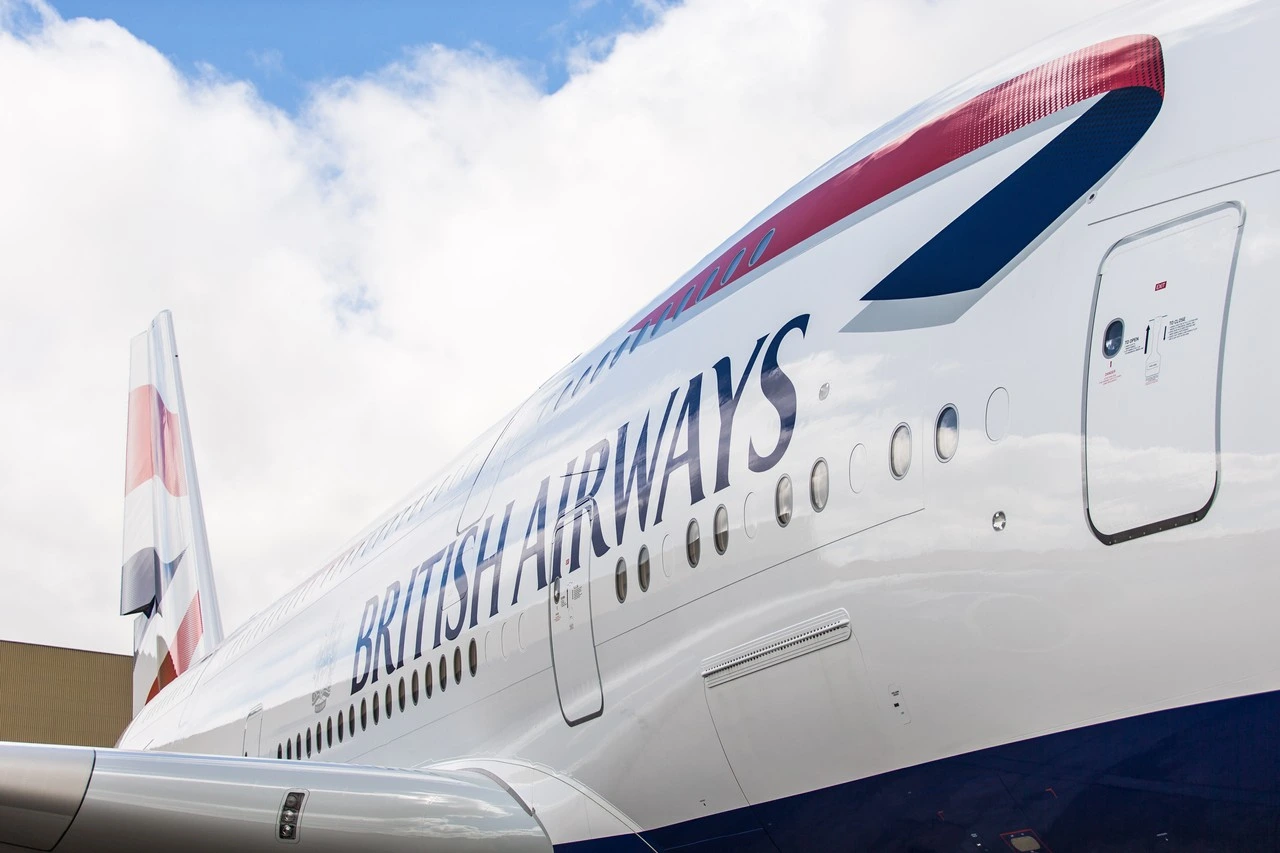
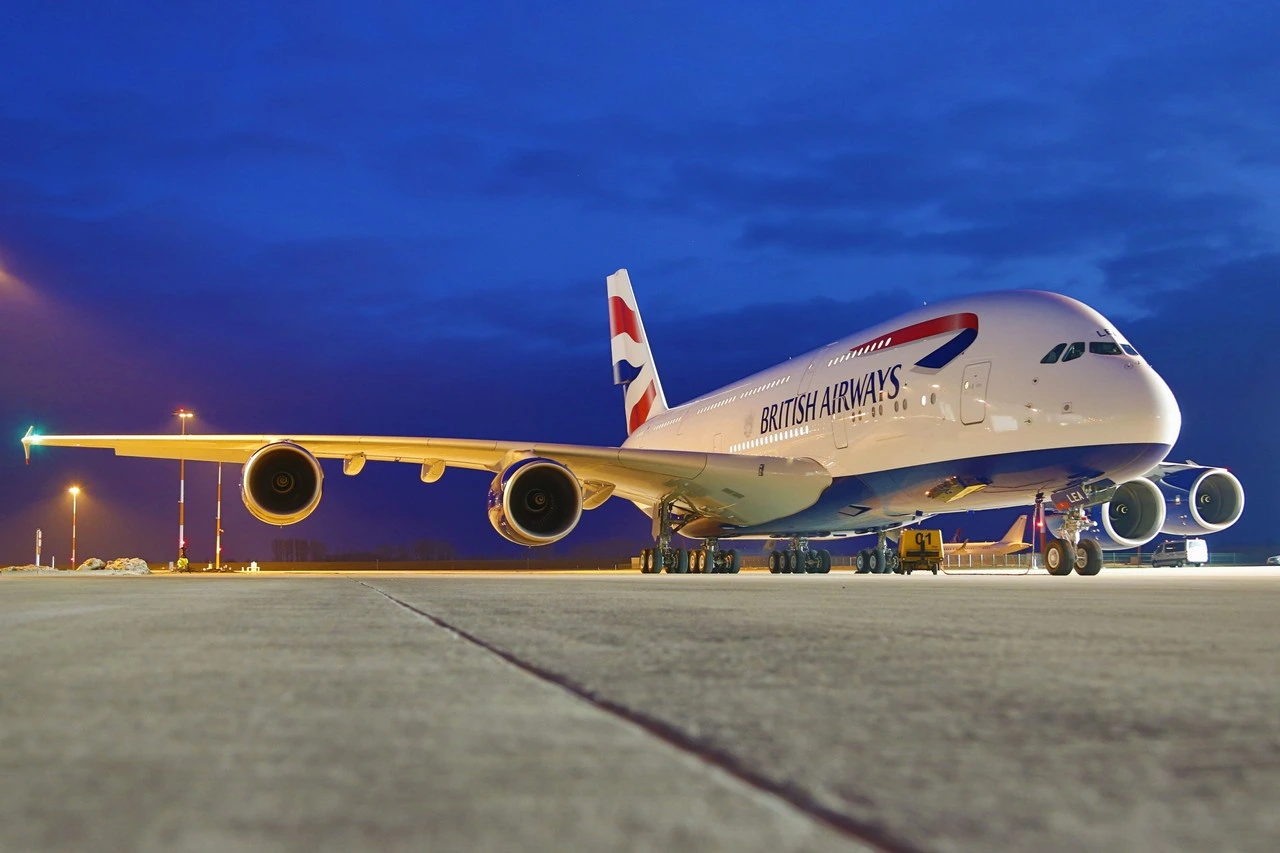
BA’s 12 A380s now average roughly 12 years old, according to ch-aviation. The first aircraft, registered G-XLEA, arrived in July 2013, and the last, G-XLEL, was delivered in June 2016.
Hong Kong Was BA’s Busiest A380 Market by Far
Hong Kong tops the list of lost routes by volume. BA flew the A380 there 2,329 times, more than any other route the aircraft has since left. For years before the A380 arrived, BA ran up to three daily flights to Hong Kong, mostly on the Boeing 747-400. The carrier’s last 747-400 service to the city ran in October 2013, just days after the A380 took over.
Hong Kong’s importance to BA has shrunk since then. COVID-19 border closures, the growing dominance of mainland Chinese carriers in the market and rerouting around Russian airspace have all reduced the route’s traffic. BA now flies to Hong Kong once daily, using the smaller Airbus A350-1000 instead.
Virgin Atlantic ended its own Hong Kong route in 2022 after 28 years on the market, leaving Cathay Pacific with a stronger position on the corridor than it has held in years.
Why BA Sent the A380 To Doha for Just Two Months
The Doha entry stands out because it was never meant to be permanent. BA deployed the A380 to Doha Hamad International Airport for the 2022 FIFA World Cup, operating from November 18, 2022, until January 8, 2023, in partnership with fellow oneworld member Qatar Airways. BA borrowed Qatar Airways’ Heathrow slots to run the service, replacing its usual Boeing 777-200ER.
Qatar Airways had shifted its own network strategy for the tournament, prioritising point-to-point passengers over connecting traffic through its Doha hub, and BA stepped in to cover the resulting capacity gap. Seats for sale on the Heathrow-Doha route rose 12% in the week starting November 18, 2022, compared with the first week of the same winter season. Because BA was using borrowed slots, it also moved its departure time from 12:30 PM to 9:20 PM for the duration of the operation, reverting once the World Cup ended.
BA’s Middle East routes, including Doha, currently remain suspended because of the ongoing war in Iran. The carrier plans to restart Doha service on August 1 with a daily 777-200ER, moving to twice-daily frequency on October 25 when a second rotation switches to the Boeing 787-10 under the IATA winter schedule.
How This Compares to BA’s Other Recent A380 Network Moves
The seven-route withdrawal sits alongside other BA decisions affecting the A380 this year, underlining a broader pattern of selective deployment rather than blanket retirement. In April 2026, BA removed the A380 from Los Angeles for the winter season, a route it had served year-round since September 2013, switching to the Boeing 777-300ER instead and cutting daily round-trip seats by 22%. According to another reprot by Simple Flying, the same period saw BA’s A380 frequency to Johannesburg cut in half and the final Washington Dulles departure take place on November 7, 2025.
A senior aviation analyst contacted by Simple Flying suggested these changes “are because of the A380 being retrofitted,” tying the network churn directly to the retrofit timeline rather than to falling demand. Separately, travel agency Crystal Travel has reported that BA is reinstating the A380 on the London-Singapore route this autumn while suspending it on Johannesburg, framing the moves as part of the same fleet-wide refurbishment push rather than a permanent downsizing of the subfleet.
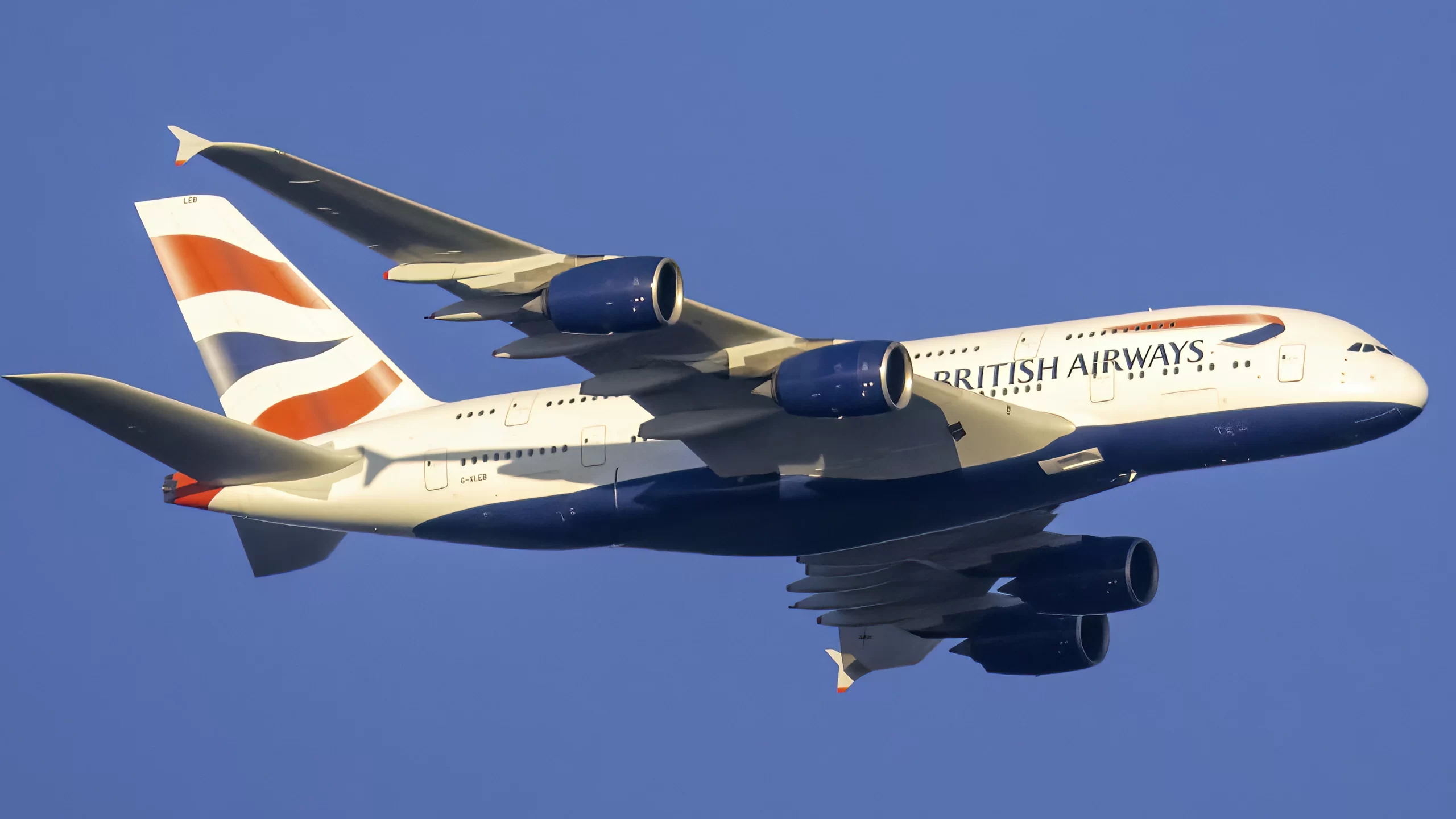
Taken together, the pattern shows an airline juggling a finite number of superjumbos against a heavy maintenance schedule. Routes lose the A380 not because BA no longer wants the aircraft, but because there are not enough airframes available at any given time to cover every market that has historically used it.