Four letters on a boarding pass — SSSS — can turn a routine airport visit into an extended security ordeal lasting up to an hour. Secondary Security Screening Selection (SSSS) is a U.S. airport security measure that flags passengers for additional inspection before they board a flight. The Transportation Security Administration (TSA) administers the programme, which applies to domestic and international flights operating to, from, within, and over the United States.
The code was introduced after the September 11, 2001 terrorist attacks as part of a sweeping overhaul of U.S. aviation security. The TSA’s Secure Flight programme, the engine behind the SSSS designation, pre-screens passengers before they arrive at the airport by matching their travel data against government watchlists and trusted traveller databases. A December 2023 U.S. Senate report, based on TSA data, found that the vast majority of SSSS designations in recent years result from random selection, yet the programme remains one of the most debated aspects of post-9/11 aviation security.

What SSSS On a Boarding Pass Actually Means
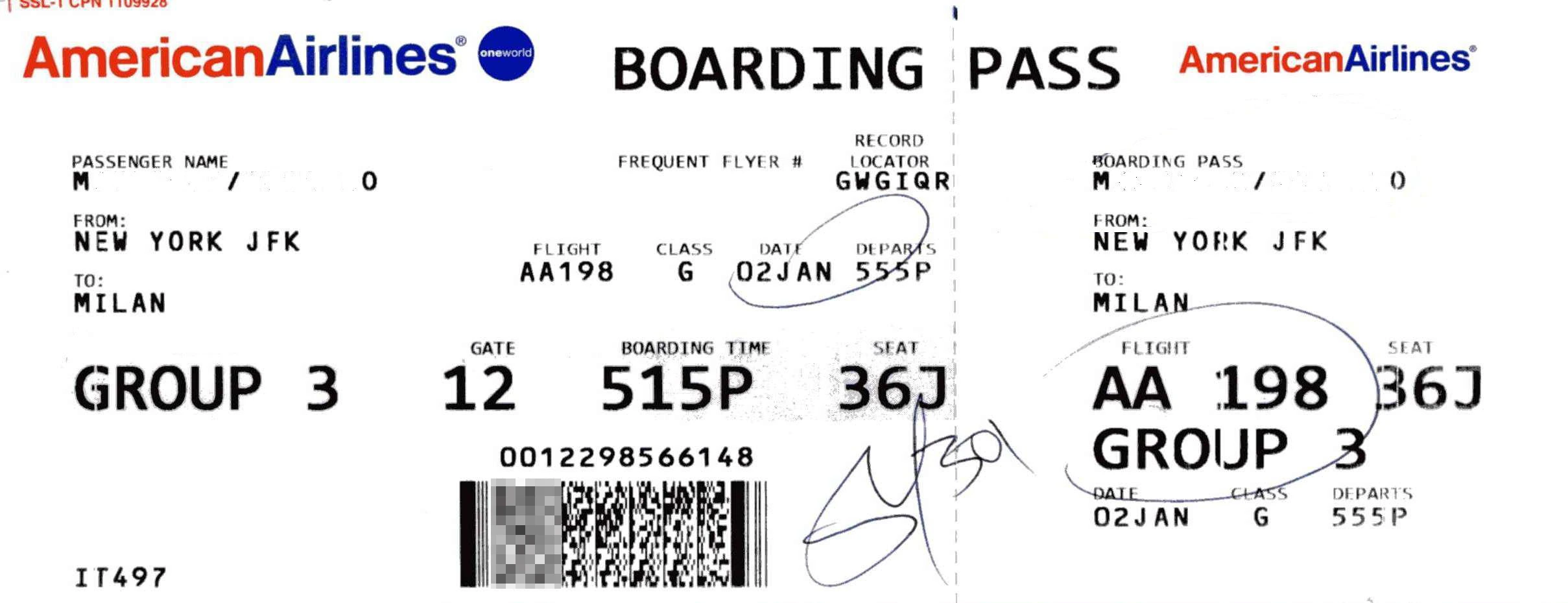
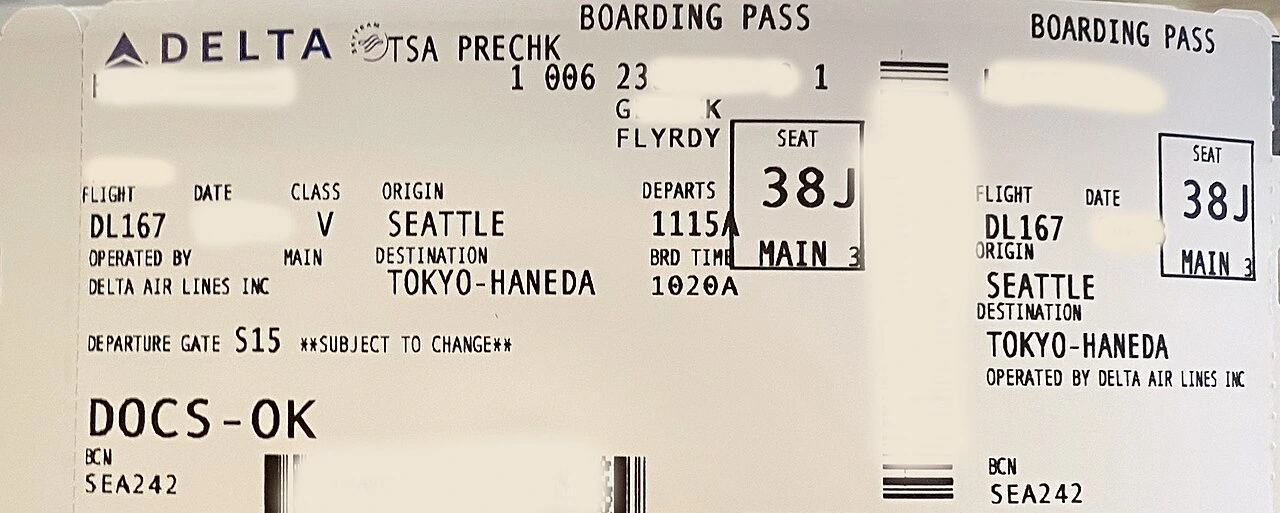
SSSS stands for Secondary Security Screening Selection and signals that a passenger has been chosen for enhanced airport security checks. The code appears printed in bold on the physical boarding pass, usually in the upper left or lower right corner. In the case of Southwest Airlines (WN), secondary screening selectees may see a “checkerboard” pattern on their boarding passes instead of the four letters.
SSSS boarding passes can only be issued at the airport — if a passenger has been flagged, mobile and online check-in will be blocked, and an error message will appear. The passenger must approach an airline check-in counter to receive their printed boarding pass. R. Carter Langston, press secretary for the TSA, confirmed that “Secondary Security Screening Selection (SSSS) is added to boarding passes when that traveler has been selected for additional screening procedures“.
How The Secure Flight Program Generates the SSSS Flag
Secure Flight is a risk-based passenger prescreening programme that identifies low and high-risk passengers before they arrive at the airport, matching their names against trusted traveller lists and government watchlists. When a passenger books a flight, the airline transmits their full name, date of birth, and travel itinerary to the TSA. TSA then uses applicable government watchlists to check every passenger’s information and transmits a Boarding Pass Printing Result (BPPR) back to the carrier.
The three possible BPPRs are as follows:
- Cleared: The passenger does not pose a threat and may fly without additional intervention.
- Selectee: The passenger requires enhanced screening before a final boarding decision is made — this is the SSSS designation.
- Inhibited: The passenger has matched a record on the No-Fly List or a related watchlist and should not be permitted to board.
Under Secure Flight, TSA performs name vetting against federal watchlists, including the No Fly List and portions of the Terrorist Screening Database (TSDB) maintained by the FBI’s Terrorist Screening Center (TSC). It is important to note that SSSS and the No-Fly List are entirely separate designations — receiving SSSS does not mean a passenger is barred from flying.
Why Passengers Receive the SSSS Code
The TSA does not publish the exact criteria for selection, but Secure Flight uses risk-based analysis along with a random element. The Department of Homeland Security (DHS) says that “many factors are considered to determine whether to select someone for secondary screening, but for security reasons they cannot be disclosed”. Based on publicly available reporting, the following travel patterns are commonly associated with an SSSS designation:
- Booking a one-way international ticket
- Purchasing a ticket with cash
- Booking a flight at the last minute
- Travelling to or from a country the U.S. considers high risk
- Having a name similar to one on a government watchlist
- Flying unusual itineraries, such as entering one city and departing from another
- Travelling to certain countries flagged by the U.S. Department of State
TSA always incorporates random and unpredictable measures into its procedures that may result in a passenger receiving an SSSS designation for a single flight, according to TSA spokesman Michael McCarthy, who spoke to AFAR by email. This randomness is deliberate. The TSA intentionally includes random selection to maintain unpredictability in security procedures, ensuring that the screening system cannot be easily studied or bypassed.
In November 2022, the 2019 version of the Selectee list was exposed via an unsecured server hosted by CommuteAir, an Ohio-based regional airline. The leak provided a rare public glimpse into a list whose contents the TSA keeps strictly confidential.
What Passengers Should Expect During the SSSS Screening Process
When the initial TSA agent scans a boarding pass marked SSSS, it makes a loud beep and a red light illuminates. The agent radios for a supervisor and refers to the passenger as a “quad” — a codeword for the four-letter designation. The passenger is then directed to a separate screening area.
SSSS passengers go through a more intensive screening process, which may include enhanced pat-downs and hand inspection of carry-on luggage. The full process typically includes:
- Additional review of passport, ID, and boarding pass
- Questions about travel plans and itinerary
- Item-by-item inspection of all carry-on bags
- Swabbing of hands and belongings for explosive residue (Explosive Trace Detection, or ETD)
- Powering on of electronic devices such as laptops and phones to confirm functionality
- A comprehensive pat-down conducted by an officer of the same gender
- Possible use of a handheld metal detector
On domestic flights, the extra screening typically happens at the main TSA security checkpoint. On international flights returning to the U.S., the secondary screening often occurs at the departure gate, after the initial security check. The screening can take anywhere from 15 minutes to over an hour, and airlines will not hold a flight or provide a refund if a passenger misses it due to security delays.
SSSS And the TSA’s Silent Partner Programme on International Flights
Passengers returning to the United States from international destinations face an additional layer of scrutiny through the TSA’s Silent Partner programme. According to a June 2025 report from the Department of Homeland Security, the Silent Partner programme “enables TSA to identify passengers for enhanced screening on international flights” heading to the U.S. The DHS report states that “TSA creates rules based on current intelligence…to identify passengers for enhanced screening,” while also noting that random selection protocols remain in place for international routes.
The Secure Flight programme covers flights to, from, within, and overflying the United States, meaning SSSS can appear on both domestic and international itineraries — including at foreign airports where a passenger is departing on a U.S.-bound flight. This makes the SSSS flag a global mechanism, not one limited to U.S. soil.

Does TSA PreCheck or Global Entry Prevent SSSS?
A common misconception is that enrolling in expedited screening programmes eliminates the possibility of receiving SSSS. Even passengers enrolled in Trusted Traveller Programmes — such as Global Entry, TSA PreCheck, NEXUS, or CLEAR — can find SSSS printed on their boarding passes, as security measures are designed to override these programmes. If a passenger is flagged for SSSS, they will not receive TSA PreCheck benefits for that itinerary.
Aviation writer Zach Griff, speaking to Fox News, described SSSS as “a measure implemented by security authorities in the US to screen certain passengers with additional checks” and noted that selectees for enhanced security are identified in the days leading up to a flight when airlines share the passenger manifest with U.S. authorities. This pre-flight identification is what prevents online check-in from functioning for flagged passengers.
The Controversy Surrounding SSSS — Civil Liberties And Discrimination Concerns
The SSSS programme has attracted significant criticism from civil liberties organisations. The Selectee list has been cited by civil liberties groups as infringing on privacy rights and as a potential vehicle for racial and ethnic discrimination. The TSA has stated that tens of thousands of names appear on the Selectee list, though its size and contents fluctuate and remain classified.
The Council on American-Islamic Relations (CAIR) filed a lawsuit in 2023 with a dozen plaintiffs, arguing that the SSSS and government watchlist programmes disproportionately target Muslim travellers. In their statement, CAIR claimed:
“The watchlist is Islamophobic. An expert statistical analysis of leaked portions of the 2019 watchlist estimates that at least 98.3% of the names on the watchlist are identifiably Muslim. That doesn’t happen by accident.”
The American Civil Liberties Union (ACLU) has echoed concerns about a lack of transparency and the potential for racial profiling within the SSSS process. Some civil liberties groups also argue that there are no publicly available guidelines explaining who receives SSSS and why. The TSA, for its part, has stated that it does not tolerate racial profiling and that its personnel are trained to treat every passenger with dignity and respect.
The TSA has insisted that no minors are listed on the No Fly List or the Selectee List. However, one minor was placed on this list in 2014, and as of July 2017, minors with names similar to those on the list were still having difficulty obtaining boarding passes and were subjected to additional screening. These cases have fuelled broader debates about the accuracy and fairness of the screening system.
How The SSSS Code Compares to Other Boarding Pass Security Markers
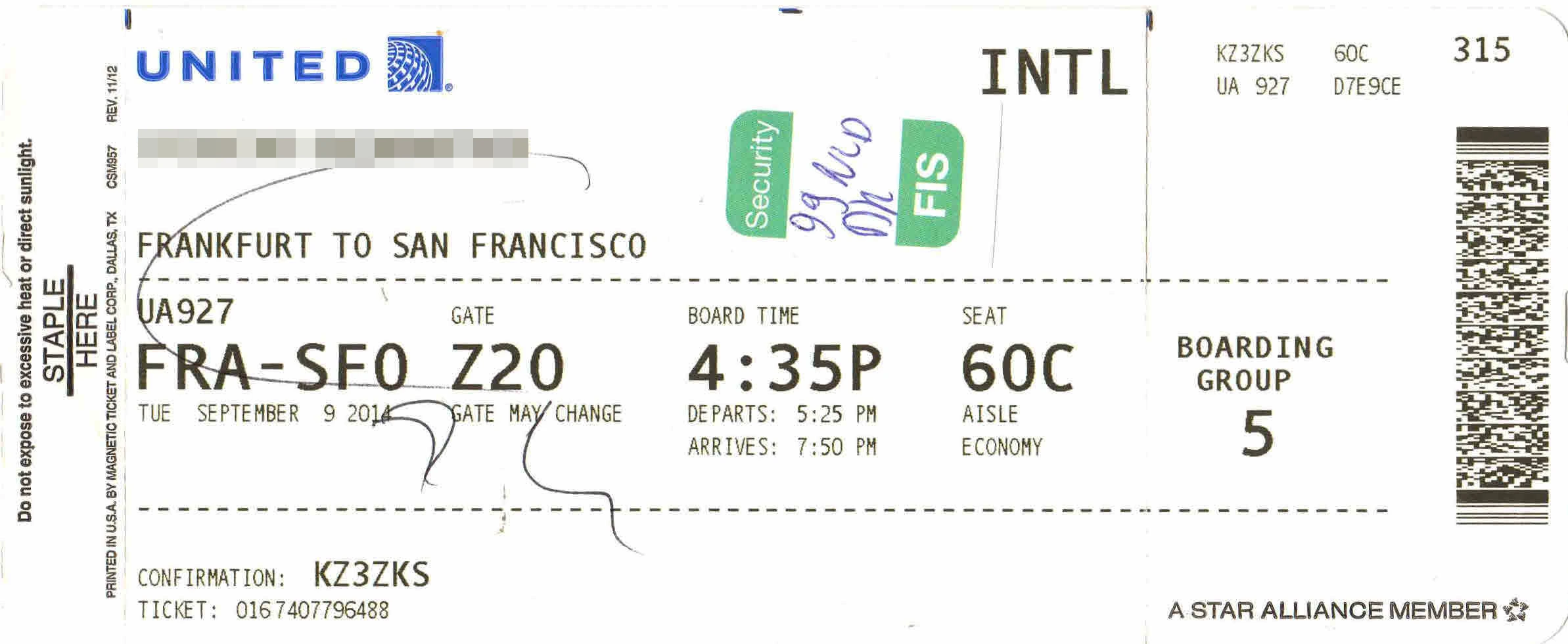
Boarding passes carry several distinct security-related codes, and SSSS is frequently misunderstood in relation to them. Most passengers who see SSSS on their boarding pass confuse it with being on the No Fly List, but these are two entirely separate designations. The No Fly List bars a person from boarding altogether, whereas SSSS simply requires enhanced screening before a boarding decision is finalised.
In a parallel context, we have reported on how Ryanair (FR) has mandated 100% digital boarding passes for all passengers. Delta Air Lines (DL) has introduced a “Digital ID” option at Hartsfield-Jackson Atlanta International Airport (ATL), allowing passengers to pass through security and board using only facial recognition. These technology developments are relevant to SSSS because, as noted, flagged passengers cannot generate a digital boarding pass at all — the SSSS designation forces a return to a printed document and a face-to-face interaction with check-in staff.
The TSA is also rolling out Credential Authentication Technology (CAT), now installed at more than 225 U.S. airports. CAT is linked electronically to the Secure Flight database and confirms a traveller’s flight details and pre-screening status without requiring a physical boarding pass. Even with CAT in place, however, SSSS-flagged passengers are still directed through standard screening lanes rather than expedited PreCheck lanes.
What Passengers Can Do If They Repeatedly Receive SSSS
A single SSSS designation is generally unremarkable and need not cause long-term concern. If a passenger receives SSSS on nearly every trip, this may indicate they are on some form of government watchlist — or that their name closely resembles someone who is. In such cases, the recommended course of action is the DHS Traveler Redress Inquiry Programme (DHS TRIP).
In our dedicated explainer on what a Redress Number is and how it works, we have noted that any person who has been mistakenly identified as a threat by the TSA Secure Flight screening programme can be assigned a redress number — a numeric identifier given to passengers who were false-positively identified as threats to public safety when flying. The process works as follows:
- A passenger submits an application through the DHS TRIP portal at dhs.gov/dhs-trip
- They are automatically assigned a unique seven-digit Redress Control Number (RCN)
- The RCN is entered into future flight bookings, alerting the TSA to review the traveller’s profile in advance
- Most airline booking systems have a dedicated field for this number
DHS TRIP can assist passengers who were unable to print a boarding pass from a kiosk or online, who were told the federal government was not authorising them to travel, or who are repeatedly referred for secondary screening when clearing U.S. Customs. DHS TRIP cases can take several weeks to process, and some passengers find that a second application is needed if the problem persists. Importantly, a Redress Number does not guarantee that SSSS will never appear again — the TSA can still select any passenger for random enhanced screening.
The TSA also offers a dedicated helpline: TSA Cares at 855-787-2227, available 72 hours before travel for passengers with disabilities or medical conditions. Passengers can also contact @AskTSA on X or via Facebook Messenger for quick queries.
Practical Tips for Passengers Who Have Been Flagged
Receiving SSSS is not an accusation. However, being prepared makes the experience significantly less stressful. Travel experts and frequent flyers recommend the following:
- Arrive at the airport at least 30 minutes earlier than usual — the screening can last between 15 minutes and one hour
- Keep medications clearly organised in sealed, labelled bags with any relevant doctor’s notes
- Ensure all electronics are charged, as officers may ask passengers to power them on
- Book round-trip flights when possible, and pay with a credit or debit card rather than cash
- Stay calm and cooperate with TSA officers — the process moves faster without conflict
- Apply for TSA PreCheck or Global Entry if you travel frequently; while these programmes do not prevent SSSS, a background check on file may reduce the likelihood of random selection
There is nothing a passenger can do in the moment to remove SSSS from a boarding pass — the enhanced screening will proceed either at the regular TSA checkpoint or in a separate secondary area. Compliance is the only path through.