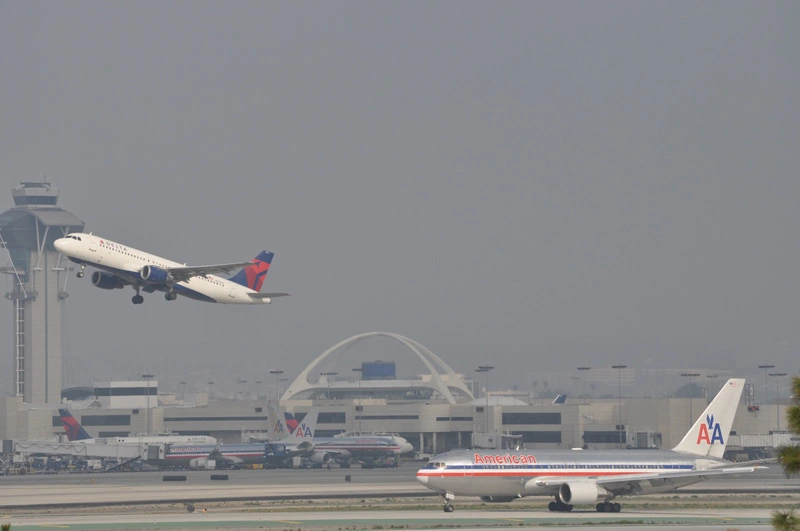
The Federal Aviation Administration (FAA) launched an investigation on June 20, 2026, after Delta Air Lines (DL) Flight 2351 was forced to execute a go-around at Boston Logan International Airport (BOS), Boston, Massachusetts. The aircraft, arriving from Dallas Fort Worth International Airport (DFW), aborted its landing to avoid a collision with an American Airlines (AA) Boeing 737-800 that had been cleared for takeoff on an intersecting runway.
The incident occurred at approximately 11:30 a.m. local time and involved 129 passengers and six crew members aboard the Delta aircraft. All passengers and crew landed safely and deplaned normally following a second landing attempt.
The Delta flight crew identified the conflict before air traffic control (ATC) was aware of the situation and immediately initiated the go-around. According to a Delta Air Lines spokesperson, as reported by the Associated Press, “nothing is more important than the safety of our customers and people,” and the crew of Flight 2351 followed established procedures in coordination with air traffic control to perform the go-around safely.
The Sequence of Events That Led to the Close Call
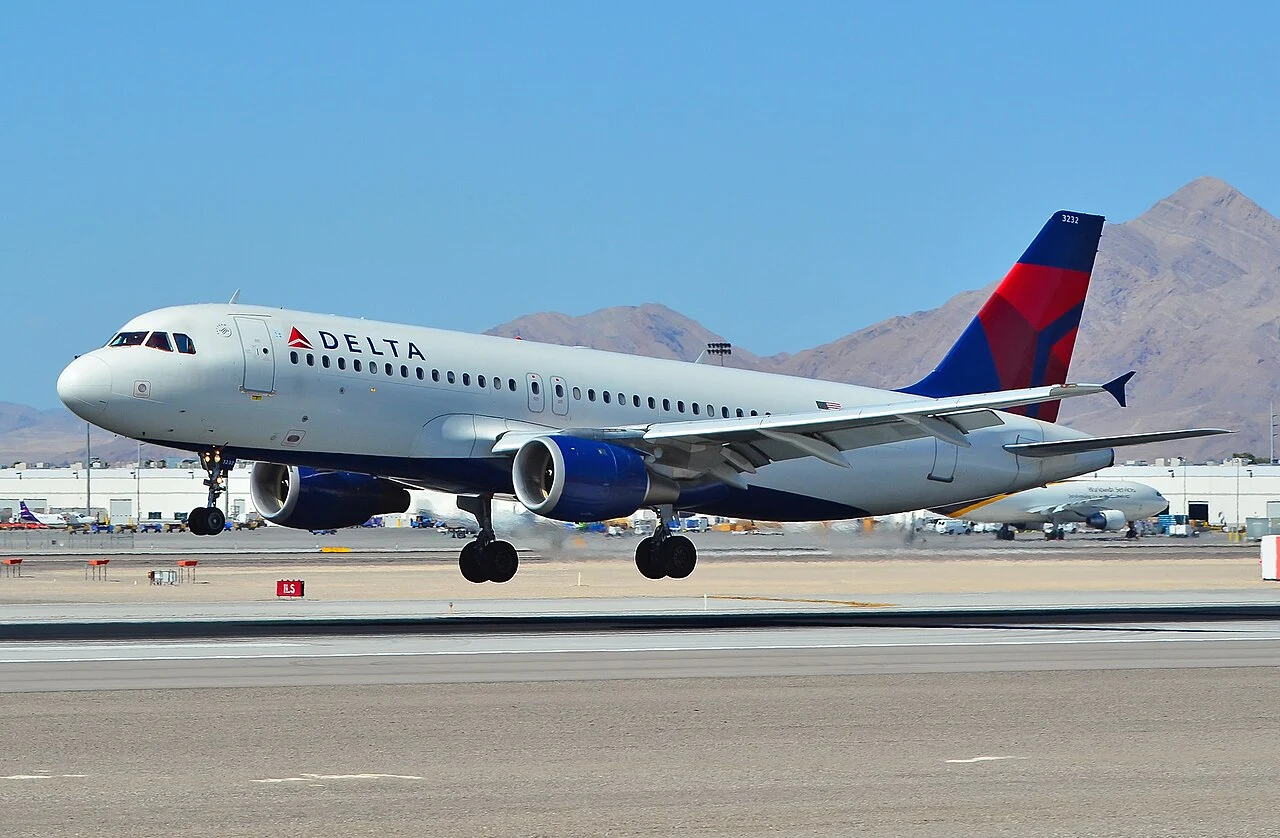
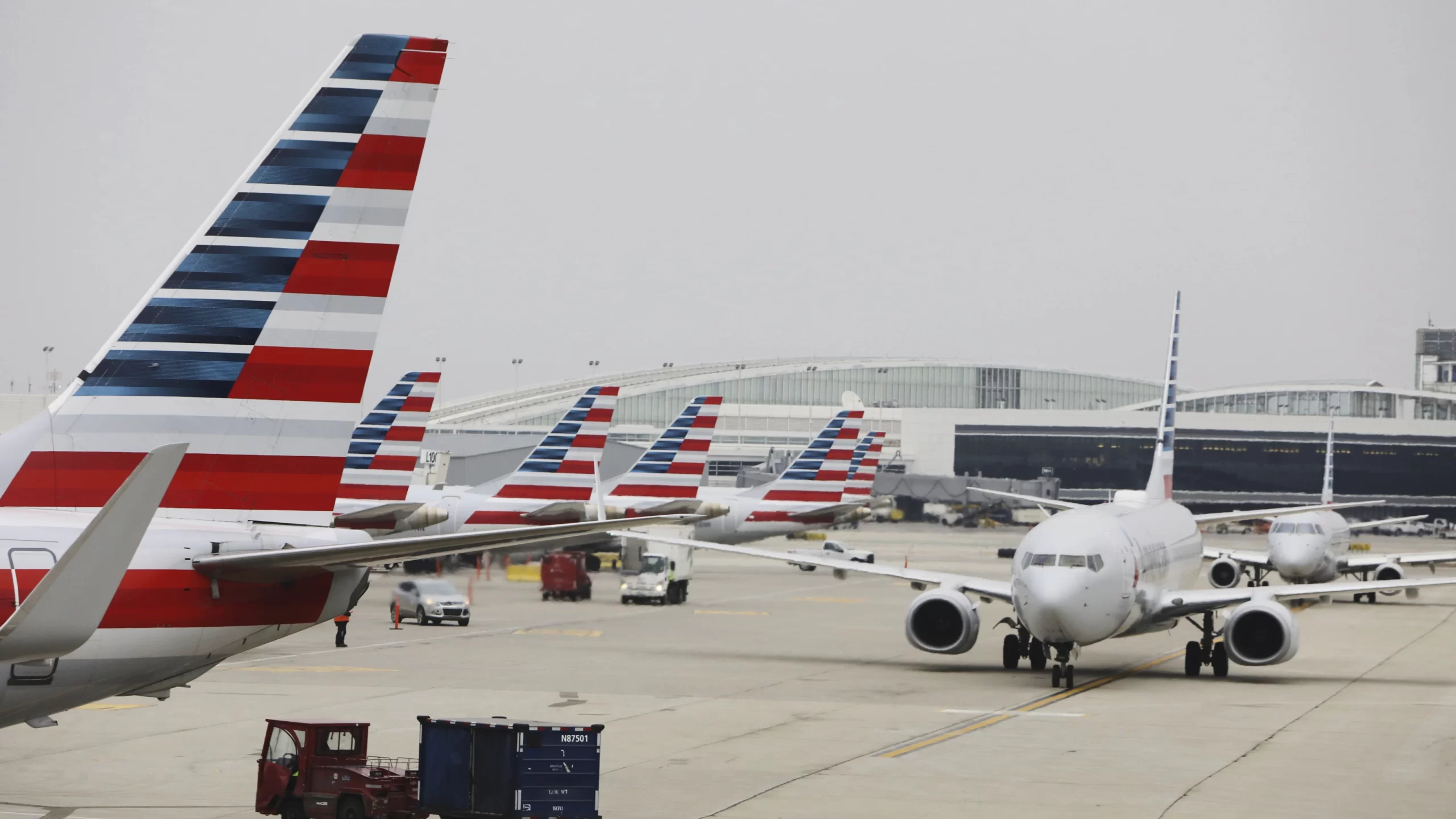
At approximately 11:34 a.m. local time on Saturday, June 20, 2026, two flights were simultaneously operating at Boston Logan — American Airlines Flight AA3161, scheduled to depart to Charlotte Douglas International Airport (CLT), operated by a Boeing 737-800, and Delta Flight DL2351, scheduled to arrive from Dallas, operated by an Airbus A319.
Air traffic control first cleared AA3161 to line up and wait on Runway 27 and issued a warning that traffic was landing on Runway 33L, as the two runways intersect. Moments later, DL2351 was cleared to land on Runway 33L and received a warning about traffic holding on Runway 27.
After issuing instructions to pilots of three other flights from Jazz Aviation, JetBlue, and Republic Airways, the controller then returned to American Airlines Flight 3161 and gave the pilots clearance to take off from Runway 27. This clearance created a direct conflict with DL2351, which was already on final approach to the intersecting Runway 33L.
It took the pilots of American Airlines Flight 3161 around 40 seconds to power up the engines and start speeding along the runway for takeoff. At that point, Delta Flight 2351 was on top of the threshold of Runway 33L, mere feet from touching down. The pilots suddenly noticed the American Airlines aircraft barreling down the runway from their right and quickly initiated a go-around, climbing more than 2,000 feet in just a couple of seconds.
The Delta aircrew called out to the tower to inform ATC that they would go around before ATC was even aware of the situation. The close call ended safely, with the aftermath being only a delayed landing.
What The Recordings Reveal
Aviation audio recordings obtained and shared on social media platform X by aviation insider JonNYC shed light on the breakdown in situational awareness by the air traffic controller at the time.
In what appears to be a collapse in situational awareness, the controller called out to the AAL3161 pilot as if unaware of the reason why the plane was moving down Runway 27, saying, “Where are you going?” The pilot of AAL3161 simply responded that they had received clearance to take off and continued the takeoff roll as DL2351 climbed back up for another attempt at landing.
The controller was then checked by another pilot on the frequency, who informed him that he had cleared them for takeoff. This exchange, captured in the audio recording, raised immediate questions about controller workload and situational awareness.
As One Mile at a Time reported, the air traffic controller appeared to be working under an extremely high workload. The controller had issued a rapid sequence of instructions to multiple aircraft with almost no pause on frequency before the AA3161 takeoff clearance was given.
Official Responses from Delta, American Airlines, And the FAA
A Delta spokesperson confirmed that the crew of Flight 2351 followed established procedures in coordination with air traffic control and performed a go-around safely, noting that nothing is more important than the safety of customers and crew.
American Airlines and the airport referred all requests for comment to the FAA.
The FAA issued a formal statement on the incident. As reported by Simple Flying, the FAA stated: “The crew of Delta Air Lines Flight 2351 executed a go-around at Boston Logan International Airport because another aircraft was departing from an intersecting runway. The FAA is investigating the event which occurred around 11:30 a.m.”
The FAA also clarified that go-arounds are safe, routine procedures performed at the discretion of the pilot or air traffic controllers. However, the broader context of the event — including the timing, the audio recording, and Boston Logan’s history of runway incursions — elevated the incident well beyond a routine procedural matter.
What Massport Is Doing to Improve Safety at Boston Logan
Massport, the authority that operates Boston Logan, has taken concrete steps to address the airport’s runway safety challenges following prior incidents and FAA recommendations.
Following several incidents where aircraft encountered marginal braking performance on a wet or icy runway, nearly resulting in an overrun, Massport undertook several runway rehabilitation projects. The rehabilitation of Runway 9-27 began in late 2020, and the rehabilitation of Runway 15R-33L was completed a year later. These included new pavement, upgraded electrical equipment, and LED runway lights to improve visibility and reduce the risk of runway incursions.
Logan has nearly 20 miles of complex, intersecting taxiways, many of them laid down more than half a century ago. The airport is in the process of re-paving the taxiways, installing new LED lighting to raise visibility, as well as adjusting the layout to improve sightlines and minimize potential conflicts.

.jpg)
