Delta Air Lines (DL), the Atlanta-based carrier that operates one of the largest fleets in the world, faced a fresh wave of passenger criticism on June 24, 2026, after a lavatory leak flooded the cabin aisle of a Boeing 737 on approach to San Francisco International Airport (SFO), San Francisco, California.
The incident occurred aboard Delta Flight 2986, operating from Los Angeles International Airport (LAX), Los Angeles, California, to SFO on Tuesday night. Passengers filmed water flowing down the aisle as the aircraft descended, and a flight attendant announced that travelers should hold their bags in their laps — an instruction that sits in direct tension with a Federal Aviation Administration (FAA) regulation governing baggage stowage during landing.
The aircraft touched down at SFO at approximately 10:59 p.m. local time, according to View from the Wing. Passengers deplaned by walking through water standing in the cabin aisle. One passenger described the experience in a widely shared Reddit post, adding that it was their first time flying with the carrier.
Delta has not issued a public statement in response to the incident at the time of publication. The airline had approximately seven and a half hours to conduct maintenance and cleaning before the aircraft departed SFO for Hartsfield–Jackson Atlanta International Airport (ATL) at 6:27 a.m. the following morning.
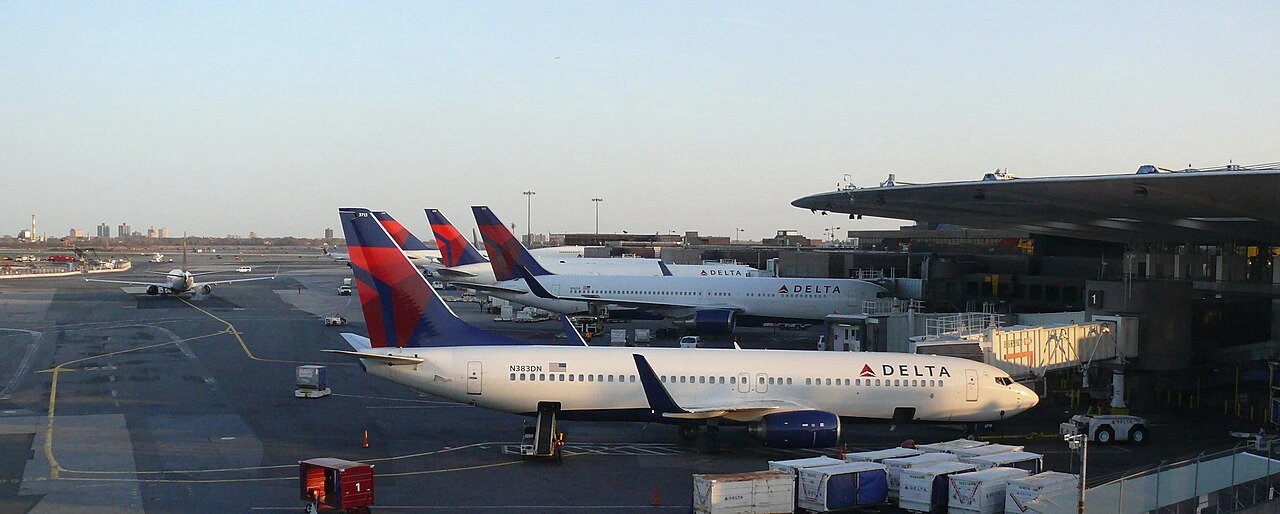
What Happened Aboard Delta Flight 2986 On June 24
The leak originated near the lavatory at the rear of the cabin and developed during the aircraft’s approach to SFO. A passenger, identified on Reddit as user Wooden-Apartment-643, shared video footage on the r/delta subreddit showing water spreading across the cabin floor while other passengers remained seated under dimmed cabin lighting. The passenger captioned their post: “DL2986 LAX SFO had water running down the aisle … It happened on approach, luckily [a] short flight, otherwise it could be a potential divert,” as quoted by The Travel.
A follow-up clip shared in the comments section showed the water advancing further through the cabin. The same passenger told The Travel that the liquid appeared to be clean water: “As far as I can tell, it was potable water, but not entirely sure.” The leak remained uncontained through the final approach and landing. Water was still present in the aisle when passengers began deplaning at the gate.
The passenger also noted several other grievances from the same flight. They wrote on Reddit:
“No outcome, everyone just sloshed through the water and deplaned. Not the best first Delta experience. No drink service, my seatbelt didn’t work, and no gate upon landing, with no announcement made till we were actually pulling in.”
The seatbelt defect represents a separate maintenance concern independent of the flooding event.
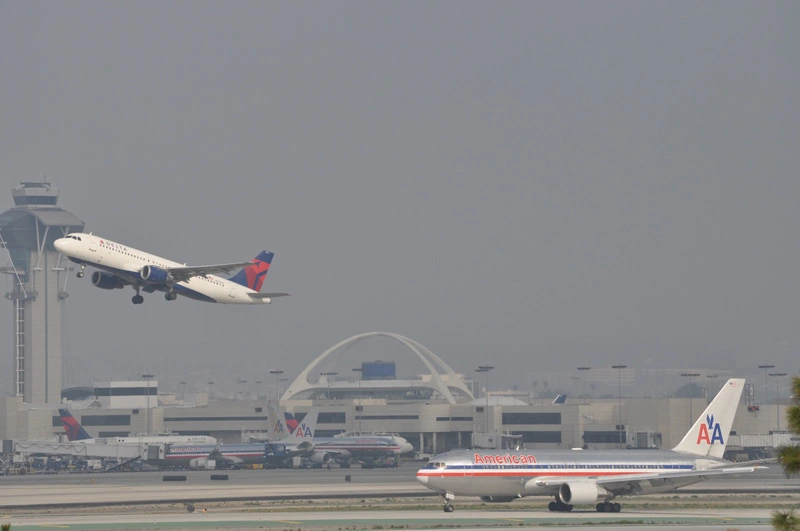
Flight Attendants Told Passengers to Hold Bags
The most operationally significant detail reported by passengers was the in-flight announcement. A flight attendant instructed passengers to lift their carry-on bags from under the seat and hold them in their laps to keep them out of the water.
This instruction conflicts with a federal safety rule. Title 14 of the Code of Federal Regulations, Section 121.589(c) states:
“No certificate holder may allow an airplane to take off or land unless each article of baggage is stowed: (1) In a suitable closet or baggage or cargo stowage compartment placarded for its maximum weight and providing proper restraint for all baggage or cargo stowed within, and in a manner that does not hinder the possible use of any emergency equipment.”
Holding a bag on one’s lap does not meet this requirement.
The Source of the Leak Was Likely a Water Supply Line Issue
Not all lavatory floods involve waste. Leff, writing for View from the Wing, assessed the most probable cause on DL2986: “Some passengers saw this as a lavatory water leak — assuming sewage — but I suspect a valve, fitting, or supply line or maybe a sink issue. It may not have been quite as bad as it looked.” The original Reddit poster described the liquid as likely being potable water, which is consistent with a clean-water line failure rather than a waste system breach.
Common causes of inflight lavatory water leaks include:
- Loose or failed supply line fittings connecting the pressurised water tank to sink taps or toilet flush valves
- Cracked or worn valve seals that allow water to escape under pressure during changes in cabin air pressure on descent
- Sink overflow caused by a clogged drain combined with tap activation
- Toilet flush mechanism failure that allows the water supply to run continuously
- Maintenance oversights such as improperly tightened connections after a pre-flight servicing of the water system
Leff also noted a possible procedural reason for why the water was not shut off before landing:
“It may be that the leak came out late in the approach, and they’d already taken their landing positions, and they decided that protecting the exits and completing the imminent landing took priority.”
If the flight attendants were already seated for landing, their ability to access shut-off valves in the lavatory service panel would have been constrained by safety protocols requiring them to be strapped in.