Vietnam Airlines (VN), the flag carrier of Vietnam, diverted Flight VN36 — en route from Frankfurt Airport (FRA), Germany to Noi Bai International Airport (HAN), Hanoi — to Netaji Subhas Chandra Bose International Airport (CCU), Kolkata on January 6, 2026, after a male German passenger experienced severe respiratory distress mid-flight, reported VnExpress International.
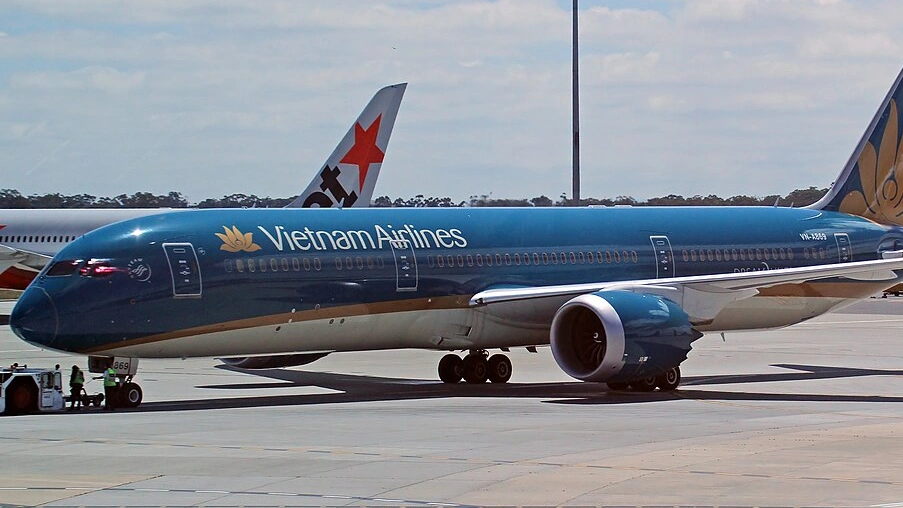
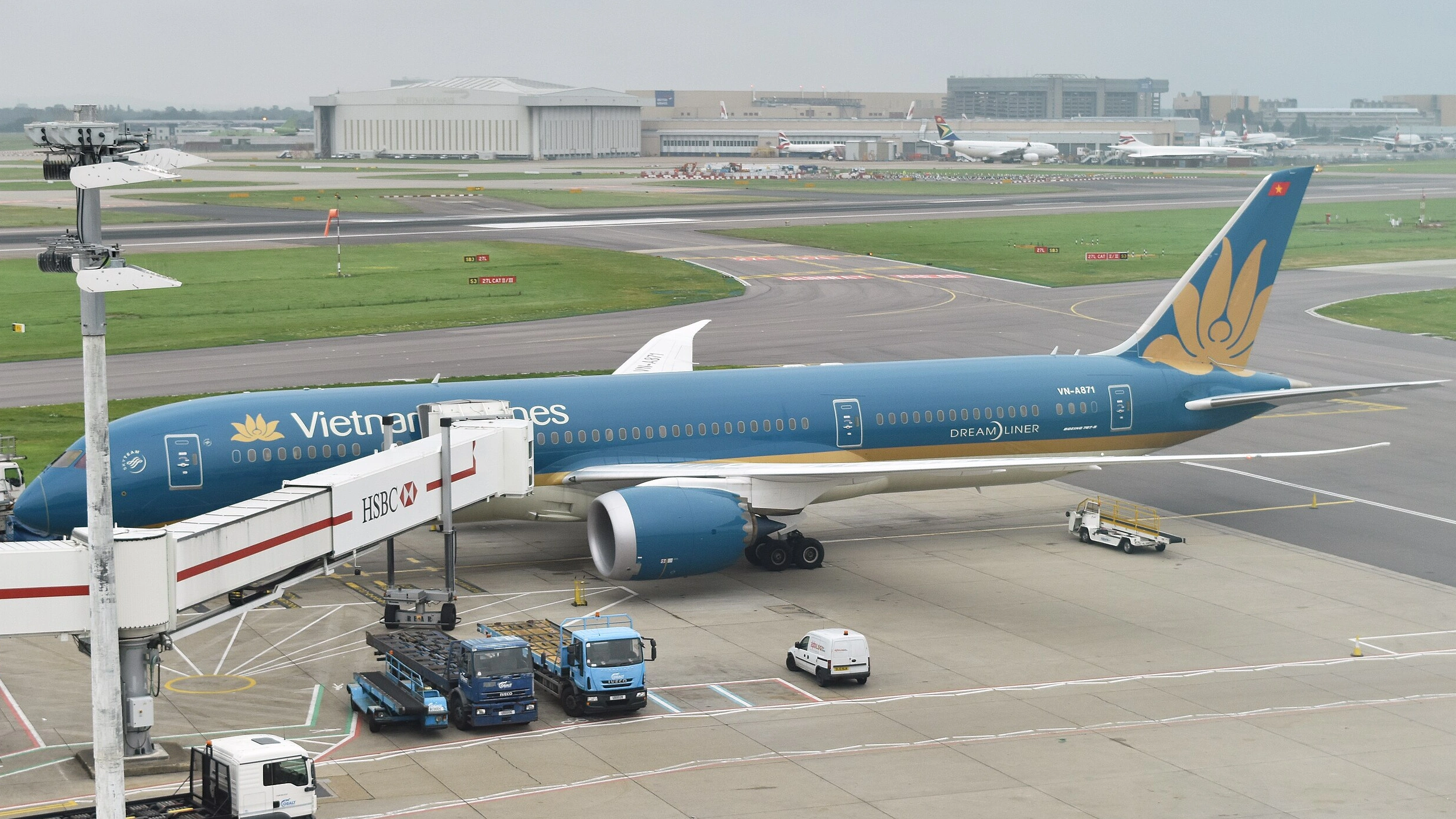
Approximately eight hours into the flight, the passenger, seated in 11F, began showing significant difficulty breathing. Despite immediate first-aid and medical support onboard, his condition did not improve. Under international aviation safety protocols, the flight crew elected to divert the Boeing 787-9 to the nearest suitable airport for urgent ground-based medical care, prioritizing passenger safety above operational schedule.
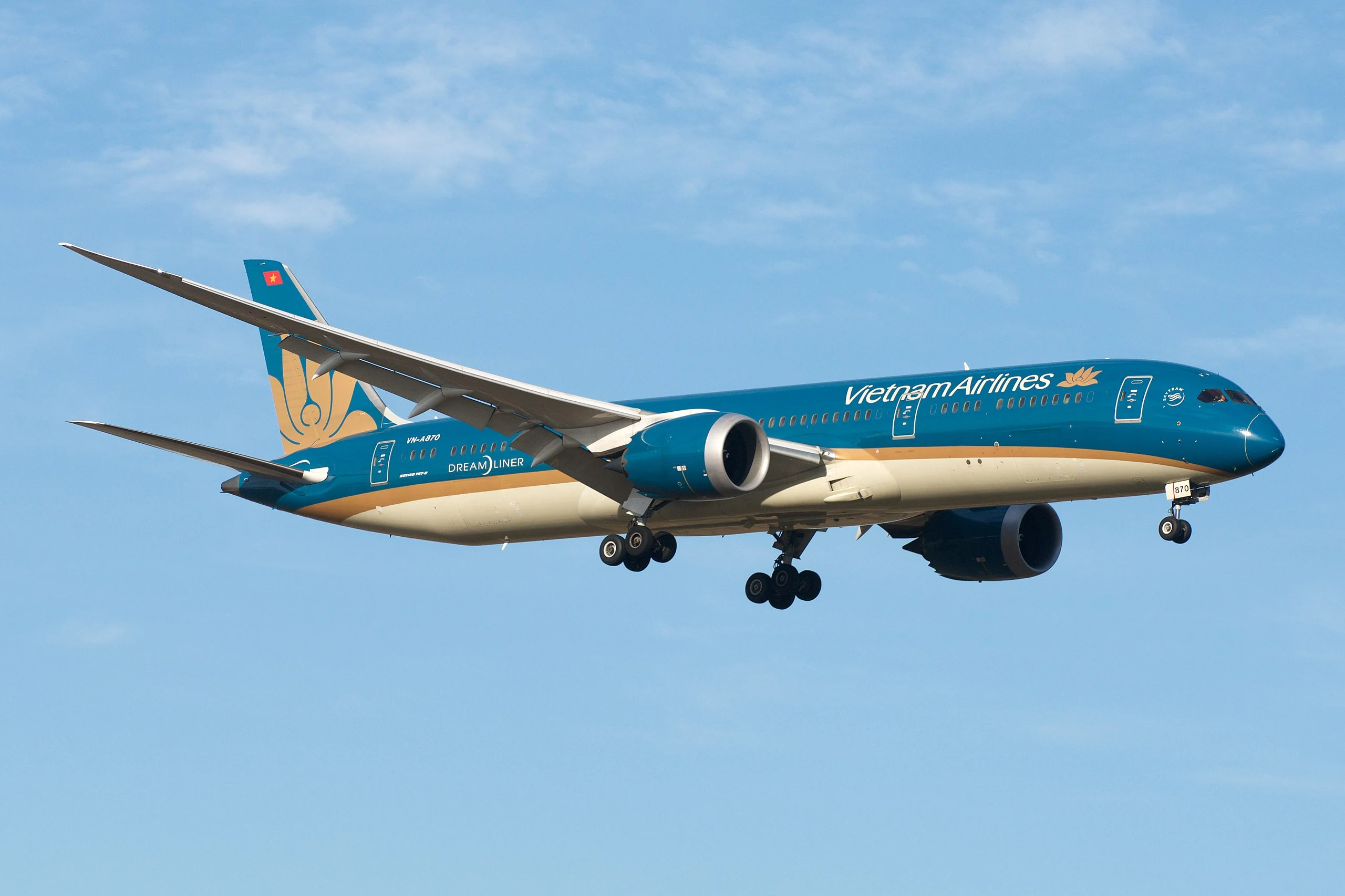
Airline profile: Vietnam Airlines (VN)
| Attribute | Information |
|---|---|
| Airline name | Vietnam Airlines |
| IATA Code | VN |
| ICAO Code | HVN |
| Founded | 1956 |
| Headquarters | Hanoi, Vietnam |
| Primary hubs | Noi Bai International Airport (HAN), Tan Son Nhat International Airport (SGN) |
| Fleet size | 96 |
| Long-haul fleet highlight | Boeing 787-9 Dreamliner for intercontinental routes |
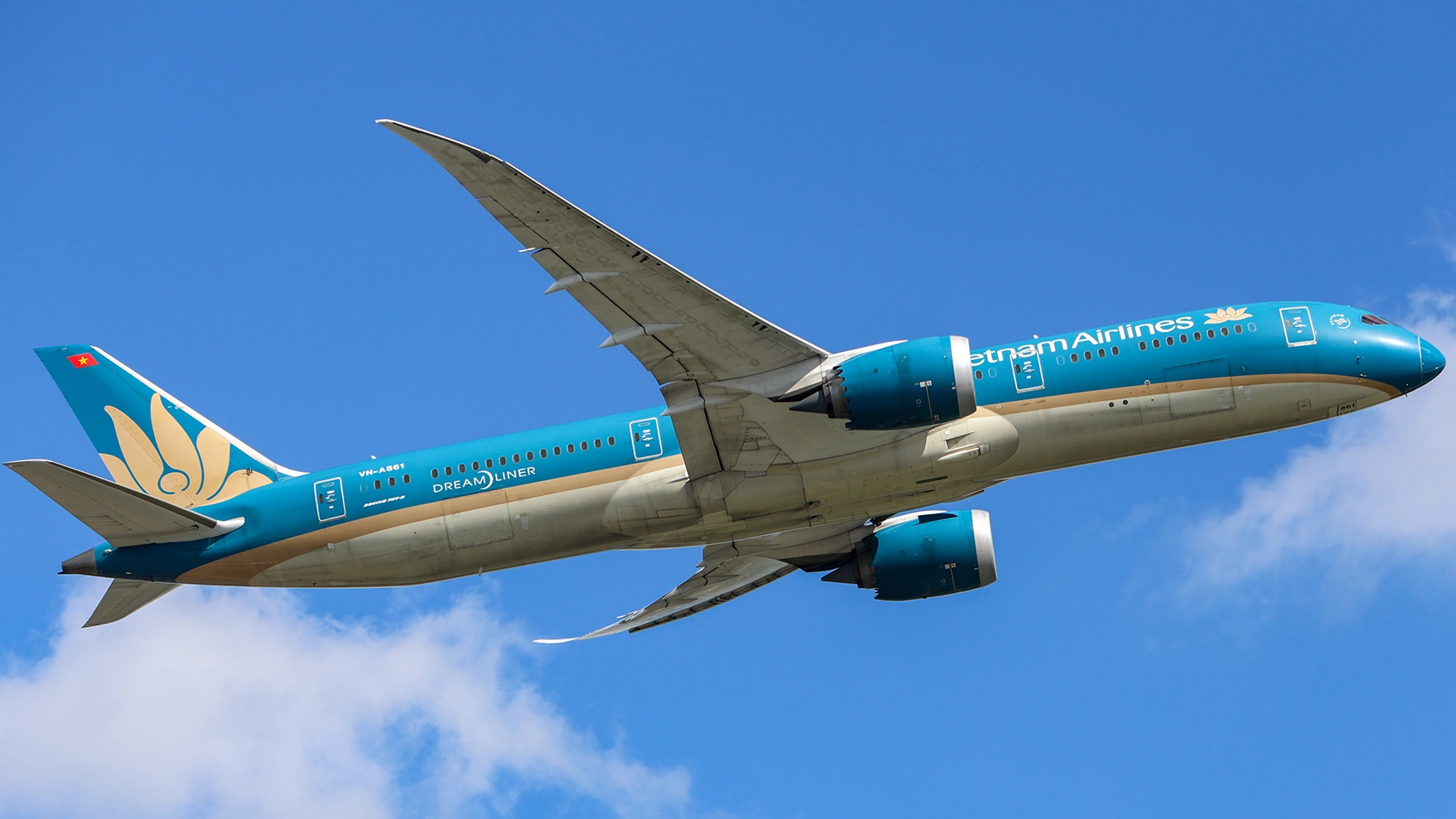
What Happened on Flight VN36 to Kolkata
Flight VN36 departed Frankfurt Airport (FRA) bound for Noi Bai International Airport (HAN) on the evening of January 6, 2026. Eight hours after departure, a male German passenger began to show signs of acute health deterioration, including significant breathing difficulty, which prompted the cabin crew to initiate emergency medical procedures. This is how the situation unfolded:
- The onboard medical kit and first-aid support were used, and medical assistance was sought from passengers with clinical training. However, the passenger’s condition did not improve sufficiently to continue safely without professional care.
- The captain consulted with the airline’s operations centre and decided to divert the flight to Netaji Subhas Chandra Bose International Airport (CCU), Kolkata, where ground medical resources could be deployed promptly.
- Upon landing, representatives from Vietnam Airlines coordinated with local ground services and airport authorities to ensure a rapid transfer of the ill passenger to a nearby hospital for further treatment.
- After completion of all medical and operational procedures, Flight VN36 departed Kolkata at approximately 5:30 a.m. local time on January 7 and continued to Hanoi.
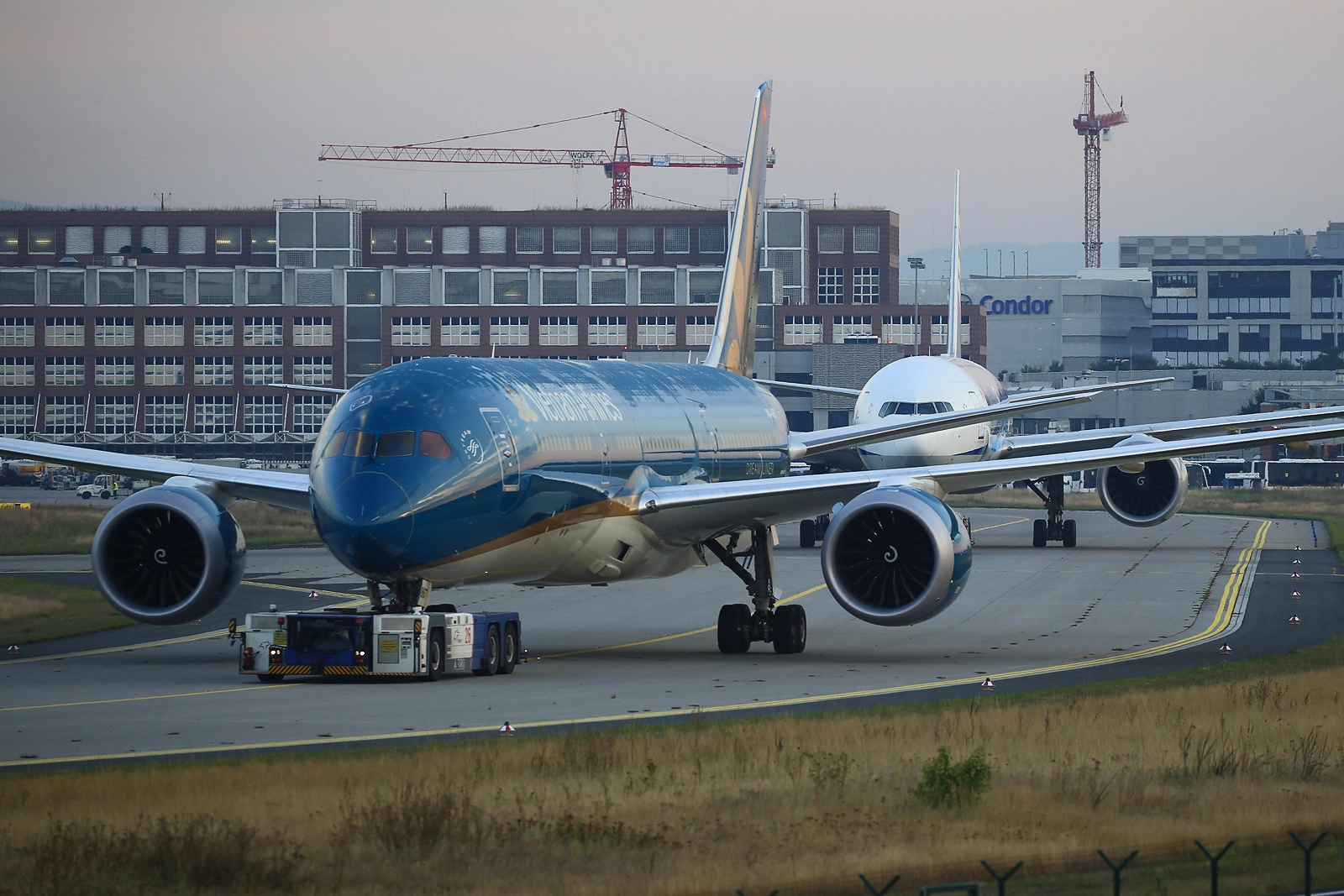
Aircraft Details: Boeing 787 Used on VN36
| Specification | Details |
|---|---|
| Aircraft type | Boeing 787-9 Dreamliner |
| Role | Long-haul passenger transport |
| Operator | Vietnam Airlines |
| Typical seating | 250–300 passengers (depending on configuration) |
| ETOPS capability | Approved for extended over-water flights |
| Average fleet age (VN 787s) | 17 years (estimate based on fleet data provided by planespotters.net)* |
There are two types of Boeing 787:
-
Boeing 787-9 Dreamliner: 11 aircraft in service, with an average fleet age of 9.9 years and the oldest aircraft aged 11 years.
-
Boeing 787-10 Dreamliner: 6 aircraft in service, averaging 5.7 years in age, with the oldest aircraft at 6 years.
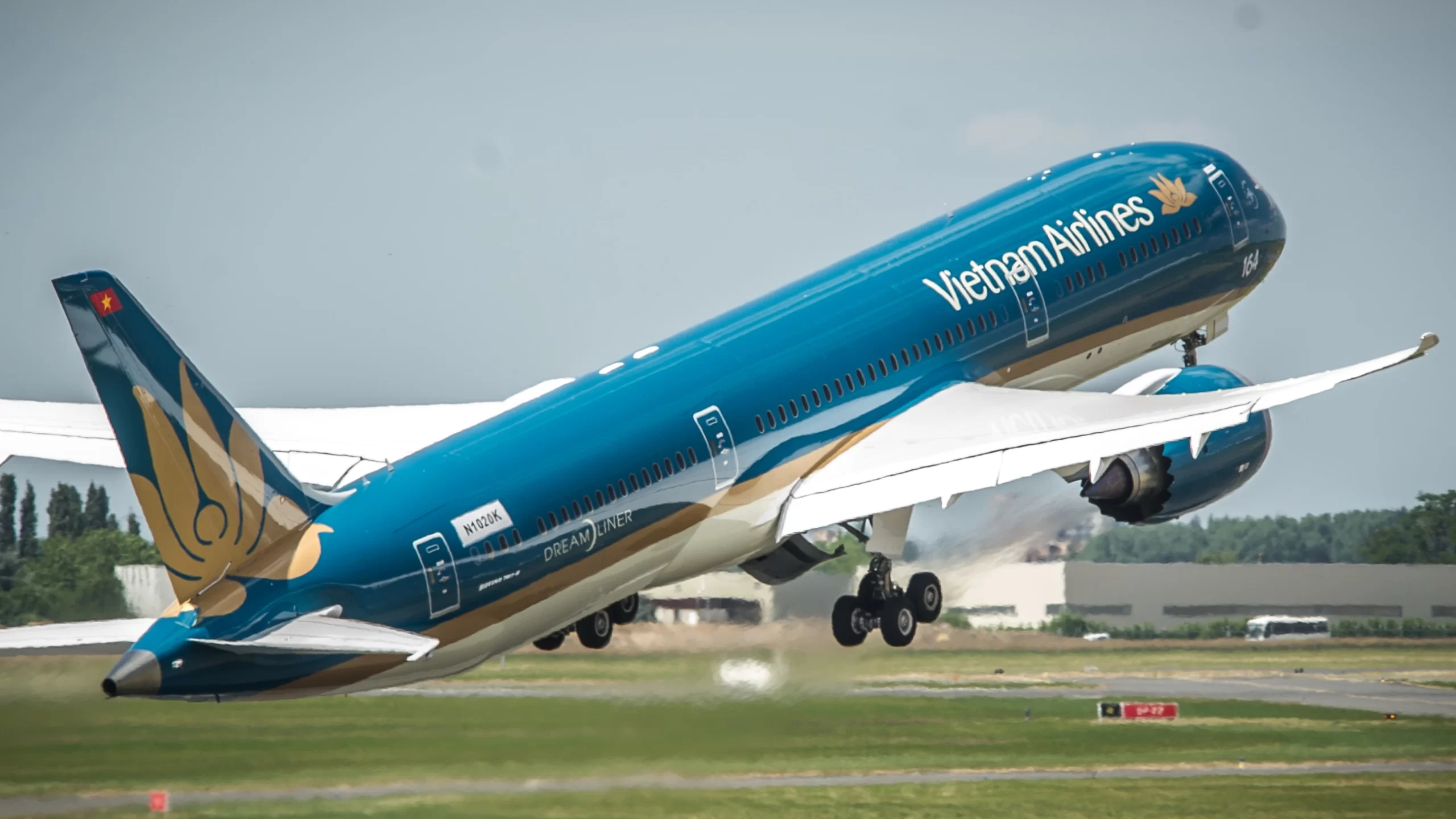
Let’s look in details about Vietnam Airlines’ 787-9s, the type that was involved in medical diversion:
| Registration | Cabin Configuration | Delivery Date | Aircraft Age |
|---|---|---|---|
| VN-A861 | C28W35Y211 | July 2015 | 10.7 years |
| VN-A862 | C28W35Y211 | August 2015 | 10.5 years |
| VN-A863 | C28W35Y211 | August 2015 | 10.4 years |
| VN-A864 | C28W35Y211 | October 2015 | 10.3 years |
| VN-A865 | C28Y283 | December 2015 | 10.1 years |
| VN-A866 | C28Y283 | January 2016 | 10.0 years |
| VN-A867 | C28W35Y211 | April 2016 | 9.8 years |
| VN-A868 | C28W35Y211 | October 2016 | 9.4 years |
| VN-A869 | C28Y283 | October 2016 | 9.3 years |
| VN-A870 | C28W35Y211 | November 2016 | 9.2 years |
| VN-A871 | C28W35Y211 | May 2017 | 8.7 years |
The aircraft that was diverted to CCU was registered VN-A863. Here’s how the carrier configures this aircraft type:
| Cabin Class | Seats | Seat Pitch | Seat Width | Recline |
|---|---|---|---|---|
| Business Class | 28 | 42 inches | 21 inches | 180° (fully flat) |
| Premium Economy Class | 35 | 42 inches | 19 inches | 7 inches |
| Economy Class | 211 | 32 inches | 17 inches | 5 inches |

Aviation Protocols Governing Medical Emergencies
The International Air Transport Association (IATA) provides Best Practice Guidelines for handling onboard medical emergencies, urging crew training, onboard medical kits, and coordination with ground medical support when conditions cannot be handled in flight, with IATA claiming that its reference on health questions for airlines:
-
“Implement a medical service in your company (you can use the Medical Manual to build on solid foundations)
-
Learn how to answer questions from the media and authorities on medical issues such as passenger health, air crew health and cabin environment
-
Efficiently deal with sick passengers
-
Better handle crisis situations concerning health issues
-
Train your staff on altitude physiology”
Medical diversions such as the VN36 incident are unlike technical or weather-related diversions, as they focus on passenger health and survival. The decision to divert is often multifactorial, involving:
-
Passenger condition severity
-
Distance to nearest suitable diversion aerodrome
-
Aircraft fuel status and alternate availability
-
Ground medical support readiness
Data shows that even in well-prepared airline operations, about 4–7% of serious in-flight medical events result in diversion, according to aviation medical research. Here’s some data related to such diversions:
| Category | Key Data / Explanation |
|---|---|
| Daily U.S. air passengers (2018) | Approximately 2.8 million passengers flew in and out of U.S. airports per day |
| Estimated rate of in-flight medical emergencies | Between 24 and 130 medical emergencies per 1 million passengers |
| Global data standardization | No internationally agreed-upon system for recording or classifying in-flight medical emergencies |
| Cabin crew management rate | Up to 70% of in-flight medical emergencies are managed solely by cabin crew |
| Role of medical volunteers | Volunteers should assess their fitness to assist, identify themselves to cabin crew, conduct a history and physical examination, and communicate clinical impressions and recommendations |
| Cabin environment constraints | Aircraft cabins are physically constrained and resource-limited environments |
| Onboard medical equipment (U.S.) | Emergency medical kit and automated external defibrillator (AED) required on U.S. aircraft with ≥1 flight attendant and capacity of 30+ passengers |
| Decision-making for diversions | Requires coordinated communication among pilot, cabin crew, ground-based medical support, and flight dispatch |
| Legal protection in the United States | Medical volunteers protected under the Aviation Medical Assistance Act of 1998 |
| Legal framework for international flights | No equivalent global law; jurisdiction depends on citizenship of patient and provider and aircraft state of registration |
Data: AAFP

All in All
Vietnam Airlines Flight VN36’s diversion to Netaji Subhas Chandra Bose International Airport (CCU) in Kolkata for the urgent medical care of a German passenger reinforces core industry principles: that passenger safety, medical priority, and international aviation coordination take precedence over schedule or operational cost.
The coordinated response between flight crew, airline operations, and Indian airport authorities ensured the passenger received the best available care, allowing the flight to resume and conclude its intended journey to Hanoi safely the following day.

.jpg)
_taking_off_from_SYD_02.jpg)
_@_FRA,_Aug_2016.jpg)
.jpg)
.jpg)
_taking_off_from_SYD_01.jpg)