‘Humiliated on Board’: WestJet Passenger Alleges Fat-Shaming by Cabin Crew on Mexico-Bound Flight

A routine holiday flight on Christmas Eve turned deeply uncomfortable for a Canadian veteran who says he was fat-shamed by a WestJet (WS) flight attendant just before the aircraft landed in Mazatlán International Airport (MZT), Mexico, according to a report published in Global News. The complainant, Dave Rogers, alleges that a WestJet cabin crew member made a derogatory gesture and comment during garbage collection, prompting an internal review by the airline.
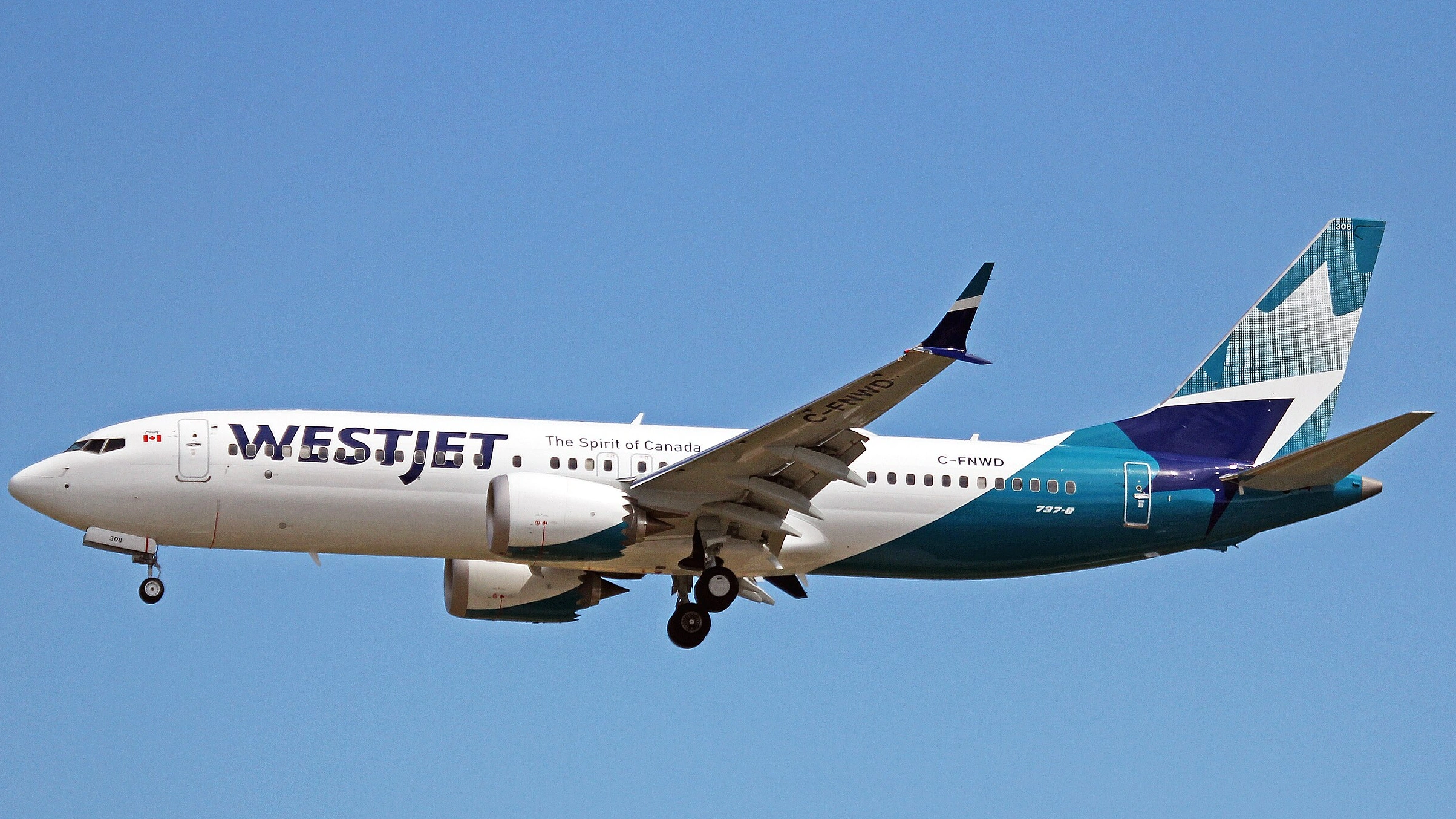
Photo: Ken Fielding | Wikimedia Commons

WestJet overview

Attribute Details
Full airline name WestJet Airlines Ltd
IATA code WS
Founded 1994; commenced operations 1996
Headquarters Calgary, Alberta, Canada
Fleet size Approximately 153 aircraft
Major hubs Calgary (YYC), Toronto (YYZ), Vancouver (YVR)
Destinations Over 100 worldwide
CEO Alexis von Hoensbroech
Frequent flyer WestJet Rewards
Employees 14,000 (May 2024)
Photo: 4300streetcar | Wikimedia Commons

Fat Shaming in WestJet: Incident Description

Rogers told Global News that the flight atmosphere was calm and service standard until the approach to Mazatlán. Cabin service had been cordial, with flight attendants unexpectedly offering full cans of soft drink instead of the usual cup and ice — a gesture Rogers said he appreciated.

As passengers were instructed to prepare for landing, Rogers says a different crew member approached to collect rubbish. He presented two cans, expecting routine disposal. He alleges the attendant then gestured toward his stomach and said, “That’s the result,” after making a gesture implying excess weight. The physical gesture — which reportedly included a tap on Rogers’ abdomen — surprised and offended him, prompting discomfort throughout his vacation.
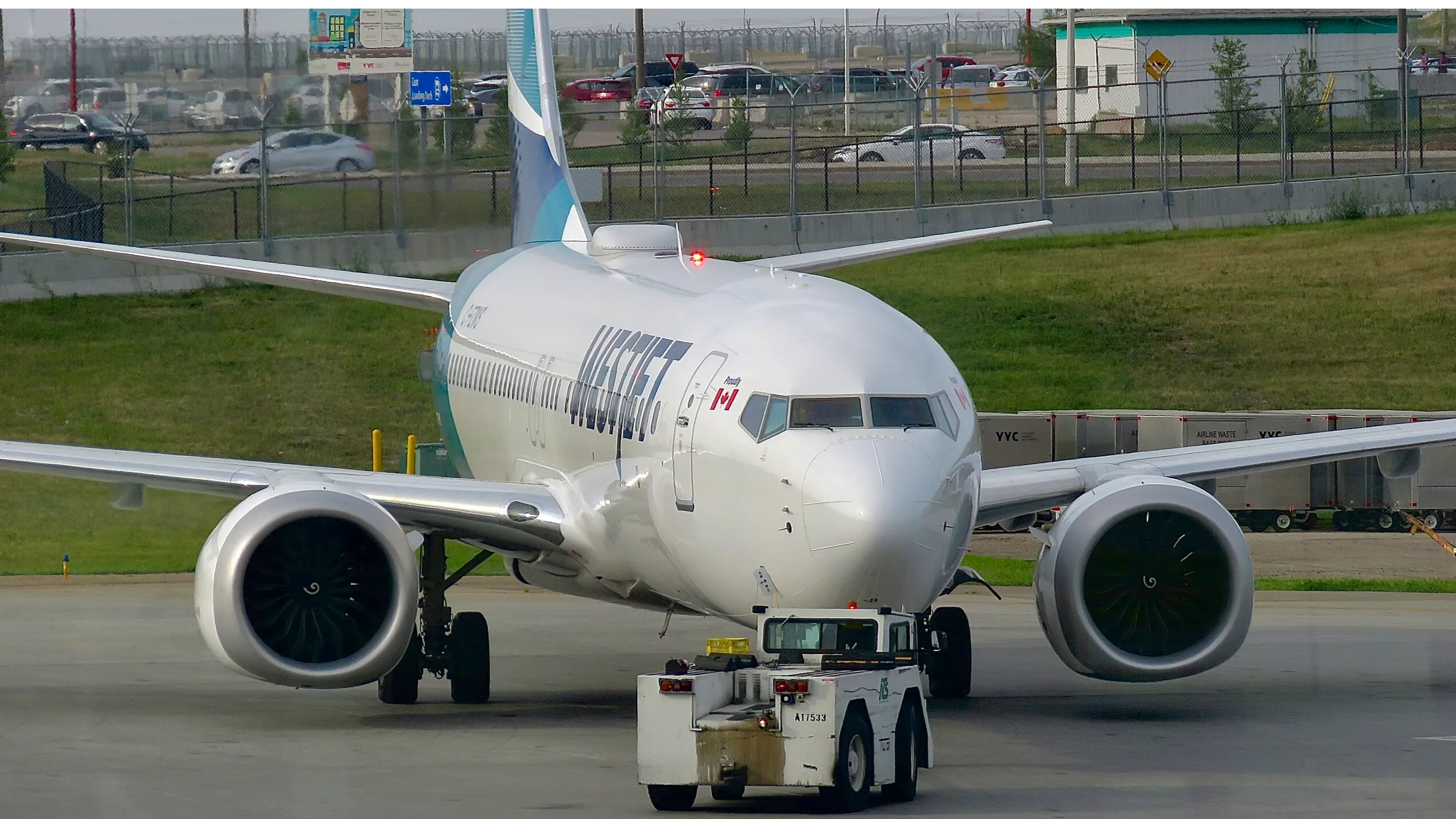
Photo: FlyingJay Photography | Wikimedia Commons

Passenger Perspective

Rogers, a 23-year military veteran, characterized himself as seldom easily offended but said this interaction left him bewildered and upset. He stressed that there was no preceding banter or exchange with this particular crew member that could have suggested familiarity or implied consent for such a comment.

Upon landing, Rogers, his wife, and another passenger discussed the encounter but initially did not pursue further action. Only after advice from relatives in Mazatlán did he reach out to WestJet via email.

WestJet responded promptly with an apology but declined to offer compensation because there was no corroborating evidence of the interaction. The airline’s statement regarding the matter was quoted in Global News in the following way:

“WestJet takes matters of this nature very seriously; the guest’s allegations have been escalated for internal review to ensure appropriate action is taken. We hope to resolve this situation directly with the guest.”
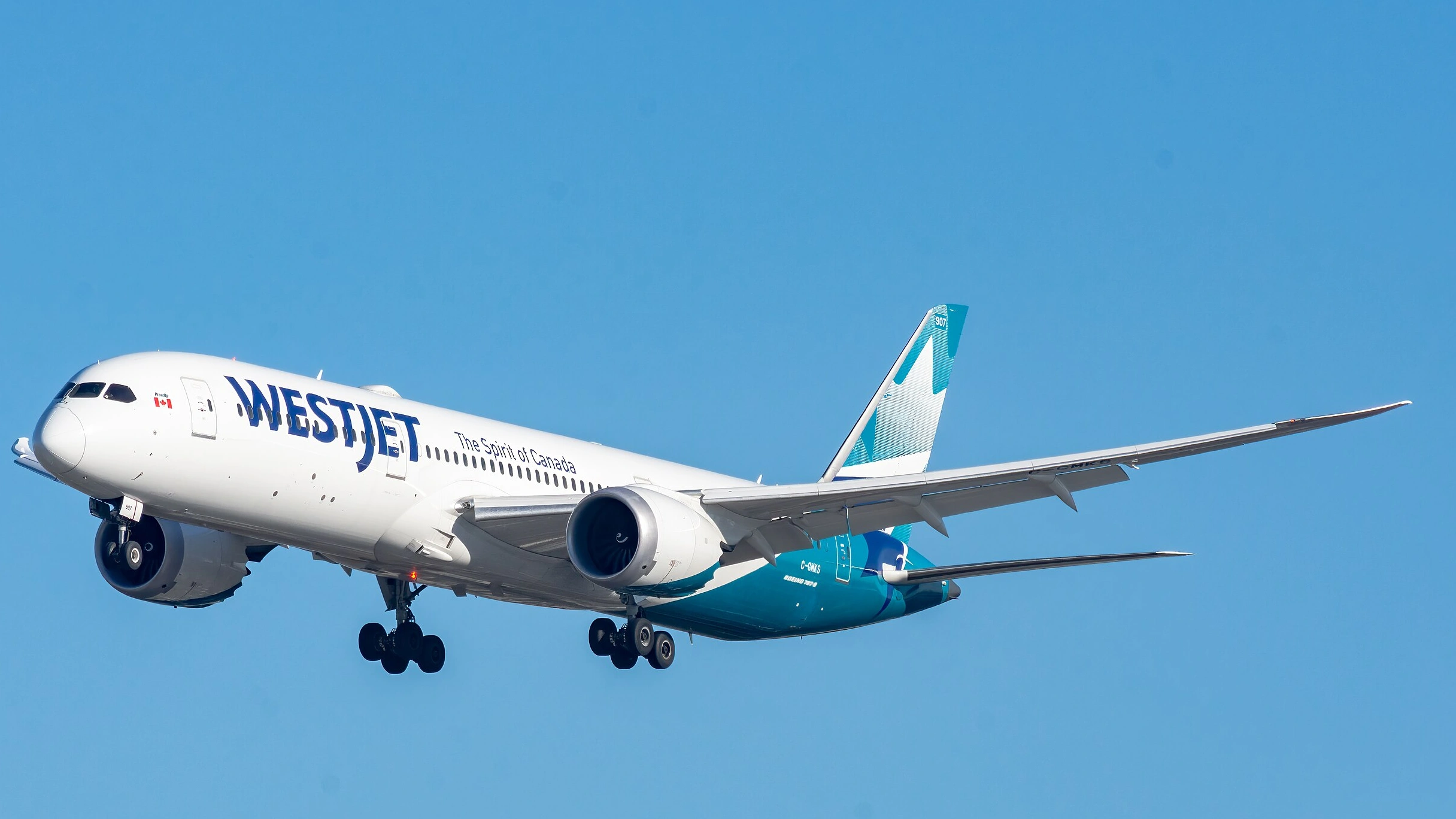
Photo: Quintin Soloviev | Wikimedia Commons

Similar Incidents of Flight Shaming in Aviation: A Comparison

To place Rogers’ complaint in broader perspective, here are reported past industry situations involving allegations of insensitive behavior — whether by passenger-to-passenger or airline staff.

Date / Period Airline / Flight / Context Incident Summary Source / Reference
Jan 2, 2026 United Airlines A passenger in the middle seat loudly fat-shamed the two passengers next to her on a United flight from Las Vegas to Newark — complaining about their weight, mocking them, and was ultimately removed from the plane by crew. CBS News
Sept 14, 2025 Delta Air Lines Comedian Guy Branum alleged a fellow passenger elbowed him and made derogatory comments about his size during a Comfort+ flight, saying he was “too fat to sit there,” sparking discussion about size bias in close seating. People.com
2025 / Jan 27, 2026 rollout Southwest Airlines (policy) Southwest announced a policy requiring plus-size passengers who encroach on adjacent seats to pre-purchase extra seats — widely criticized as discriminatory and “fat-shaming” by advocates. New York Post
(Ongoing coverage 2025) Qantas (Australia) A passenger aboard a Qantas flight claims cabin crew told him he couldn’t sit in his booked exit row and suggested purchasing a second seat, which he described as “fat-shaming.” Newsweek
Oct 18, 2025 British Airways (staff conduct) Two British Airways cabin crew were suspended for allegedly mocking a colleague’s weight in private staff messages — raising concerns about workplace fat-shaming in aviation. The National Pulse

One of the most talked-about incidents related to fat-shaming was the purchase of extra seats for “customers who encroach upon the neighboring seat(s)“. The rules are subject to change from this year.

Photo: Johnnyw3 | Wikimedia Commons

For Southwest flights operating under the open-seating policy and departing on or before January 26, 2026, passengers who arrive at the airport without having reserved the extra space they require may still be accommodated, depending on availability. If it is determined that an additional seat is needed and space is available, Southwest will provide a complimentary extra seat.

However, if the flight is full, the passenger will be rebooked on another flight with available seating, and if this determination is made after boarding, the passenger may be required to deplane to allow for rebooking.

Photo: Southwest Airlines

Once travel is complete, passengers must request any applicable refunds. It is also noted that an additional seat purchased by a customer traveling on an itinerary that includes a partner carrier is non-refundable.

Category Paraphrased Details
Applicable flights Southwest® flights operating with assigned seating on or after January 27, 2026
Arriving without reserved extra space Passengers who have not secured the additional space they need will be required to purchase an extra seat at the airport at the prevailing day-of-travel fare, including any applicable seat fees
If adjacent seats are unavailable If the flight is full or side-by-side seats cannot be accommodated, the passenger will be rebooked on another flight where suitable seating is available
Decision made after boarding In cases where the need for an extra seat is identified after boarding, the passenger may be asked to leave the aircraft to facilitate rebooking
Seat selection during booking Seat selection may be available at the time of booking depending on the fare type purchased
If seat selection is unavailable Passengers are encouraged to contact Southwest as early as possible so alternative seating arrangements can be explored
Seat assignments for travel companions If a fare does not include seat selection, seat assignments will not be provided for other members of the passenger’s party
Rebooking due to fare-class limits If adjacent seats are unavailable within the purchased fare class, Southwest will attempt to rebook the passenger on another flight with suitable seating
Refund eligibility for extra seat Passengers may request a refund for the additional seat after completing travel
Refund condition – seat availability The flight must depart with at least one unoccupied seat, or with passengers traveling on space-available passes
Refund condition – fare class Both seats must be purchased under the same fare category (Choice, Choice Preferred, Choice Extra, or Basic)
Refund request timeframe Refund requests must be submitted within 90 days of travel

Photo: Mitchul Hope | Wikimedia Commons

All in All

The Rogers incident underscores a broader industry challenge: balancing operational rigor with empathetic passenger service. While WestJet has opened an internal review and apologised for the experience, the absence of physical proof complicates compensation discussions.

IATA encourages not to “discriminate on the basis of race, color, national origin, religion, sex (including sexual orientation), or ancestry in air travel“, but discrimination on the basis of body weight hasn’t been written down. Here’s a synopsis of IATA’s guidance on making sure that there’s a lack of discrimination in the aircraft:

Principle Key Guidance for Airline Personnel
Comprehensive evaluation Assess the full context before acting and determine whether concerns are based on behavior rather than a passenger’s appearance or perceived race, color, national origin, religion, sex (including sexual orientation), or ancestry
Effective communication Actively exchange information with the passenger, colleagues, and, where appropriate, other travelers to clarify facts and confirm details
Adherence to protocol Follow airline procedures, decision-making processes, and relevant government directives when conducting inquiries
Individualized assessment Base decisions on specific, reasonable facts; a passenger’s perceived personal characteristics alone are never a valid basis for action
Threat inquiry Confirm that proper inquiry was conducted by speaking with the passenger, consulting colleagues, following training and policy, and avoiding reliance on stereotypes
Resolution and remedy Use conflict-resolution and anti-bias techniques to address the situation lawfully, explain decisions clearly, and take appropriate action under airline policy

Leave a Comment

Your email address will not be published. Required fields are marked *

Scroll to Top