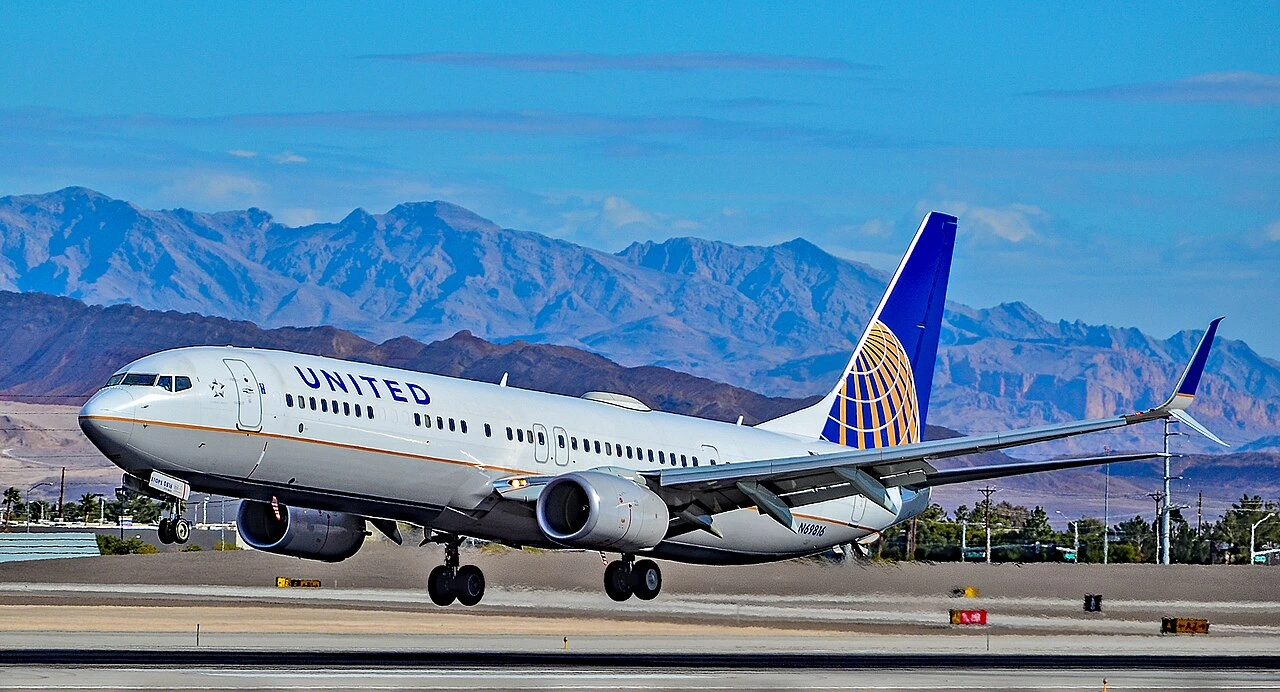
United Airlines (UA) flight UA1535, operated by a Boeing 737-924ER registered N69816, departed Washington Dulles International Airport (IAD) on Tuesday, June 9, 2026. The aircraft took off from runway 19L, but the flight crew received cockpit warnings indicating the nose landing gear had failed to retract after takeoff. The pilots immediately capped the aircraft’s altitude at 3,700 feet and began working through emergency checklists while consulting with air traffic control, The Aviation Herlad reported.
The crew determined that a return to IAD was the safest course of action. The aircraft entered a holding pattern for approximately one hour to reduce fuel weight before landing safely on runway 19R. No injuries were reported among passengers or crew. The aircraft was subsequently removed from service for a maintenance inspection.
What Happened Aboard UA1535 On June 9
United Airlines flight UA1535 departed IAD’s runway 19L on June 9, 2026, when warning indications appeared in the cockpit shortly after becoming airborne. The indications showed that the nose landing gear had not retracted as expected. The flight crew responded by halting the climb at 3,700 feet and immediately reviewing emergency procedures.
After assessing the situation, the pilots coordinated with air traffic control and elected to return to IAD rather than continue to their scheduled destination. The Boeing 737-924ER was vectored into a holding pattern where it circled for roughly one hour. This fuel-burn procedure is standard practice: it reduces the aircraft’s landing weight and lowers structural stress on the landing gear during touchdown. The aircraft touched down safely on runway 19R with no further incident.
How The Boeing 737’s Nose Gear Retraction System Works
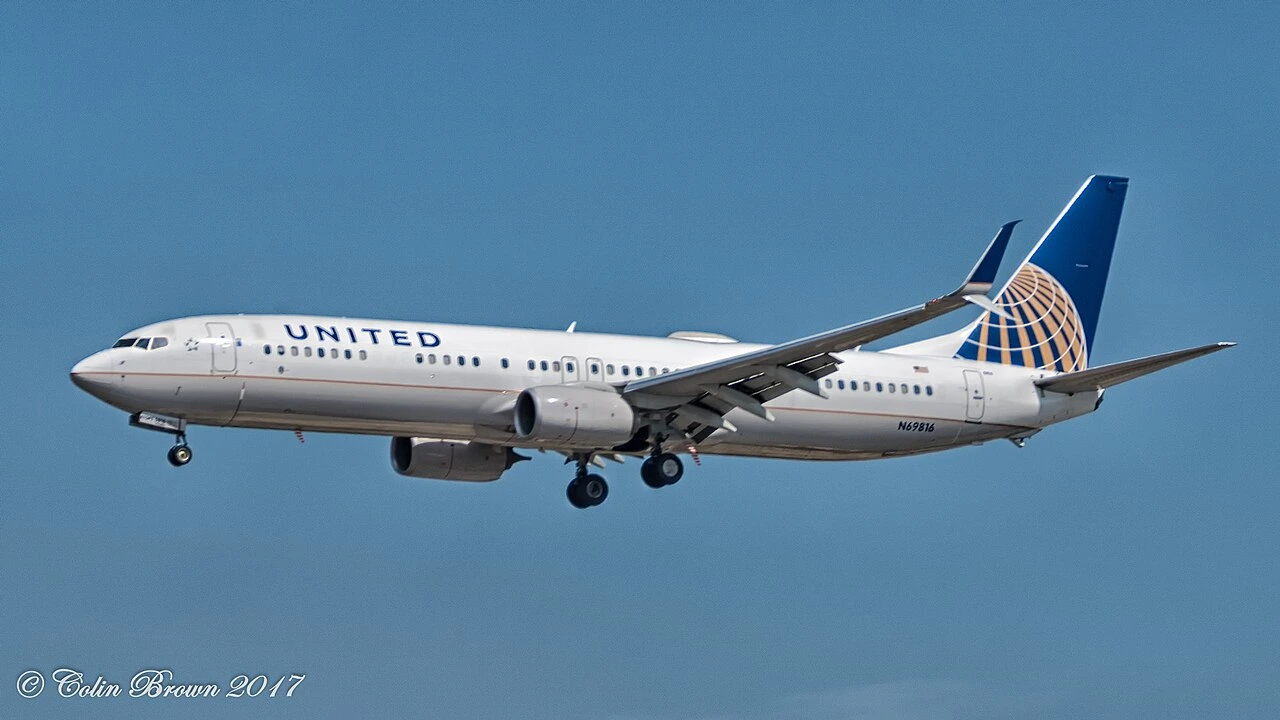
On the Boeing 737, landing gear retraction follows a specific hydraulic sequence after takeoff. The pilot activates the retract system by moving a lever, which directs hydraulic pressure first to the main gear actuators and then to the nose gear. Precise synchronisation between the main and nose gear components is maintained through mechanical interlocks and position indicators.
The nose gear retracts rearward into a bay under the forward fuselage and is secured by uplocks once fully stowed. Brakes on the 737 are automatically applied during gear retraction to stop the wheels from spinning before they enter the wheel well. If any part of this sequence fails — whether due to a hydraulic fault, an uplock malfunction, or a sensor error — the cockpit displays a gear-unsafe warning. Aviation maintenance records identify multiple potential causes for gear retraction failures, including hydraulic actuator faults, uplock failures, and components becoming jammed in the wheel well.
United CEO Scott Kirby Has Previously Addressed the Incident Pattern
When a cluster of Boeing-related incidents hit United in early 2024, CEO Scott Kirby wrote directly to customers. As reported by Aerotime, Kirby stated:
“Unfortunately, in the past few weeks, our airline has experienced a number of incidents that are reminders of the importance of safety. While they are all unrelated, I want you to know that these incidents have our attention and have sharpened our focus.”
Kirby also said:
“Our team is reviewing the details of each case to understand what happened and using those insights to inform our safety training and procedures across all employee groups.”
In response to the 2024 incidents, United announced an additional day of in-person pilot training starting in May 2024, a centralised curriculum for new maintenance technicians, and increased resources for supplier network management.
United has not yet issued a public statement specific to the June 9, 2026, nose gear incident aboard UA1535.
Aircraft Grounded for Inspection
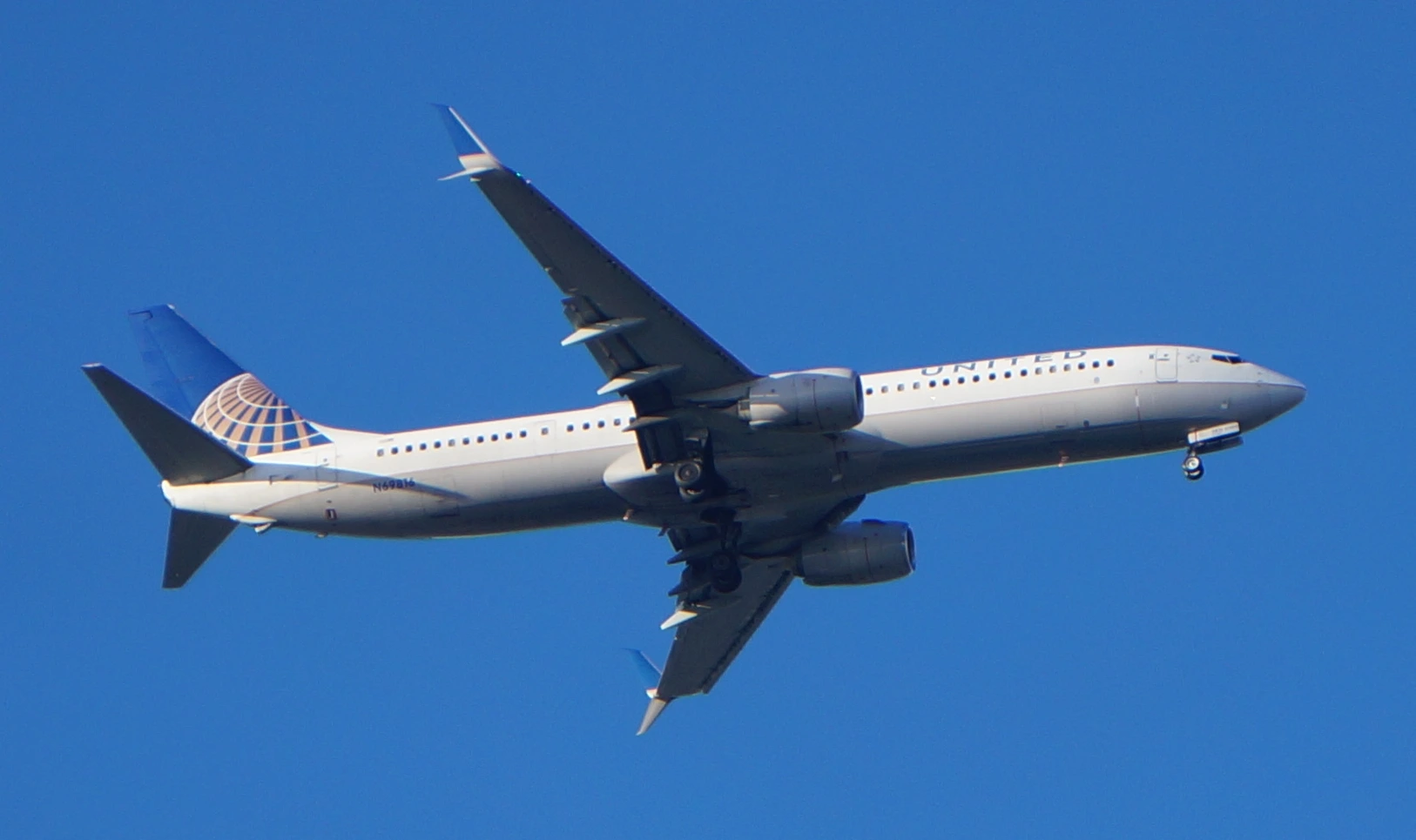
Following the safe landing, the aircraft was removed from service and placed under a thorough maintenance review. Maintenance teams will inspect the nose gear retraction mechanism, hydraulic lines, actuators, uplock components, and associated sensors to determine the root cause of the failure to retract.
Under U.S. Federal Aviation Administration (FAA) regulations, any aircraft that experiences an in-service mechanical incident must undergo a full technical assessment before it is returned to revenue service. Depending on what the inspection reveals, the repair timeline and reporting obligations will be determined by the maintenance team’s findings and any applicable airworthiness directives.
No regulatory authority has publicly announced the opening of a formal investigation into this specific incident at this time.

_-_cn_42176_-_4802_(30608964114).jpg)
_-_United_Airlines_(37440866851).jpg)

.jpg)