AirAsia X (D7), Malaysia’s long-haul low-cost carrier, has postponed the launch of its planned service via Bahrain International Airport (BAH) until at least August 2026, citing the ongoing military conflict in the Middle East as the primary reason, Zawya reported. The airline had originally announced on 11 February 2026 that it would begin operating a daily route linking Kuala Lumpur International Airport (KUL) to Bahrain and onward to London Gatwick Airport (LGW) starting 26 June 2026, with Bahrain serving as the airline’s first hub outside Asia.
The airline confirmed on 11 June 2026 that the new start date has moved to 27 August 2026, subject to market conditions, with a possible further delay to September. The decision affects passengers who booked flights under the original June schedule. AirAsia X said it will offer those passengers refunds or rescheduled bookings. The airline added that it remains committed to establishing a hub in Bahrain but is taking a “measured approach” while the operating environment remains uncertain.

Why AirAsia X Chose Bahrain as Its First Global Hub
AirAsia X announced its return to London in February 2026 after a 14-year absence, when it last operated at London Gatwick in 2012. The carrier first entered the UK market in 2009, initially at London Stansted before switching to Gatwick in 2011. The new route marks a strategic comeback rather than a simple restoration.
The airline selected Bahrain specifically because its Airbus A330-300 aircraft do not have sufficient range to operate a non-stop service between Kuala Lumpur and London. Using Bahrain as a technical stopover solves the range constraint while also positioning the kingdom as a commercial hub. AirAsia X secured Fifth Freedom rights on the Bahrain-to-London segment, allowing it to sell seats on that sector independently of the Kuala Lumpur connection.
The February announcement was made at a press conference in Manama attended by senior Bahraini government officials. Bahrain’s Minister of Finance and National Economy, H.E. Shaikh Salman bin Khalifa Al Khalifa, said at the time:
“This agreement with AirAsia X is a strategic decision that reflects Bahrain’s strength as an economic partner, and its role as a centre for regional and global connectivity.”
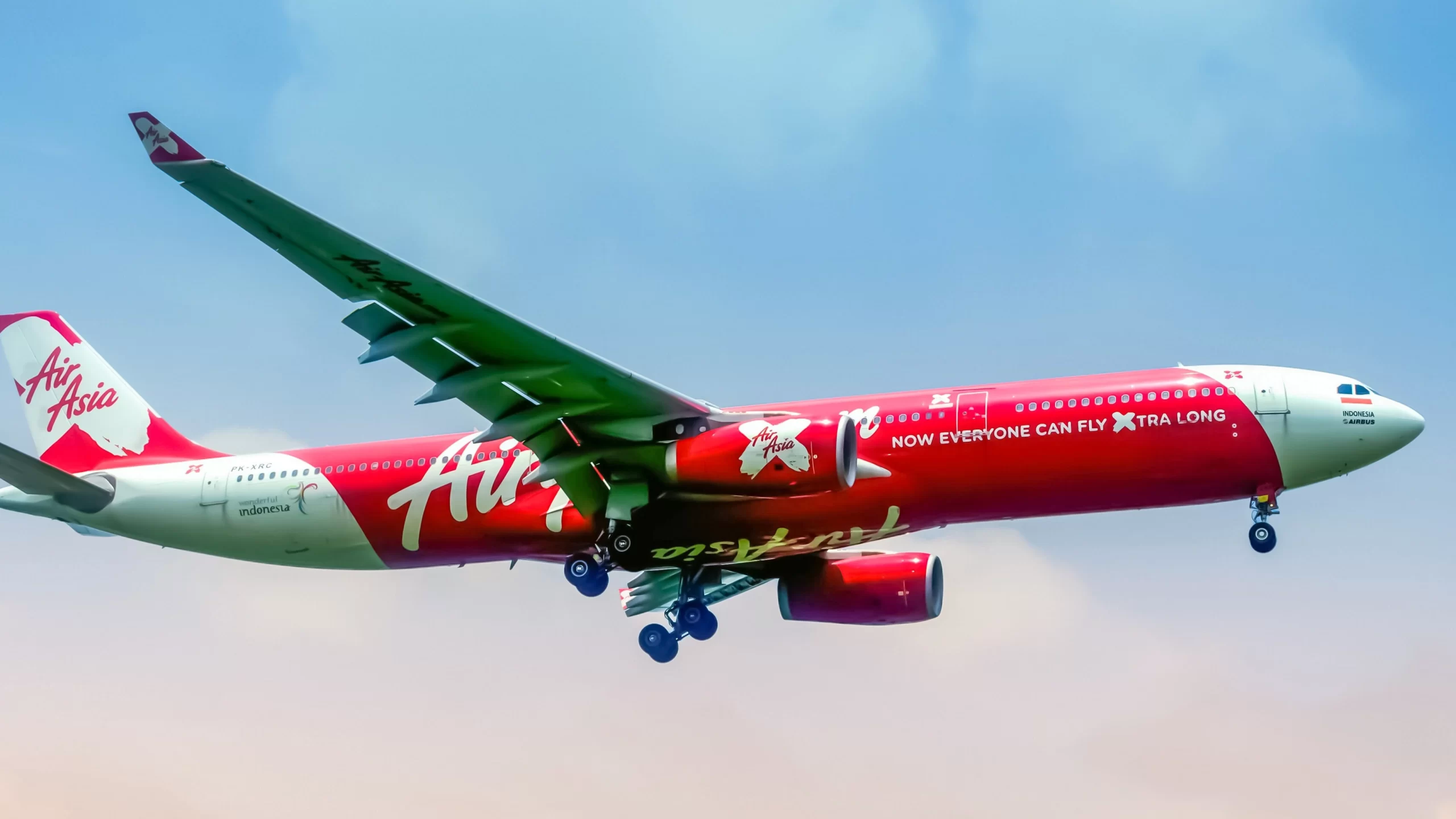
What The Postponement Means for Passengers and Bookings
AirAsia X filed a schedule update with aviation tracking platform AeroRoutes on 4 June 2026, confirming the revised launch date of 27 August. The airline will initially operate four weekly flights on the route until 15 September 2026, before increasing to daily services from 2 November 2026.
Passengers who purchased tickets for the June launch under introductory fares — which started from BHD 39 (approximately £82) one-way from Bahrain — should verify their bookings immediately. The airline’s stated passenger options are:
- Full refund of the original fare paid
- Free rebooking to a later departure date, subject to seat availability
- Bookings can be managed via airasia.com or the AirAsia MOVE app
The Kuala Lumpur-to-London travel market remains active, with over 300,000 passengers travelling annually between the two cities. AirAsia X’s entry was expected to introduce direct low-cost competition to Malaysia Airlines (MH), which currently operates two daily non-stop services from Kuala Lumpur International Airport to London Heathrow Airport (LHR). British Airways (BA) also operates one daily non-stop flight on the same corridor.
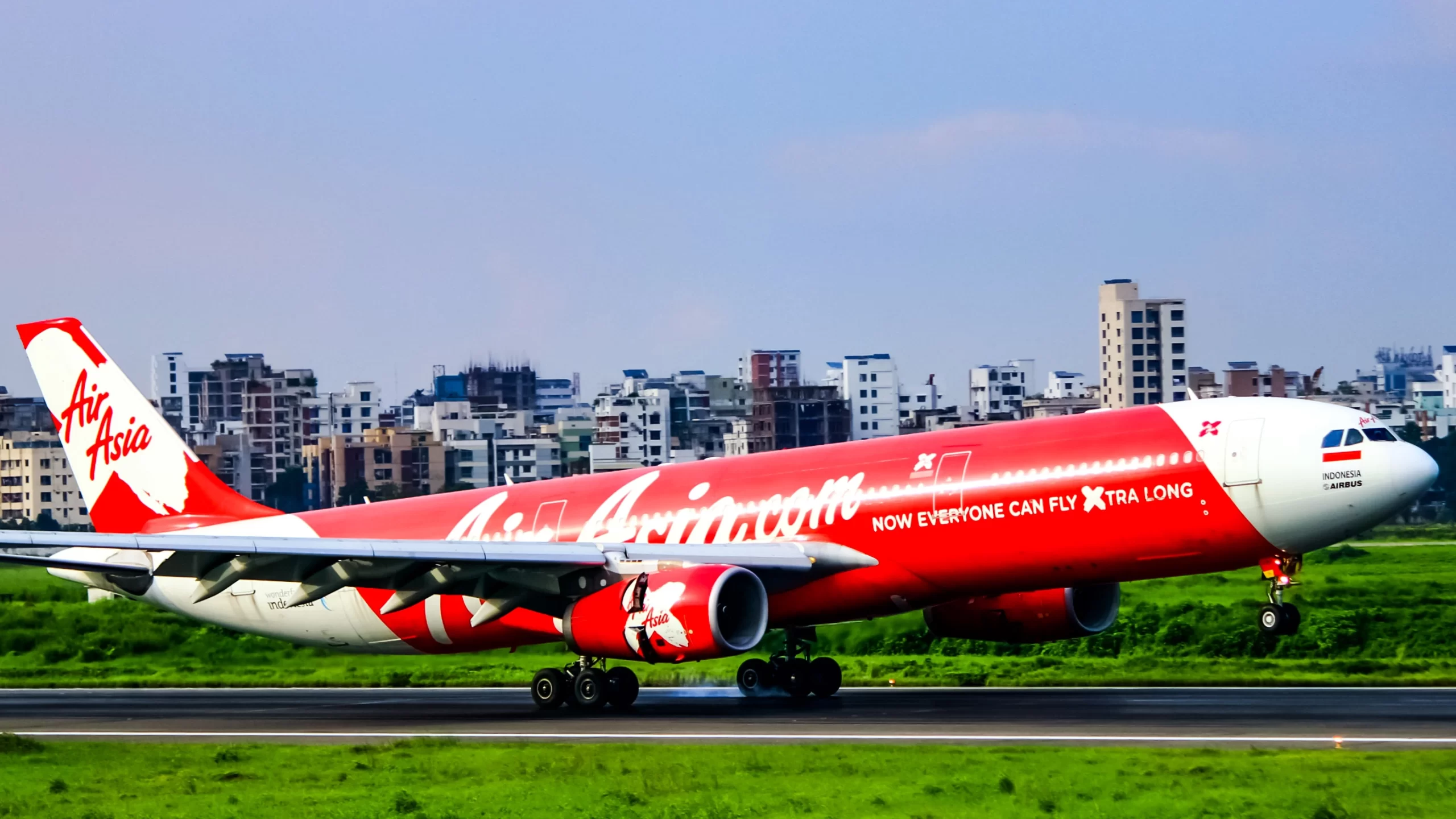
The Aircraft Powering the Route: Airbus A330-300
AirAsia X operates the KUL-BAH-LGW service exclusively on its Airbus A330-300 (333) widebody aircraft. The carrier currently operates a fleet of 19 active A330-300s, with an average fleet age of approximately 11 years. Key features of the aircraft configuration on this route include:
- Total capacity: Up to 367 seats in an all-economy layout (no business class on the LGW-configured variant)
- Quiet Zone: Rows reserved exclusively for passengers aged 10 and above, available on most A330-300 variants
- Hot Seats: Extra-legroom seats available for purchase at check-in or booking
- Range: The A330-300 has an operational range of 5,000 to 6,000 nautical miles, making Bahrain a necessary technical stop for the full Kuala Lumpur-to-London journey of approximately 10,600 kilometres
- In-flight entertainment: Individual IFE screens available at select seat categories
AirAsia X CEO Benyamin Ismail told Aviation Week in September 2025 that the carrier operates 19 active A330s and planned to expand the fleet by four additional aircraft. The airline also plans to receive Airbus A321neo and A321LR aircraft in the second half of 2026, which will open medium-haul routes of five to seven hours.
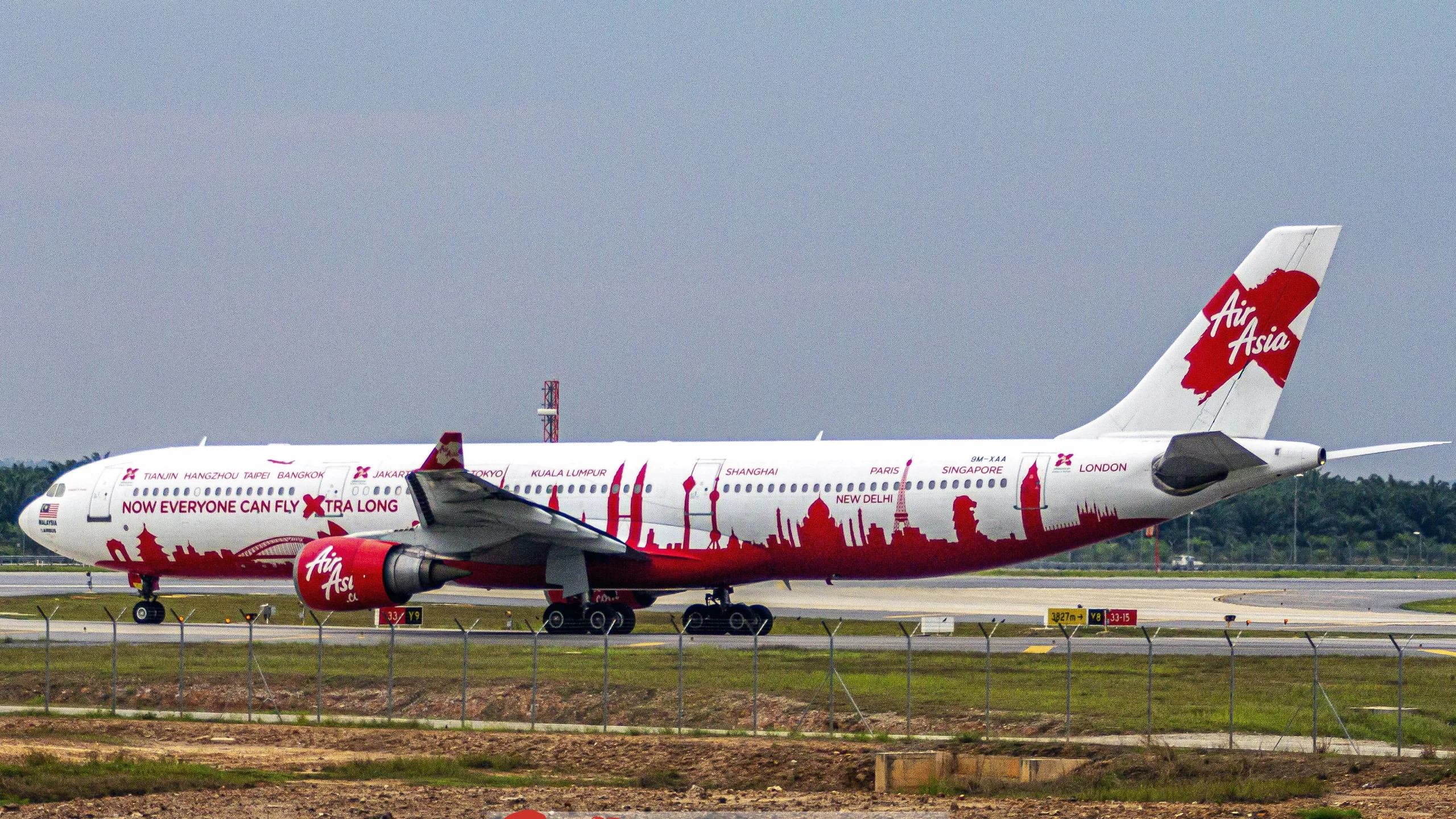
AirAsia X’s Financial Position Before the Delay
The postponement comes at a difficult time for AirAsia X’s finances. The airline reported a net loss of RM154.9 million for the first quarter of 2026 ended 31 March 2026, reversing a profit of RM78.6 million in the preceding quarter and a net profit of RM50.2 million in the same period of 2025.
The loss was driven primarily by a RM232.2 million foreign exchange loss caused by the depreciation of regional currencies including the Thai baht, Indonesian rupiah, and Philippine peso against the US dollar. Jet fuel prices also surged, surpassing USD 200 per barrel in late March 2026, adding an unexpected RM200 million to Malaysian operations’ fuel costs within a single quarter.
In response, AirAsia X implemented several defensive measures:
- A fuel surcharge and fare increase across almost its entire network, effective 6 March 2026
- A 10% reduction in second-quarter 2026 capacity to prioritise yield over volume
- The temporary suspension of 21 routes to cut exposure to loss-making markets
- Securing USD 300 million in funding on favourable terms during Q1 2026
Despite the headline loss, the group recorded a positive net operating profit of RM199 million and an EBITDA of RM1,009 million for the quarter, reflecting the underlying strength of its enlarged platform. The group has withheld its full-year 2026 financial targets — including a revenue target of RM25 billion and an EBITDA target of RM5 billion — until operating conditions stabilize.
.jpg)


.jpg)