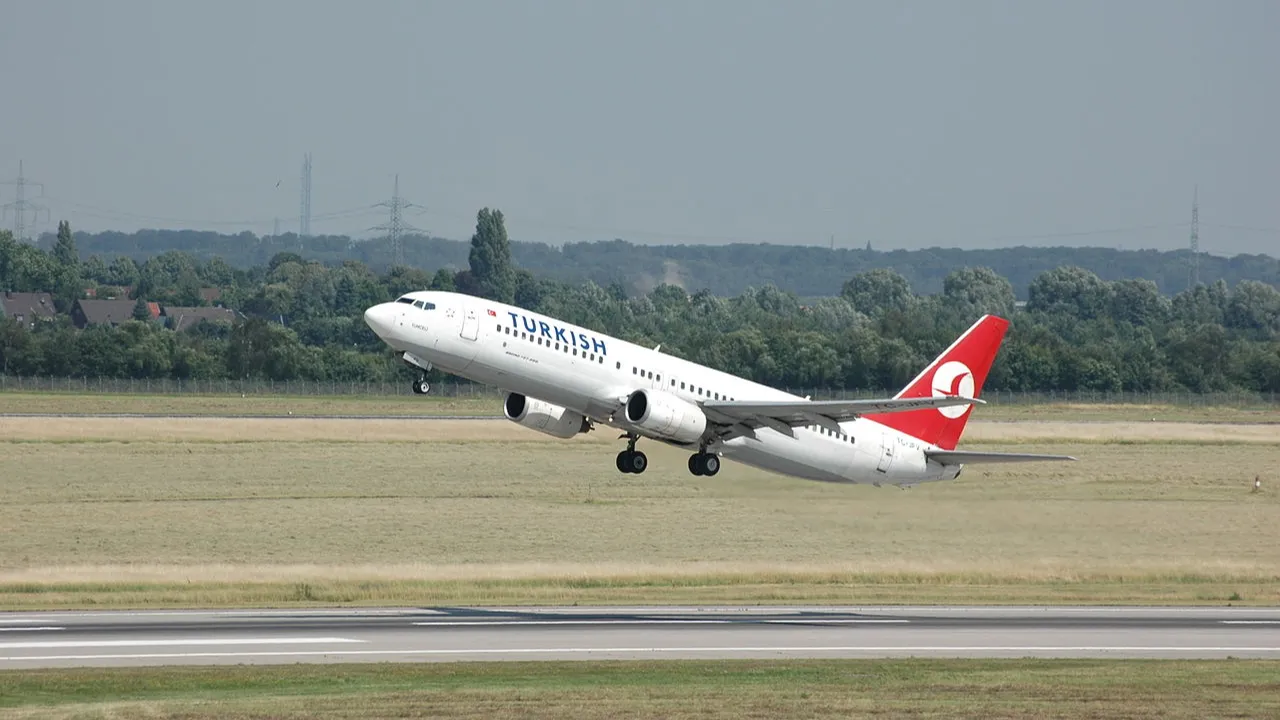
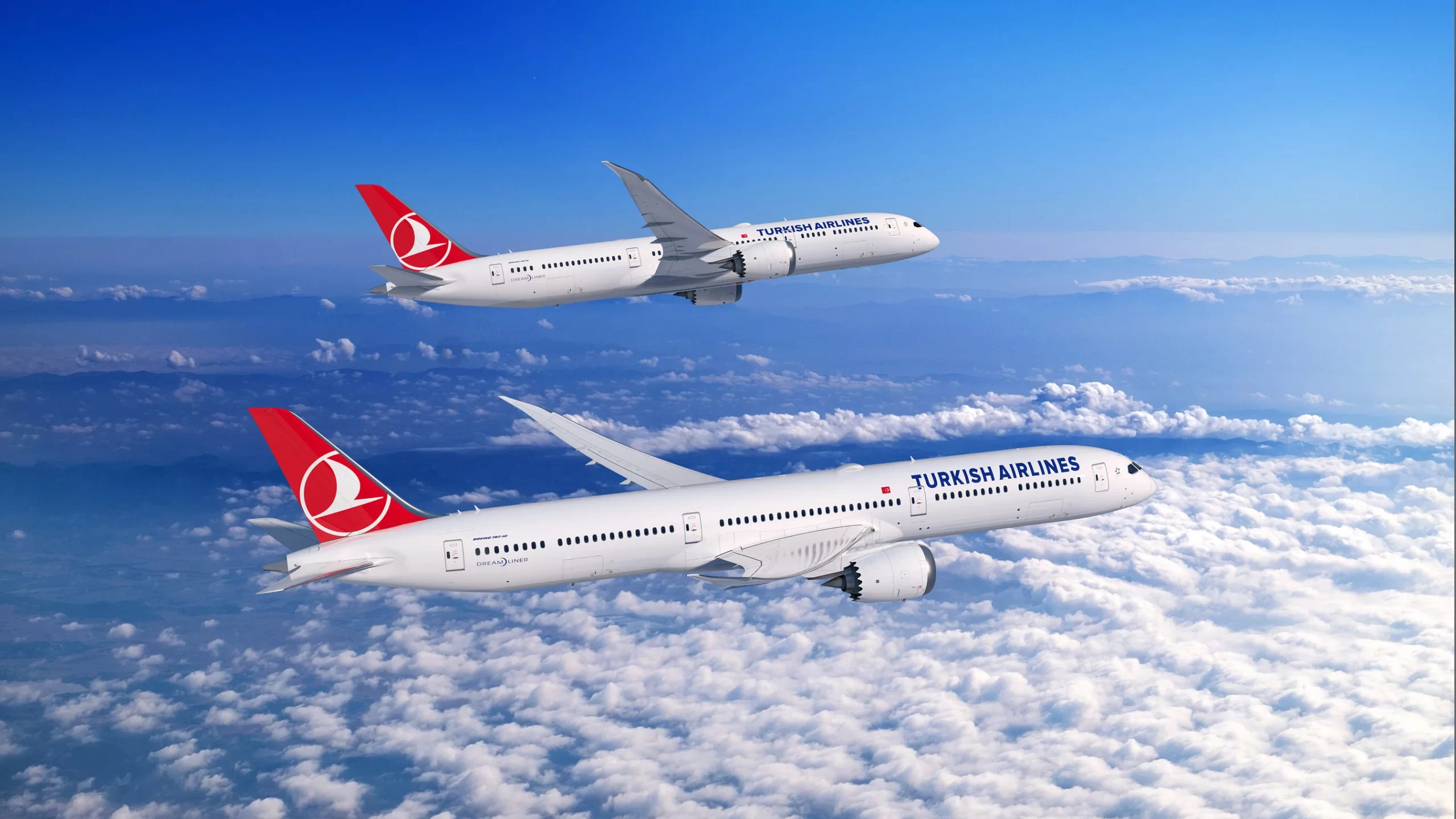
A prominent aviation journalist, Ali Kıdık, has claimed that Turkish Airlines (TK) has placed him on its internal “No‑Fly List” in a move he describes as an attempt to “silence criticism” of Türkiye’s flag carrier, reported Paddle Your Own Kanoo. The airline reportedly told Kıdık that he would be barred from the airline’s flights until 12 July 2026, pointing to alleged behaviour “not in line with [the carrier’s] brand image”.
.jpg)
The reported ban was communicated via email and is said to relate to social media posts and reporting that Turkish Airlines found damaging to its reputation.
Turkish Airlines
| Attribute | Detail |
|---|---|
| Airline name | Turkish Airlines |
| IATA code | TK |
| ICAO code | THY |
| Founded | 20 May 1933 |
| Headquarters | Istanbul, Türkiye |
| Primary hub | Istanbul Airport (IST), Istanbul |
| Fleet size (approx.) | 380+ aircraft |
| Destinations | 300+ global destinations (most countries served) |

Sulaymaniyah Welcomes Back Turkish Airlines after 2½ Years: What Travelers Need to Know
What Happened Ali Kıdık – the Journalist banned from Turkish Airlines?
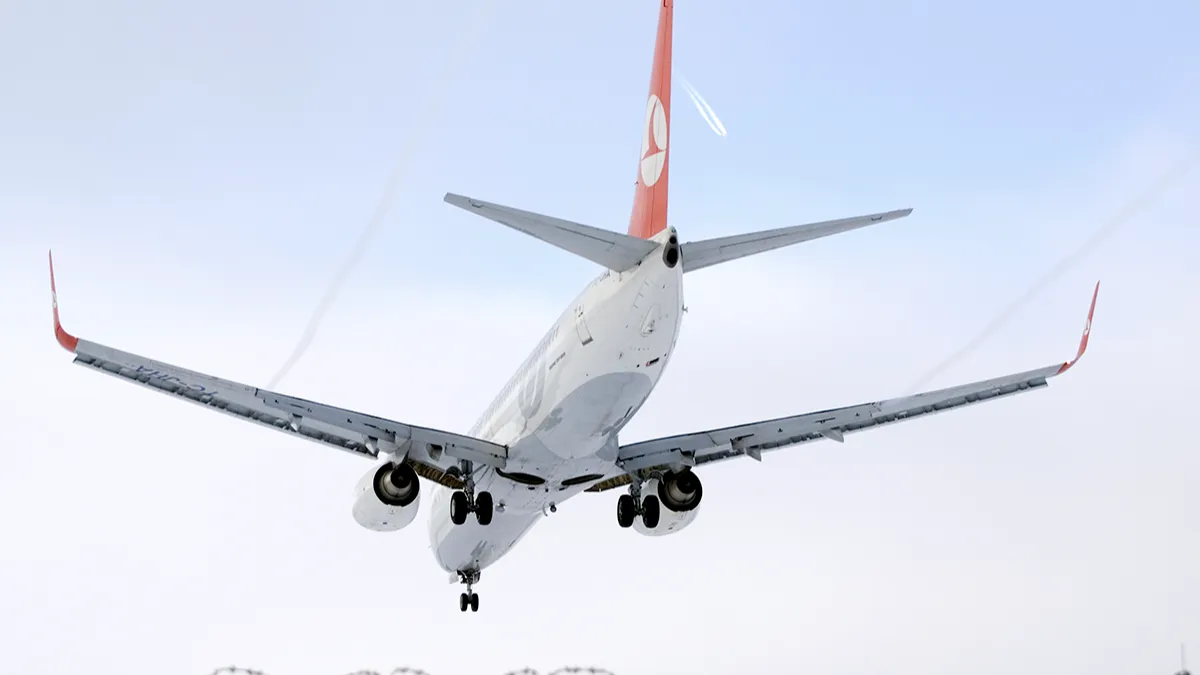
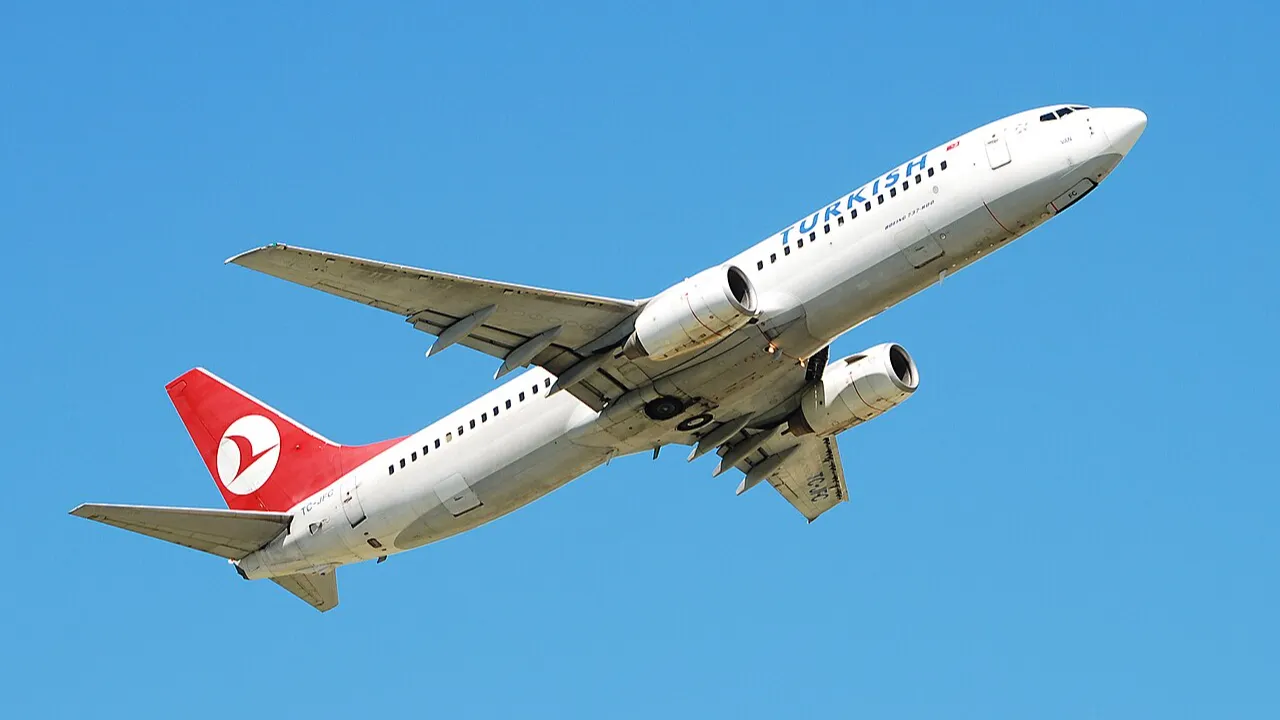
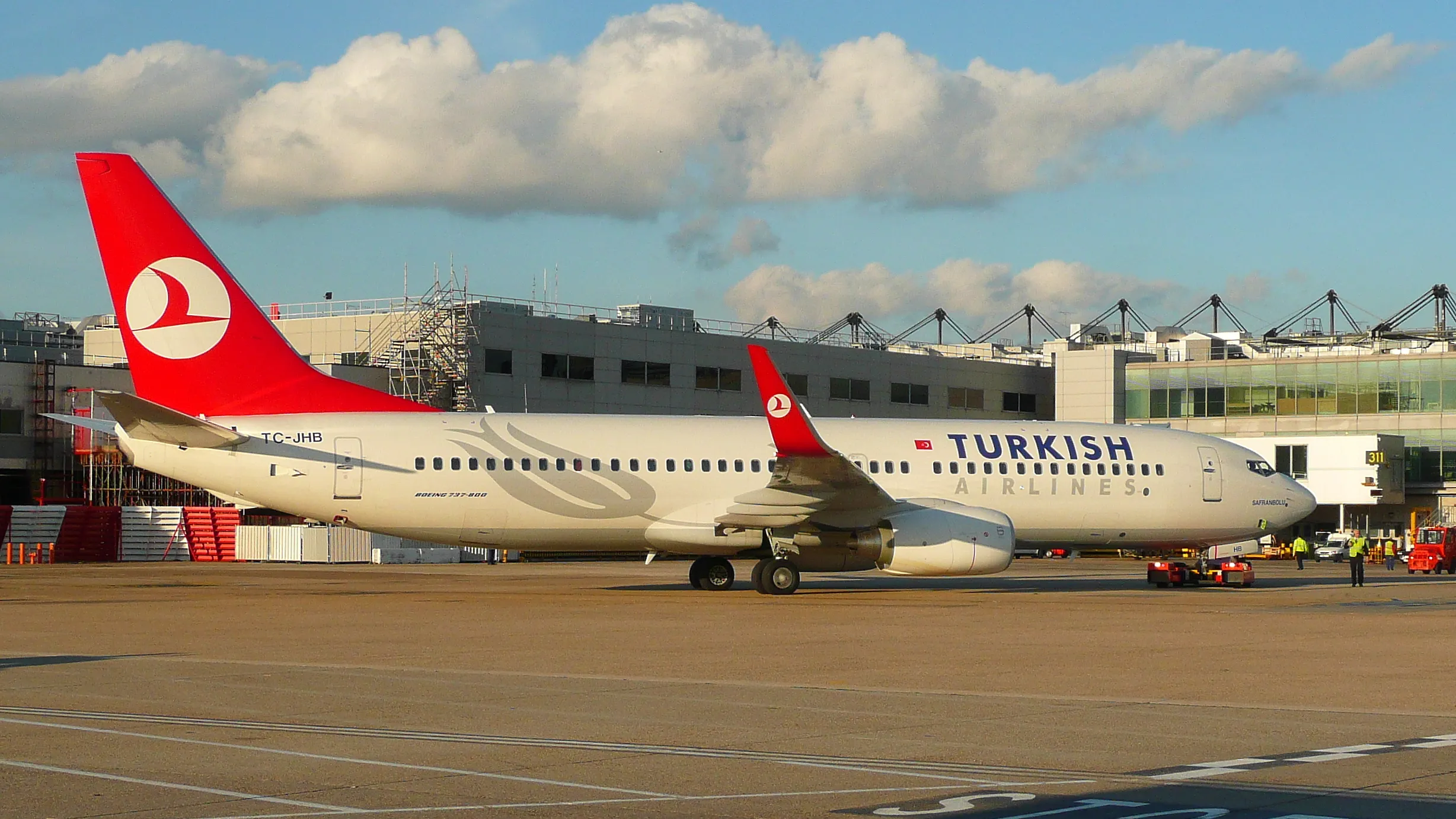
Turkish Airlines, which has one of the largest airline fleets in 2026, is the national flag carrier of Türkiye, serving one of the world’s most extensive international route networks. It operates from Istanbul Airport (IST) as its primary hub and is a member of the Star Alliance network. Ali Kıdık — an established aviation reporter with a significant following in Türkiye — received an email stating that he had been added to the airline’s “Safe Flight Passenger Tracking System“, which Turkish Airlines uses to monitor passengers whose conduct it deems potentially damaging to the airline’s brand.
The email stated that he would be banned from travelling on Turkish Airlines flights until 12 July 2026. The airline’s stated ground for this was behavior “not in line with [its] brand image” though specific reasons were not formally disclosed:
“Airline companies [Turkish Airlines] have the right not to transport passengers who do not comply with the rules established in accordance with international passenger and baggage transportation conditions. In this regard, we also include passengers who we determine to have behaved inappropriately in the Safe Flight Passenger Tracking System program”
Kıdık disputed this, asserting on social media that the decision amounted to censorship rather than normal passenger conduct enforcement.
.jpg)
Context of Turkish Airlines’ Disputed Content
Kıdık had reported that certain uniform elements, including national flag pins or portraits, were reportedly restricted for cabin crew. He criticized this perceived policy change on social platforms, raising local and aviation community debate.
Turkish Airlines has not publicly detailed which exact reporting triggered the ban, though Kıdık shared on Social Media:
“Blacklisting a journalist for aviation reporting is censorship, not professionalism”
Kıdık, albeit in a different post, also wrote:
“This method that can be applied to me today, who will it be applied to tomorrow?”
On January 7, 2026, the journalist reported that Turkish Airlines flight attendants were no longer allowed to wear national flag pins on their uniforms. Further, he also claimed that the cabin crew were also were no longer allowed to feature a portrait of the Turkey’s founder, Mustafa Kemal Atatürk. According to One Mile at a Time, “that might sound minor, but that got quite a bit of attention, especially with the way he framed it, wondering if the airline had an “issue with Atatürk and the Turkish flag?”:
“He also asked if it was something that the pro-Kurdish political party had requested. This caused many people to be angry. However, some suggest that his post may not have been completely accurate, and he may have been making a big deal out of nothing. The uniform regulations have reportedly had this rule since 2011, which limits flight attendants to only wearing their badges. A recent memo simply reminded employees of the rule. That would suggest that this wasn’t a policy change at all.”
,_Boeing_737-800.jpg)
Past Cases and Legal & Regulatory Framework
One notable incident that might be pertinent to Kıdık’s case involved Qatar Airways (QR). Aviation YouTuber Josh Cahill, who reported that the carrier effectively barred him from future flights after he published a critical review of its services.
Cahill, a well-known aviation content creator, said that after releasing a video titled “The Shocking Decline of Qatar Airways,” airline representatives contacted him with an offer of free flights if he removed the video, which he refused; subsequently, his upcoming booking was cancelled and he was informed that the airline would no longer accept future reservations from him under its conditions of carriage, which give carriers discretionary rights to refuse transport. Cahill criticised the move as a troubling example of censorship by a major airline.
A separate incident involving Turkish Airlines (TK) saw former BBC journalist Mark Mardell denied boarding on a return flight from Istanbul Airport (IST) to London due to the airline’s policy requiring a doctor’s note confirming fitness to fly because of his Parkinson’s disease.
Mardell described the experience as humiliating and unrelated to any behavioural misconduct but centred instead on a medical documentation requirement not applied consistently on his inbound flight; the airline eventually refunded his fare and updated its policy after the UK Civil Aviation Authority criticized the requirement as potentially unlawful.
Turkish Law and Press Freedom Context
Press freedom in Türkiye has been a long‑standing concern among global monitoring bodies, with Türkiye ranking low on global indices for press freedom due to legal pressures on journalists reporting on government or corporate issues. The country ranks 150 out of 180 in press freedom index.
The following table gives a cue on the journalist detentions and media restrictions in Turkey:
| Category | Metric | Figure |
|---|---|---|
| Detentions | Journalists detained | 105 |
| Arrests | Journalists formally arrested | 40 |
| Sentencing | Journalists receiving sentences | 57 |
| Legal action | Criminal investigations launched | 113 |
| Prosecutions | Indictments filed by prosecutors | 88 |
| Imprisonment | Journalists incarcerated as of Jan 5 | 28 |
| Prison sentences | Total prison time imposed | ~63 years |
| Financial penalties | Total fines imposed | TRY 244,900 (≈ USD 5,670) |
| Physical abuse | Journalists subjected to abuse | 42 |
| Threats | Journalists receiving threats | 22 |
| Obstruction | Journalists blocked from duties by law enforcement | 48 |
| Digital censorship | Websites blocked | 113 |
| Digital censorship | Journalistic materials blocked | 464 |
| Social media censorship | Social media posts blocked | 1,519 |
| Employment impact | Media workers dismissed | 294 |
| Press freedom ranking | Global rank (RSF 2025 Index) | 159 / 180 |
Data: Bgnes News Agency
_(2965659675).jpg)
Airlines Suspend Venezuela Flights Amid FAA Warning: What Travellers Need to Know
All in All
Airlines have contractual rights to refuse transport under specific behavioural criteria, extending this to journalistic critique — real or perceived — raises questions about how modern carriers address criticism in an era of pervasive social media and digital reporting. Observers across the industry will be watching how this situation evolves and whether legal, regulatory, or reputational pressures influence future airline policies on passenger selection and media engagement.