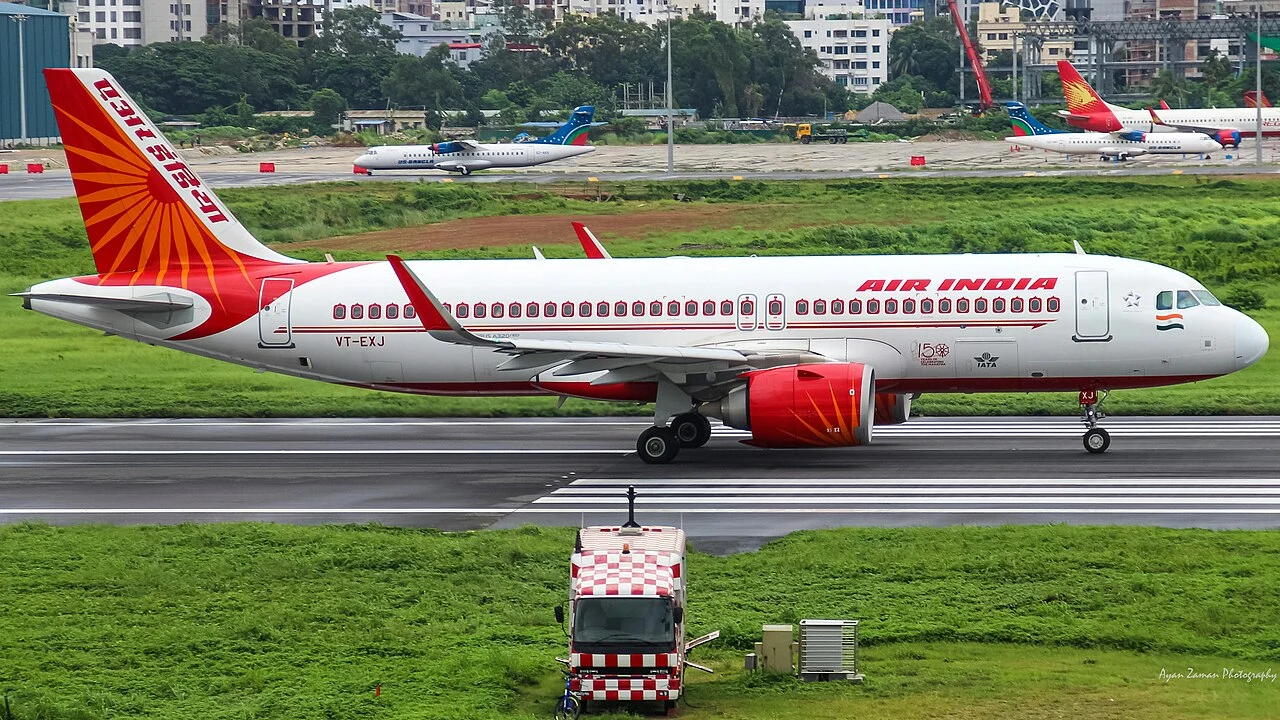
Air India (AI), India’s flag carrier, will reduce around 100 flights per day across its domestic and international network as rising jet fuel prices significantly increase operating costs. The decision affects nearly 10% of its total 1,100 daily flights, The Economic Times reported.
The capacity reduction, planned for June 2026 schedules, will most heavily impact long-haul services to Europe, North America, Australia, and Singapore. The move comes amid sustained fuel inflation and operational inefficiencies linked to extended international routing and geopolitical airspace constraints.
Fuel Costs Surge Leads to Air India Canceling 10% Flights
Air India’s decision is driven primarily by a sharp increase in aviation turbine fuel (ATF) prices, which typically account for up to 40% of airline operating expenses. Last month, India imposed a 25% cap on monthly jet fuel price increase for domestic flights. According to reporting by India Today, the decision came after “Indian retailers on Wednesday, April 1, raised prices of jet fuel, also known as aviation turbine fuel (ATF), by 8.5 per cent“.
According to reporting on global energy markets, jet fuel prices have risen significantly in 2026, tracking higher crude oil benchmarks and tightening refining margins. According to Outlook Business, Brent crude has soared to $125 per barrel. This is the highest it’s been since 2022. The same source also quoted that jet fuel’s global average was “$179.46 per barrel for the week ended April 24, up 80% from $99.40 at the end of February“.
The deepest reductions will be implemented on Air India’s international network, particularly routes linking India with Europe, North America, Australia, and Southeast Asia.
Air India has also faced increased operational costs due to longer flight paths following airspace restrictions over Pakistan, which have forced detours on Europe and North America services.
Times of India reported under the existing pricing mechanism of the Indian government, foreign airlines are charged market-linked rates, whereas domestic carriers benefit from moderated pricing, according. Earlier, on April 1, ATF prices for domestic airlines had been raised by 25 percent to Rs 104,927.18 per kilolitre.
ATF prices in India are benchmarked to the Mean of Platts Arab Gulf (MOPAG), a pricing reference compiled by S&P Global that tracks jet fuel rates across the West Asian market.
In 2022, a “crack band” ranging between $12 and $22 per barrel was introduced to limit the margins earned by oil marketing companies during periods of extreme price volatility. This crack spread represents the difference between crude oil prices and refined products such as ATF.
Financial Strain Rises for Air India
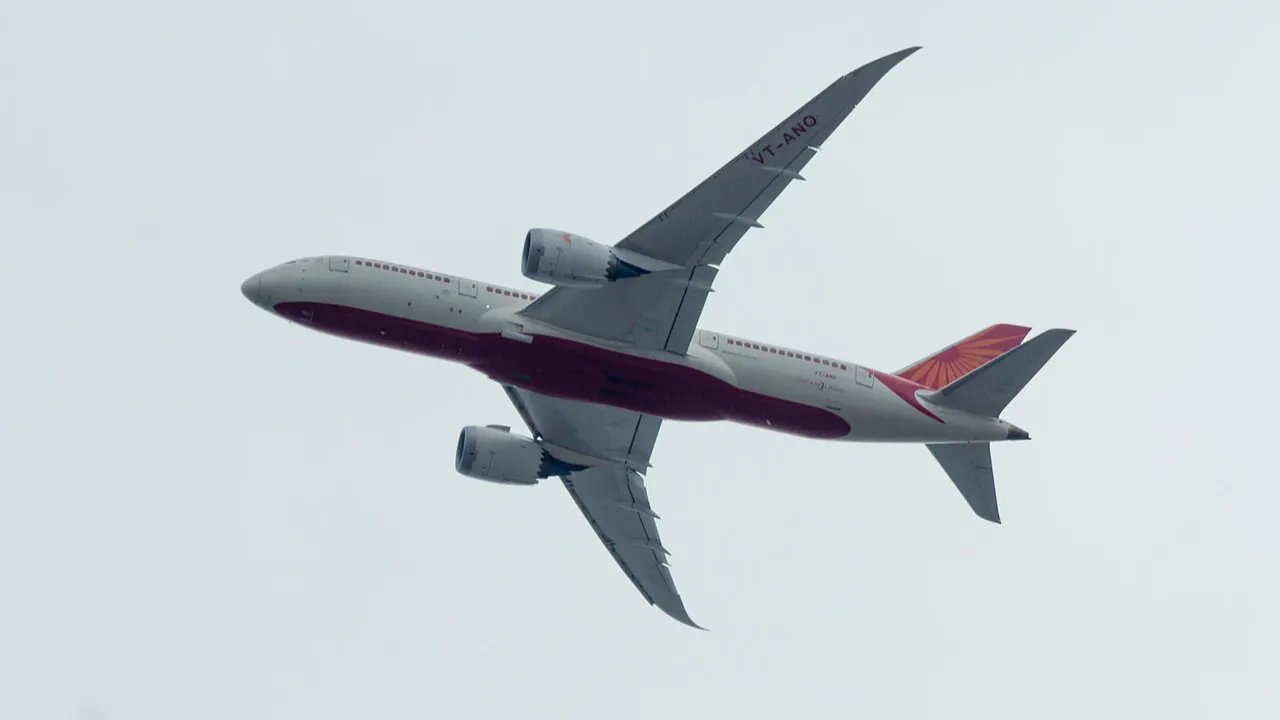
Air India is undergoing a major restructuring under Tata Sons following years of financial stress. Industry reporting indicates the airline has accumulated losses exceeding ₹20,000 crore, reflecting sustained pressure on its balance sheet. This was one of the reasons why the airline CEO Campbell Wilson had to exit.
The Federation of Indian Airlines (FIA), representing Air India (AI), IndiGo (6E), and SpiceJet (SG), has warned that continued fuel inflation could force broader capacity reductions across the Indian aviation sector. FIA’s letter to the Ministry of Civil Aviation (MoCA), was quoted in The Indian Express as having said that the “ad hoc” pricing mechanism for ATF is “creating severe imbalance in domestic and international operations and rendering airline networks unviable and unsustainable”:
“The airline industry in India is under extreme stress and are on the verge of closing down or of stopping its operations. The dire condition of the aviation sector has been exacerbated by the West Asia War and the exorbitant increase in the price of ATF.”
Impact on Other Airlines in India
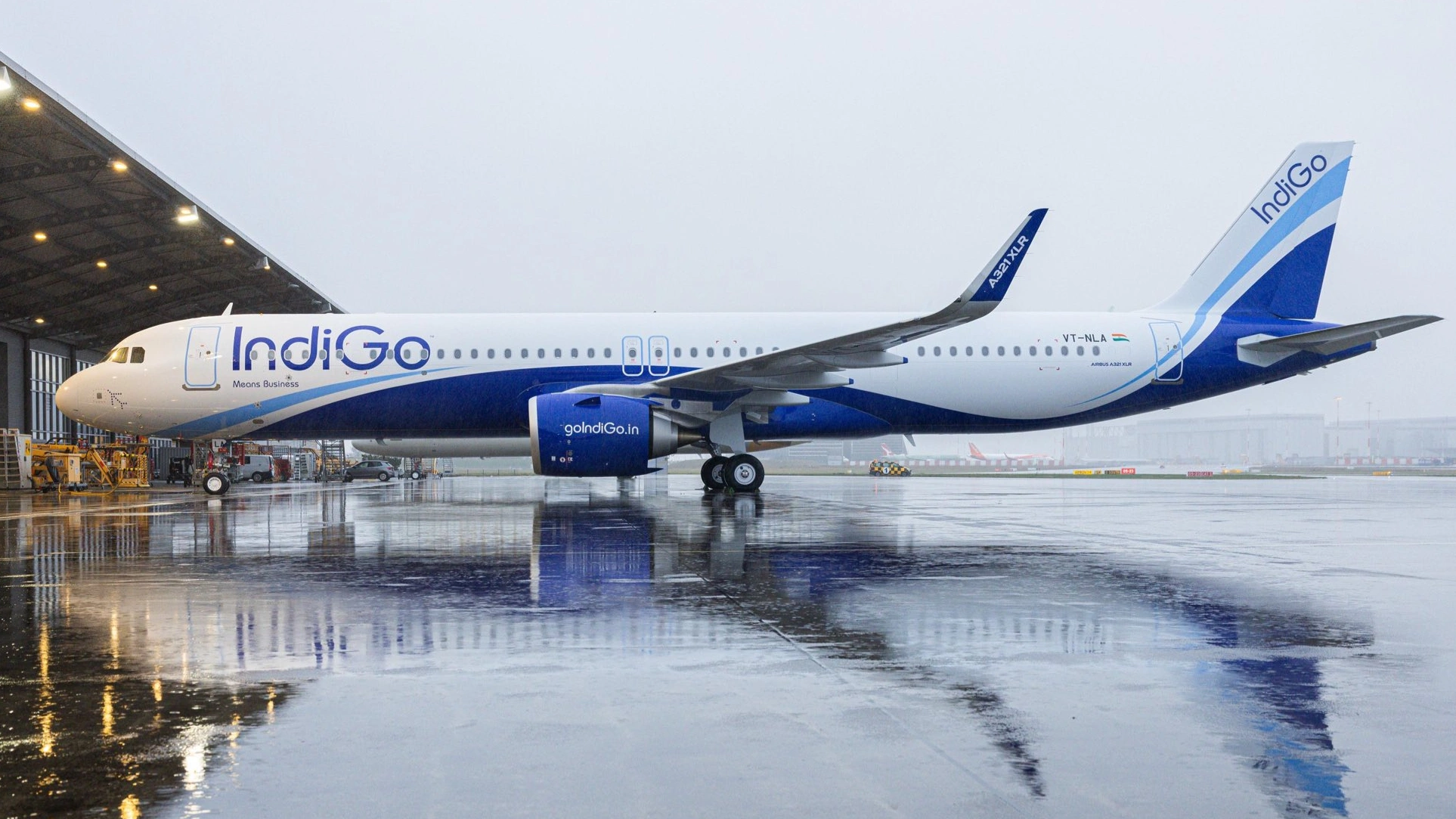
Air India’s capacity reduction reflects a broader global trend of airlines adjusting schedules due to rising fuel costs. However, its exposure profile differs significantly from low-cost carriers such as IndiGo (6E), India’s largest carrier, which primarily operate short-haul domestic and regional routes. The carrier had already announced hike in fuel surcharges of more than $100 on some routes.
Full-service international carriers like Air India face higher fixed costs, longer flight cycles, and limited flexibility in network restructuring, which amplifies the impact of fuel price fluctuations.
The price of VAT levied on jet Fuel in India also changes according to the state:
- Tamil Nadu imposes the highest VAT on jet fuel in India at 29 percent, making it the most heavily taxed state for aviation turbine fuel.
- Delhi levies a 25 percent VAT on aviation turbine fuel, placing it among the highest-taxed aviation fuel markets in the country.
- Major aviation hubs including Mumbai, Bengaluru, Hyderabad, and Kolkata apply VAT rates ranging between 16 and 20 percent on jet fuel.



.jpg)