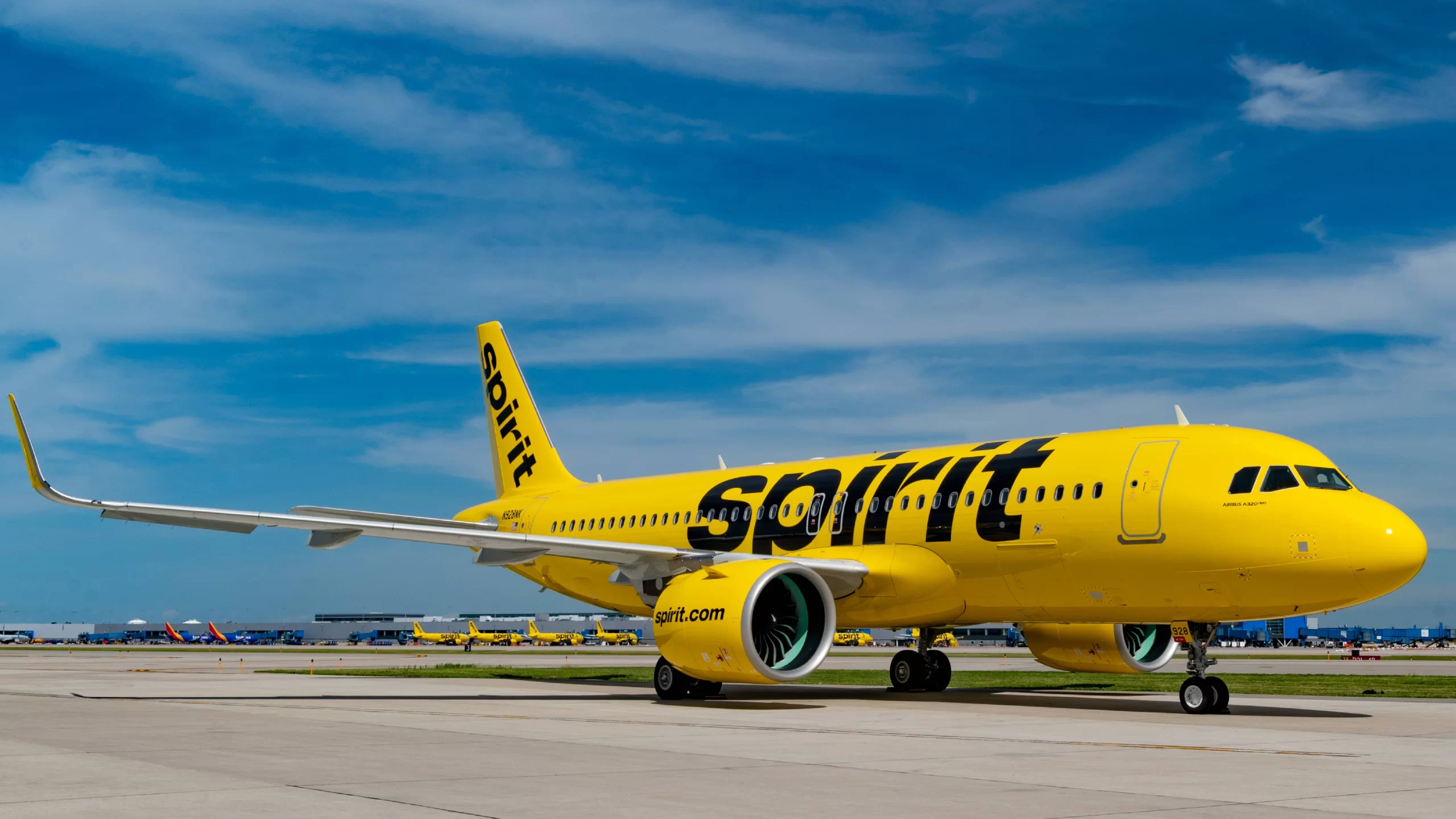
Spirit Airlines (NK) ceased all commercial operations on May 2, 2026, effective immediately, cancelling every scheduled flight and shutting down customer service without notice — the abrupt conclusion of a carrier that had operated for 34 years and carried approximately 1.7 million domestic passengers as recently as February 2026.
The collapse followed the failure of a $500 million government rescue package, after Spirit’s bondholder group rejected the proposed terms, leaving the ultra-low-cost carrier with no viable financial path forward amid jet fuel prices that had spiked to approximately $4.51 per gallon — nearly double the $2.24 per gallon the airline had projected in its restructuring plan.
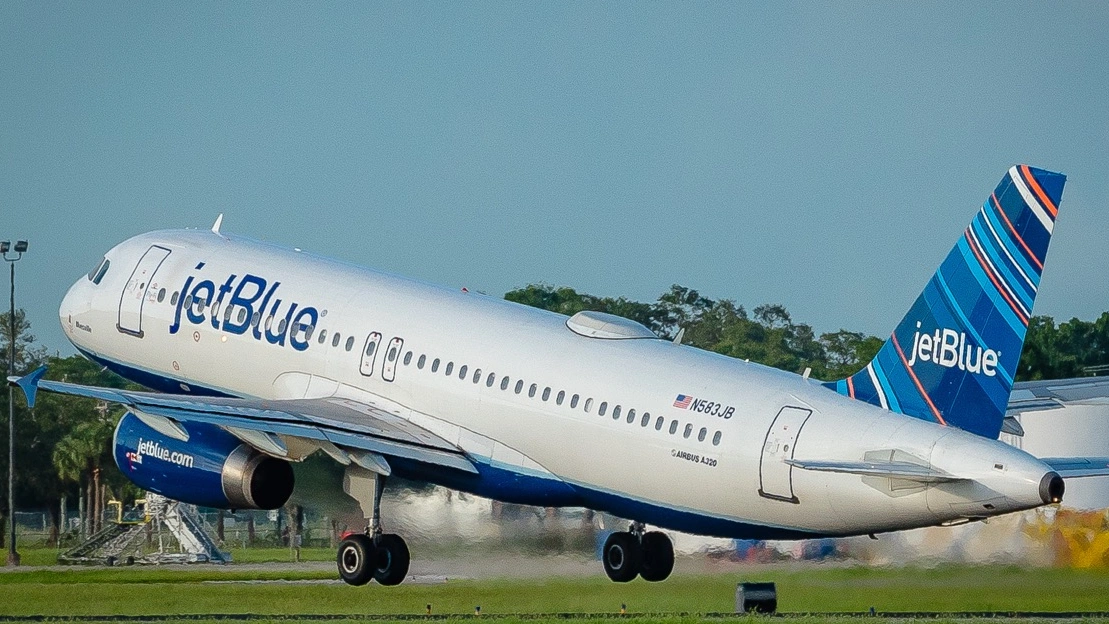
JetBlue Airways (B6), already the largest carrier at Fort Lauderdale-Hollywood International Airport (FLL) and Luis Muñoz Marín International Airport (SJU) in San Juan, Puerto Rico, announced a comprehensive response the same day.
The airline is offering $99 one-way rescue fares to stranded Spirit passengers, capping its Blue Basic fares at $299 on affected routes, and announcing the largest schedule it has ever operated from Fort Lauderdale — encompassing 11 new cities and nearly 130 daily departures this summer, representing a 75% increase over its 2025 operation at the airport.
$99 Rescue Fares and Fare Cap Details
JetBlue is offering $99 one-way fares to passengers who present proof of a valid Spirit itinerary on the same route or a co-located airport, covering travel through May 6, 2026.
Eligible travelers must call 1-800-JETBLUE directly to access the fare. Separately, JetBlue capped all Blue Basic fares at $299 on nonstop routes to and from FLL and SJU that Spirit operated as of April, with the cap applicable to new bookings made through May 8, 2026, for travel between May 2 and May 8.
The rationale behind the dual-tier structure is deliberate. The $99 fare exclusively targets documented Spirit customers facing imminent displacement, while the $299 cap functions as a broader market stabiliser, preventing opportunistic price surges across general demand.
According to TravelPirates, a CBS News analysis of aviation data found that average fares jumped approximately 23%, or roughly $60 per round trip, when Spirit previously exited individual routes — a historical precedent that makes the cap’s timing particularly consequential heading into peak summer travel season.
Transportation Secretary Sean Duffy confirmed a government-brokered agreement with United, Delta, JetBlue, and Southwest to cap ticket prices for Spirit customers who need to rebook.
The following table gives us an idea of how other carriers in the USA are chipping in:
JetBlue’s Record Fort Lauderdale Expansion
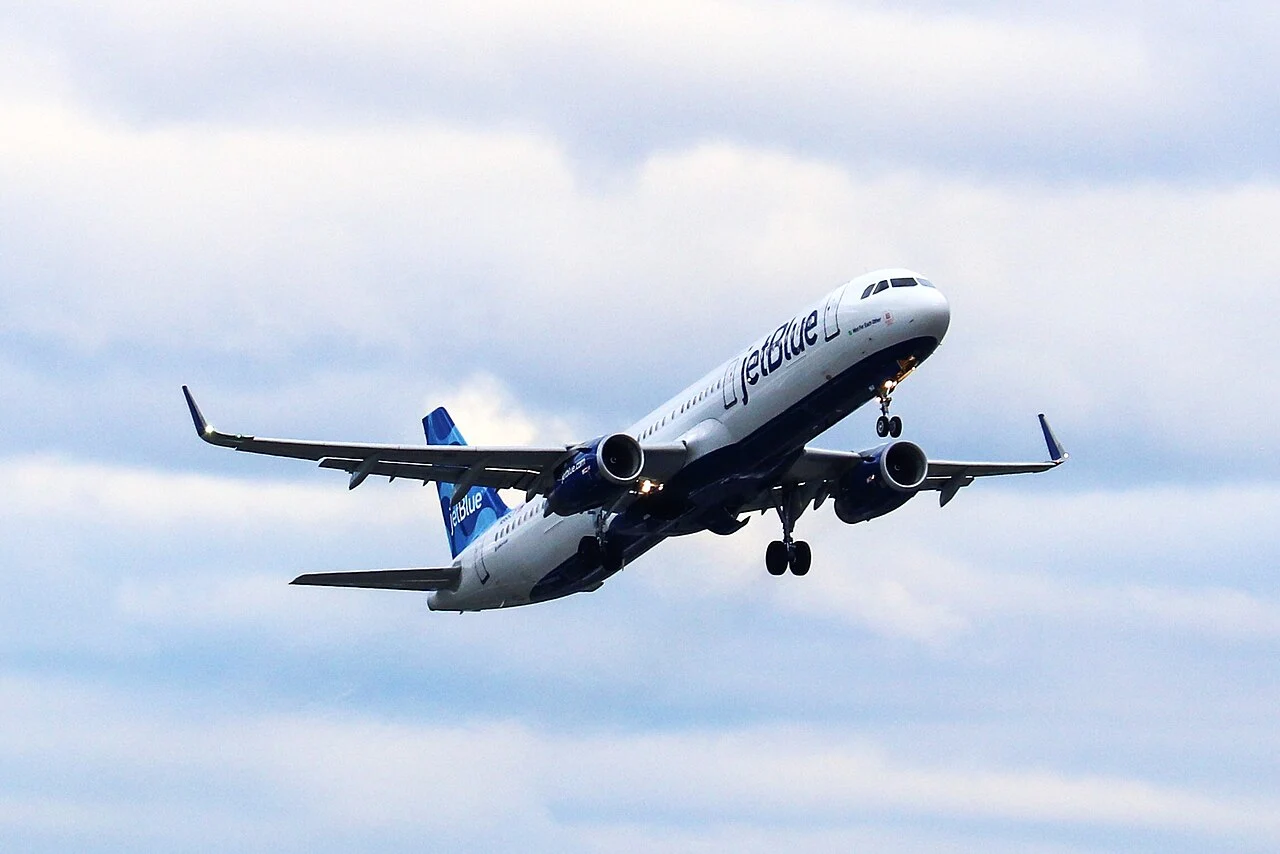
JetBlue will add 11 entirely new cities to its Fort Lauderdale network, with new routes and frequencies available to book beginning the evening of May 4, 2026, through jetblue.com and the JetBlue mobile app.
The airline’s press release confirms that new nonstop routes from July 9:
- FLL include Baltimore (BWI) at three daily flights from
- Charlotte (CLT) at three daily
- Nashville (BNA) at three daily
- Houston (IAH) at three daily
- Detroit (DTW) at two daily
- Chicago O’Hare (ORD) at two daily
- Ponce, Puerto Rico (PSE) at one daily
International additions include Barranquilla, Colombia (BAQ) launching October 1 and Cali, Colombia (CLO) from October 15, each at one daily frequency. Columbus, Ohio (CMH) and Indianapolis (IND) both commence service on November 2, 2026.
| New City | Flights per Day | Start Date |
|---|---|---|
| Barranquilla, Colombia (BAQ) | 1x Daily | October 1, 2026 |
| Baltimore (BWI) | 3x Daily | July 9, 2026 |
| Cali, Colombia (CLO) | 1x Daily | October 15, 2026 |
| Charlotte, N.C. (CLT) | 3x Daily | July 9, 2026 |
| Columbus, Ohio (CMH) | 1x Daily | November 2, 2026 |
| Indianapolis (IND) | 1x Daily | November 2, 2026 |
Beyond new cities, JetBlue is adding frequencies on existing FLL routes to Austin, Aguadilla, Puerto Rico, Dallas/Fort Worth, Raleigh-Durham, Santo Domingo, and Santiago de los Caballeros, Dominican Republic.
A new route between Baltimore/Washington International Thurgood Marshall Airport (BWI) and SJU will also launch on November 2, 2026. The combined expansion adds 27 daily flights, pushing JetBlue’s Fort Lauderdale summer schedule to nearly 130 daily departures — over 75% more than 2025 — marking the largest operation in the airline’s history from the airport.
In its Q1 2026 earnings release, JetBlue president Marty St. George noted that the carrier’s second quarter capacity growth was driven by Fort Lauderdale, and that this carrier planned to “continue building upon our leadership position in this key focus city.“
The Fort Lauderdale operation delivered positive results even before the Spirit collapse, with FLL delivering RASM growth of 5% year-over-year on 23% capacity growth in the first quarter of 2026.
JetBlue’s Support for Spirit Staff and Crew
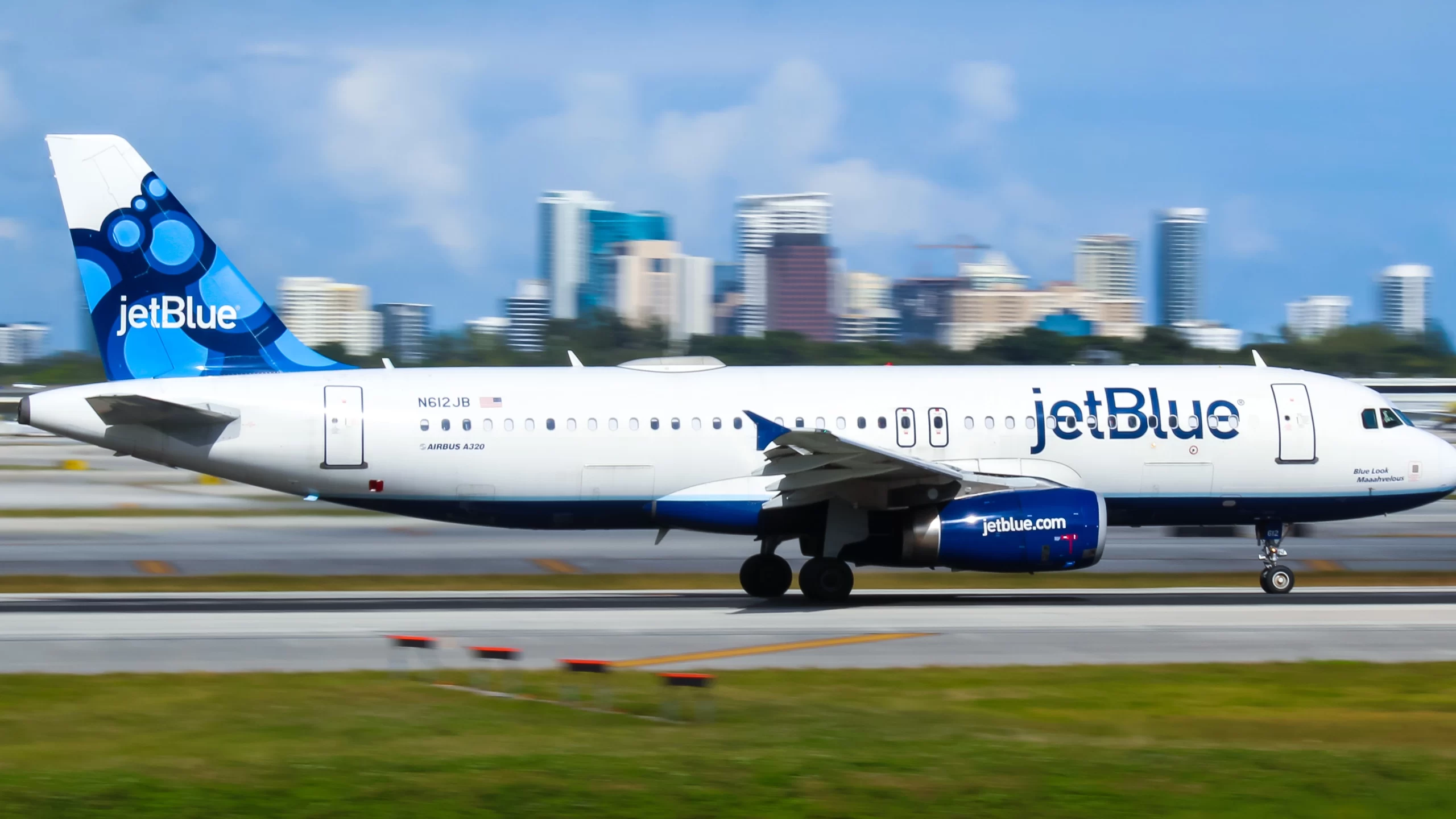
JetBlue’s response extends beyond passenger relief to address the welfare of Spirit’s workforce. According to JetBlue’s official press release, the airline will extend its jumpseat agreement for the next two weeks, subject to space availability and limited to cabin seating, allowing Spirit pilots and flight attendants to deadhead home following the abrupt shutdown.
JetBlue additionally confirmed it will open interview opportunities for qualified Spirit employees seeking roles within the carrier.
JetBlue’s FLL Push Predates Spirit’s Collapse
It is critical context that JetBlue’s Fort Lauderdale ambitions were neither reactive nor improvised. On April 28, 2026 — four days before Spirit’s shutdown — JetBlue told investors it was treating Fort Lauderdale as a focus city and planned to continue expanding there regardless of Spirit’s fate.
CEO Geraghty stated the airline is open to “anything and everything, assuming the terms would make sense for JetBlue,” (as quoted in CNBC) but confirmed the primary focus remained executing JetForward, including adding new products such as domestic first-class seats.
Under its JetForward strategy, JetBlue has been concentrating capacity at its strongest hubs — Boston, New York, and Fort Lauderdale — to improve operational reliability and financial performance.
JetBlue’s JetForward plan projects $850 million to $950 million in incremental operating profit by 2027, with Fort Lauderdale serving as its fastest-growing focus city. The Spirit collapse accelerates the opportunity considerably: Spirit had accounted for nearly 29% of FLL’s total passenger capacity, while JetBlue held approximately 21% — a dynamic that has now inverted overnight.

_departing_BOS.jpg)
_(2420771510).jpg)