Singapore has opened early, informal discussions about joining the Global Combat Air Programme (GCAP) , the sixth-generation fighter project led by the United Kingdom, Italy, and Japan. Defence intelligence outlet Janes broke the news on July 29, citing a source close to the matter, according to a report by TWZ. The talks are exploratory, and Singapore’s government has made no decision to join the program.
The development matters because the Republic of Singapore Air Force (RSAF) has not yet received its first F-35 stealth fighters. It shows that Southeast Asia’s most advanced air force is already scouting the technology that will follow the F-35. GCAP aims to field its Tempest jet and a wider combat air system by around 2035.
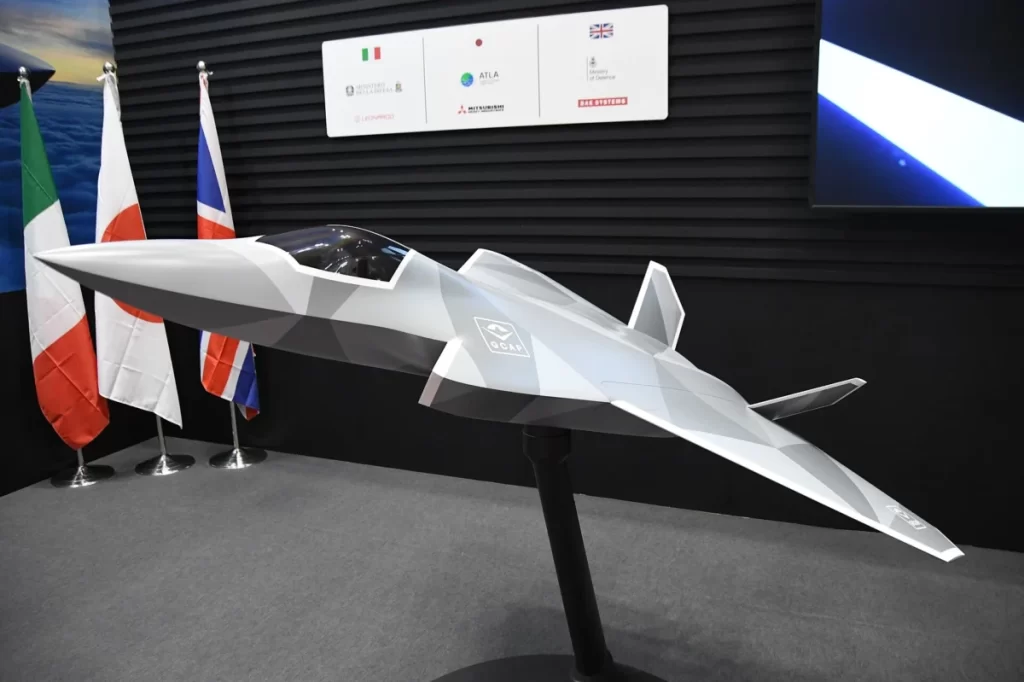
Janes Reports Singapore is Gathering Information, Not Negotiating Membership
Janes learned that Singapore’s discussions remain at an early, exploratory stage. No formal talks on membership terms, workshare, or funding have started. The report marks the first known indication that Singapore is formally examining links to GCAP.
Singapore has not stated whether it wants to buy the Tempest fighter itself. Roy Choo, a defense journalist and TWZ contributor, said the move likely reflects long-range planning rather than an active procurement decision. “From this news, it appears they may have identified a future requirement for a sixth-generation fighter, although this is unlikely to transition into a program of record for at least another two decades,” Choo explained.
Choo added that Singapore routinely tracks new technology without committing to it. “As with most operators, Singapore engages with industry to stay informed about available market offerings all the time,” he said. That pattern fits Singapore’s approach to previous fighter purchases.
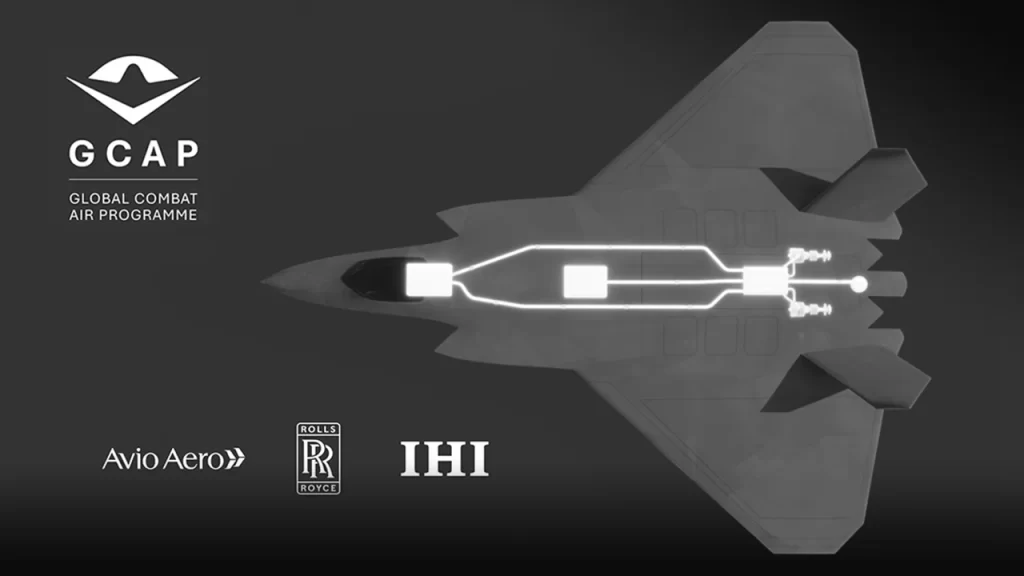
Rolls-Royce
| X (formerly Twitter)
Republic of Singapore Air Force Fleet Still Centers On F-15SG and F-16 Jets
The RSAF currently flies a mix of older but well-maintained fighters. Its combat fleet includes:
- 40 F-15SG Strike Eagles, delivered from 2008 onward
- 49 F-16C/D jets, split between Block 52 and Block 52+ variants
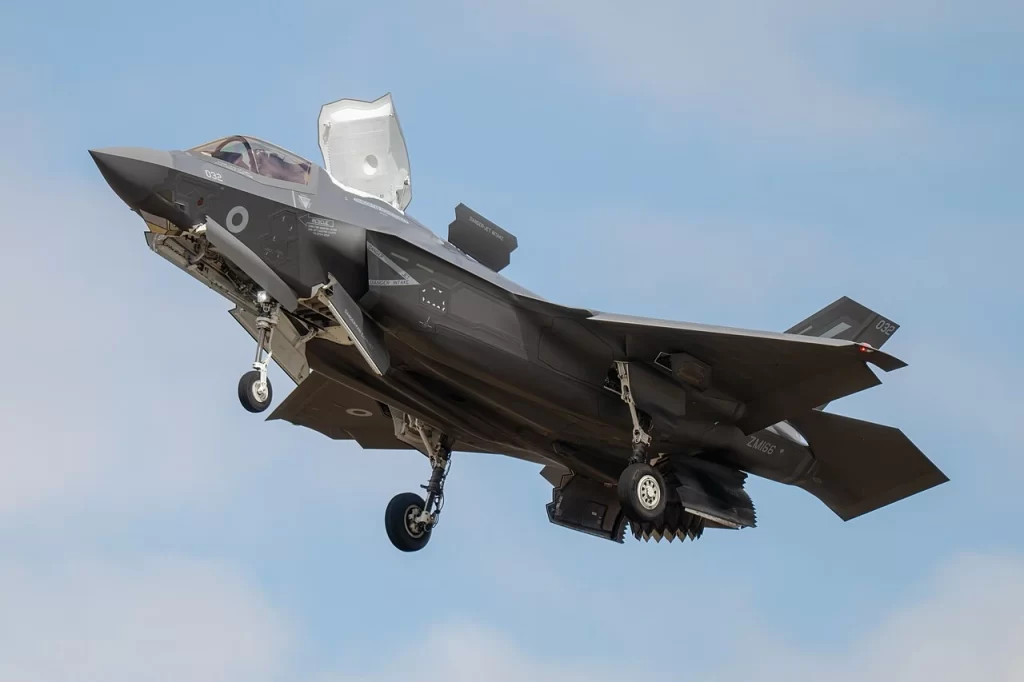
- Eight F-35A conventional jets on order, plus 12 F-35B short takeoff and vertical landing jets
The F-35Bs will arrive first, with deliveries due before the end of 2026. Singapore’s F-35Bs Singapore’s F-35Bs will initially train at Ebbing Air National Guard Base in Arkansas before the jets are based in Singapore from 2029. The F-16 fleet is expected to serve into the mid-2030s, Singapore Chief of Air Force Maj. Gen. Kelvin Fan has said.
Singapore covers less than 280 square miles of land, which limits space for military flight training. To prepare for F-35B operations, the RSAF is extending the runway at the offshore island of Pulau Sudong from roughly 6,500 feet to about 9,800 feet. That work is due for completion by 2028 and should ease pressure on training capacity that had previously pushed the RSAF to consider a detachment in Guam.
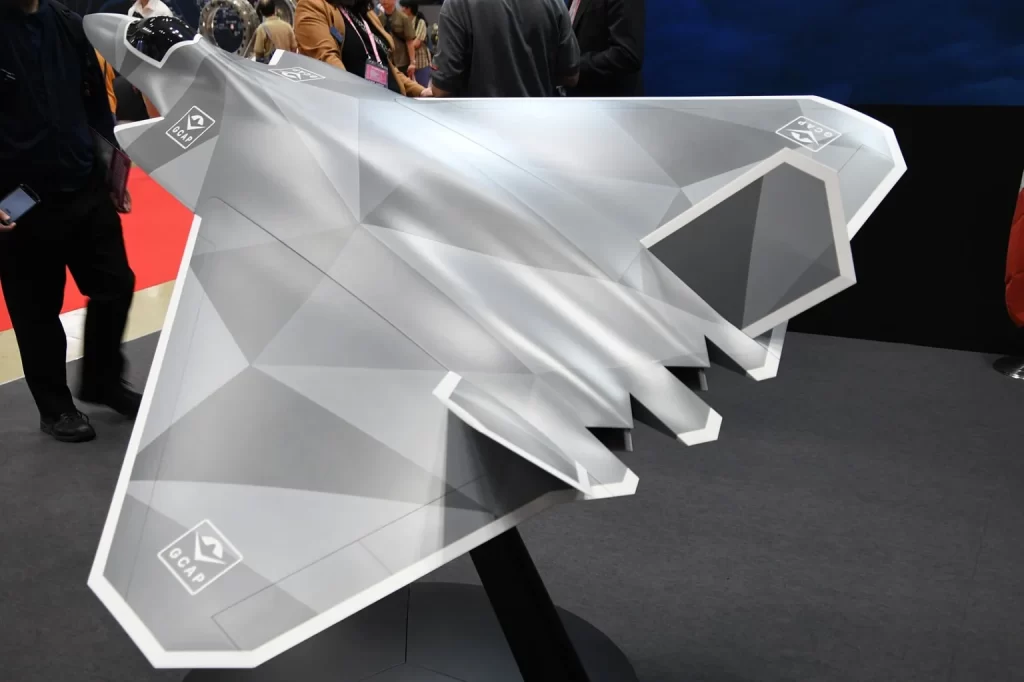
What Observer Status Could Look Like for Singapore
If Singapore does pursue closer ties to GCAP, the most likely first step is observer status rather than full membership. That path was already used by Canada, another F-35 customer, which became GCAP’s first observer nation on July 21. Canadian Defence Minister David McGuinty announced the move in London alongside his British, Italian, and Japanese counterparts.
Observer status gives a country insight into the aircraft’s technical development and industrial planning without any financial contribution or voting role. Canada took on no workshare commitment and no obligation to eventually buy the jet. Full membership would still require unanimous approval from the UK, Italy, and Japan.
Choo said an observer arrangement would suit Singapore’s cautious style. “This would give greater visibility of GCAP’s governance and capabilities,” he said. “An observer status would fit with its cautious and non-committal approach to the program just as it did with the F-35 SCP membership.”
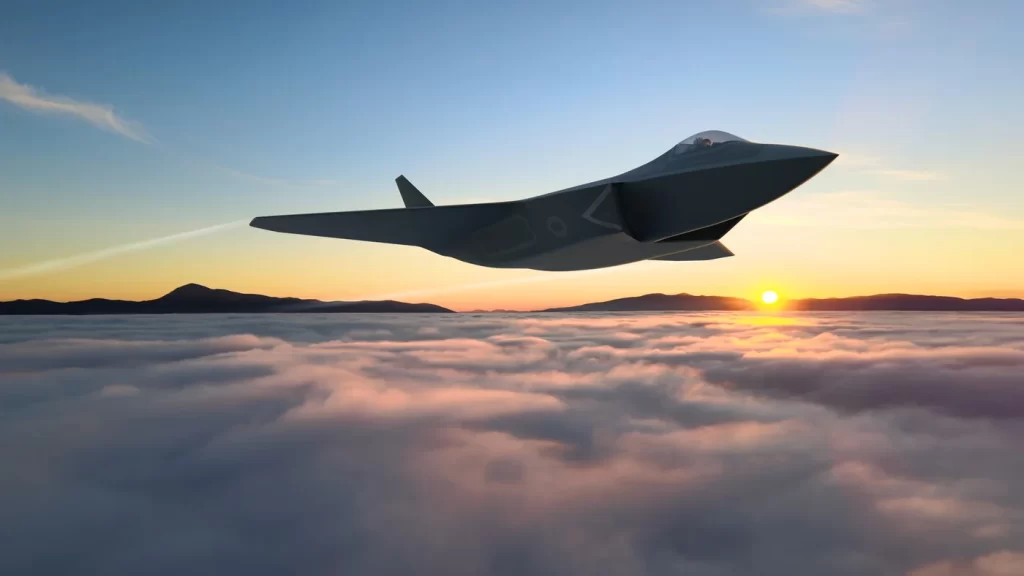
Other Countries Are Also Eyeing the GCAP
Singapore is not the only country weighing a future in GCAP. Poland’s Deputy State Assets Minister Konrad Gołota said in March that Warsaw had already spoken with Italian and Japanese industry representatives about a possible role, framing the interest around rebuilding Poland’s aerospace sector rather than an immediate jet purchase.
Germany represents a more advanced case. Leonardo chief executive Lorenzo Mariani said German membership is not an option at the moment, even though he still sees long-term industrial benefits in Berlin joining. His comments in July marked a cooling from his position in June, when he called Germany a “particularly valid partner” for the program.
Germany’s interest followed the collapse of its own Future Combat Air System project with France in June 2026. Japan has been notably more cautious than Italy about adding a fourth full partner, since expansion could delay the 2035 target and reopen governance terms that took years to finalize.
Program Momentum Builds with Japan’s Assembly Site and UK Funding
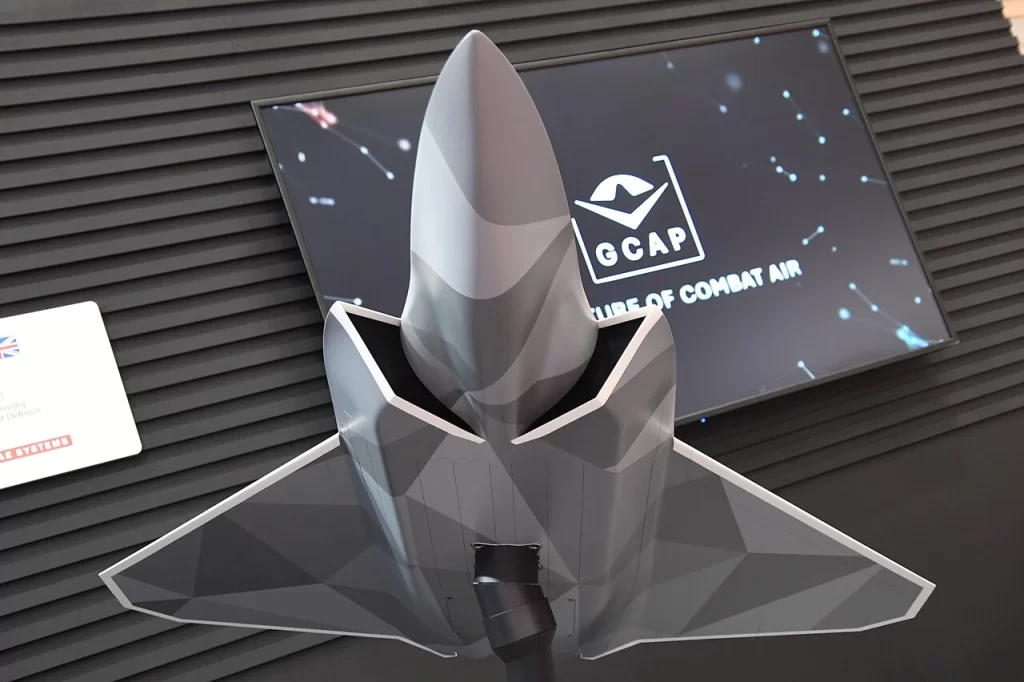
While membership questions remain open, GCAP’s three founding partners have kept the underlying program moving. Japan selected Mitsubishi Heavy Industries’ Komaki South Plant in Aichi Prefecture as its national assembly site in late July. The plant already builds F-35A jets for Japan’s air force, giving it existing infrastructure and a trained workforce.
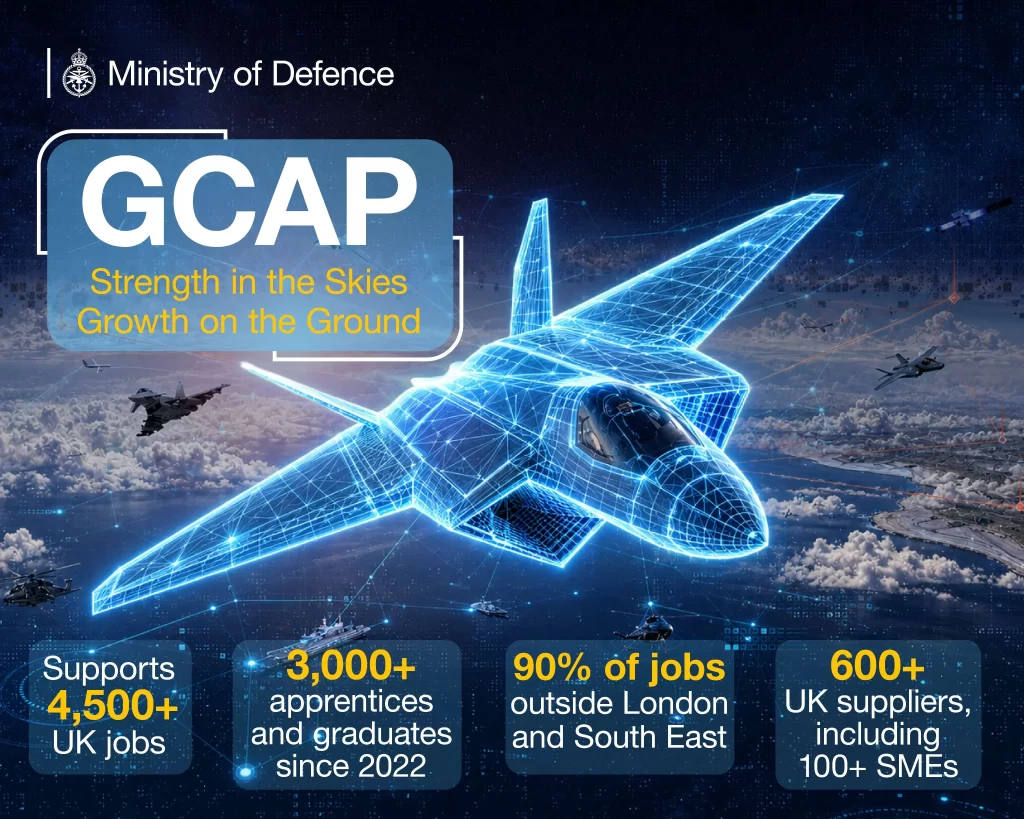
That decision followed a £4.6 billion, 18-month contract the UK, Italy, and Japan signed with industrial venture Edgewing on July 3 to fund the program’s next design phase. It built on an earlier £686 million bridge-funding contract awarded in April, which kept engineering work moving while the UK finalized its wider defense investment plan.
Edgewing brings together BAE Systems, Leonardo, and Japan Aircraft Industrial Enhancement Co. A flight-test aircraft is expected later this year, with a combat air demonstrator targeted for 2027 ahead of the planned 2035 service entry.
Singapore-Australia Deal Points to Nearer-Term Priorities
Singapore’s most pressing procurement decisions in the coming years look set to focus closer to home. Singapore and Australia signed the Industrial Base Resiliency Arrangement (IBRA) on July 27, a framework for closer defense industrial cooperation between the two nations. The agreement allows both countries to pursue cross-sustainment of shared platforms and streamline equipment transfers.
That deal raises the possibility that Singapore could eventually operate Australia’s MQ-28 Ghost Bat drone, a collaborative combat aircraft designed to fly alongside crewed jets. Singapore’s incoming F-35A fleet and its selection of the P-8A Poseidon as its next maritime patrol aircraft already give it equipment commonality with Australia.

_front_low-angle_view_in_GCAP_booth_of_JA2024_at_Tokyo_Big_Sight_October_19,_2024_02.jpg)