Ryanair (FR), the Dublin-based ultra-low-cost carrier that got into an online scuffle with Elon Musk over the installation of Starlink, reported a record pre-exceptional profit after tax of €2.26 billion for its fiscal year ending 31 March 2026 — a 40% jump over the prior year’s €1.61 billion. The airline carried 208.4 million passengers, generated €15.54 billion in group revenue, and ended the period with net cash of €2.1 billion after repaying all debt, returning more than €900 million to shareholders, and spending €1.9 billion on capital expenditure. No co-branded credit card partnership funded this result. Ryanair does not have one.
That single fact cuts through a great deal of airline industry noise. At almost exactly the same moment, America’s three major legacy carriers that are also the airlines with the biggest fleet in 2026- American, Delta, and United — were reporting full-year 2025 results that collectively depend on billions of dollars in annual cash payments from JPMorgan Chase, American Express, and Citi. The contrast between these two models is not a curiosity. It is one of the most important structural stories in commercial aviation today.
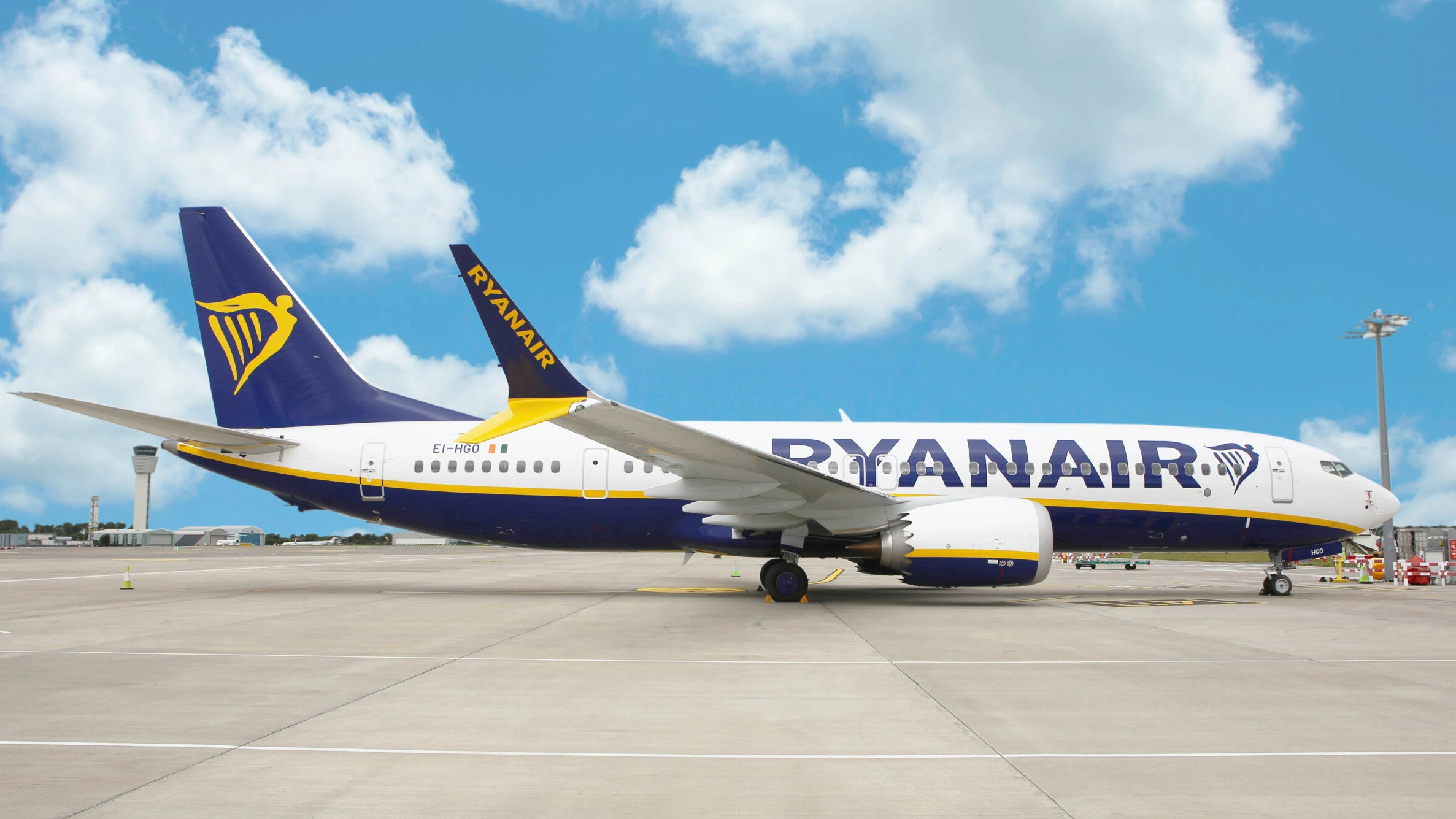
Ryanair’s FY2026 Numbers Show that Traffic Grew by 4%
The FY2026 result is the largest annual profit in Ryanair’s four-decade history. It was achieved against a backdrop of genuine headwinds: 29 undelivered Boeing 737-8200 “Gamechanger” aircraft due to Boeing’s production delays, jet fuel costs that roughly doubled in Europe following the Iran conflict, and an €85 million provision for a fine levied by Italy’s antitrust regulator AGCM. Despite all three pressures, the group grew traffic by 4% and lifted revenue per passenger by 7%.
The financial breakdown reveals how the model actually works:
- Scheduled revenue: €10.56 billion (+14%), driven by 10% higher average fares that recovered last year’s 7% fare decline
- Ancillary revenue: €4.99 billion (+6%), equivalent to approximately €24 per passenger
- Operating costs (pre-exceptional): €13.09 billion (+6%), or just +1% per passenger — the cost discipline that defines the entire operation
- Load factor: 94% across the year, reflecting how full Ryanair’s aircraft consistently fly
- Average fare: approximately €51
That average fare figure is the most revealing data point. Ryanair carries passengers at a base fare of around €51 and still generates €2.26 billion in profit. The ancillary machine — seat selection, checked bags, priority boarding, food and drink — adds another €24 per head on top. The result is a total revenue per passenger of approximately €75, generated through a cost base kept rigidly low by a single aircraft type, high utilisation, secondary airport access, and the deliberate removal of every amenity that passengers are not willing to pay for separately.
Group CEO Michael O’Leary called FY2026 “a year of records” and confirmed that Ryanair had become effectively debt-free in May 2026 after repaying a final €1.2 billion bond. The airline closed the period with a BBB+ credit rating from both Fitch and S&P.
| Metric (FY2025) | American Airlines (AA) | Delta Air Lines (DL) | United Airlines (UA) |
|---|---|---|---|
| Operating Revenue | $54.6 billion | $63.4 billion | $59.1 billion |
| GAAP / Net Income | $111 million | $5.0 billion | $3.35 billion |
| Loyalty / Co-Branded Credit Card Revenue | $6.2 billion from Citi and other loyalty partners | $8.2 billion from American Express (+11% YoY) | Loyalty revenue grew 9% YoY, primarily from JPMorgan Chase (exact revenue not disclosed) |
| Main Credit Card Partner | Citi | American Express | JPMorgan Chase |
| Key Loyalty Development | 10-year exclusive Citi agreement from 2026; launched Citi/AAdvantage Globe Mastercard ($350 annual fee) | Amex remuneration expected to reach $10 billion in coming years | MileagePlus restructured to reward credit card spending over flying; non-cardholders earn just 3 miles per dollar on eligible flights from April 2026 |
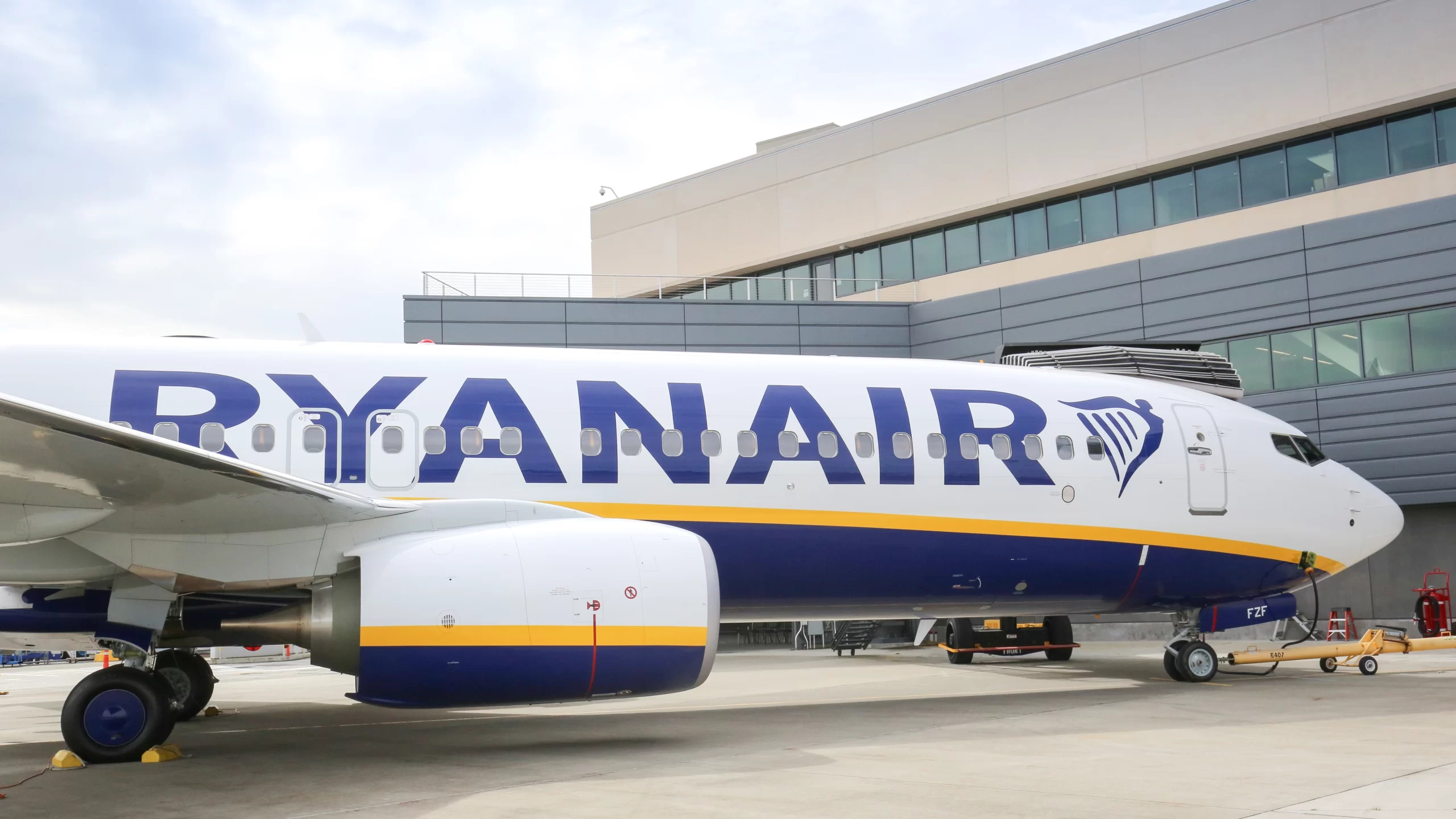
The Ryanair model has a simplicity that US legacy economics cannot match. There is no bank standing behind the operation. There is no co-brand agreement generating billions in cash independent of whether flights fill or fares hold. As Ryanair’s own results confirm, the profit comes from the flight operation itself: keep costs low, keep planes full, price the base fare competitively, and sell everything else as an optional extra.
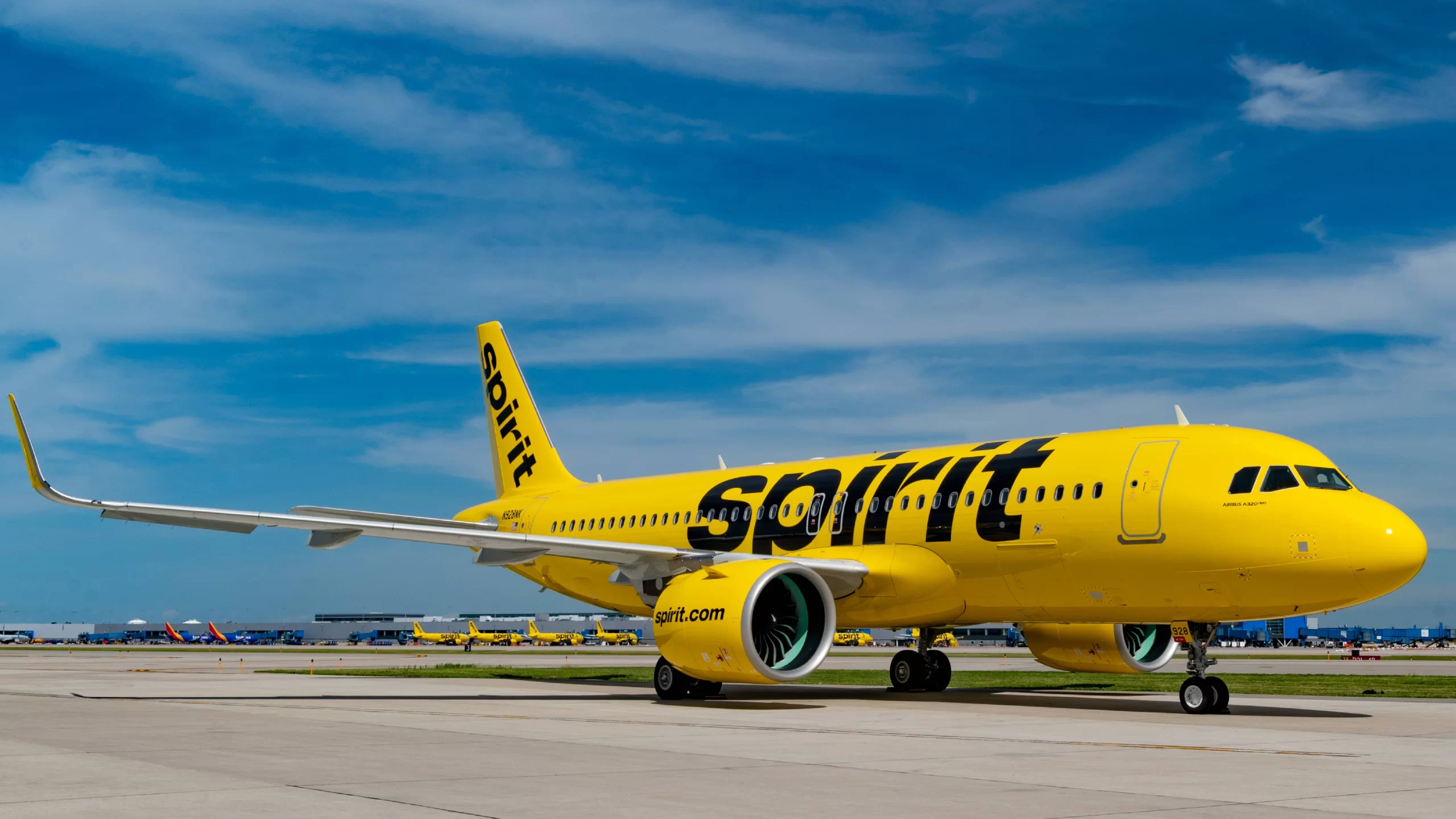
But….Not Every Budget Airline Dominates
The Ryanair record does not mean that the ULCC model automatically succeeds. The collapse of Spirit Airlines (NK) in May 2026 provides the clearest counterexample. Spirit ceased all operations on 2 May 2026, becoming the most high-profile casualty of a model that, in Spirit’s case, combined ULCC branding with structural weaknesses the label alone could not fix.
Spirit had lost more than $2.5 billion since the start of 2020, filed for Chapter 11 bankruptcy twice — in November 2024 and August 2025 — and watched its recovery plan collapse when jet fuel prices roughly doubled after the Iran conflict. A proposed $3.8 billion merger with JetBlue Airways (B6) had been blocked by a federal judge on antitrust grounds in January 2024, removing the only credible path to the scale that might have saved it. By late April 2026, Spirit’s lawyers were informing a bankruptcy court that the airline had insufficient cash to continue.
The distinction between Ryanair and Spirit is not that one was cheap and the other was not. Both stripped their service to the bone. The difference lies in execution, scale, debt structure, and the competitive context each carrier operated in:
- Ryanair entered FY2026 with €2.1 billion in net cash and an unencumbered fleet; Spirit entered 2026 in Chapter 11 with $7.4 billion in total debt and lease obligations
- Ryanair has a cost advantage that is structural and reinforced by scale — 208 million passengers provides procurement power and route density that Spirit at its peak, with around 88 destinations, could not replicate
- Spirit faced direct competition from legacy carriers that adopted basic economy fares at comparable price points, eliminating the cost gap that is the entire foundation of the ULCC model
- Ryanair’s fuel hedging programme — 80% of FY2027 requirements hedged at approximately $67 per barrel — provided a buffer the Iran conflict did not penetrate; Spirit’s restructuring was built on $2.24 per gallon fuel and could not survive $4.60 per gallon