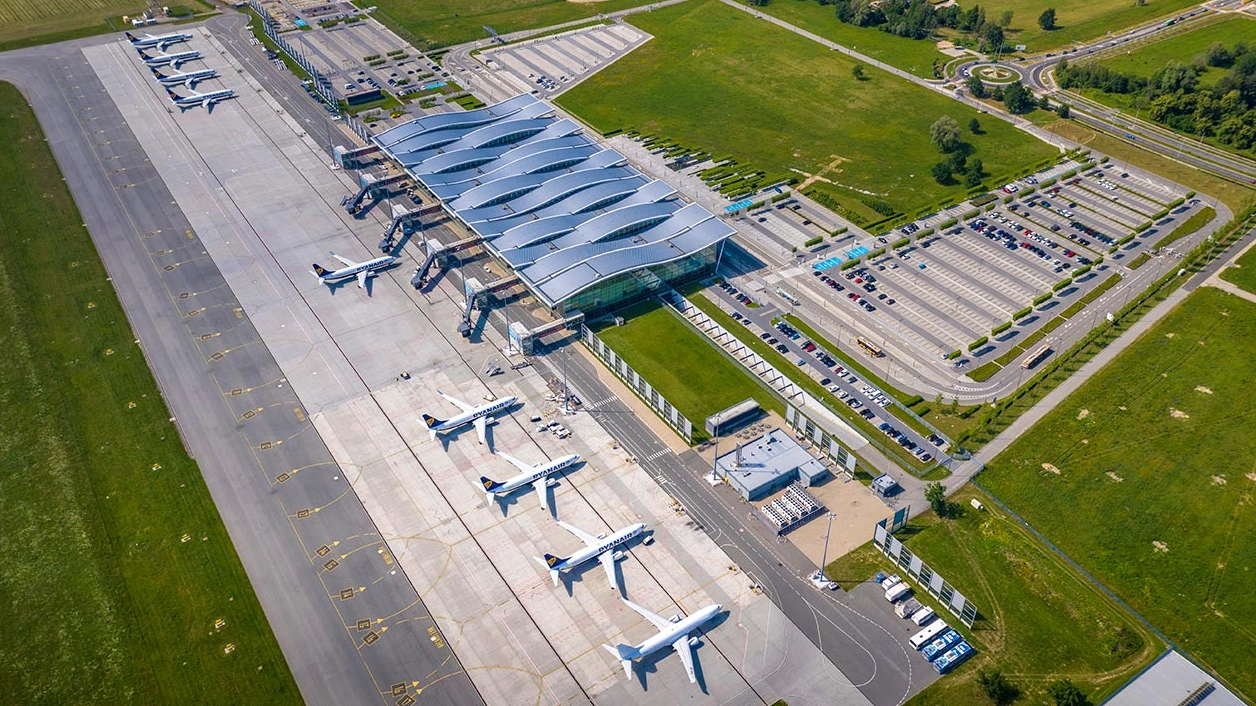
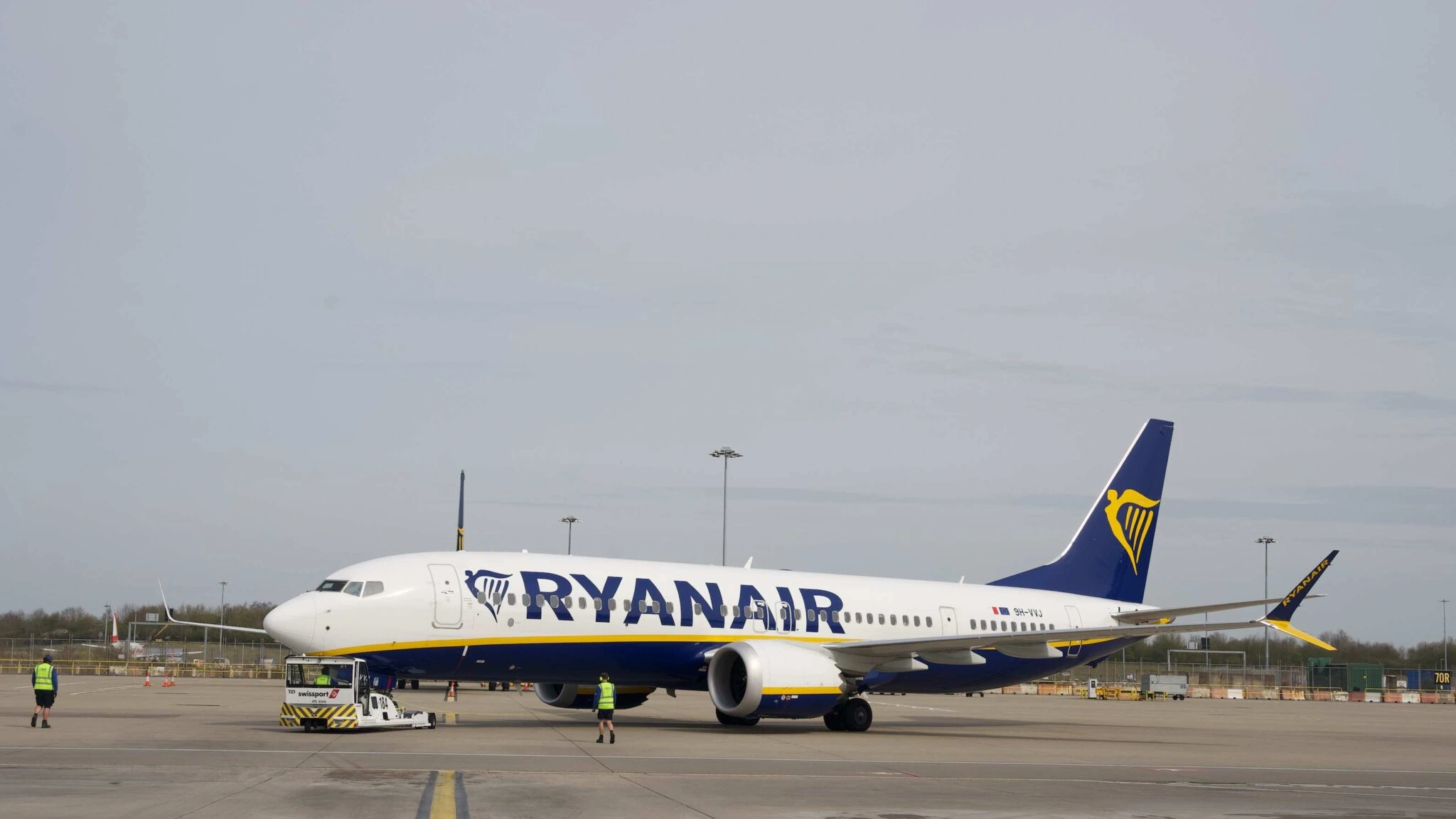
Irish low-cost airline Ryanair (FR) announced plans to cut 1.1 million passenger seats across its operations at Brussels South Charleroi Airport (CRL), Charleroi and Brussels Airport (BRU), Brussels in 2026, in response to proposed increases in passenger taxes by Belgian authorities, reported AA (Anadolu Agency).
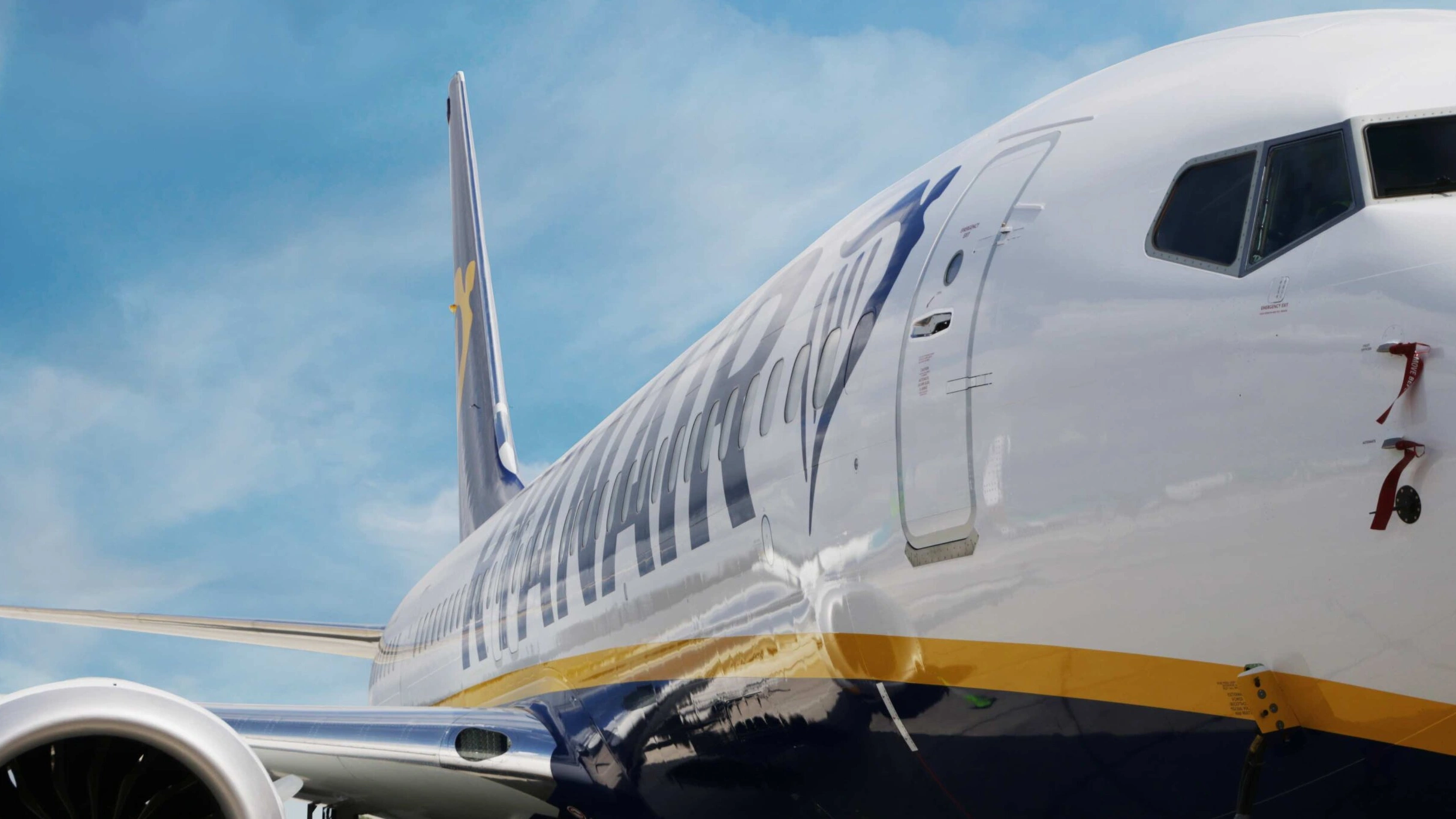
The cuts follow the Belgian federal government’s planned increase of its aviation tax to €10 per departing passenger from 2027, a five-fold rise compared with the current rate, while CRL authorities intend to impose a €3 local passenger tax from April 2026. Ryanair, which recently introduced paperless boarding, has said it may further reduce capacity by another 1.1 million seats in 2027 if the tax measures remain in effect.
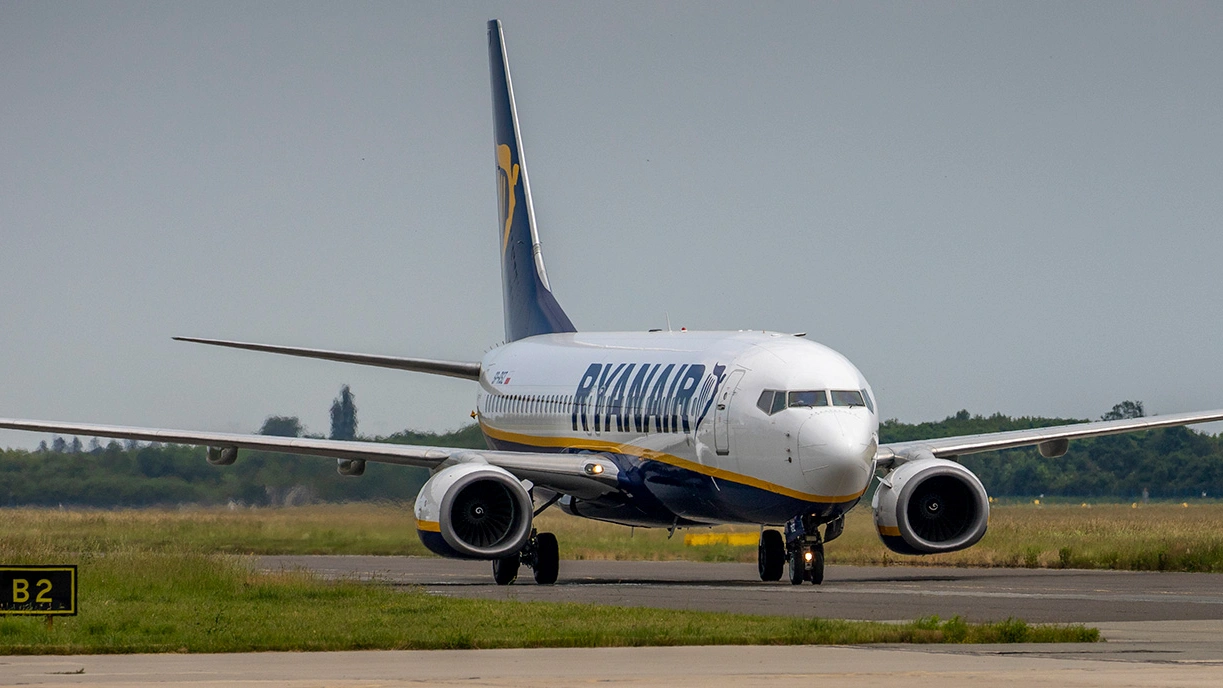
Belgium’s Tax Hike Impact on Ryanair’s Operations
CEO Michael O’Leary delivered the announcement that it would cut its flights to Belgium at a press conference in Brussels on 14 January 2026, citing what the carrier describes as counter-competitive aviation tax hikes that have undermined Belgium’s attractiveness for low-fare air travel and airline investment.
The airline notes that while several EU countries such as Sweden, Hungary, Italy, Slovakia, and Albania have abolished aviation taxes to stimulate air traffic, Belgium is moving in the opposite direction, which Ryanair argues could reduce airline competitiveness and divert traffic to lower-cost jurisdictions.
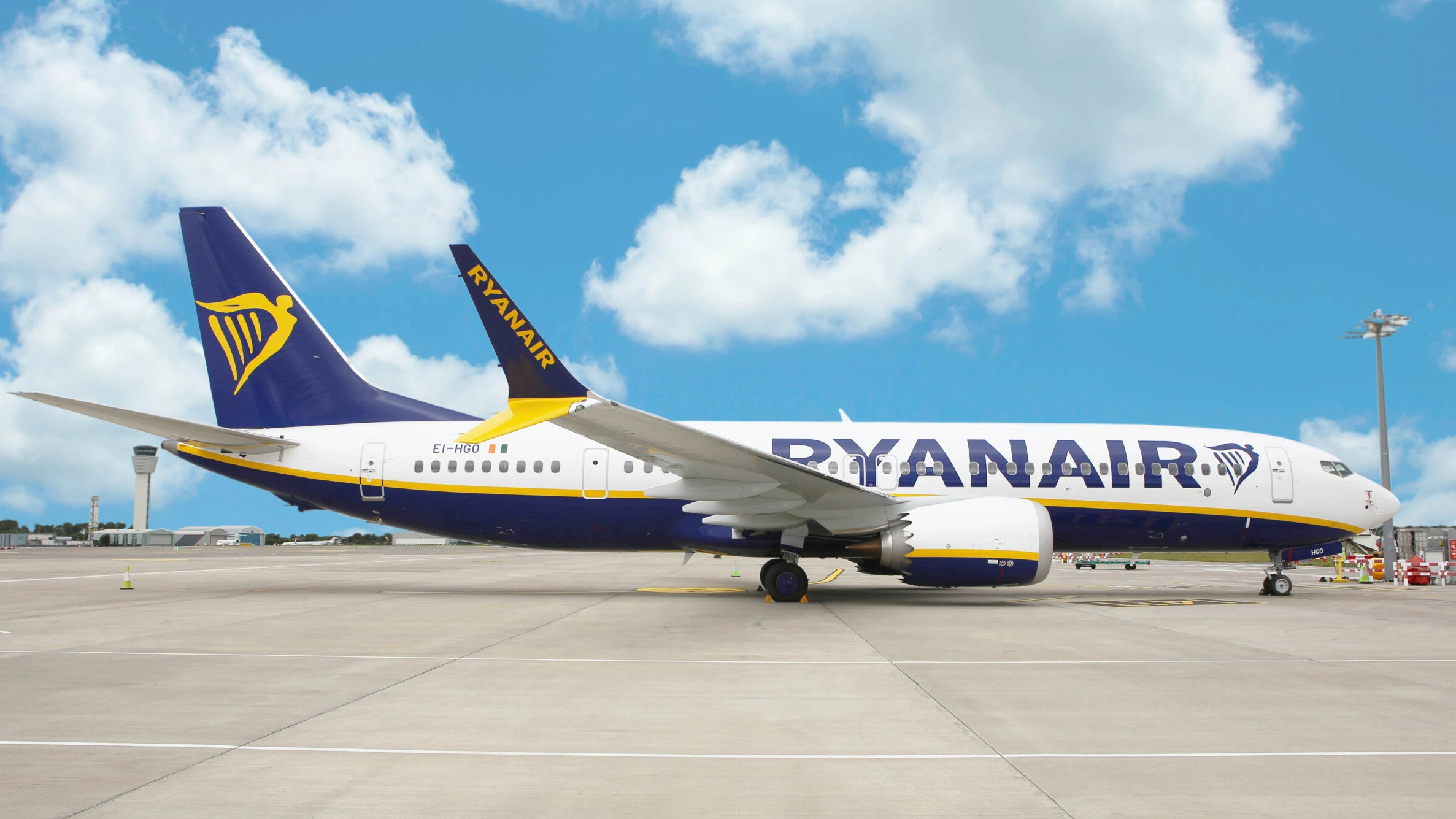
Key Tax Changes in Belgium
Ryanair CEO Michael O’Leary delivered harsh criticism of the tax plans (which include Federal passenger tax increasing to €10 per departing passenger by 2027, and Charleroi Airport local levy of €3 per departing passenger starting in April 2026), describing them as “stupid” and “ridiculous,” and warning that passengers, aircraft, and jobs will gravitate toward countries with lower aviation costs:
“We’re not going to leave Charleroi but we will get significantly smaller….We like Belgium, we want to continue to invest in Belgium … but if you get stupid politicians levying stupid taxes, we will reverse those plans..”
He also made clear that should Charleroi’s municipal tax be rescinded before April 2026, Ryanair would reconsider its scheduled capacity cuts, potentially restoring planned growth levels in Belgium.
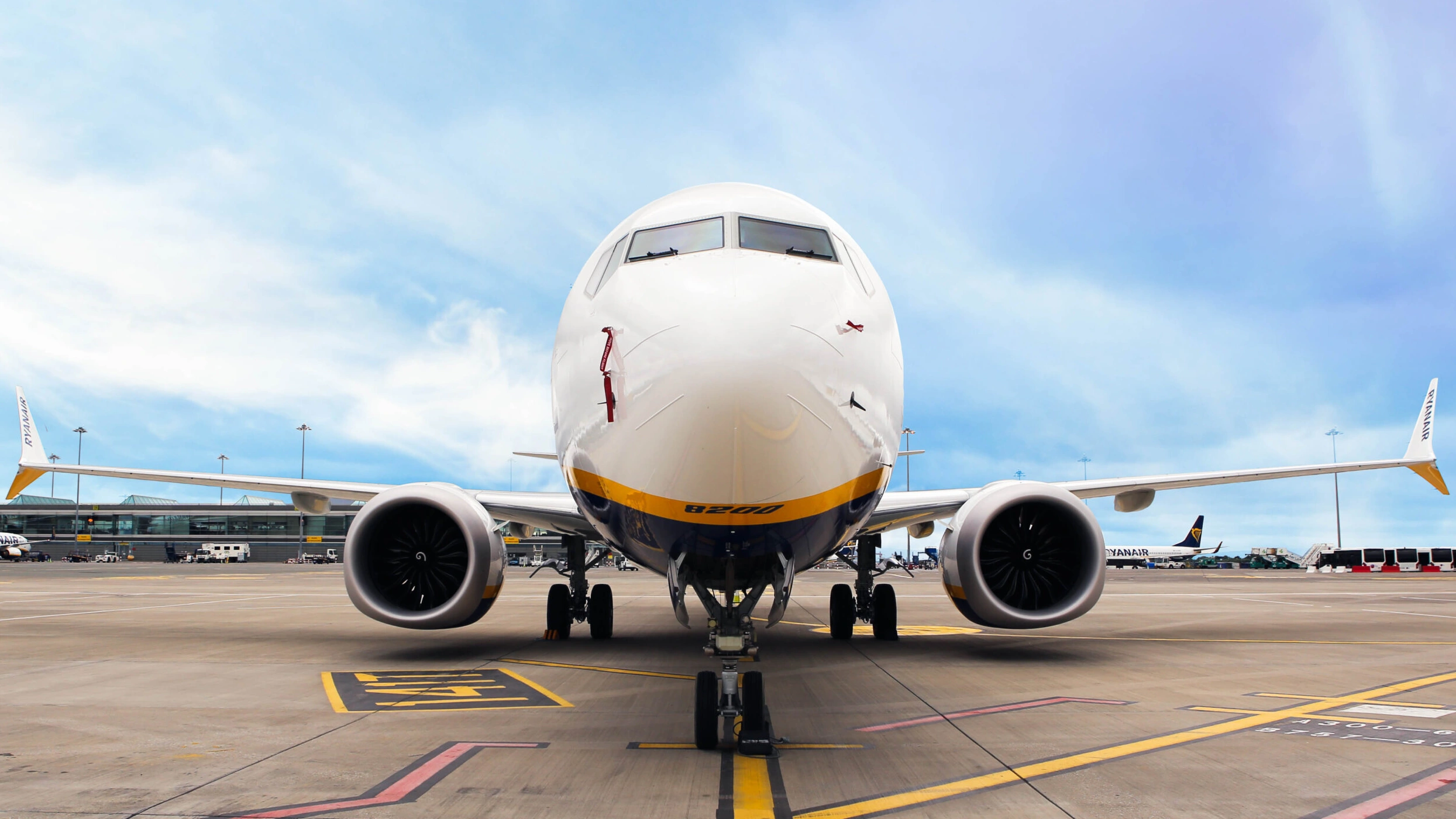
Ryanair’s Entire Flight Routes to Belgium Will Not be Cancelled
According to a report published in The Brussels Times, O’Leary explained that very few entire flights by Europe’s most popular budget airline would be scrapped. Instead, by sizing down once-daily operations to once a week or sizing down routes that are operated several times a day to once a day is what the carrier is hoping for:
O’Leary stressed that he is still open to discussion and is not writing Belgium off completely –”When you have these issues, you don’t give up and go away. You fight.” – but his envisioned dialogue boils down to one thing: “Scrap that stupid tax. It is not too late to back down.”
Airlines such as Ryanair argue that Belgium is set to lose its competitive edge due to the proposed taxes, and this will in turn affect:
- passengers
- jobs in tourism
- support industries
O’Leary further emphasized:
“What these stupid politicians do not understand is that passengers and aeroplanes are mobile…If Belgium wants to tax passengers, they will simply switch to lower-cost, non-tax destinations. Belgium’s loss will be to the gain of these EU Member States.”
According to a report published in aviation24.be, the airline also took aim at Europe’s wider cost structure, highlighting the EU Emissions Trading System (ETS) as an added financial burden on short-haul services within the continent. Ryanair argues that exempting long-haul flights entering or leaving the EU from ETS creates an uneven playing field.