When Ukraine Russia War started in 2022, little did we have any idea that in a matter of four years, the world would see escalation in tensions such as a Russian Ilyushin Il-76 landing in Venezuela, US’ threats to take over Greenland, the Israel-Palestine conflict that left the Ben Gurion Airport closed for foreign airlines, and the India Pakistan standoff that led to many airlines avoiding the Pakistani airspace.
5 most wonderful aircraft destroyed in the Russia-Ukraine war
In these tumultuous times, we are having a look at Europe’s seven largest Air Force Bases & their strategic roles. We can’t know for now what roles these bases might have should US attack Greenland but understanding the evolution of these bases and how these are used by each nation is sure to give us insight into the North Atlantic Treaty Organization (NATO) Alliance.
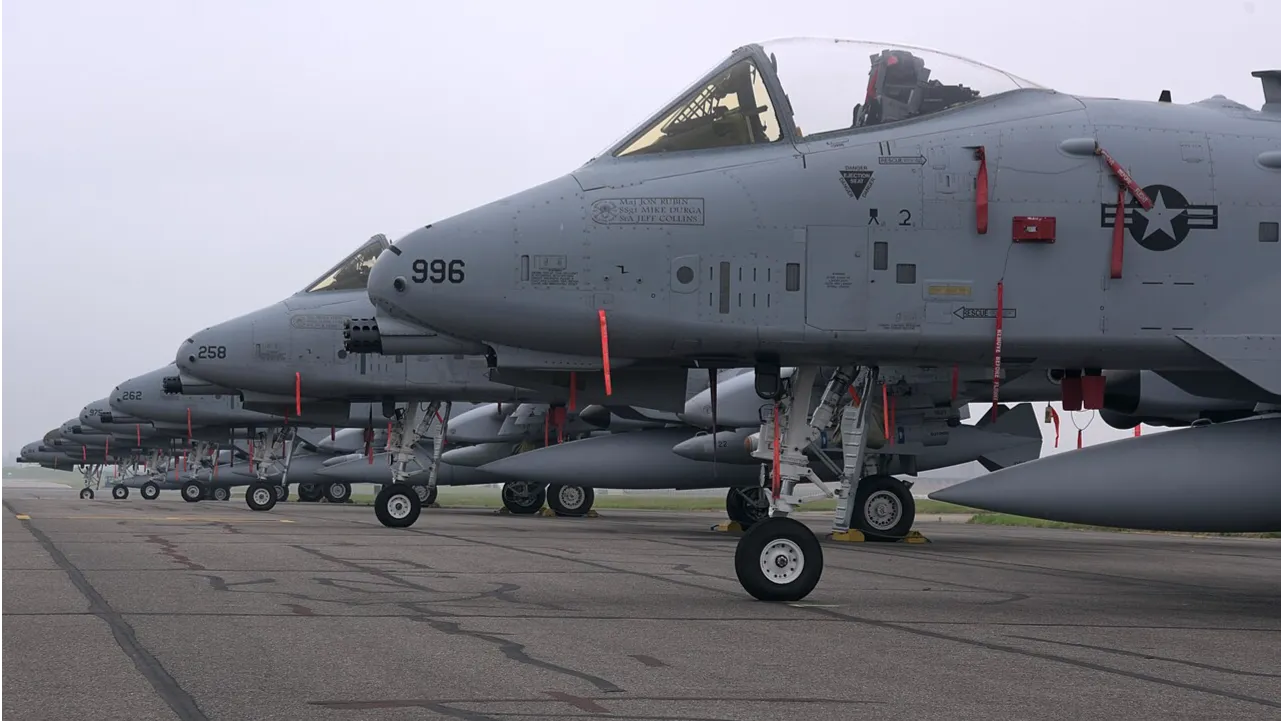
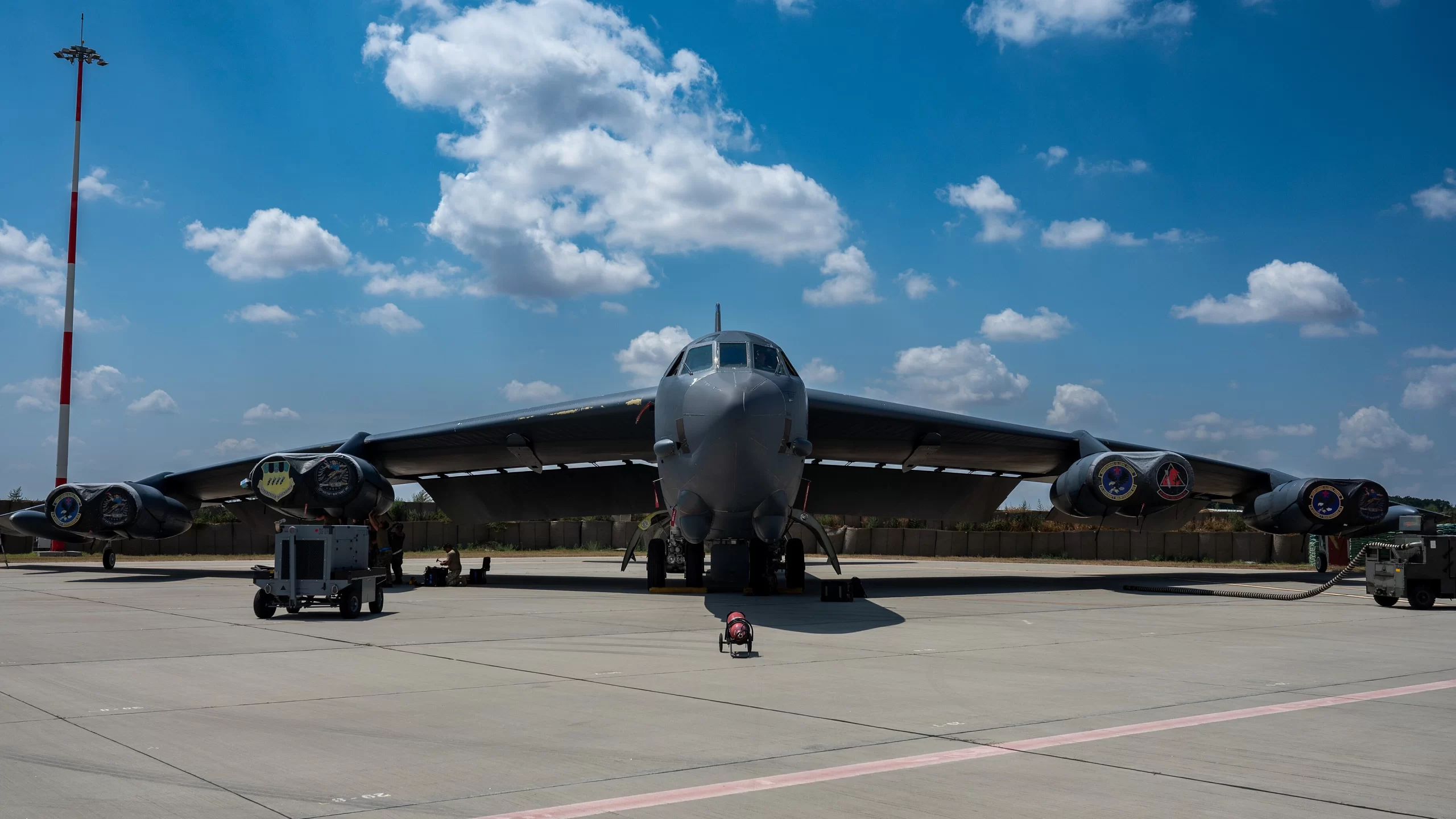
RAF Mildenhall
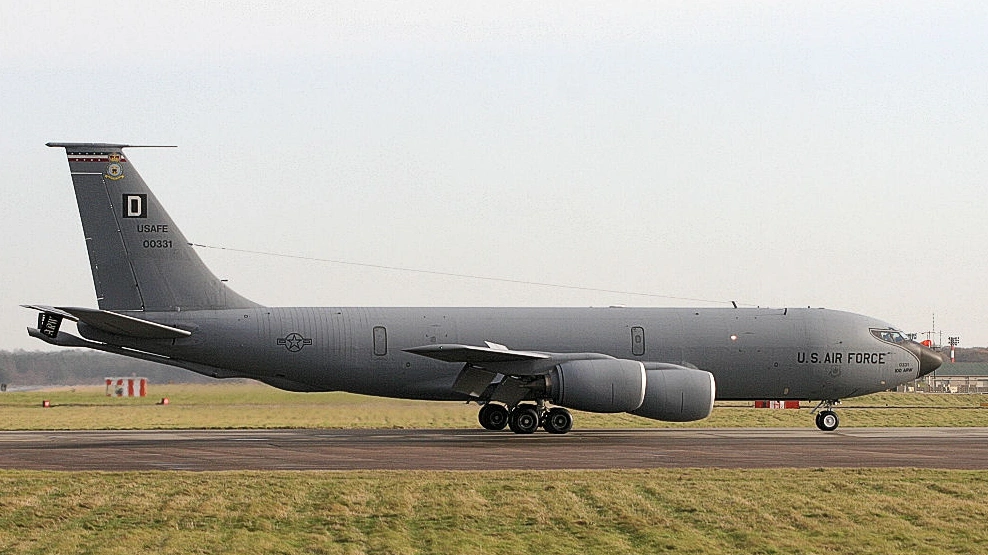
RAF Mildenhall, located in Suffolk, England, serves as one of the United States Air Force’s most critical installations in Europe, that hosts over 4,300 active-duty personnel and approximately 3,200 dependents, contributing to a total base population of roughly 14,000.
The base’s 100th Air Refueling Wing (100th ARW) operates KC-135 Stratotankers. It is also the continent’s only permanent U.S. air refueling wing. The base also:
- Supports Special Operations Command Europe (SOCEUR)
- Hosts the 352nd Special Operations Wing with CV-22 Ospreys and MC-130J Commando II aircraft
Here are some key operational & force data on RAF Mildenhall:
| Category | Data / Metric | Operational Notes / Context |
|---|---|---|
| Total Personnel | 4,300+ active-duty | Includes ~3,200 dependents; total base population ~14,000 |
| Location | Mildenhall, Suffolk, England | Located near RAF Lakenheath and RAF Feltwell |
| Host Wing | 100th Air Refueling Wing | Europe’s only permanent U.S. refueling wing |
| Primary Aircraft | KC-135 Stratotanker | Provides air-to-air refueling for U.S. and NATO aircraft |
| Special Operations Units | 352nd Special Operations Wing (SOCEUR) | Operates CV-22 Ospreys and MC-130J Commando aircraft; only permanently stationed USAF SO unit in Europe |
| Reconnaissance Assets | RC-135 Rivet Joint | Conducts electronic surveillance along NATO’s eastern flank |
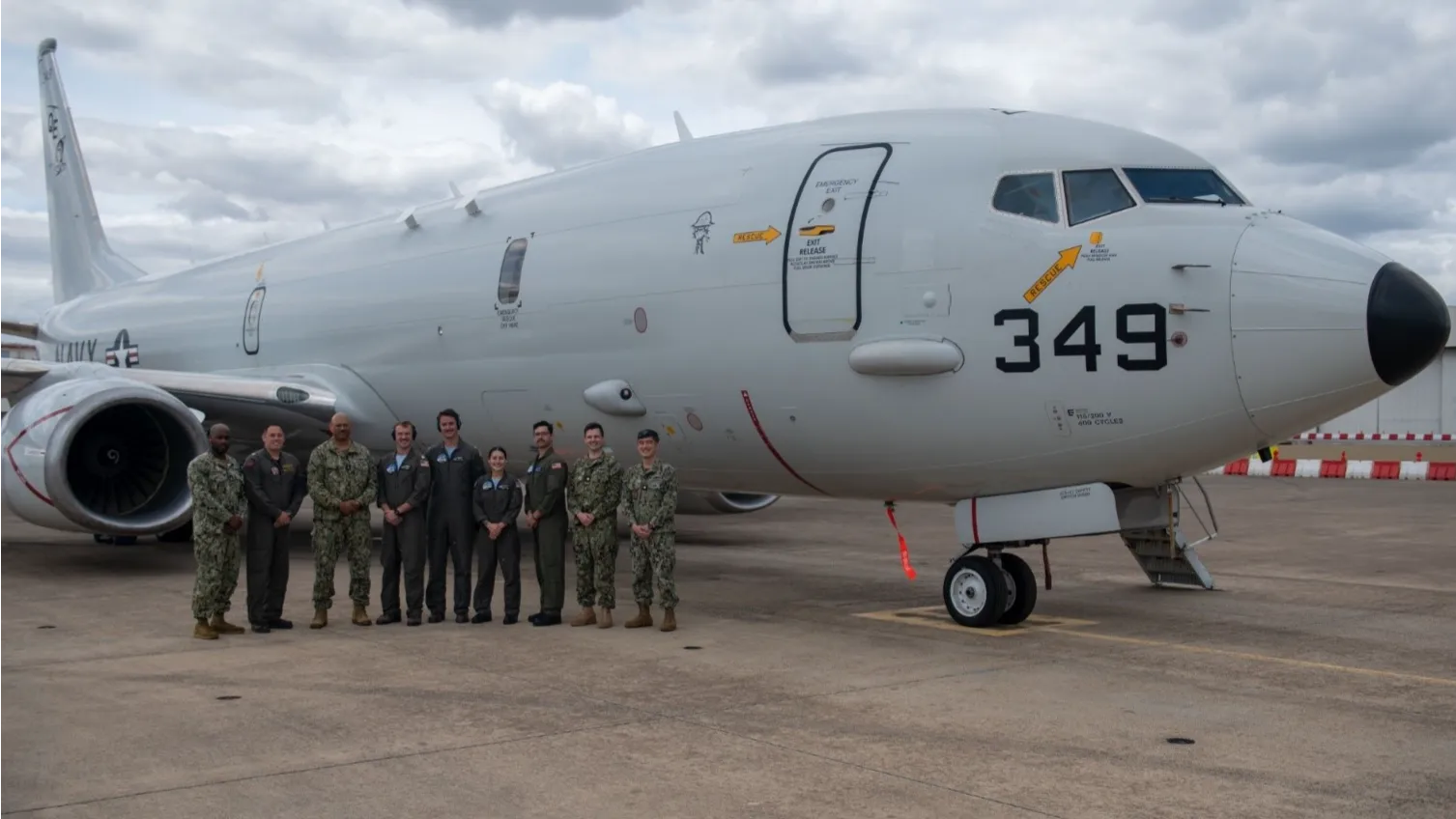
| Maritime Surveillance | P-8 Poseidon aircraft | Tracked/intercepted Russian-flagged tankers in the North Atlantic, Jan 2026 |
| Strategic Role | Air refueling & special operations support | Acts as a “gas station” for NATO and U.S. aircraft |
| Recent Developments | Recapitalization phase until early 2026 | Modernization of previously neglected facilities; closure plan reversed in 2020 |
| Collaboration | RAF Lakenheath & RAF Feltwell | Part of a large integrated military complex supporting NATO operations |
Spangdahlem Air Base
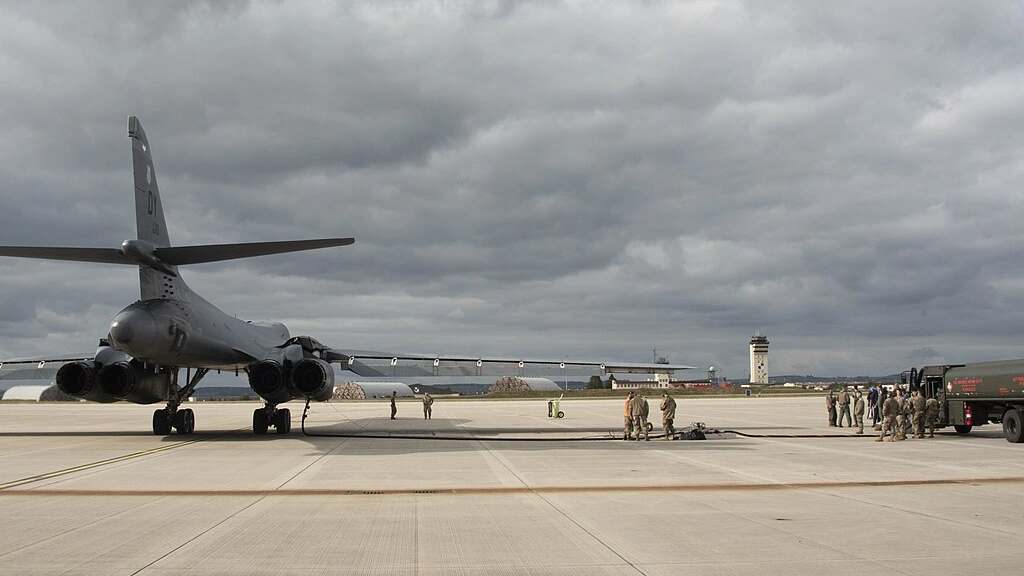
Spangdahlem Air Base, a United States Air Force installation located near Spangdahlem in Rhineland‑Pfalz, Germany, was constructed between 1951 and 1953 at the onset of the Cold War to bolster NATO’s forward air posture in Europe. According to Global Military, the 52nd Fighter Wing was activated at Spangdahlem on December 31, 1971 and this wing hosts the 480th Fighter Squadron, which:
“…operates Lockheed Martin Block 50 F-16CM/DM aircraft. The 726th Air Mobility Squadron provides command and control, maintenance, and aerial port capabilities for Air Mobility Command (AMC) aircraft transiting the base. Spangdahlem manages approximately 30% of the transport capacity formerly held at Rhein-Main Air Base. The wing also oversees geographically separate munitions support squadrons at Kleine Brogel Air Base, Büchel Air Base, Volkel Air Base, and Ghedi Air Base”.
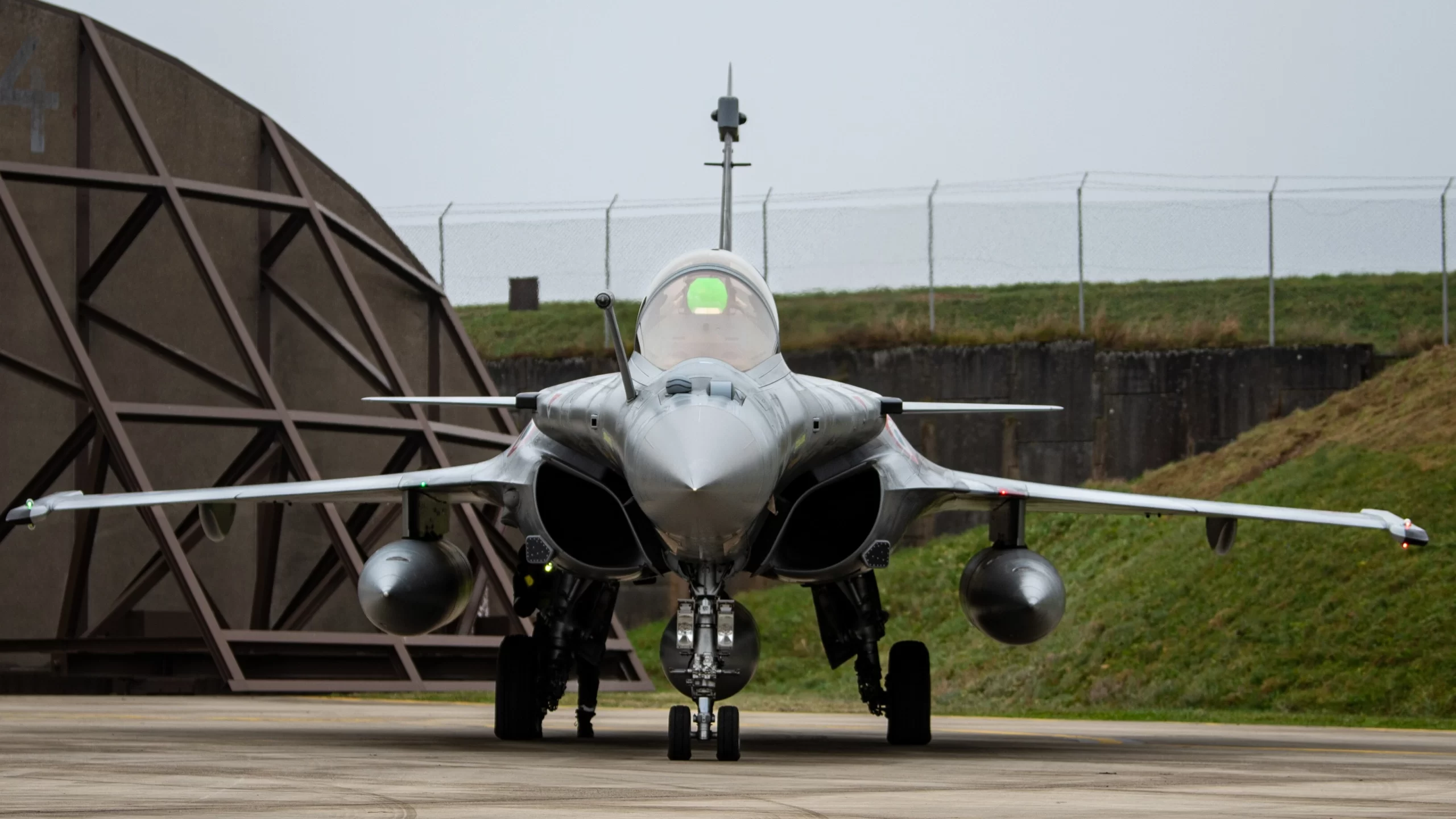
Here are some key operational & force data on Spangdahlem Air Base:
| Category | Data / Metric | Operational Notes / Context |
|---|---|---|
| Total Personnel | 5,000+ active-duty | Supports ~7,000 family members; total population ~12,000 |
| Location | Southwest Germany | Near Luxembourg and Belgium borders |
| Host Wing | 52nd Fighter Wing | Provides power projection and NATO rapid response capability |
| Fighter Squadron | 480th Fighter Squadron | Only F-16 fleet in Europe dedicated to SEAD (Suppression of Enemy Air Defenses) |
| Primary Fighter Aircraft | F-16 Fighting Falcon | Conducts Agile Combat Employment (ACE) missions across NATO’s eastern flank |
| Additional Aircraft | F-35s | Deployed regularly to Poland, Romania, and Estonia during ACE missions |
| Cargo Throughput | ~30% of former Rhein-Main Air Base heavy cargo traffic | Handles C-17 and C-5 aircraft as Air Mobility Command “throughput hub” |
| Fuel Capacity | Up to 1 million gallons/day | Supported by NATO fuel pipeline and on-base storage improvements |
| Geographically Separated Units | 4 units in Belgium, Germany, Netherlands, Italy | Manage NATO theater nuclear deterrent security and accountability |
| Strategic Role | High-readiness power projection and ACE hub | Key link in NATO rapid response capability and regional deterrence |
Naval Air Station
Naval Air Station (NAS) Sigonella is located in eastern Sicily near Catania, Italy, and was established on June 15, 1959. Currently, the base comprises NAS I (administration) and NAS II (operations), roughly seven miles apart, with additional support facilities including a NATO pier and a naval radio transmitter site.
NAS Sigonella serves as the primary operating base for NATO Alliance Ground Surveillance (AGS), including all five of its RQ-4D Phoenix UAVs, solidifying its role as the “Hub of the Med”. The construction of the air facility began on September 1957 when it was a naval air facility, built on an abandoned World War II Axis airfield in eastern Sicily. Here’s how it has evolved ever since:
-
June 15, 1959: NAS Sigonella is officially established to house a P-2V Neptune patrol and anti-submarine unit previously stationed in Malta.
-
August 1959: Airfield becomes operational for daylight flights.
-
November 1959: Initial personnel assigned include 359 permanent staff and 234 deployed squadron members.
-
Circa 1992: Major construction projects, including replacement of an aging JP-5 jet fuel facility and a land purchase that doubles the operations site, expanding capacity for new missions.
-
Early 2000s: Commissary, exchange, and family housing near NAS II are still under construction; operational tempo increases to support conflicts in Eastern Europe.
-
2007–2010: Base expands to accommodate interservice missions, including Explosive Ordnance Disposal and helicopter operations, while retaining support for NATO and U.S. Navy activities.
-
2015–2022: NAS Sigonella grows to 1,300 acres with approximately 40 tenant commands, including detachments from Space Force, Army, Marines, and Air Force.

The following are the key Operational & Force Data about NAS Sigonella:
| Category | Data / Metric | Operational Significance / Notes |
|---|---|---|
| Total Personnel Supported | ~7,000 | Includes US, NATO, Italian personnel, and families |
| Base Components | NAS I (administration); NAS II (operations) | Located ~7 miles apart |
| Primary Tenant / Wing | U.S. Navy & Italian Air Force | Supports multiple NATO commands and all U.S. service branches |
| UAV Operations | MQ-4C Triton / Global Hawk | Main base for unmanned aerial operations in Mediterranean & North Africa |
| Maritime Patrol Aircraft | US & NATO maritime patrol aircraft | Logistics, reconnaissance, and surveillance operations across Med & North Africa |
| NATO ISR Presence | NATO Intelligence, Surveillance, and Reconnaissance Force (NISRF) | Celebrated 10th anniversary in 2025; primarily operates from Sigonella |
| Strategic Role | Primary support for U.S. 6th Fleet | Critical staging point for personnel and cargo between U.S., Europe, and Southwest Asia |
| Recent Expansion | 140,000 m² of new land-side and air-side operational areas | Specifically designed for unmanned aircraft operations |
| Nickname / Recognition | “Hub of the Med” | Reflects centrality to Mediterranean operational and logistical activities |
RAF Lakenheath
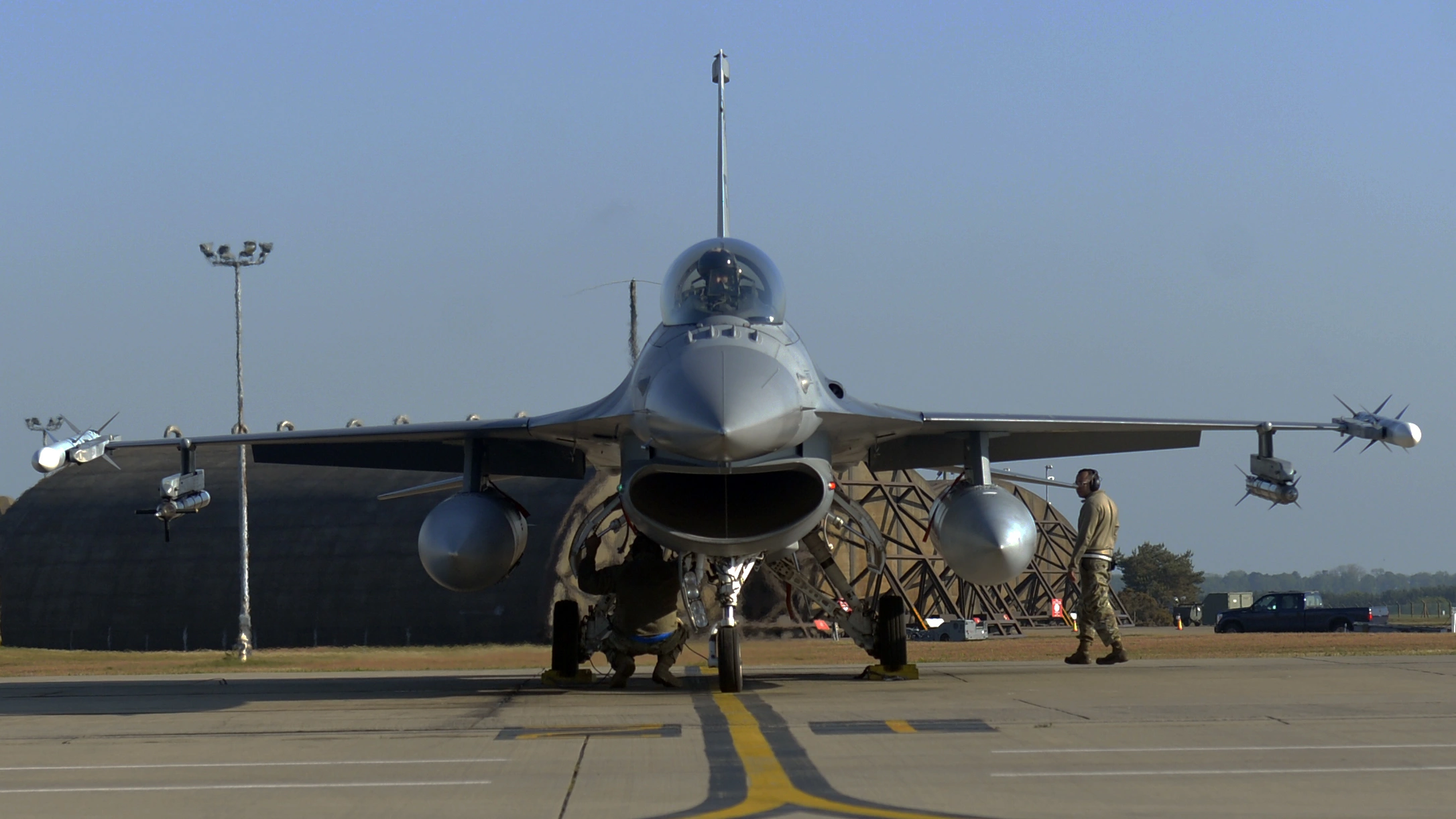
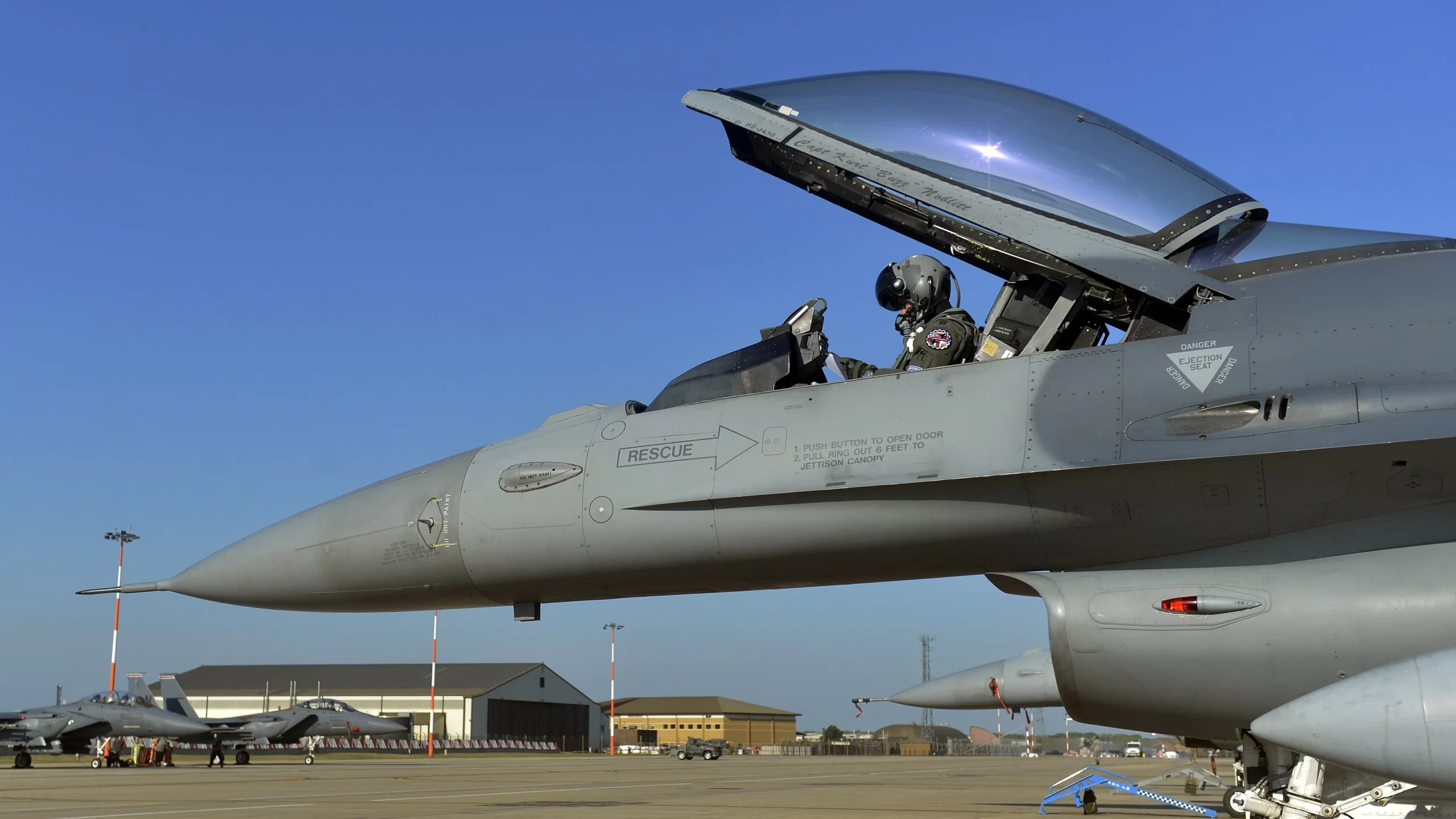
RAF Lakenheath, located in Suffolk, England, is the largest United States Air Force–operated base in the United Kingdom and a key element of NATO’s defense posture in northern Europe. The base is home to the 48th Fighter Wing (“Statue of Liberty Wing”), the only USAF wing in Europe that operates both F‑15E Strike Eagle and F‑35A Lightning II combat aircraft.
Initially established for U.S. air operations in the early Cold War period, Lakenheath hosted nuclear gravity bombs in underground vaults throughout much of the late 20th century. By the 1990s, it maintained 33 underground Weapons Storage and Security System (WS3) vaults capable of holding up to 110 B61 nuclear weapons deliverable by fighter aircraft. Here’s a look at the evolution of the Air Base as a harborer of nuclear weapons:
-
1954: United States begins storing nuclear weapons at RAF Lakenheath, coinciding with the permanent presence of the 48th Fighter Wing.
-
1990s: The base is equipped with 33 underground storage vaults and holds up to 110 B61 gravity bombs deliverable by F-15E aircraft.
-
Early 2000s: F-15Es retain nuclear capability; nuclear bombs remain in storage.
-
2008: Nuclear weapons are withdrawn from RAF Lakenheath—the first time since 1954 that the U.S. does not store nuclear weapons in the UK; storage vaults placed in caretaker status.
-
2016: RAF Lakenheath is not listed as an “active site” in the nuclear upgrade contract for Europe; a ceremony during a F-22 Raptor visit is held in an aircraft shelter above an empty vault.
-
Post-2016: Budget documents indicate RAF Lakenheath has been added to the list of nuclear storage sites slated for upgrades. Rumors circulate regarding nuclear exercises at the base.
-
December 2021: The first F-35A Lightning II fighters arrive at Lakenheath; the 495th Fighter Squadron will operate a total of 24 nuclear-capable F-35As.
-
2022–2023: Training is scheduled for nuclear units in Europe to prepare for the B61-12 guided nuclear bomb, which enters full-scale production; potential deployment to Europe, including Lakenheath, may occur in 2023.
-
Current Status (2025): Base vaults are being upgraded to accommodate nuclear weapons; F-15Es retain nuclear capability at reduced operational levels; exact number of weapons at RAF Lakenheath is unconfirmed, with roughly 100 B61 bombs estimated at six bases in five European countries.
In 2022, NATO Secretary General Jens Stoltenberg declared in December 2021:
“we have no plans of stationing any nuclear weapons in any other countries than we already have these nuclear weapons as part of our deterrence and that… have been there for many, many years.”
Recent infrastructure upgrades—including reinforcement of aircraft shelters to integrate WS3 vaults and expanded nuclear security facilities, with Army Recognition reporting of “multiple converging indicators suggest that the United States has discreetly reintroduced nuclear weapons to the United Kingdom, specifically at RAF Lakenheath“.
The following table about RAF Lakenheath gives us an idea about the key operational & force data:
| Category | Value / Metric | Notes / Context |
|---|---|---|
| Total Personnel | 7,000+ active-duty | U.S. military personnel |
| Base Population (Including Families) | ~18,000 residents | Includes ~11,000 family members |
| Headquartered Wing | 48th Fighter Wing (“Liberty Wing”) | Largest USAF-run base in the UK |
| Fighter Aircraft Types | F-35A Lightning II; F-15E Strike Eagle | Only USAF wing in Europe operating both |
| F-35A Squadrons | 2 active squadrons (493rd “Grim Reapers” & 495th “Valkyries”) | Full planned complement reached in 2025 |
| Total F-35A Aircraft | 52 aircraft (2025) | Only 5th-generation fighters in Europe capable of delivering B61-12 nuclear bombs |
| Planned F-35A Expansion | 3rd squadron (494th “Panthers”) | Transition ongoing; F-15Es to be phased out by 2028 |
| Primary Missions | Agile Combat Employment (ACE); nuclear deterrence; high-readiness strike | Integration with Special Operations and NATO missions |
| NATO Role | Regional strike & collective deterrence | B61-12 capable F-35As provide nuclear precision strike capability |
| Nuclear Capability | B61-12 delivery | Key component of NATO deterrence force |
Aviano Air Base
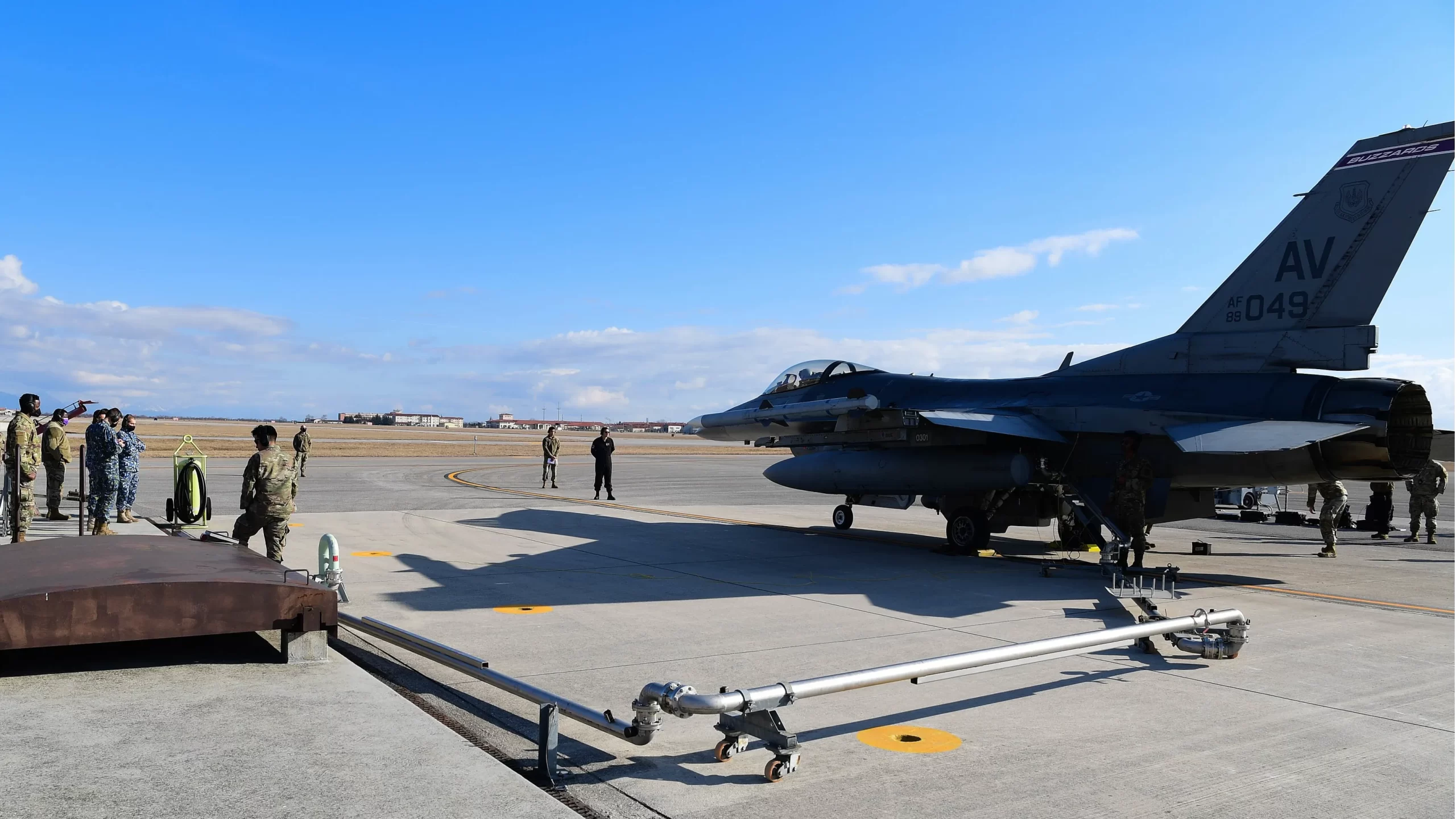
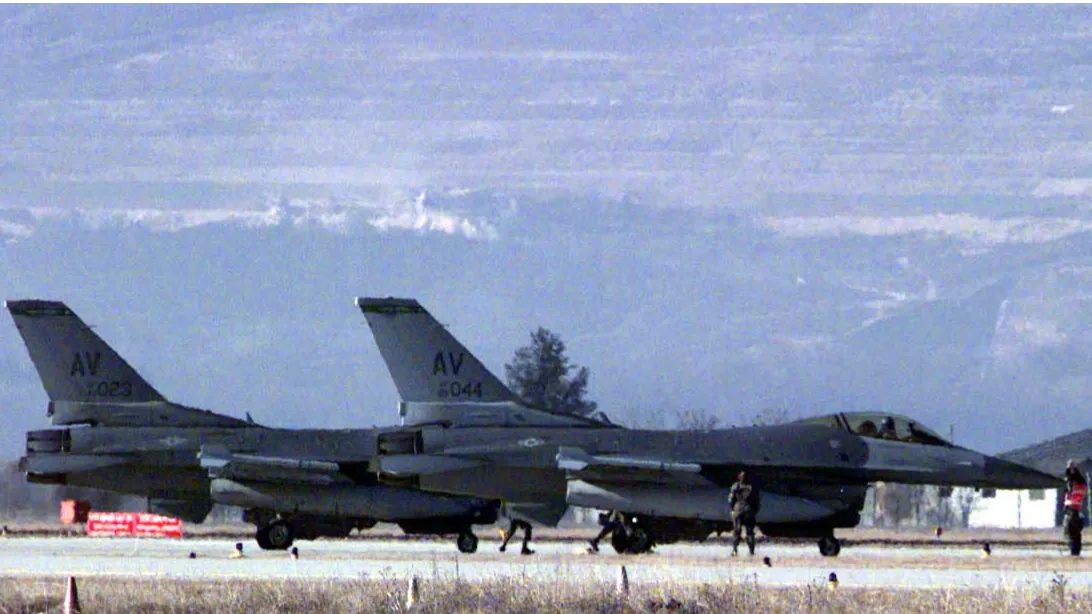
Aviano Air Base, located in northeastern Italy’s Friuli-Venezia Giulia region (near the Dolomite Mountains and approximately 50 miles north of Venice), is operated under joint Italian ownership and U.S. Air Force control. It hosts the 31st Fighter Wing, the only permanent U.S. fighter wing south of the Alps and is equipped primarily with F-16 Fighting Falcons.
Here’s how the air base has evolved over the years:
-
1911: Formally established by the Italian government as Italy’s first airport, serving as a pilot training center and aircraft manufacturing facility.
-
1914–1918 (World War I): Used for missions against Austro-Hungarian and German forces.
-
1919: Renamed Aeroporto Pagliano e Gori following post-war restructuring.
-
1939–1945 (World War II): Operated under both Italian and German control; captured by British forces in 1945.
-
1947: Italian Air Force resumes operations at the airfield.
-
1954: U.S. Air Force establishes a permanent presence at Aviano, initiating joint Italian-U.S. use.
-
April 1994: 31st Fighter Wing is assigned to Aviano, including the 510th and 555th Fighter Squadrons operating F-16 Fighting Falcons.
-
1990s (Balkans Operations): Base supports Operation Deny Flight, Operation Deliberate Force, and Operation Allied Force over Kosovo.
-
2000s: Deployed personnel and aircraft for Operation Southern Watch, Operation Enduring Freedom, and Operation Iraqi Freedom.
-
2011: Contributed to Operation Odyssey Dawn and Operation Unified Protector in Libya.
-
2023: Designated as one of six European bases with B61 nuclear bombs stored in underground WS3 Weapon Storage and Security Systems.
-
Infrastructure Today: Operates a 2,987-meter asphalt runway; hosts the 56th and 57th Rescue Squadrons; Italian Air Force retains ownership and administrative control.
The following are the key Operational & Force Data on Aviano Air Base.
| Category | Data / Metric | Operational Significance |
|---|---|---|
| Total Personnel Supported | 8,000–10,000 personnel | U.S. and Italian military, families, and civilian contractors |
| Headquartered Wing | 31st Fighter Wing | Primary U.S. fighter presence in Southern Europe |
| Fighter Squadrons | 2 squadrons of F-16 Fighting Falcons | High-readiness airpower for Mediterranean & NATO flanks |
| Strategic Role | NATO eastern & southern flank defense | Includes nuclear deterrence mission |
| Nuclear Capability | B61 nuclear bombs stored (1 of 6 European bases) | Dual-capable aircraft mission |
| Rescue Units Based | 56th & 57th Rescue Squadrons | NATO combat search and rescue (CSAR) |
| CSAR Aircraft Fleet | HH-60W Jolly Green II (5th aircraft added in 2025) | Long-range personnel recovery capability |
| Command & Control Element | 606th Air Control Squadron | NATO southern region air C2 coordination |
| New Infrastructure (Completed) | Rapid deployment facility (2025) | Supports 173rd Airborne Brigade & crisis forces |
| Infrastructure (Under Construction) | Combat Rescue Helicopter Simulator | Enhances CSAR readiness |
| Infrastructure (Under Construction) | RADR storage facility | Rapid Airfield Damage Recovery capability |
| ACE Operations | Late 2025–early 2026 deployments | F-16 forward deployments to Romania |
| Regional Deterrence Focus | Counter-Russian influence | Agile Combat Employment implementation |
In April, 2024, the 31st Fighter Wing unveiled its first-ever Joint Collaboration Center at Aviano Air Base. The Air Base claimed that the center was “the first of its kind at Aviano” and is set to “enhance interoperability by providing a shared space to pool resources, expertise and intelligence with our allies, ultimately combatting common threats“. Brig. Gen. Tad Clark said:
“The fact that we now have a joint collaboration space here for our forces to come together to plan, coordinate and discuss, in a dedicated workspace, is very critical and has great impact on our operations and how we move forward.”
Mihail Kogălniceanu Air Base
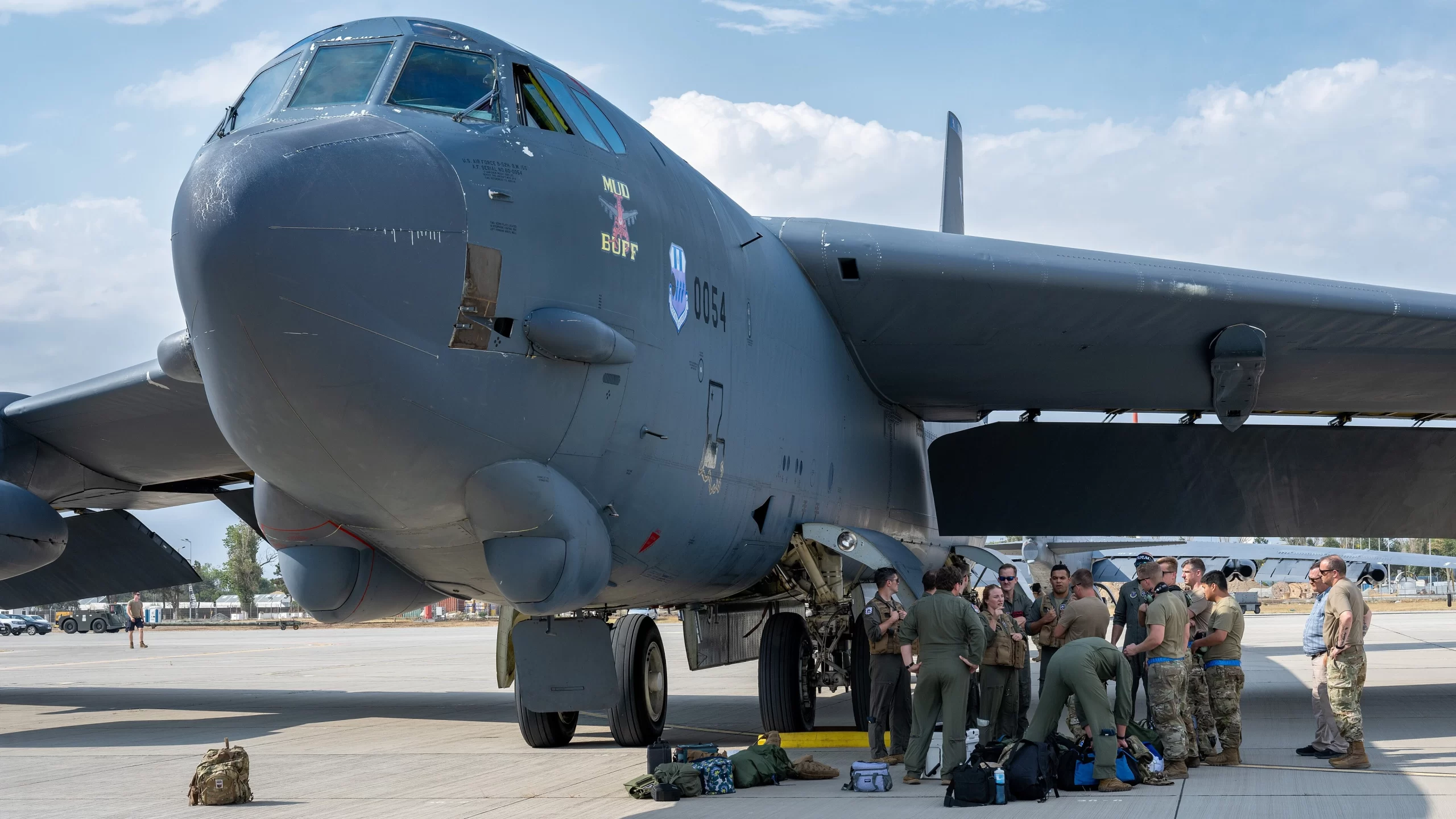
Mihail Kogălniceanu Air Base is adjacent to Mihail Kogălniceanu International Airport and is in close proximity to the Black Sea, just 20 kilometers from the coast. Originally a Romanian Air Force installation, the base has expanded to support rotational fighter deployments, surveillance missions, and multinational training exercises under NATO’s Enhanced Air Policing framework, reported avim.org.tr:
“The base has been used by U.S. military as a transit location during the wars in Afghanistan and Iraq. After Russia invaded Crimea, it has been hosting NATO and American troops and has been used for NATO air police missions in the region. Another key point is that its proximity to Türkiye. Although Türkiye officially has not deployed troops to the Mihail Kogalniceanu yet, the nation has participated NATO’s enhanced Air Policing mission with four Turkish F-16 jets arrived at 86th Borcea Air Base in Romania.”
The base’s role in hosting interoperability exercises and quick-reaction alerts has underlined its value in reinforcing allied readiness and airspace defense. Russia has publicly cited the facility’s expansion as a challenge to its regional influence—an implicit acknowledgment of the base’s growing deterrent profile.
Mihail Kogălniceanu Air Base – Key Figures
| Data Category | Value / Metric | Notes / Context |
|---|---|---|
| Projected Troop Capacity | 10,000 personnel (planned) | Permanent personnel and families once expansion is complete |
| Distance from Coast | ~20 km | Enables maritime surveillance and Black Sea monitoring |
| Base Area (Post-Expansion) | ~3,000 hectares | Equivalent to ~11 square miles |
| Comparative Size | Larger than Ramstein Air Base | Will exceed current largest U.S. hub in Europe by land area |
| Runway Length (New) | 3.5 km | Supports heavy transport and rotary-wing operations |
| Construction Status | Ongoing (early 2026) | Hangars, fuel depots, ammunition storage under development |
| U.S. Force Expansion Approval | September 2025 | Response to rising tensions in Eastern Europe & Middle East |
| Aircraft Observed (2025) | CH-47F Chinook | U.S. Army rotary-wing presence |
| Planned Fixed-Wing Fighters | 1 squadron of Romanian F-16s | Permanent national air combat element |
| ISR Assets | MQ-9 Reaper UAVs | Persistent surveillance and reconnaissance |
| NATO Participation | 32 NATO countries (rotational forces) | Multinational deployment framework |
| Residential Infrastructure | Military City for 10,000 people | Includes schools, shops, kindergartens, hospital |
| Primary Mission Sets | Maritime surveillance; Enhanced Air Policing | NATO eastern flank air defense |
In 2024, a BBC report said that Mihail Kogălniceanu Air Base was set to become NATO’s largest airbase in Europe:
“The MK base will soon have a squadron of Romanian F-16s – recently bought from Norway – as well as MQ-9 Reaper drones, and a military city through which Nato army, air force and naval personnel from 32 countries will rotate. The latest arrivals are the Finns. Just 20km (12 miles) from the Black Sea coast, the base is 300km from Odesa, as the fighter flies, and 400km from Sevastopol in Russian-occupied Crimea.”
The airbase has Company-size maneuver training areas, live-fire shooting ranges, is able to support aircraft up to C-5 Galaxy class.
-
Infrastructure facilities: Barracks; DFAC and MWR facilities; Aid Station; Fire Station; Military Police Station; Troop Medical Center; gym; post exchange; rail connection
- U.S. and allied deployments hosted: U.S. Marine Corps Black Sea Rotational Force (2010–2018); F-22 Raptor fighters; CF-188 Hornets; ARTEMIS special mission aircraft; and elements of the French-led Multinational Battlegroup.
Ramstein Air Base
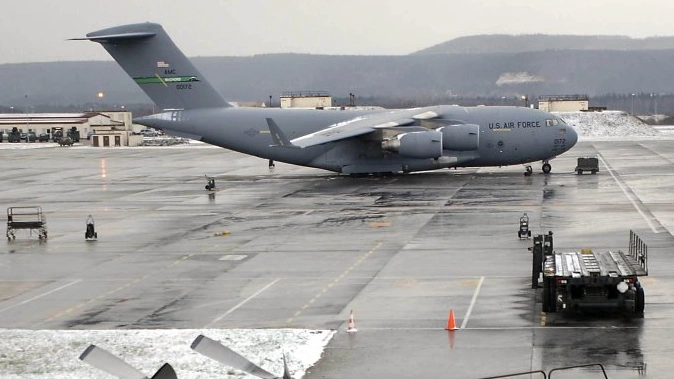
Ramstein Air Base, located in Rhineland-Palatinate in southwest Germany, is the primary United States Air Force (USAF) installation in Europe and serves as the headquarters for United States Air Forces in Europe – Air Forces Africa (USAFE-AFAFRICA) as well as NATO’s Allied Air Command (AIRCOM).
Ramstein hosts the 86th Airlift Wing, which manages tactical airlift, aeromedical evacuation, and logistical support missions across Europe, Africa and the Middle East. Since 1974, it has been home to the NATO Allied Air Command headquarters.
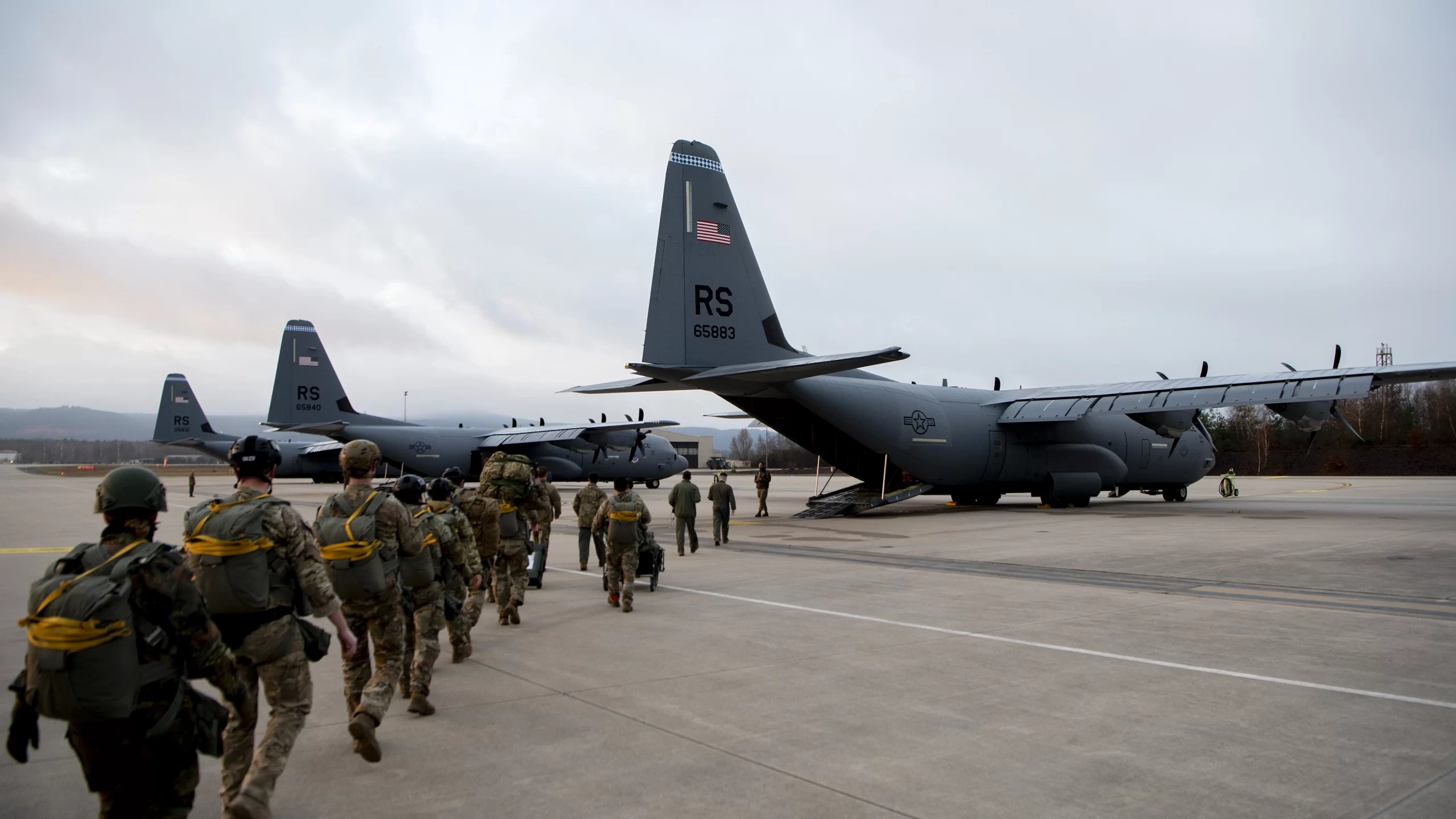
Ramstein Air Base – Key Figures
| Category | Derived Numerical Data | Context / Strategic Relevance |
|---|---|---|
| Total U.S. Military Population | 16,200+ active-duty personnel & contractors | Largest American military population outside the continental United States |
| Total American Community Supported | 54,000+ U.S. personnel and dependents | Includes families and civilian support network across the Kaiserslautern Military Community |
| Principal Host Unit | 1 wing – 86th Airlift Wing | Sole provider of theater-wide airlift, airdrop, and aeromedical evacuation |
| Airlift & Medical Capability | 100% of USAFE theater airdrop & aeromedical evacuation | Unique monopoly on critical mobility missions in Europe |
| NATO / U.S. Headquarters Located | 2 major commands | NATO Allied Air Command + USAFE-AFAFRICA co-located |
| Air Defense Integration Facilities | 1 dedicated lab (RADSIL) | Integrates U.S. and NATO surveillance against cruise missiles & UAS |
| Space Force Presence | 1 component (est. 2023) | Expected to reach full operational capability by 2026 |
| Major NATO Exercises | 2 consecutive years (2025–2026) | “Ramstein Flag” exercises focused on C-A2/AD and air-missile defense |
| Ukraine Defense Coordination | $45 billion coordinated | Total military aid coordinated during Ukraine Defense Contact Group meetings |
| Aircraft Type Highlighted | C-130J Super Hercules | Core tactical airlift platform operated by the 86th Airlift Wing |
Ramstein is also the largest USAF base overseas – the largest U.S. Air Force facility outside the United States, anchoring the Kaiserslautern Military Community. Ramstein was also seminal in 2024 during the Ukraine-Russia conflict, as Ukrainian President Vladimir Zelensky arrived in Ramstein in 2024 declaring:
” It’s important that every support package that is announced is promptly put to work on the battlefield without any delay. The fighting in the Donetsk region depends on this – if [Russian President Vladimir] Putin does not have any achievements here, he will not have any achievements anywhere. “
Ramstein is home to the following aircraft:
- C-21: A twin-engine turbofan aircraft used for light cargo and passenger transport, based on the Learjet 35A military derivative.
- C-37A: A twin-engine turbofan aircraft dedicated to special air missions, primarily transporting senior government and Department of Defense officials worldwide.
- C-130J Super Hercules: It conducts tactical airlift operations, supporting a wide range of missions across both peacetime and combat environments