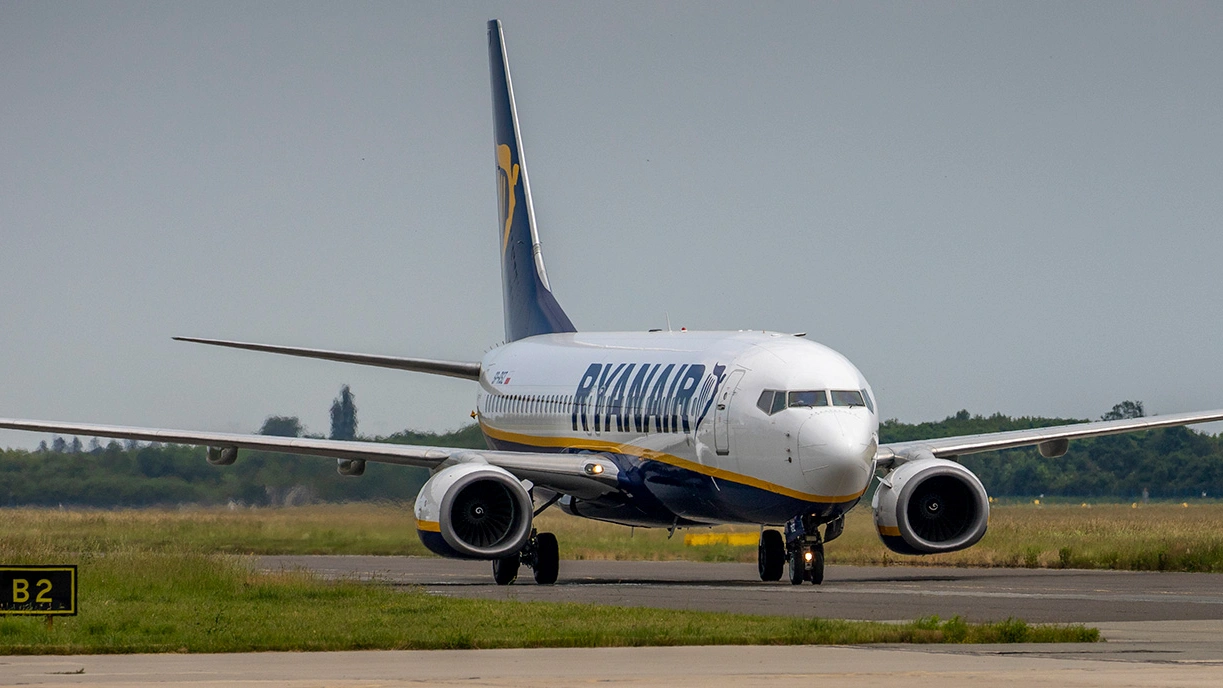
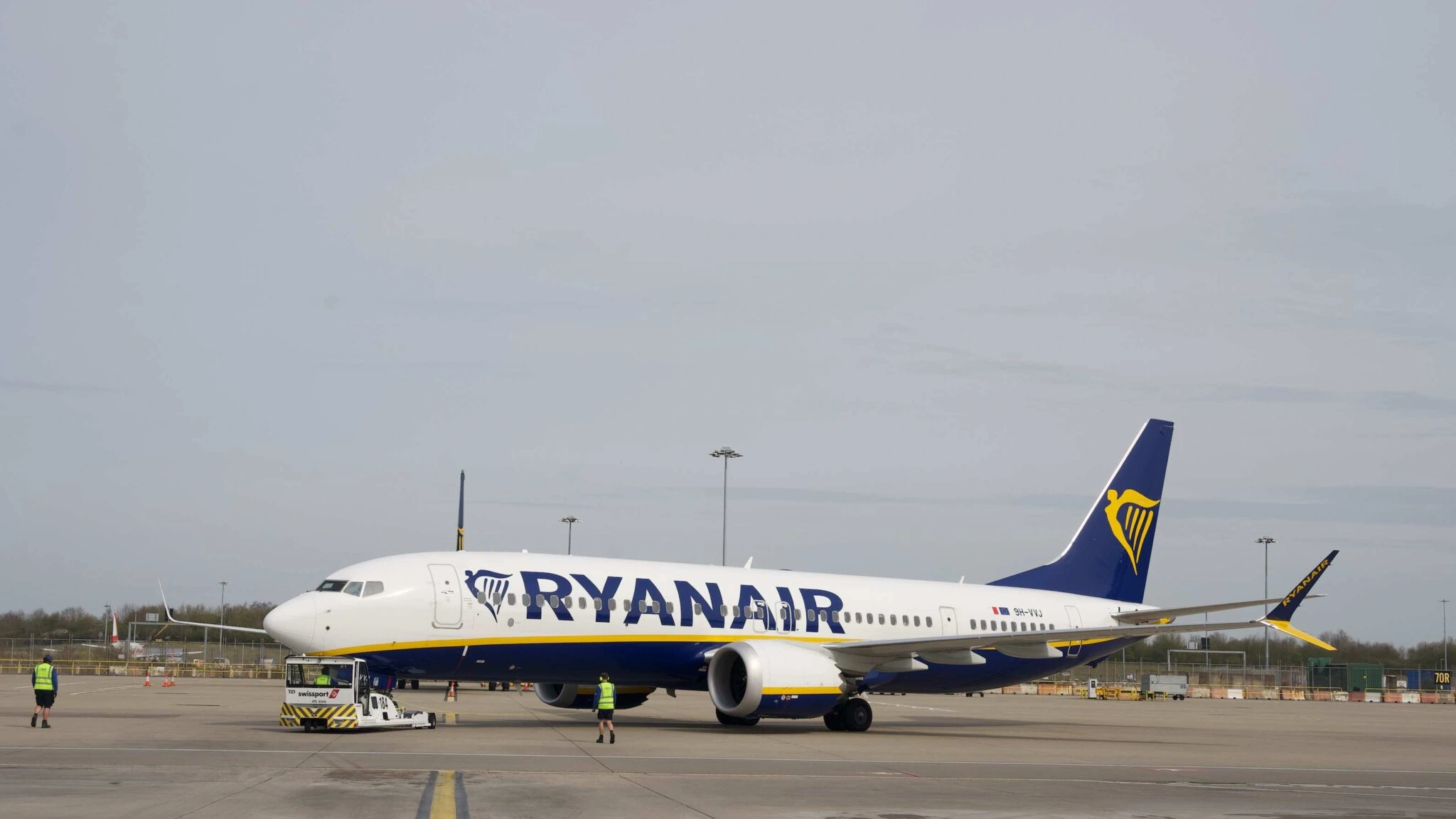
Ryanair (FR) flight FR8030 was diverted to Birmingham Airport (BHX) on the evening of Wednesday 22 July 2026, after the pilot told passengers the aircraft had a problem that meant it needed a longer runway than Exeter Airport (EXT) could offer. According to the Mirror. The flight had departed Faro, Portugal, and was scheduled to land in Devon at 6.55pm.
Passenger Davina Gunn-Hawking told DevonLive that the pilot first announced the plane was landing within five minutes, before it suddenly climbed and circled the area. A second announcement then explained the diversion, and Ryanair later confirmed the flight was forced to Birmingham without disclosing the exact cause of the fault.
What Happened Aboard Flight FR8030
Flight FR8030 flew its normal route from Faro before approaching Exeter on schedule. Flight-tracking data showed the aircraft flying over Exeter, circling the area, and then continuing north to land at Birmingham instead
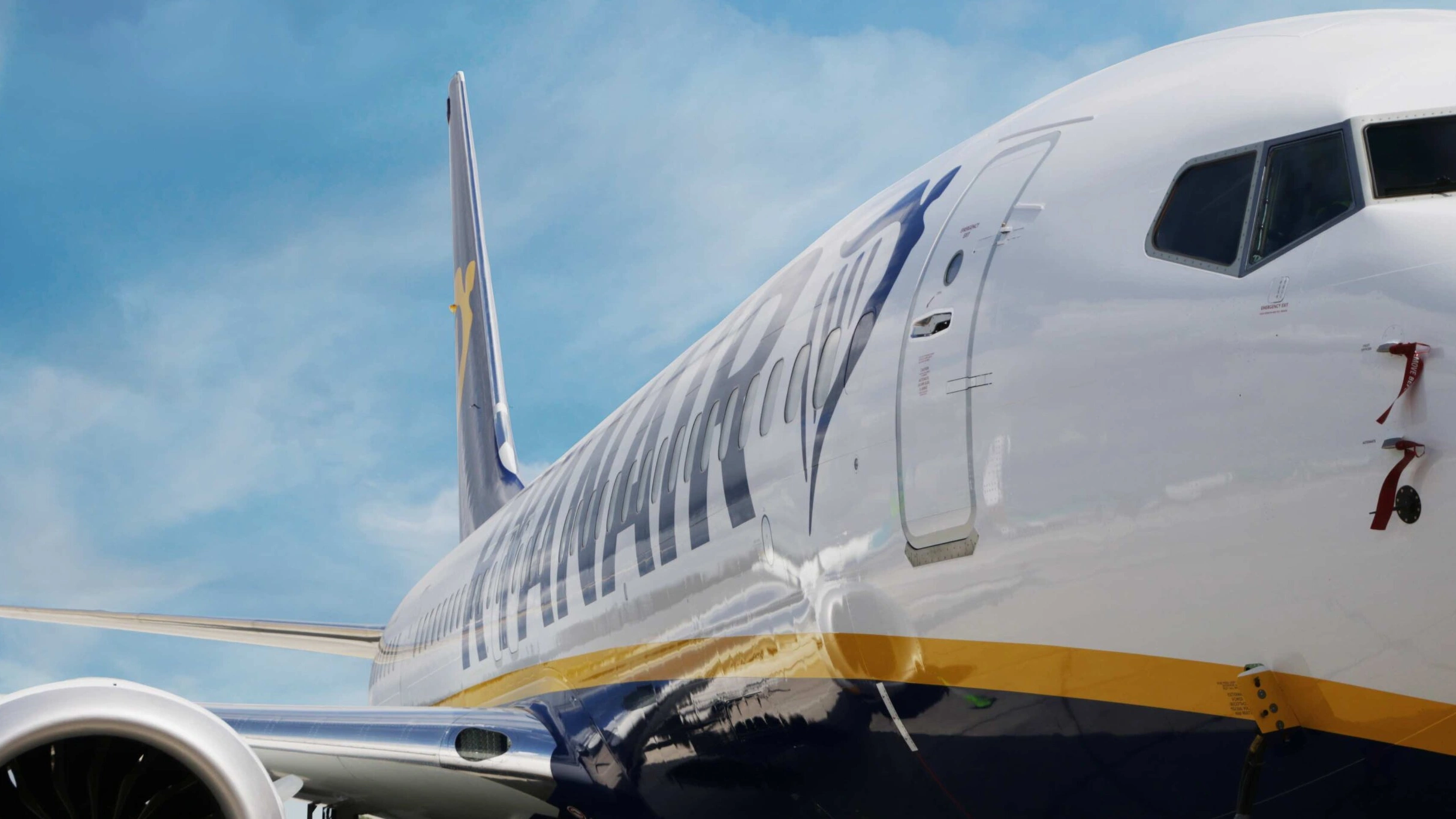
Gunn-Hawking said the pilot initially told passengers the plane was five minutes from landing at Exeter. Moments later, the aircraft climbed away and began circling rather than continuing its approach.
Pilot’s Mid-Air Announcement Alarms Passengers
A second announcement followed, telling passengers that a problem with the aircraft meant it needed a longer runway than Exeter could provide, and that the flight would instead divert to Birmingham. Gunn-Hawking described the cabin crew and pilot as “very professional and helpful,” while adding that tensions among passengers were running high during the diversion.
The exact technical issue has not been confirmed. Photographs taken after the plane landed in Birmingham show ground crews inspecting the aircraft’s wing, though the specific fault remains unclear.
Squawk 7700: What the Suspected Emergency Code Means
A flight-spotting group on social media suggested the crew squawked code 7700 during the diversion, a transponder signal that alerts air traffic control to a general emergency on board. The code does not specify what kind of emergency is underway.
Pilots use three main distress codes on their transponders:
- 7500 signals a hijacking in progress
- 7600 signals a radio communications failure
- 7700 is the general, catch-all code for any other in-flight emergency
Because 7700 covers such a wide range of situations, its use alone does not confirm what specifically went wrong with FR8030, only that the crew wanted priority handling from air traffic control while they resolved it.
Diverted to Birmingham for Its Longer Runway
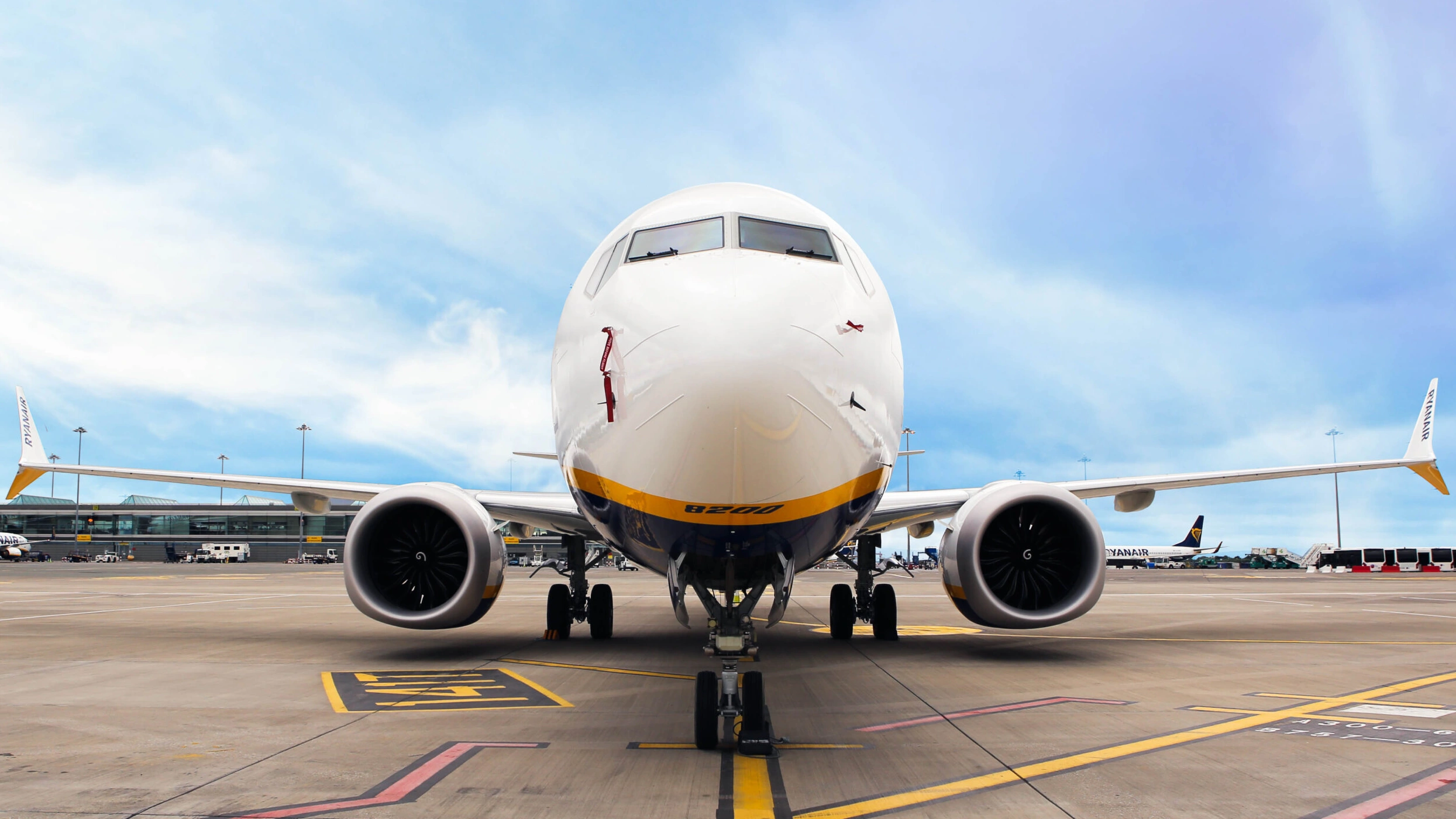
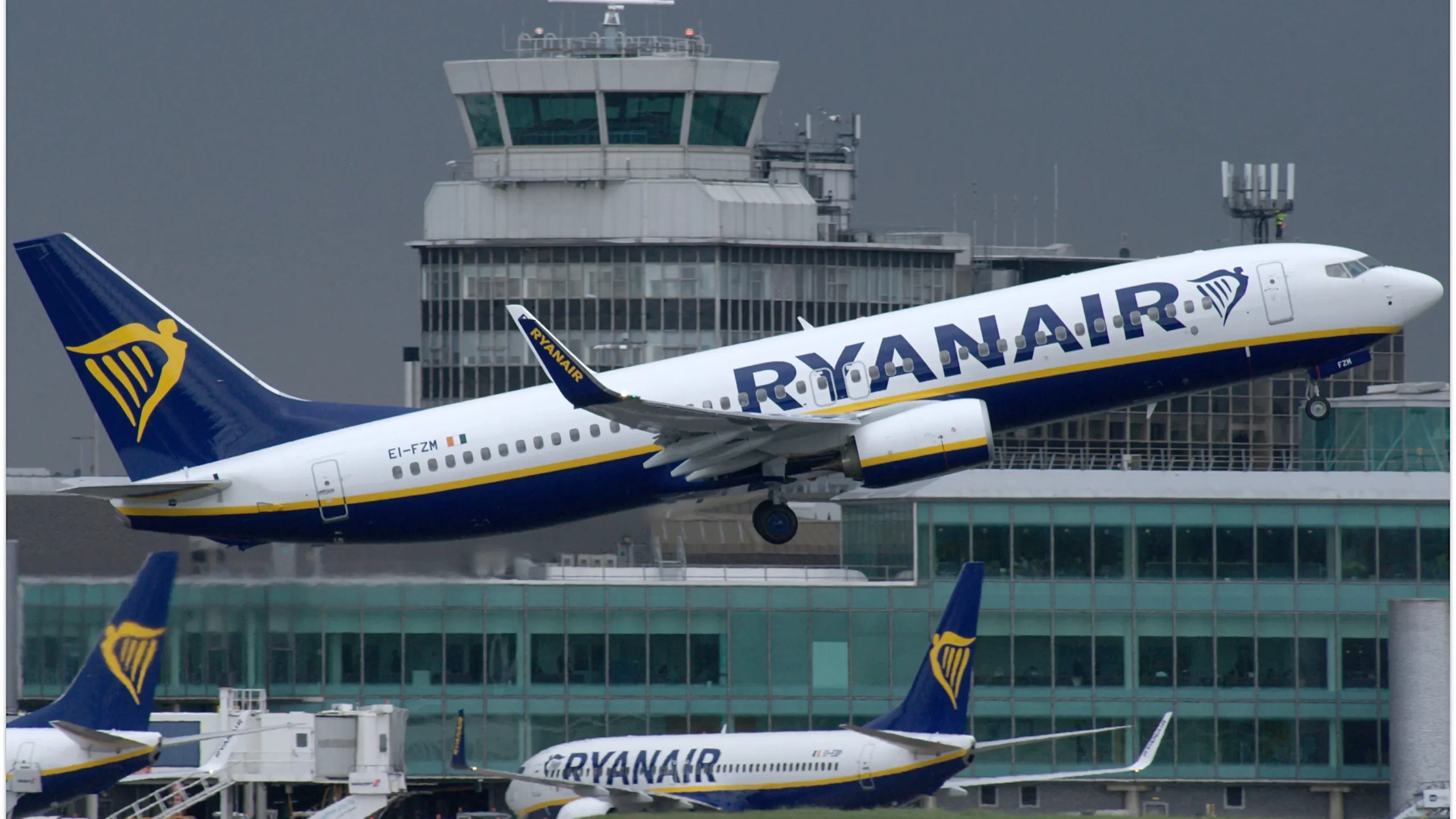
Birmingham Airport offered the longer runway the crew said the aircraft needed, which is why controllers redirected the flight there rather than back toward Exeter or another nearby airport. As the aircraft touched down, emergency vehicles used for landing precautions followed it down the runway, a standard procedure whenever a crew reports a technical issue before landing.
The aircraft landed without incident, and passengers disembarked normally once ground crews had inspected the plane.
Ryanair Arranges Coaches to Complete the Journey
Ryanair organised coaches to collect passengers from Birmingham and drive them onward to Exeter, completing the journey by road rather than by air.
In a statement to passengers, the airline confirmed the flight was “forced to divert” to Birmingham but did not explain what caused the issue.
What Happens Next
Ryanair has not said whether the aircraft involved in Wednesday’s diversion has returned to service or remains grounded for inspection. The airline also has not confirmed whether the UK Civil Aviation Authority or its own engineers are investigating the specific technical fault reported by the crew.
Passengers who were rebooked onto coaches reached Exeter later on Wednesday evening, several hours behind their original arrival time. Ryanair has not announced any wider changes to the Faro-Exeter route as a result of the diversion.
.jpg)