Qatar Airways (QR), began a phased expansion of its Doha–Dubai service on June 5, 2026, increasing frequencies between Hamad International Airport (DOH), Doha, and Dubai International Airport (DXB) from two to an eventual five daily rotations, The Penninsula Qatar reported. The additional frequencies are being introduced in stages: a third daily flight activates on June 5, a fourth follows on June 15, and a fifth service — described by the airline as a summer-season reinstatement — completes the build. At full operation, the expansion results in up to 35 weekly flights on the corridor, operated on Boeing 777 and Airbus A350 aircraft.
The frequency build on Doha–Dubai represents one of the clearest barometers of Qatar Airways’ post-disruption recovery. Qatari airspace closed on February 28, 2026, following the onset of Operation Epic Fury — a joint US-Israeli military campaign against Iran — which triggered cascading airspace closures across at least eight countries in the region.
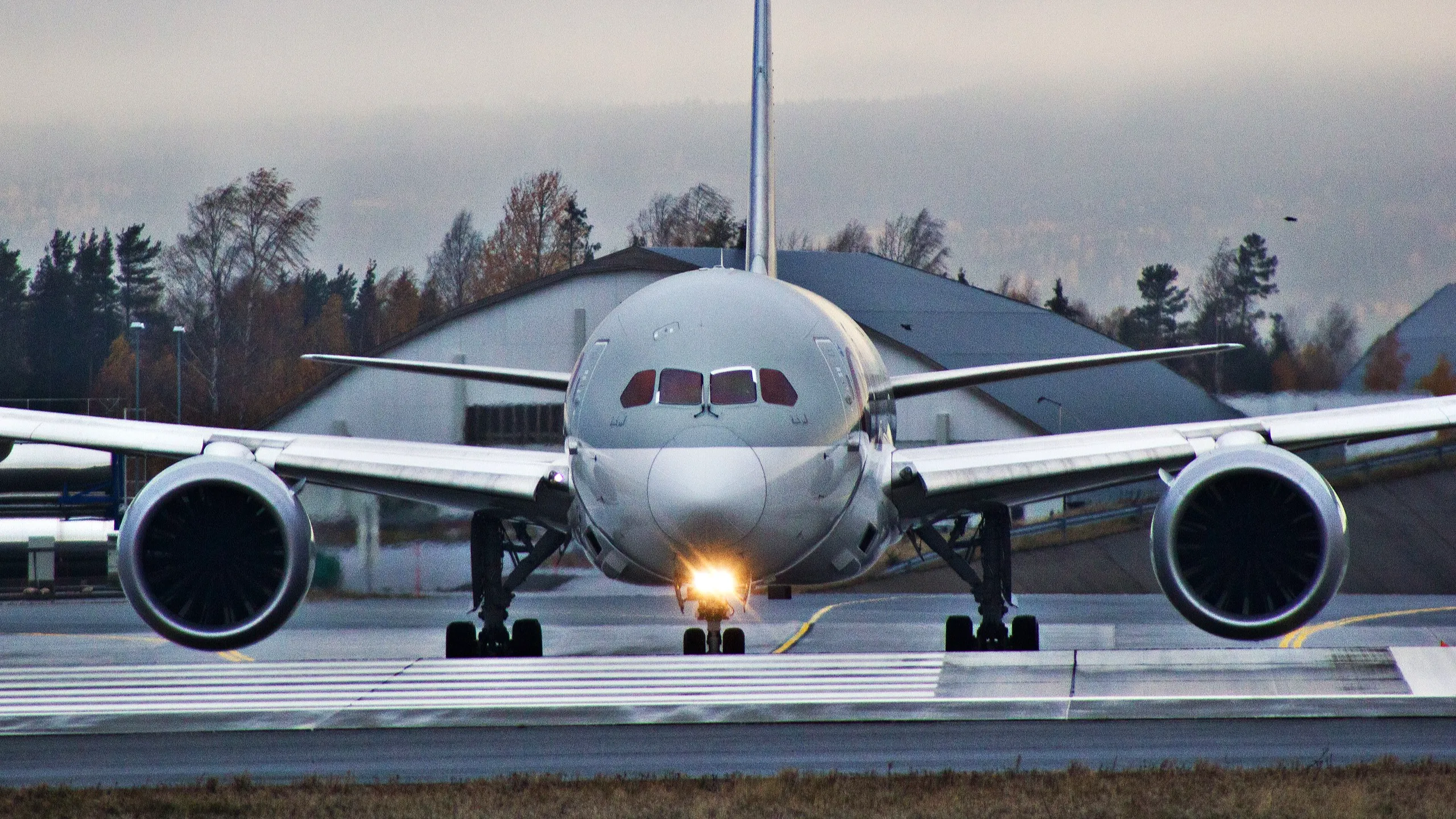
How Qatar Airways’ Doha–Dubai Frequency Expansion Unfolds
The Peninsula Qatar which broke the announcement on June 5, 2026, confirmed the phased introduction of additional frequencies across the following schedule:
| Phase | Effective Date | Daily Frequency |
|---|---|---|
| Initial restoration | April 23, 2026 | 1 daily |
| First increase | Before June 5, 2026 | 2 daily |
| Second increase | June 5, 2026 | 3 daily |
| Third increase | June 15, 2026 | 4 daily |
| Fourth increase | Summer season | 5 daily (up to 35 weekly) |
This methodical capacity sequencing reflects Qatar Airways’ broader network management philosophy since the phased resumption began. According to Qatar Airways’ official newsroom, the carrier originally reinstated daily flights to Dubai and Sharjah on April 23, 2026, as part of a broader effort to gradually restore its Middle Eastern network. The Dubai frequency expansion on June 5 marks the next discrete step in that build.
The airline advises passengers to check its official website or application regularly and to ensure their contact details remain current, as schedules continue to evolve alongside regulatory and airspace developments.
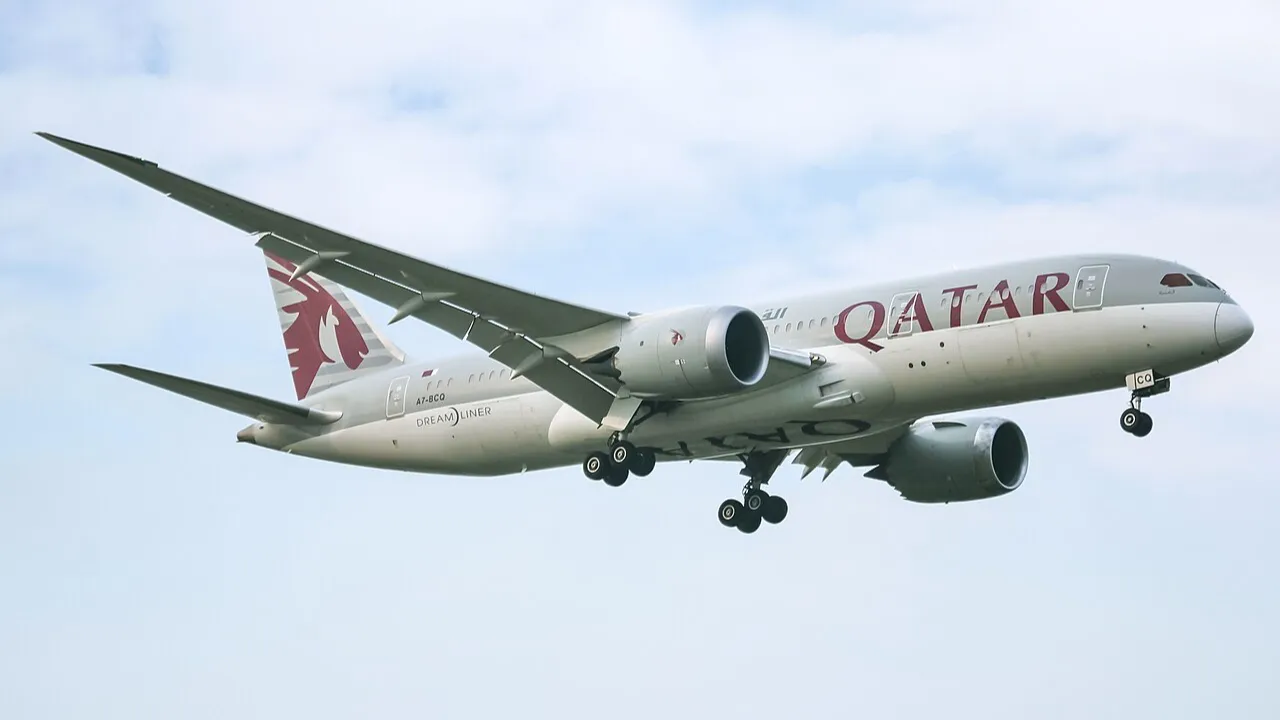
The Scale of Iran War’s Impact on Qatar Airways
To understand the significance of five daily Doha–Dubai flights, one must first appreciate the scale of what Qatar Airways endured between February 28 and mid-March 2026. Al Jazeera reported that at least eight states — among them Iran, Israel, Iraq, Jordan, Qatar, Bahrain, Kuwait, and the UAE — declared their airspace closed simultaneously as US and Israeli strikes on Iran and retaliatory Iranian missile barrages destabilised the region’s entire aviation architecture.
Qatar, as a close US ally hosting the Al Udeid Air Base, bore the acutest civilian aviation impact of any Gulf carrier. Simple Flying reported that Hamad International Airport suspended most regular passenger operations after national airspace closed on February 28, and that Qatari officials confirmed the military had intercepted multiple Iranian missile and drone attacks specifically targeting civilian infrastructure, including the airport itself.
At its nadir, Flightradar24 documented only 16 Qatar Airways departures in a single day from Doha. By late April, the carrier had rebuilt to 138 daily departures — approximately 60% of pre-war levels — while targeting network restoration to over 150 destinations by June 16, 2026. The five daily Doha–Dubai flights land at the precise inflection point of that rebuild.

What Passengers Can Expect on Qatar’s Boeing 777 And Airbus A350
Qatar Airways deploys both the Boeing 777 and the Airbus A350 on the Doha–Dubai sector, according to the airline’s official announcement. Both types are widebody, twin-aisle aircraft — an unconventional choice for a sub-400-kilometre sector, but entirely consistent with Qatar Airways’ practice of deploying premium cabin widebodies on its Gulf shuttle routes to capture business travellers demanding its Qsuite product.
Boeing 777-300ER
The Boeing 777-300ER is the workhorse of Qatar Airways’ long and medium-haul network. Key characteristics include:
- Seating capacity on Qatar Airways: typically 354 in a three-class layout (42 Business/312 Economy) or 358 in another common configuration
- Maximum range: approximately 13,650 km, far exceeding the Doha–Dubai sector distance
- Cruise speed: Mach 0.84 (approximately 905 km/h)
- Maximum takeoff weight: 347,450 kg
- Engines: Two General Electric GE90-115B turbofans, the world’s most powerful commercial jet engines at certification
According to Simple Flying, Qatar Airways operated 57 Boeing 777-300ER aircraft as of late 2025, making it one of the largest operators of the type globally.
Airbus A350
The Airbus A350 is Qatar Airways’ prestige long-haul instrument and its most technologically advanced aircraft type. Key characteristics include:
- Seating capacity on Qatar Airways: typically 283 seats (A350-900) or 327 seats (A350-1000) in a two-class Qsuite Business/Economy configuration
- Maximum range: 15,750 km for the A350-900 and 16,700 km for the A350-1000, according to Airbus
- Cabin pressure: equivalent to 6,000 feet altitude, lower than the industry standard of 8,000 feet, reducing passenger fatigue on longer flights
- Airframe material: approximately 53% composite by weight, reducing structural weight and fuel burn
- Qatar Airways distinction: the airline is the global launch customer for both the A350-900 (January 2015) and the A350-1000 (February 2018)
Qatar Airways holds the distinction of being the largest single Boeing widebody customer for the 787-9, and operates a total fleet of 266 aircraft across Airbus and Boeing widebody and narrowbody families, per Wikipedia fleet data.


_-_36103_-_VGHS.jpg)