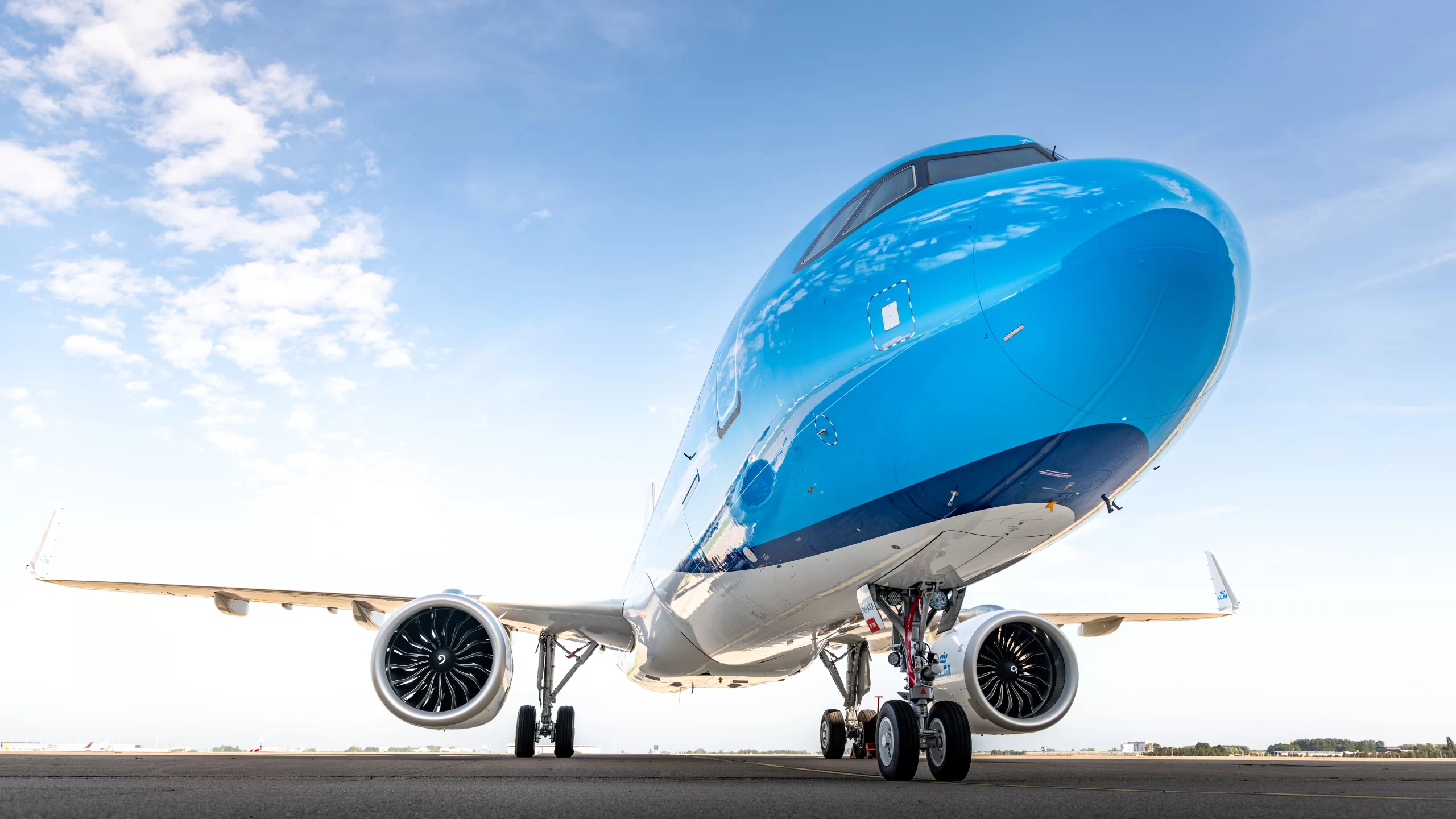
KLM Royal Dutch Airlines (KL) is putting Tel Aviv back on the map. Nearly six months after pulling out of Israel, the Dutch flag carrier will restart Amsterdam Schiphol (AMS)– Tel Aviv Ben Gurion (TLV) service on August 25 — but with a catch built into the schedule, and with three other Middle East destinations still off-limits until autumn, NL Times reported.
TLV is Back, on a Delay
KLM confirmed the August 25 restart in a statement on its own newsroom, framing it as a resumption of scheduled passenger service after roughly six months of suspension driven by the security situation in the region. That timeline lines up with a broader wave of European carriers cautiously feeling their way back into Israeli airspace this year — Lufthansa Group, for instance, began its own phased Tel Aviv return in June, sequencing Austrian Airlines, Swiss, and Lufthansa mainline across separate restart dates after EASA softened its conflict-zone advisory language for the region.
KLM isn’t going all the way, though. Three other network points stay dark:
| Route | Status | Suspended through |
|---|---|---|
| Amsterdam–Tel Aviv (TLV) | Resumes | August 25 |
| Amsterdam–Dubai (DXB) | Suspended | At least October 24 |
| Amsterdam–Riyadh (RUH) | Suspended | At least October 24 |
| Amsterdam–Dammam (DMM) | Suspended | At least October 24 |
The Gulf suspensions trace back to the same underlying conflict — the war involving Israel, the United States, and Iran — that forced the Tel Aviv shutdown in the first place. KLM has not set new target dates for Dubai, Riyadh, or Dammam.
Why Crews are Sleeping in Cyprus, not Israel
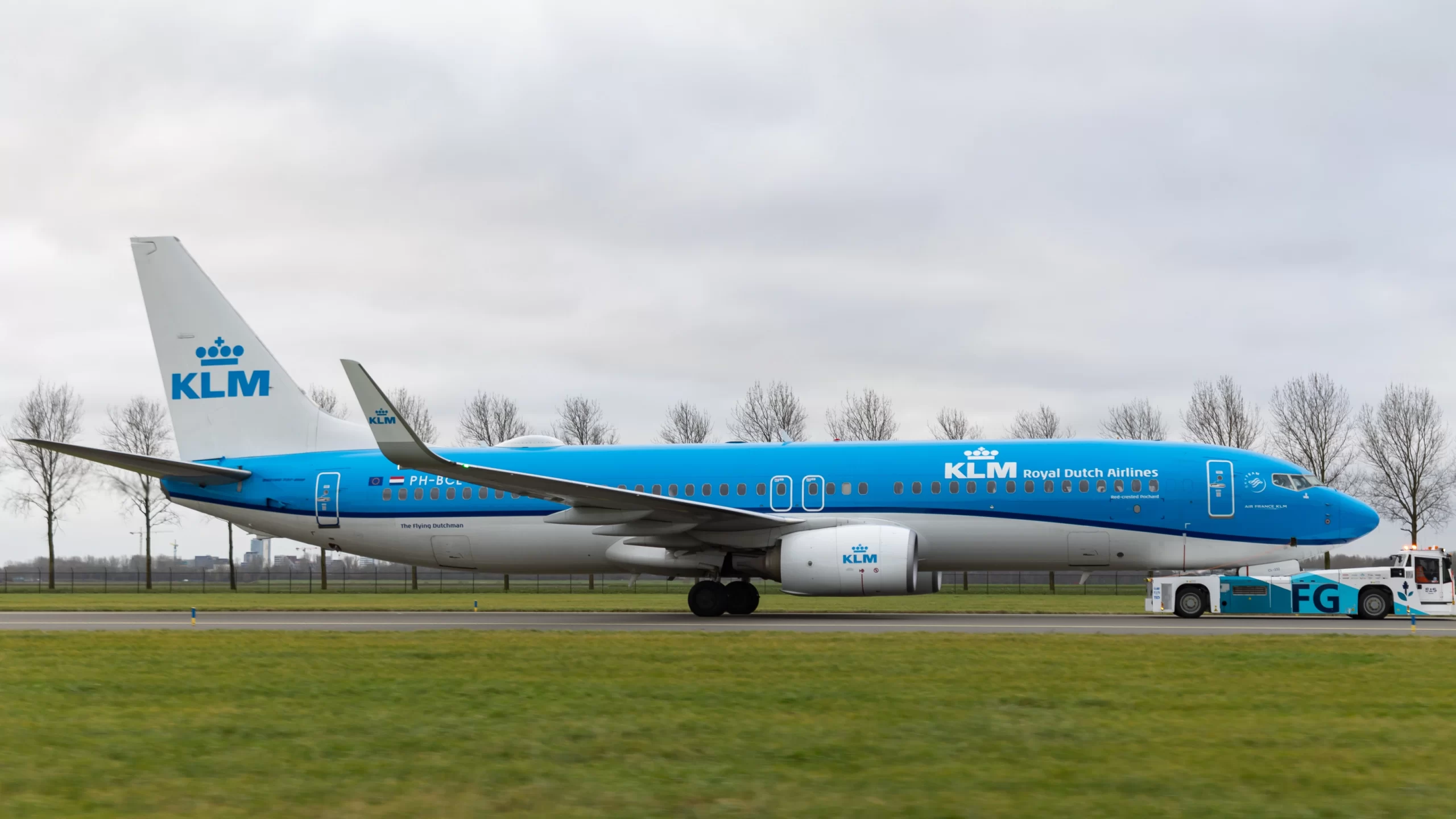
The more interesting detail isn’t that Tel Aviv is reopening — it’s how. KLM is restarting the route without restarting normal crew layovers in Israel. Flight crews will instead overnight in Larnaca, Cyprus (LCA), with the Amsterdam–Tel Aviv rotation built around a technical stop there rather than a direct turnaround.
In practice, that means:
- Aircraft fly AMS → TLV → LCA, with the crew disembarking in Cyprus rather than staying overnight in Israel.
- The return leg to Amsterdam departs from Larnaca the following day.
- KLM says the arrangement holds “until further notice” — it hasn’t given a date for when standard Tel Aviv overnights might resume.
It’s a workaround, not a full normalization. KLM gets the route back on the schedule and the revenue that comes with it, while keeping crew exposure to an active conflict zone to a minimum — flying in, turning around operationally, and getting personnel out before nightfall.

Why Tel Aviv and not Dubai or Riyadh?
KLM hasn’t explained the sequencing. Asked why Tel Aviv is coming back while Dubai, Riyadh, and Dammam remain grounded for two more months, the airline pointed only to “commercial and operational considerations” it says it reviews continuously. No further detail was given.
That vagueness fits a pattern across the industry this year. Restart decisions have generally hinged on a mix of factors that rarely get spelled out in a press release:
- Government and regulator advisories — EASA’s Conflict Zone Information Bulletins have shifted from blanket avoidance to caution-and-monitor language for parts of the region, which is part of what unlocked Lufthansa Group’s Tel Aviv return in June.
- Insurance costs and availability for operating in or near active conflict airspace.
- Airport conditions and ground infrastructure at the destination.
- Crew safety assessments, which is presumably what’s driving KLM’s Cyprus workaround specifically.

Notably, other European carriers have drawn the line in different places. British Airways cut frequencies to Tel Aviv, Dubai, Doha, and Riyadh in parallel this summer rather than fully suspending some and restoring others outright, while keeping Bahrain and Amman suspended into late October and axing its Jeddah route permanently. The lack of a common playbook across airlines suggests these are genuinely carrier-specific risk calls, not a coordinated industry signal that the region has been cleared.
All in All
KLM’s move fits a broader theme this year: airlines returning to the region unevenly, route by route, rather than flipping the whole network back on at once. Gulf carriers like Emirates and Qatar Airways rebuilt their networks aggressively months ago; European carriers — KLM, Lufthansa Group, British Airways among them — have moved far more cautiously, often keeping Saudi and Gulf routes suspended well after resuming Tel Aviv service, and vice versa, depending on the carrier.
For now, the message from KLM is narrow and deliberately unspecific: Tel Aviv is flyable again, under a modified crew procedure, while the rest of its Middle East network waits.