A former flight attendant for Alaska Airlines (AS) has sued the carrier, alleging race and sex discrimination as well as wrongful termination under Title VII of the Civil Rights Act of 1964. The lawsuit, filed in the U.S. District Court for the Northern District of California, centres on the November 2024 termination of Janelle “Nelle” Diala, who was fired after a TikTok video of her dancing in uniform went viral. Diala, who is Black and Asian American, alleges she was treated far more harshly than white and male colleagues who posted comparable content online, HR Drive reproted.
The case, formally listed as Diala v. Alaska Airlines, Inc. et al., also names the Association of Flight Attendants-CWA, AFL-CIO (AFA-CWA) — the union that represented Diala during her time at the airline. She alleges the union failed in its duty to fairly represent her after it declined to help her appeal her termination. Alaska Airlines has declined to comment directly on the lawsuit, maintaining its standard position of not discussing personnel matters publicly.
The TikTok Video That Ended Diala’s Career
On November 17, 2024, Diala posted a 15-second video on her personal TikTok account. She was at Seattle-Tacoma International Airport (SEA) at the time, waiting on a grounded aircraft for pilots to arrive for a flight to Houston. In the video, she danced — specifically, twerked — down the aisles of the empty Boeing 737.
According to court documents cited by HR Dive, Diala was twerking to music “with some explicit lyrics” while in her Alaska Airlines uniform. The video’s caption read: “Ghetto bih till i D-I-E, dont let the uniform fool you.” She did not use any hashtags to connect the video to the airline.
The video went viral almost immediately. Diala wrote on GoFundMe after her termination:
“During a layover one day, I shared a playful video on my personal social media account. It was an innocuous clip filmed at 6 am while I waited for two hours for the pilots. The video went viral almost instantly, but rather than receiving support, I faced unexpected criticism. Although I acknowledge it was a poor choice on my part, I never anticipated it would lead to the loss of my dream job.”
After the video spread, Alaska Airlines pulled Diala into a meeting with her managers to discuss it. She then waited two weeks before the airline informed her of its decision. She wrote on GoFundMe:
“I clarified that the video was not meant to harm anyone or the company, but they were unwilling to listen. Without any prior notice, they terminated my employment. There was no discussion, no opportunity for me to defend myself, and no thorough investigation.”
Race And Sex Discrimination Under Title VII
Diala filed her federal discrimination complaint in June 2026. The case was filed in the U.S. District Court for the Northern District of California and is listed as Case No. 4:2025cv08692.
The lawsuit alleges race and sex discrimination as well as wrongful termination under Title VII of the Civil Rights Act of 1964. As HR Dive reported, the lawsuit alleged that “the individuals responsible for investigating Plaintiff’s social media post and deciding whether to terminate her employment were aware of comparable social media content posted by male flight attendants but imposed substantially less severe discipline, if any, on those employees.”
As reported by Bloomberg Law, white and male colleagues posted similar videos of themselves dancing to explicit music but did not lose their jobs with no possibility of rehire.
Diala’s lawsuit stated that Alaska Airlines’ reliance upon her probationary status as justification for her termination “was not the true reason for the adverse employment action.” The lawsuit further alleged her “probationary status was a pretextual justification for a termination decision that had already been influenced by discriminatory considerations relating to [her] race and gender.”
She was fired just days before her probationary period was set to end, despite allegedly completing her training “at the top of her class,” per the lawsuit.
Was Alaska Airlines’ Policy Applied Consistently?
A central argument in Diala’s lawsuit is that Alaska Airlines’ social media policy is subjective in nature. The lawsuit alleged that the “subjective nature” of Alaska Airlines’ social media and personal conduct policies allowed the company “to apply those policies inconsistently and selectively based upon protected classes of employees such as gender and race.”
Alaska Airlines maintains a company policy stating that employees are prohibited from representing the company on their personal social media profiles. The policy also requires employees to make clear that their personal profiles are separate from their employer.
In multiple statements since the original firing in 2024, Alaska Airlines declined to explain its decision publicly. In a statement issued to The Independent, the airline said: “While we refrain from discussing personnel issues, we maintain high standards for conduct and guest service for all flight attendants.” The airline added that it holds all flight attendants to the same conduct standards.
Diala had specifically argued, prior to the lawsuit, that her video was culturally distinct from content posted by colleagues who faced no consequences. As reported by Paddle Your Own Kanoo, she wrote that Alaska Airlines discriminated against her because her video was “geared towards the urban community.” She added: “So, of course, the company would like to embrace ‘all cultures’ but leave the minority girl from the ghetto OUT.”
Diala also stated that the two other Alaska Airlines flight attendants who posted similar twerking videos in uniform were not fired — one of Eurocentric descent and one from the LGBTQ+ community.
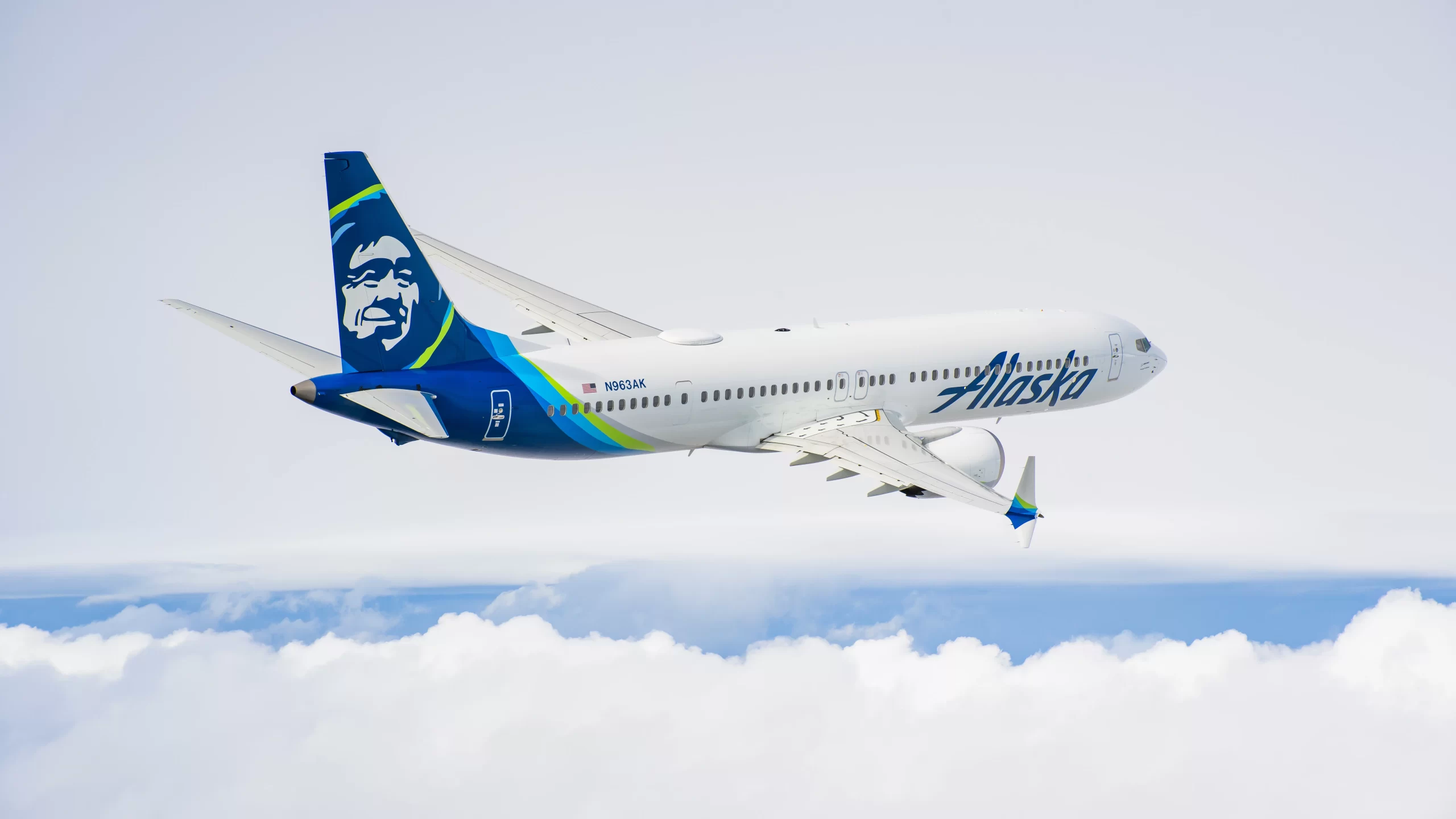
What Diala and the Public Said
Diala spoke extensively in public after her termination but before the lawsuit was filed. In a TikTok post after she was fired, she wrote:“Cant even be yourself anymore, without the world being so sensitive. Whats wrong with a little twerk before work.” She added the hashtag #discriminationisreal.
She launched a GoFundMe campaign to cover expenses while she transitioned to new employment. As of January 2025, the campaign had raised over $3,300 before closing.
Public opinion at the time was mixed. Simple Flying reported that reactions on social media were split, with some supporting Diala’s argument that the punishment did not fit the post, and others standing with the airline’s position that its conduct policy was clearly communicated and consistently enforced.
Diala also reflected on the personal cost of the episode. She wrote: “I loved my job — meeting new people, exploring the world, and fostering a safe, welcoming atmosphere for passengers. It wasn’t always easy, but I took pride in my work. I have learned from my mistakes, and they do not define me.”
Neither Alaska Airlines nor AFA-CWA issued any public statement in direct response to the June 2026 lawsuit filing at the time of publication.