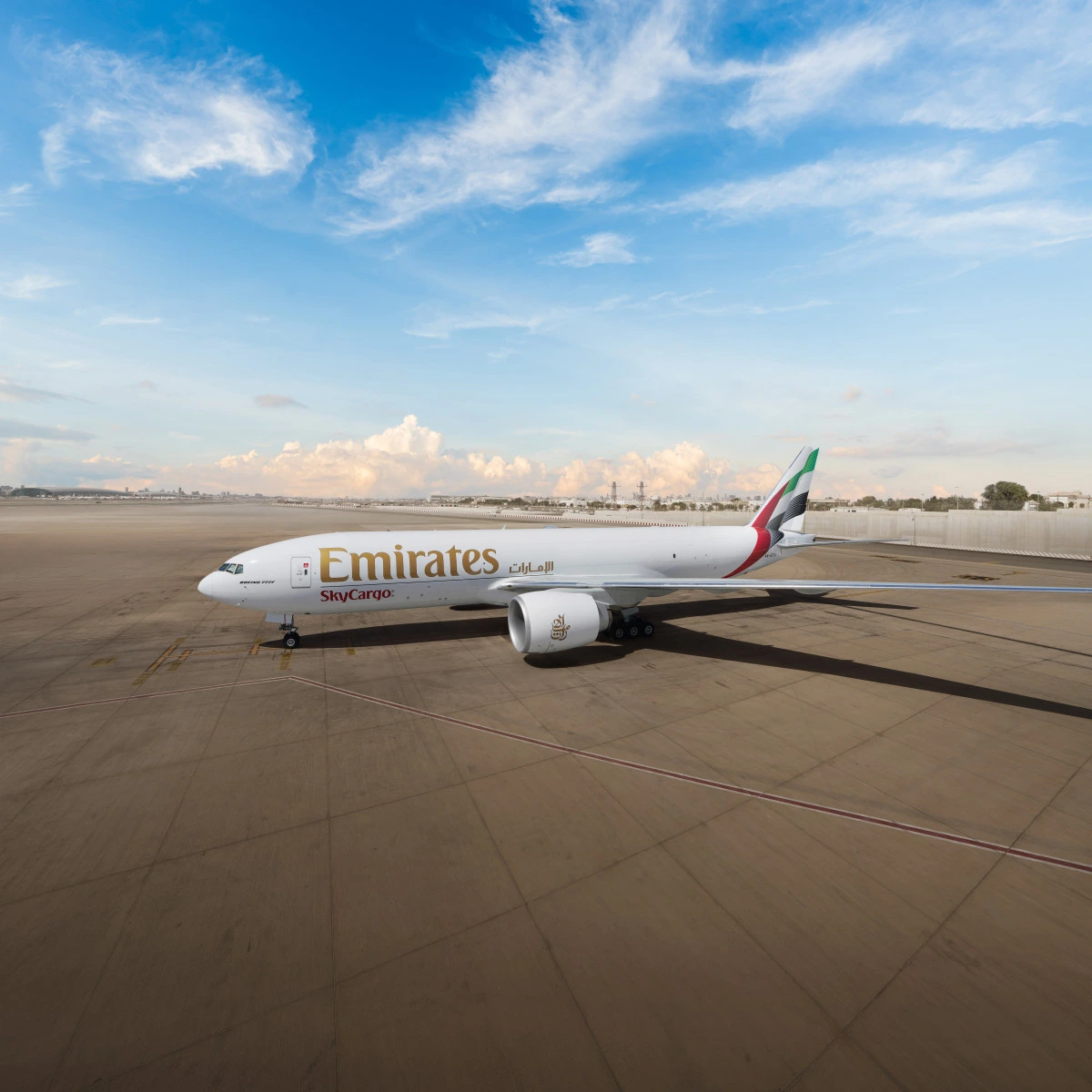
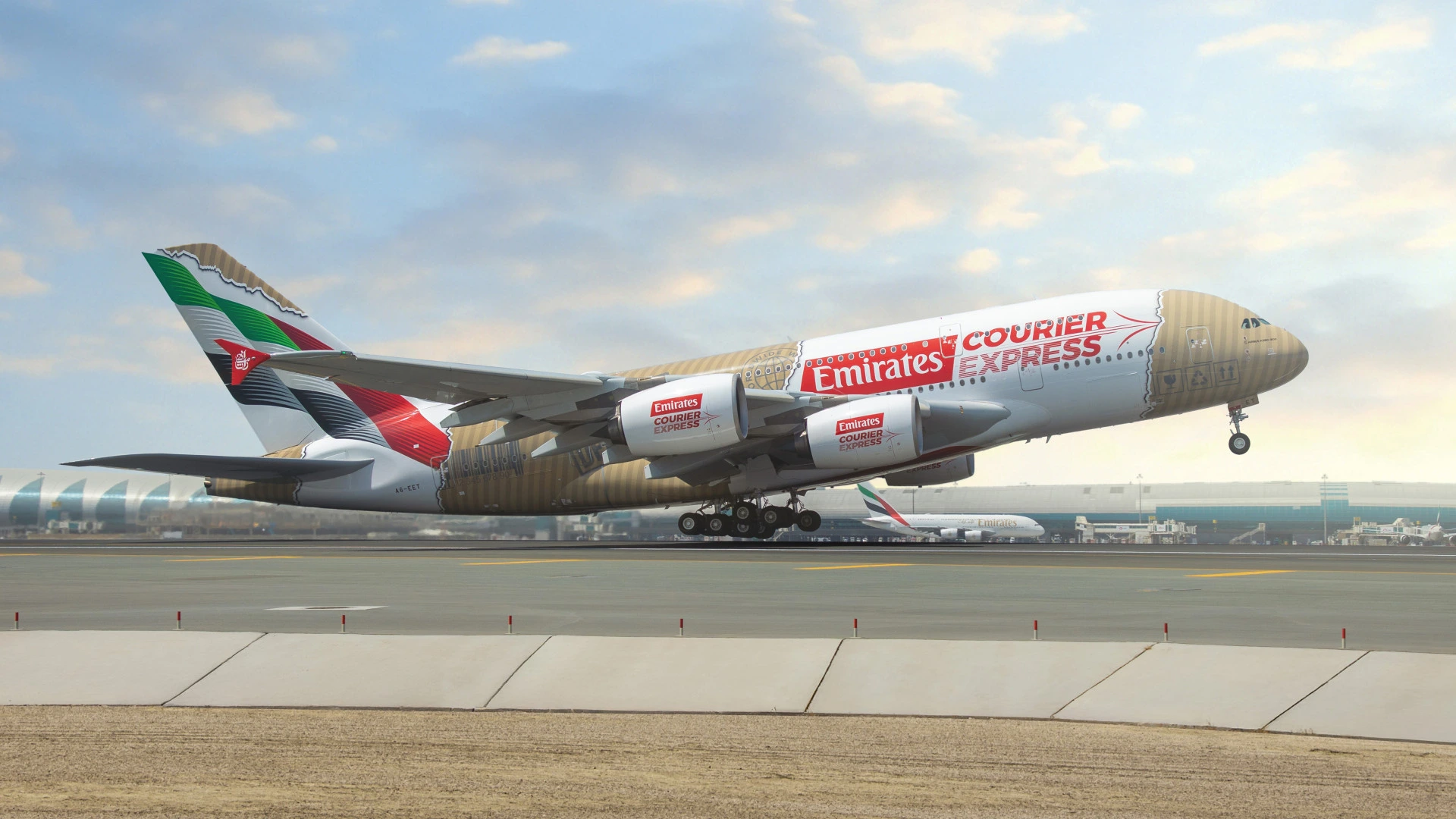
Emirates SkyCargo (EK), the cargo division of Dubai’s Emirates airline, has expanded its freighter network across East and Southeast Asia. The carrier announced the move this week, raising flight frequencies and adding routes to connect regional manufacturing hubs with markets in the Middle East, Africa, Europe, and the Americas. The expansion covers gateways such as Tokyo, Hong Kong, Taipei, Zhengzhou, and Singapore.
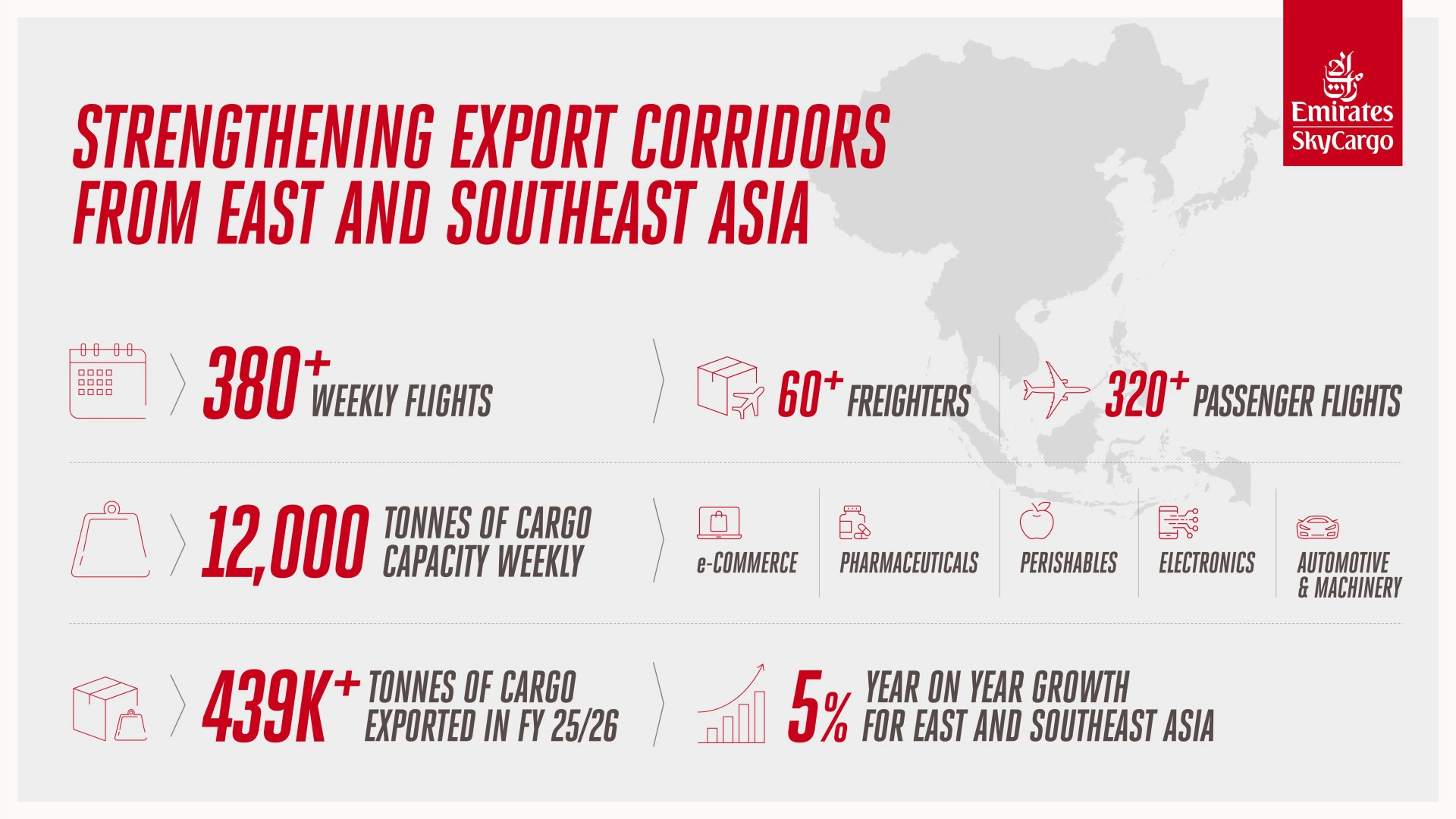
Emirates SkyCargo carried more than 439,000 tonnes of cargo on freighter and passenger flights from 12 East and Southeast Asian markets during the 2025/26 financial year. This marked a rise of around 5% compared with the previous year. The increase came alongside added capacity in Japan, Taiwan, China, and Singapore, with the carrier offering over 12,000 tonnes of weekly capacity in the region. The growth comes as exporters seek faster links to global markets, according to the carrier.
Why Emirates is Growing its Asian Freighter Footprint
Badr Abbas, Divisional Senior Vice President of Emirates SkyCargo, attributed the expansion to the growing importance of East and Southeast Asia within global trade. The region remains a major manufacturing base, particularly for high-value technology products, while also generating significant volumes of perishable goods and e-commerce shipments destined for international markets.
Emirates SkyCargo is responding to this activity by increasing its dedicated freighter operations and expanding capacity where customer demand is strongest. The additional flights are intended to give exporters faster access to international markets, allowing time-sensitive cargo to move efficiently from production centers to customers around the world.
The expansion also builds on Emirates SkyCargo’s established network across the region. The cargo division currently operates dedicated freighter services to 12 cities, while its passenger network provides additional bellyhold capacity from 25 destinations.
Combined, these operations give customers access to more than 12,000 tonnes of cargo capacity each week across East and Southeast Asia. The scale of the network allows Emirates SkyCargo to serve different types of freight, ranging from high-tech manufacturing components and consumer products to perishables and rapidly growing e-commerce shipments.
Tokyo and Taipei Freighter Frequencies Double
Emirates SkyCargo is doubling its freighter capacity at Narita Airport (NRT) in Tokyo. The route grows from one to two weekly freighter flights. The added service supports Japan’s manufacturing base, which spans automotive, electronics, and pharmaceutical production. The second weekly freighter is intended to give shippers in these sectors more reliable scheduling options.
Taiwan is receiving similar treatment. Emirates SkyCargo is doubling its freighter service to Taipei from one weekly flight to two. The change responds to demand for moving high-tech electronic cargo out of Taiwan, a major global semiconductor and electronics manufacturing base.
These frequency increases follow a pattern seen elsewhere in the network. Emirates SkyCargo had already raised frequencies to several Asian cities earlier in 2025, including added weekly services at Guangzhou and Shanghai.
Hong Kong Reaches 37 Weekly Freighter Flights
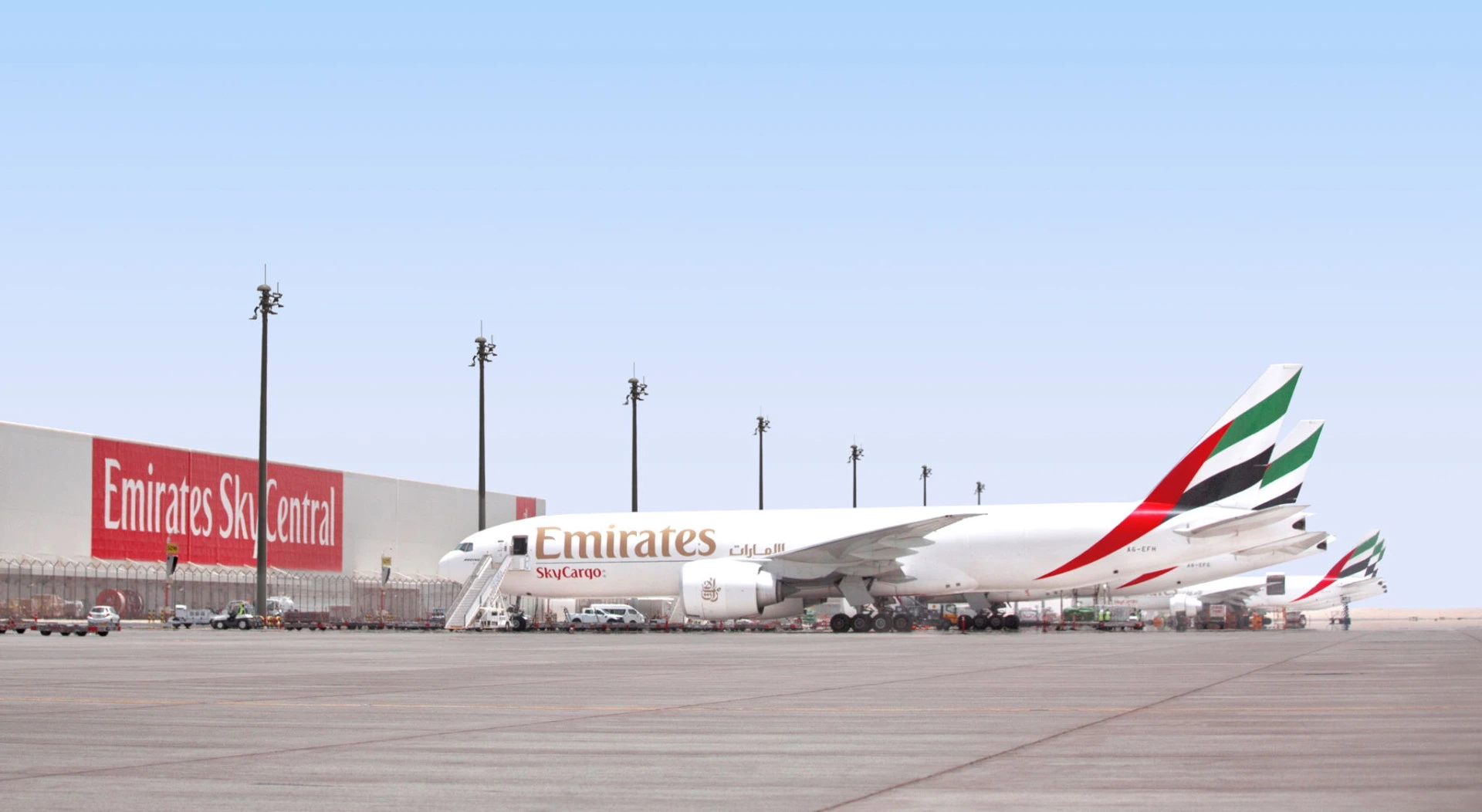
Hong Kong International Airport (HKG) remains one of the carrier’s busiest freighter destinations in the region. Emirates SkyCargo has lifted its Hong Kong operations to 37 weekly freighter flights, a step aimed at giving customers in this export-led corridor maximum flexibility and choice. This frequency gives shippers in the territory’s export-driven economy more scheduling choice.
Hong Kong has long served as a key transshipment point for goods moving between mainland China and the rest of the world. The high frequency reflects sustained demand from electronics, consumer goods, and e-commerce shippers who route cargo through the territory.
New China and Singapore routes added
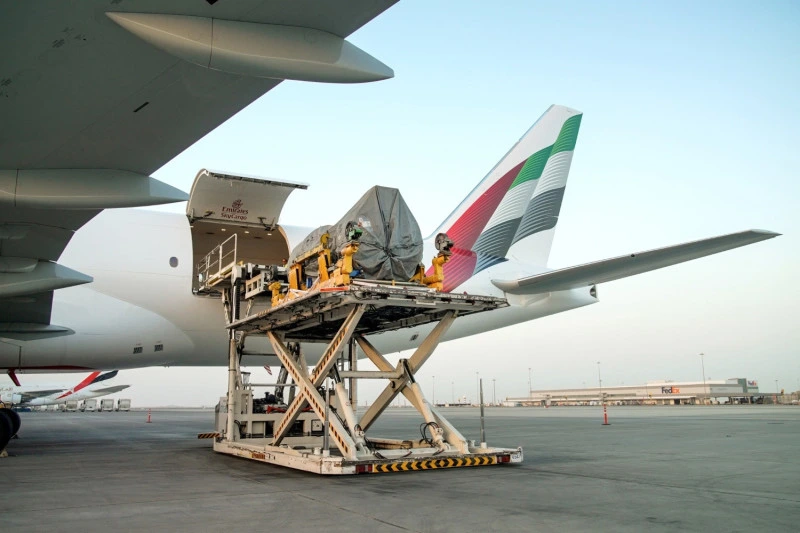
Emirates SkyCargo has also extended its freighter presence into Central China. The carrier now operates three weekly flights from Zhengzhou, connecting the industrial hub of Henan province to Dubai and onward markets. Henan province is a major production base for electronics and consumer goods, including smartphone assembly.
Singapore freighter operations have also resumed. Emirates SkyCargo restarted a once-weekly freighter route from Singapore, connecting to Dubai via Mumbai. The routing forms a trade lane linking Southeast Asia with South Asia and the Middle East. Singapore is a high-value logistics hub for electronics, pharmaceuticals, and e-commerce shipments moving across Asia.
Bangkok and Hanoi Services Continue
Beyond the new additions, Emirates SkyCargo maintains established services to other Southeast Asian markets. The carrier runs a weekly freighter to Bangkok’s Suvarnabhumi Airport (BKK), supporting exports of technology products, perishables, fashion goods, and consumer items. Thailand’s government-backed “Thailand 4.0” plan is pushing investment into advanced manufacturing sectors such as electric vehicles, smart electronics, and biotechnology, which has increased air cargo demand from the country.
Hanoi keeps its four-weekly freighter schedule, connecting Vietnam to Dubai and the Middle East. Vietnam has become a significant manufacturing and export base over the past decade, particularly in electronics, textiles, footwear, and seafood. The Middle East is also a growing market for Vietnamese perishable exports.
Passenger Bellyhold Capacity Supports the Network
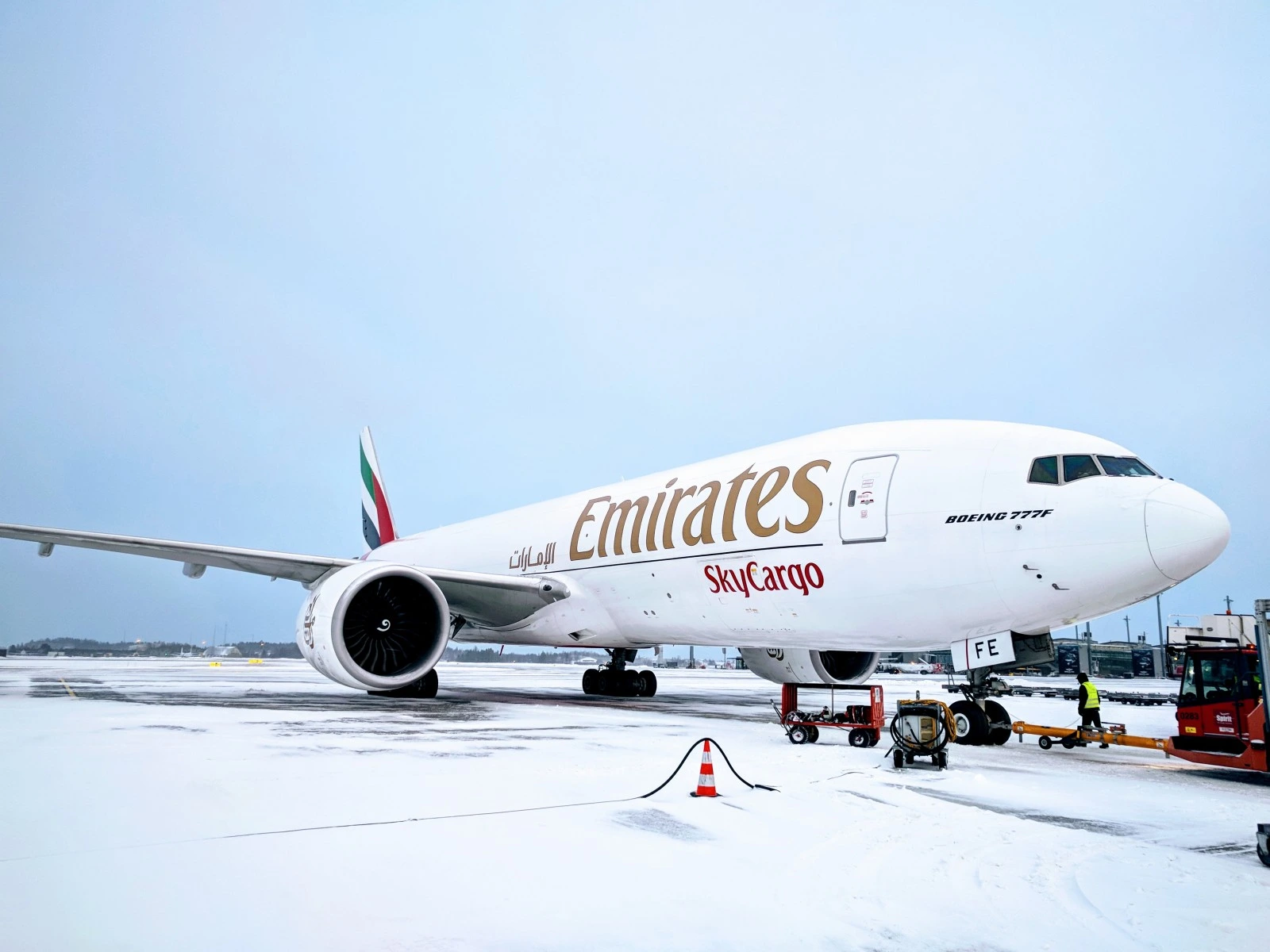
Freighters are not the only source of capacity in the region. Emirates SkyCargo also uses bellyhold space on Emirates’ widebody passenger aircraft to move cargo. The carrier offers capacity on more than 320 passenger flights each week across East and Southeast Asia.
This combination of dedicated freighters and passenger bellyhold capacity lets Emirates SkyCargo offer flexible solutions to shippers. The specialist product portfolio includes:
- Emirates Vulnerable – secure, monitored transport lanes for high-value electronics, including new product launches
- Emirates Fresh – handling for perishables and fresh produce
- Emirates Pharma – temperature-controlled transport for life-saving medicines
- Emirates Vital – transport for clinical trial materials and bio-innovation shipments
Outlook for Emirates Skycargo’s Regional Network
The frequency increases announced this week add to a freighter network that already reached 45 scheduled weekly services, 13 charters, and 315 passenger flights across 25 regional gateways as of late 2025. With Boeing 777F deliveries expected through the rest of 2026, Emirates SkyCargo has signaled that further frequency and route additions in East and Southeast Asia remain likely. The carrier has not announced a specific timeline for additional destinations beyond the routes confirmed in this expansion.