Delta Air Lines (DL) will resume nonstop flights between Seattle-Tacoma International Airport (SEA) and Narita International Airport (NRT), Tokyo, starting March 27, 2027. The daily service ends a seven-year absence from an airport that once anchored Delta’s entire Pacific network. Delta announced the route on Thursday, August 6, 2026, framing it as a way to give travelers more choice on one of its most important international markets.
The new flight will run alongside Delta’s existing SEA-Haneda Airport (HND) service, giving the carrier two daily nonstop options into Tokyo from its Seattle hub. It also puts Delta in direct competition with Alaska Airlines (AS), which already flies Seattle to Narita and has spent the past year building out its own long-haul network from the same airport.
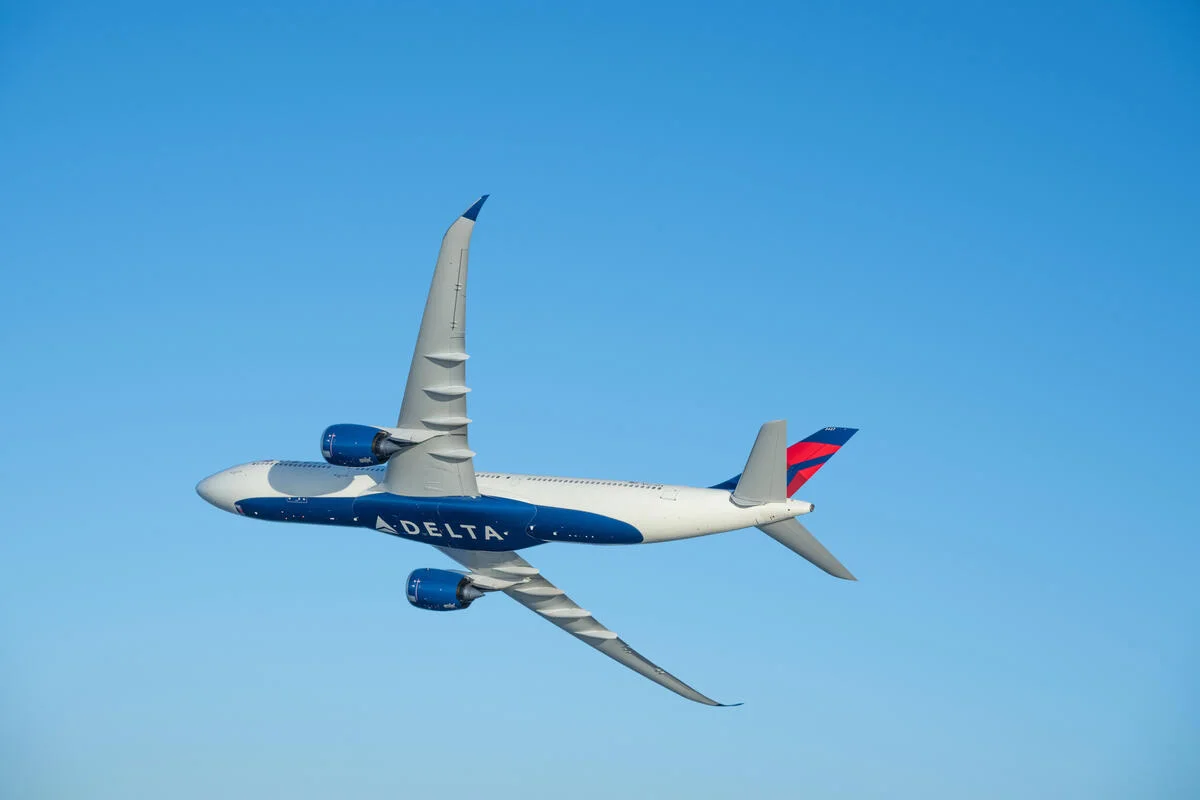
Delta Will Fly to Narita on the A330ne0
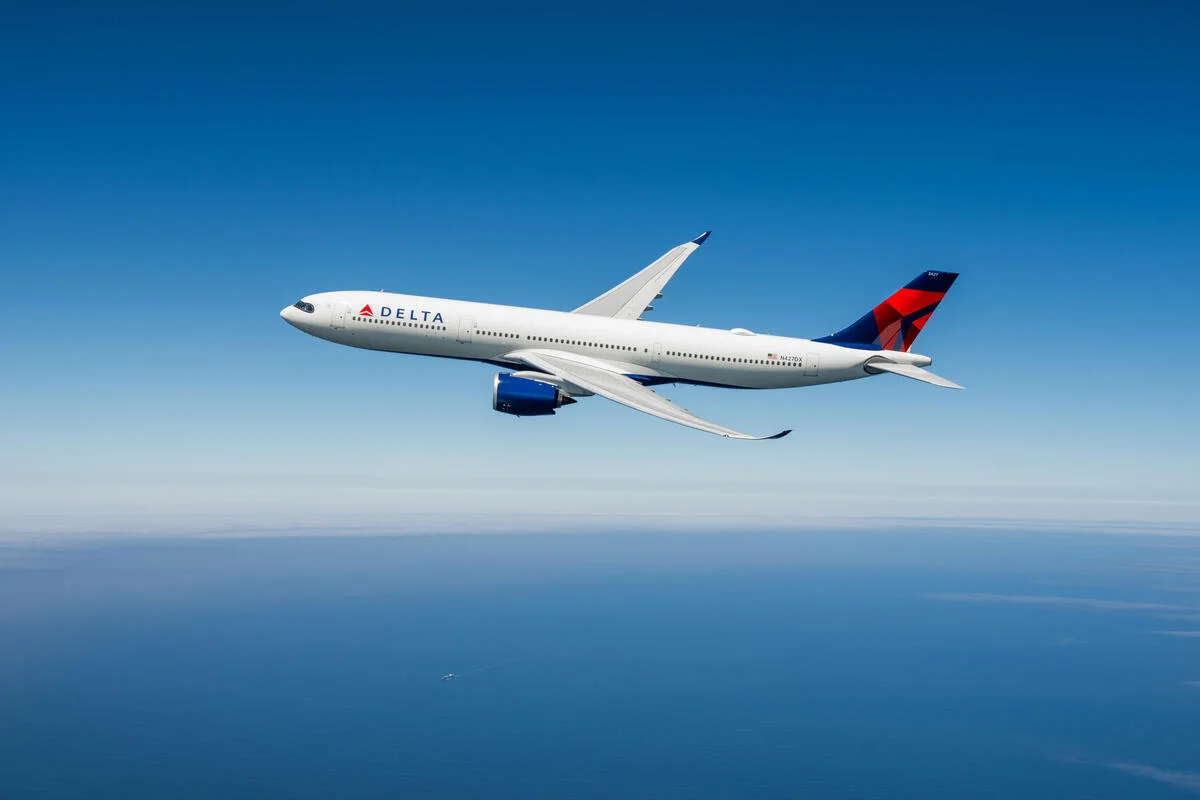
Delta will fly the SEA-NRT route daily using an Airbus A330-900neo, according to the carrier’s announcement and reporting from The Points Guy. Outbound flight DL115 is scheduled to leave Seattle in the early afternoon and land at Narita the following afternoon, while the return flight, DL114, departs Narita in the evening and arrives back in Seattle around midday, according to schedule details reported by TRAICY Global. Flight time runs roughly nine and a half hours from Narita and just under eleven hours from Seattle.
“Japan continues to be one of the most important and beloved destinations in Delta’s global network, and adding Seattle–Narita service gives our customers even more choice when planning their travel,” said Jeff Arinder, Delta’s vice president of international network planning, in the statement announcing the route.
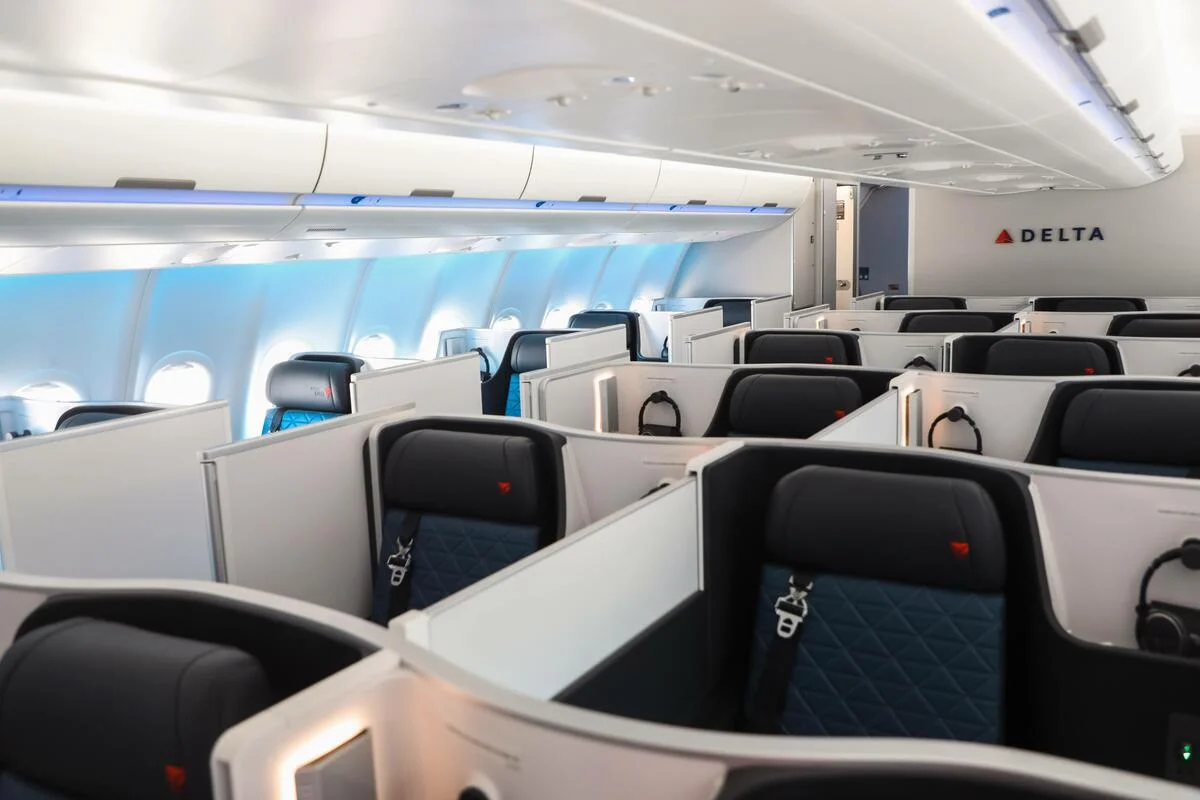
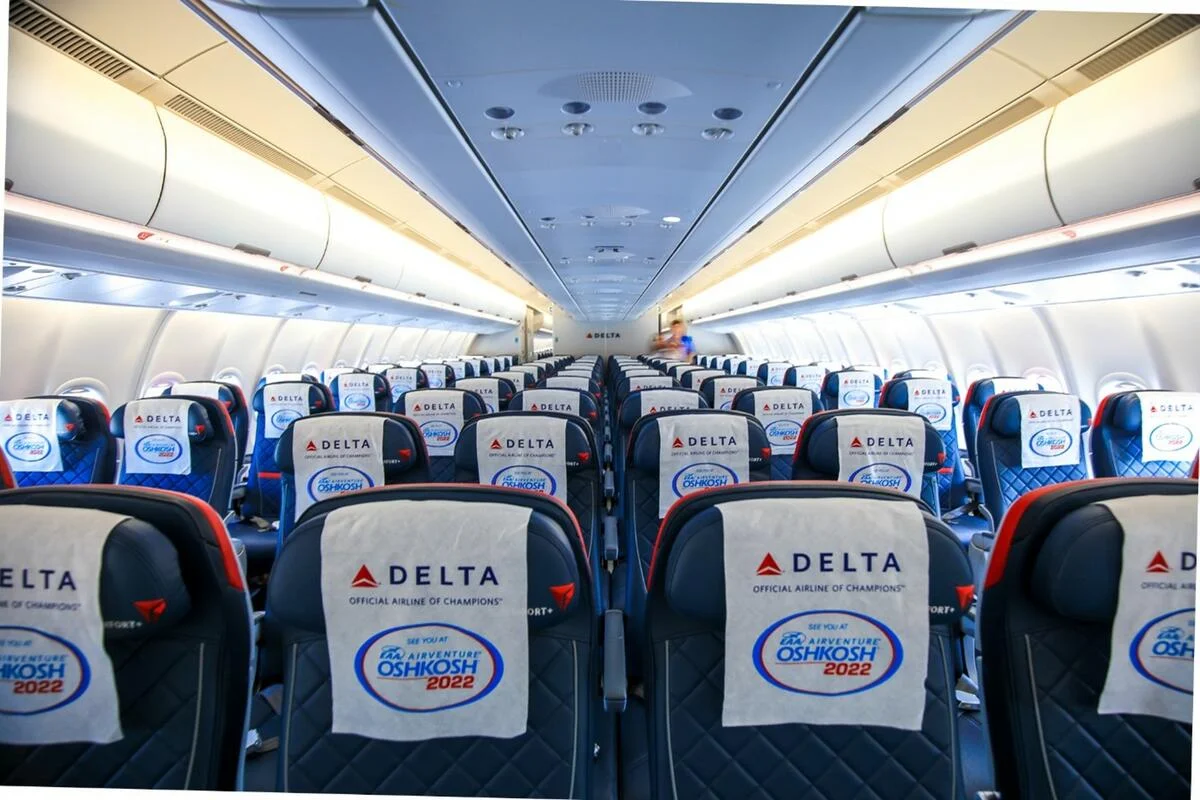
The A330-900neo Delta plans to fly on the route carries four cabin products. Reported configurations vary slightly by outlet, but most agree on the premium cabin counts:
- 29 Delta One suites (lie-flat, 1-2-1 layout)
- 28 Delta Premium Select seats
- 56 Delta Comfort+ seats
- Around 168 to 224 Delta Main Cabin seats, depending on the specific aircraft variant assigned
Delta Once Built its Pacific Network Around Narita
Narita was not always a secondary stop for Delta. In the early 2010s, the airport was a linchpin of the carrier’s Asia-Pacific operation, hosting nonstop flights from several U.S. cities plus a web of so-called fifth-freedom routes onward to destinations such as Manila, Guam, Shanghai, and Taipei. Much of that network came from Northwest Airlines, which Delta acquired in 2008 and which had built a substantial Narita presence of its own.
Over the following decade, Delta steadily shifted its Tokyo strategy toward Haneda, the airport closer to the city center, while deepening its partnership with Korean Air (KE) at Seoul’s Incheon International Airport (ICN). By March 2020, as the pandemic collapsed international travel demand, Delta transferred its remaining Narita flying, including the Seattle route, entirely to Haneda and has not returned since, according to Aviation Week.
The 2027 relaunch does not undo that shift. Delta will keep its Haneda service running alongside the new Narita flight, effectively giving Seattle passengers a choice between Tokyo’s two international gateways rather than replacing one with the other.
Delta’s Seattle Rivalry with Alaska
Delta’s return to Narita lands squarely in the middle of an intensifying fight for Seattle’s transpacific market. Alaska Airlines, SeaTac’s largest carrier, has spent the past two years converting the hub into what it calls the West Coast’s premier global gateway following its 2024 acquisition of Hawaiian Airlines.
Alaska opened nonstop Seattle-Narita service on May 12, 2025, initially flying the route with a Hawaiian-branded Airbus A330-200 before shifting it to a Boeing 787-9 Dreamliner earlier this year, according to Simple Flying. At launch, Alaska said it was targeting at least 12 international long-haul destinations from Seattle by 2030, with Narita and Seoul Incheon as its first two routes, followed by London Heathrow, Reykjavik, and Rome.
That buildout has made Seattle-Tokyo one of the busier contested markets on the West Coast. Sabre Market Intelligence data cited by Aviation Week shows the broader Seattle-Japan market carried roughly 341,300 two-way passengers in 2025, up 23.1% from about 277,200 the year before. Once Delta’s new flight starts, the Seattle-Tokyo market will support five total daily nonstop departures across both airports and both carriers, assuming existing schedules hold.
Implications for Passengers
Narita follows a string of Delta announcements expanding its Asia-Pacific footprint from the West Coast over the past several months. Earlier in the summer, the airline confirmed new nonstop service from Los Angeles International Airport (LAX) to Manila, set to launch in 2027, and in June it began flying nonstop between LAX and Hong Kong.
Travelers flying Delta’s new Narita route will not have access to a Delta Sky Club, since Haneda remains the carrier’s only international lounge location outside the United States. Delta passengers connecting through Narita can instead use the Korean Air lounge there through the SkyTeam alliance, a workaround Delta has relied on at other Asian airports without its own lounge presence.