American Airlines (AA) CEO Robert Isom laid out his strategy for closing a multibillion-dollar profit gap with rival carriers in an exclusive interview with CNBC, published July 19, 2026. Isom said the Fort Worth, Texas-based airline is investing in premium cabins, larger airport lounges, better on-time reliability, and a new widebody aircraft order to attract higher-spending travelers. The interview took place at American’s headquarters ahead of its second-quarter earnings report.
The strategy responds to a persistent financial problem. American operates roughly 6,500 flights a day and the largest network in North America, yet it still trails United Airlines (UA) and Delta Air Lines (DL) on profit. United brought in about $3 billion more than American last year, and Delta earned nearly $5 billion more. Isom told CNBC he wants American and its roughly 139,000 employees to become “best at everything that we do,” and that closing the gap depends on earning more revenue from each passenger rather than growing the airline’s size.
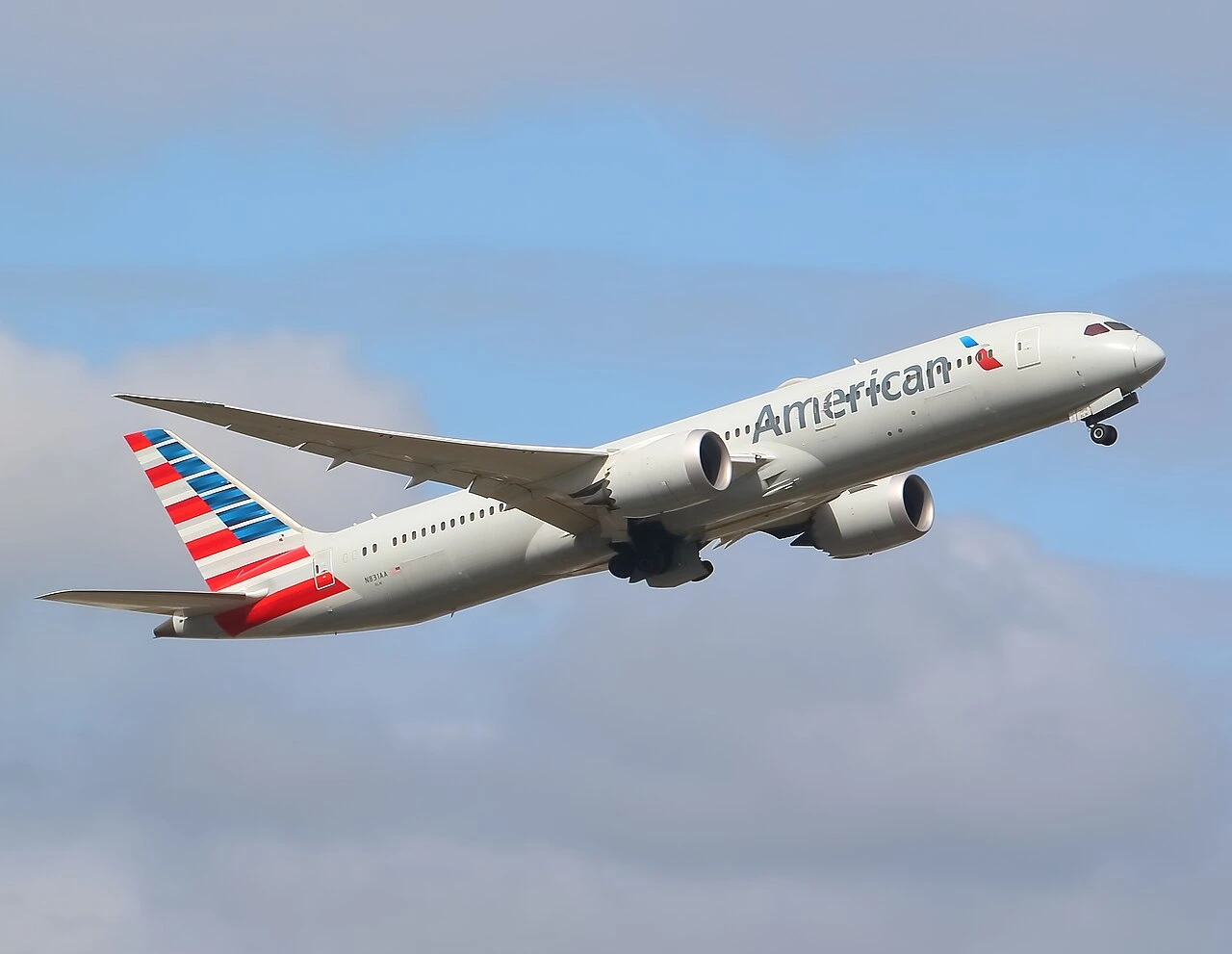
American’s Premium Push Targets the $3 Billion Gap
American’s turnaround plan centers on margin, not passenger count. Isom said the airline is prioritizing reliability, premium products, loyalty growth, and network quality over adding more seats at discount fares. The goal is to convince more travelers to pay for upgraded cabins and extra services instead of booking the cheapest fare available.
The plan includes several concrete initiatives:
- Redesigned long-haul cabins across more of the widebody fleet
- Expanded airport lounges at major hubs
- A new widebody aircraft order from Boeing or Airbus, expected as early as this year
- Upgraded premium suites on more Boeing 777 and Boeing 787 aircraft
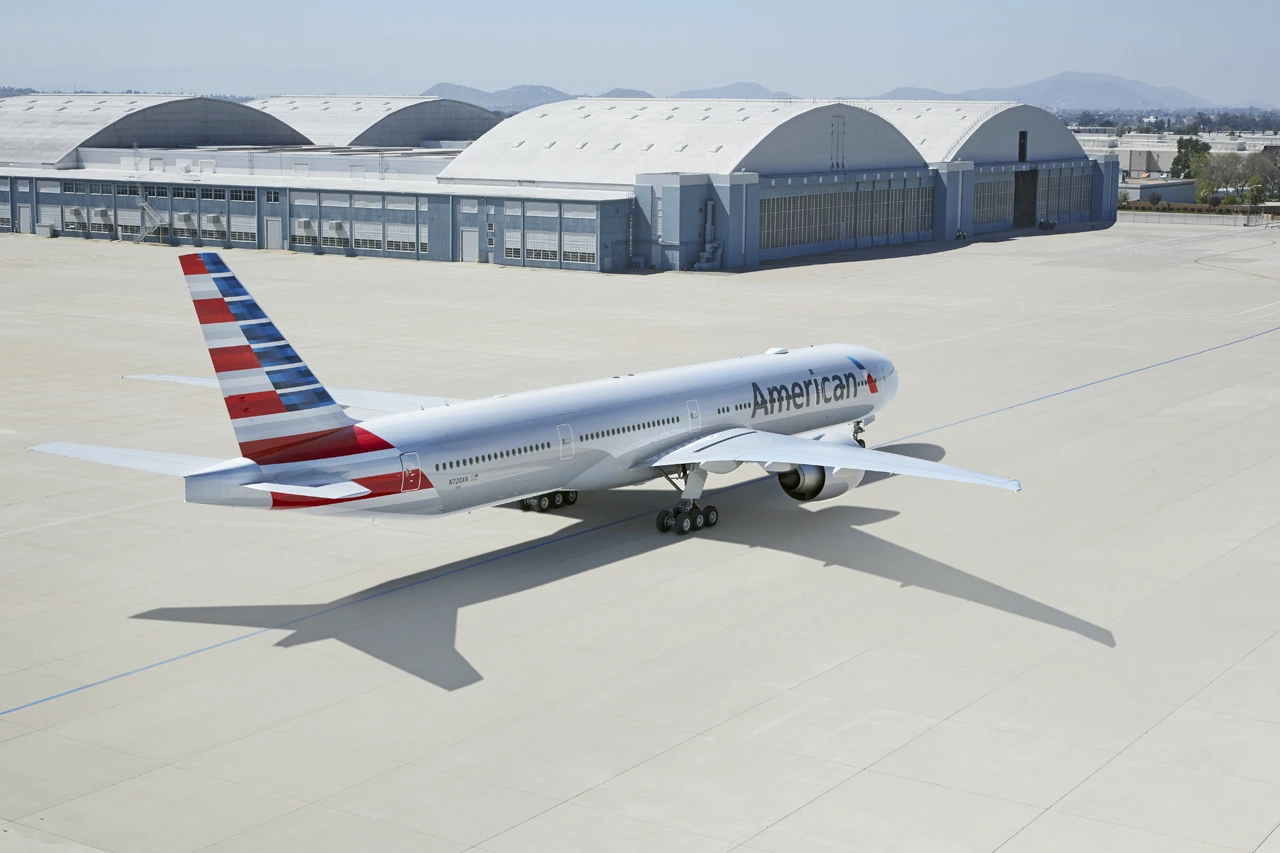
- A refreshed cabin on the Boeing 777-300ER fleet, which could debut within weeks
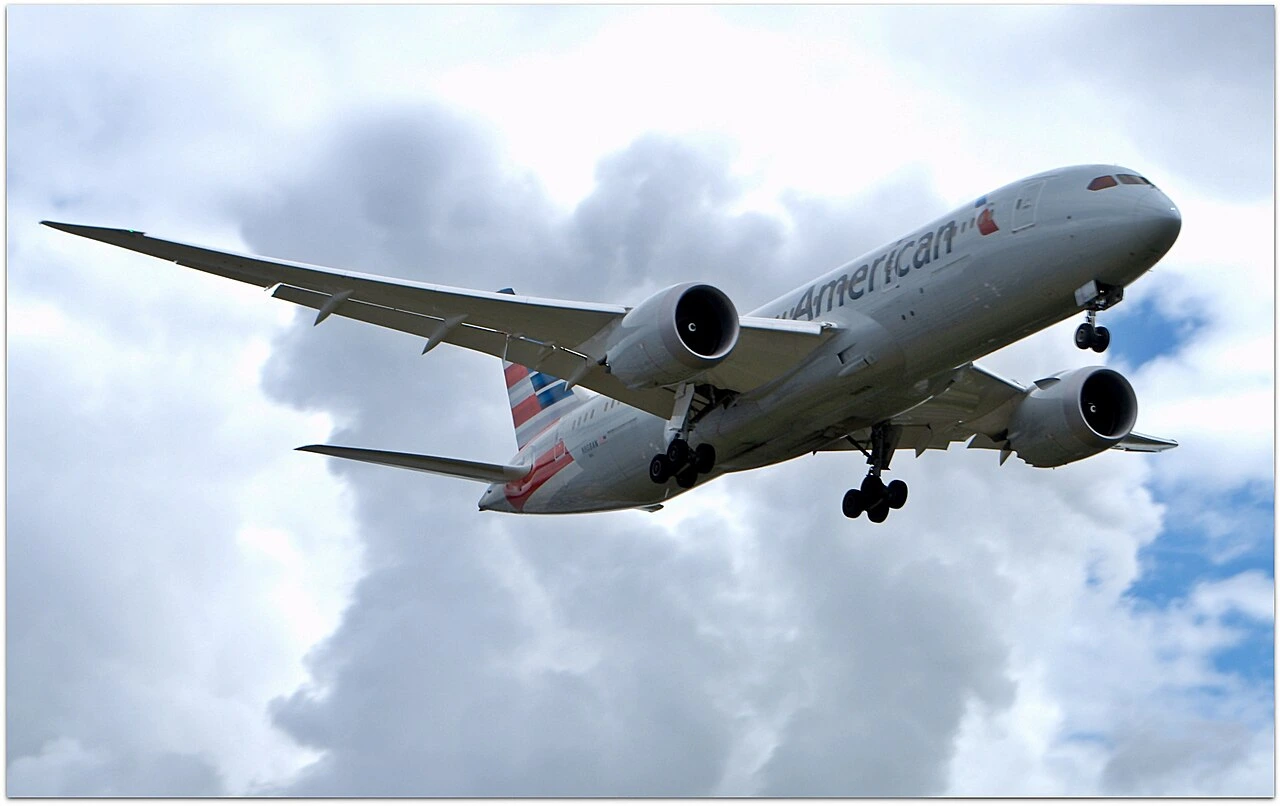
Isom told CNBC that cabin refresh work will soon extend to American’s Boeing 787-8 Dreamliners, on top of the 777-300ER updates already underway. The economics behind the push are stark: a lie-flat business-class seat can bring in close to $10,000 on some long-haul international routes, compared with roughly $2,000 or less for an economy seat on the same flight.
Isom put the strategy simply: “Our long-range plan is certainly making up the margin gap.” He did not give investors a timeline for when American might close it.
Reliability and Lounge Expansion Anchor the Operational Push
Premium seats generate outsized revenue, but American acknowledges that wealthier travelers also expect consistent reliability. The airline has been spreading out flight schedules at its busiest hubs and using artificial intelligence to flag maintenance issues before they cause delays. Both Delta and United continue to outperform American on punctuality, and closing that operational gap is part of the same push to win over premium travelers.
Airport infrastructure is another pillar. According to reporting from View from the Wing, American plans to open a 37,000-square-foot Admirals Club, the largest lounge in its network, at Dallas/Fort Worth International Airport (DFW), its primary hub. The airline is also adding grab-and-go lounges and upgrading Flagship check-in areas as part of a wider expansion at DFW. Executives say these investments work alongside changes to the AAdvantage loyalty program and simpler tools for customers to buy premium upgrades directly.
How this compares to American’s rockier headlines this year
Isom’s optimistic framing follows a difficult stretch of coverage for American’s leadership. In February 2026, the Association of Professional Flight Attendants’ board issued a unanimous vote of no confidence in Isom, writing that the airline was “falling dangerously behind its competitors” under his leadership, according to Fortune. The Allied Pilots Association raised similar concerns, pointing to American’s $111 million profit on $54.6 billion in revenue for 2025, a fraction of what United and Delta earned.
That criticism prompted a Yale School of Management op-ed defending Isom, published in Fortune and co-authored by professor Jeffrey Sonnenfeld, which argued that comparisons to United and Delta overlook American’s cost structure and network strength. The op-ed drew sharp pushback from aviation commentators, who argued it minimized the scale of American’s shortfall against its two closest rivals. Isom’s latest CNBC interview reads as a direct answer to that debate: rather than arguing the comparison is unfair, he is now presenting a specific plan to shrink the gap itself.
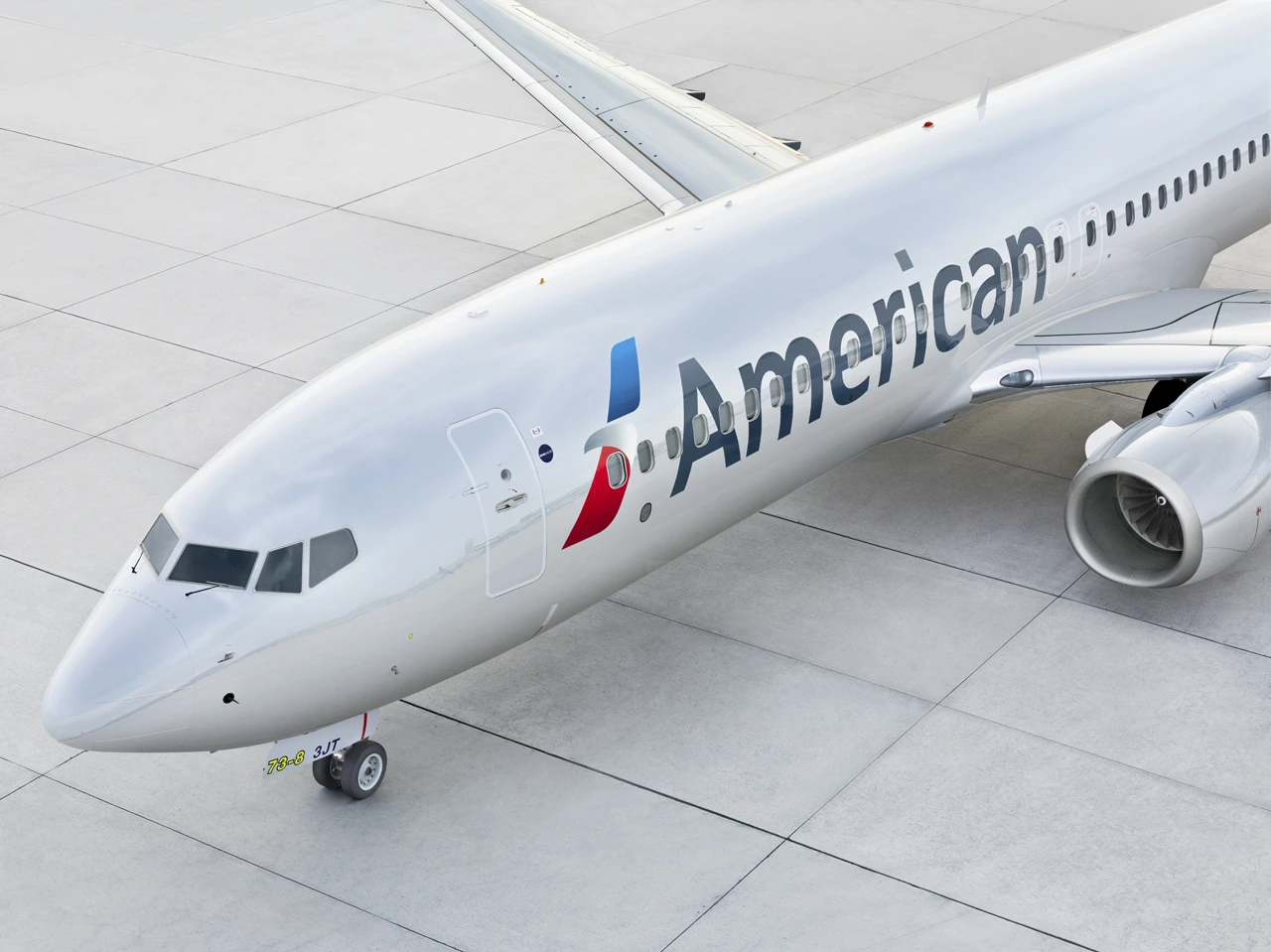
What Wall Street Expects Next
Analysts expect American’s strategy to start showing up in the numbers. Estimates point to adjusted earnings of about $0.64 per share in 2026, an increase of nearly 80% from 2025, with further growth expected in 2027 as the premium investments mature and the airline continues paying down pandemic-era debt.
Even so, American faces real obstacles. Delta and United spent years building out their premium businesses, and American now has to convince flyers that its product and service have genuinely improved rather than simply announcing new plans. Industry watchers note that shifting public perception takes visible, repeated proof, not press releases.
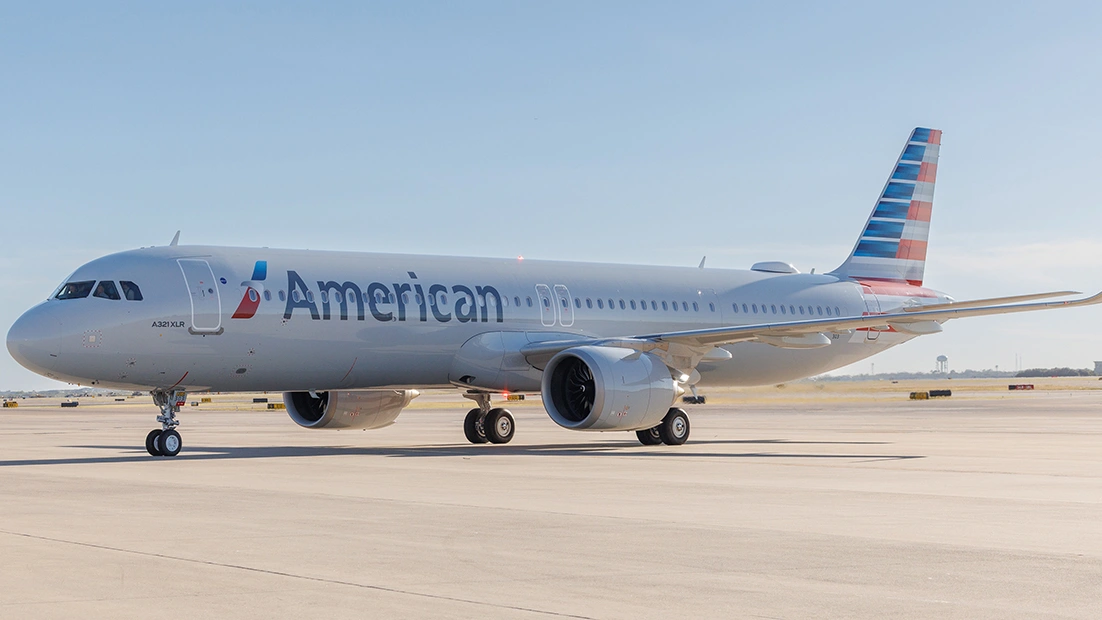
For Isom, success means more than launching new lounges and cabins. It means American’s employees and customers actually notice the changes, choose American over United and Delta, and are willing to pay more when they book. If that happens, American could begin closing the profitability gap that has defined its position among the U.S. “Big Three” airlines for years.
.jpg)
_@_MAN,_July_2016.jpg)