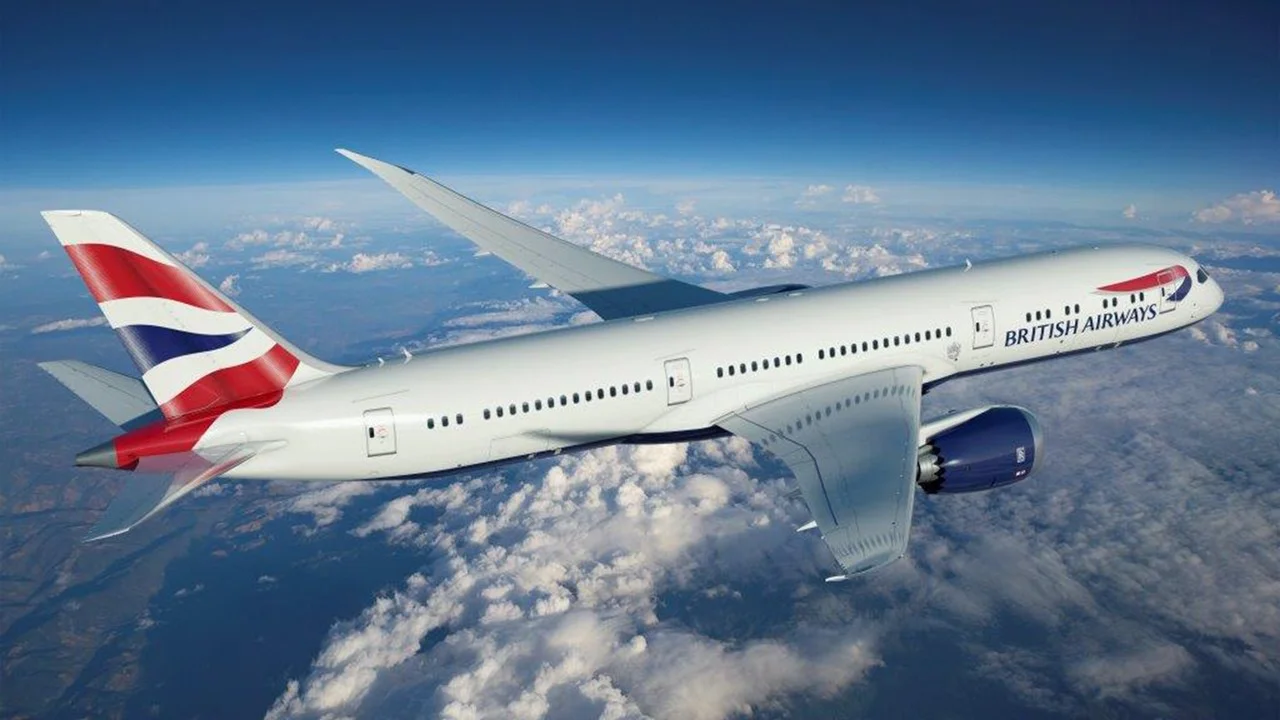
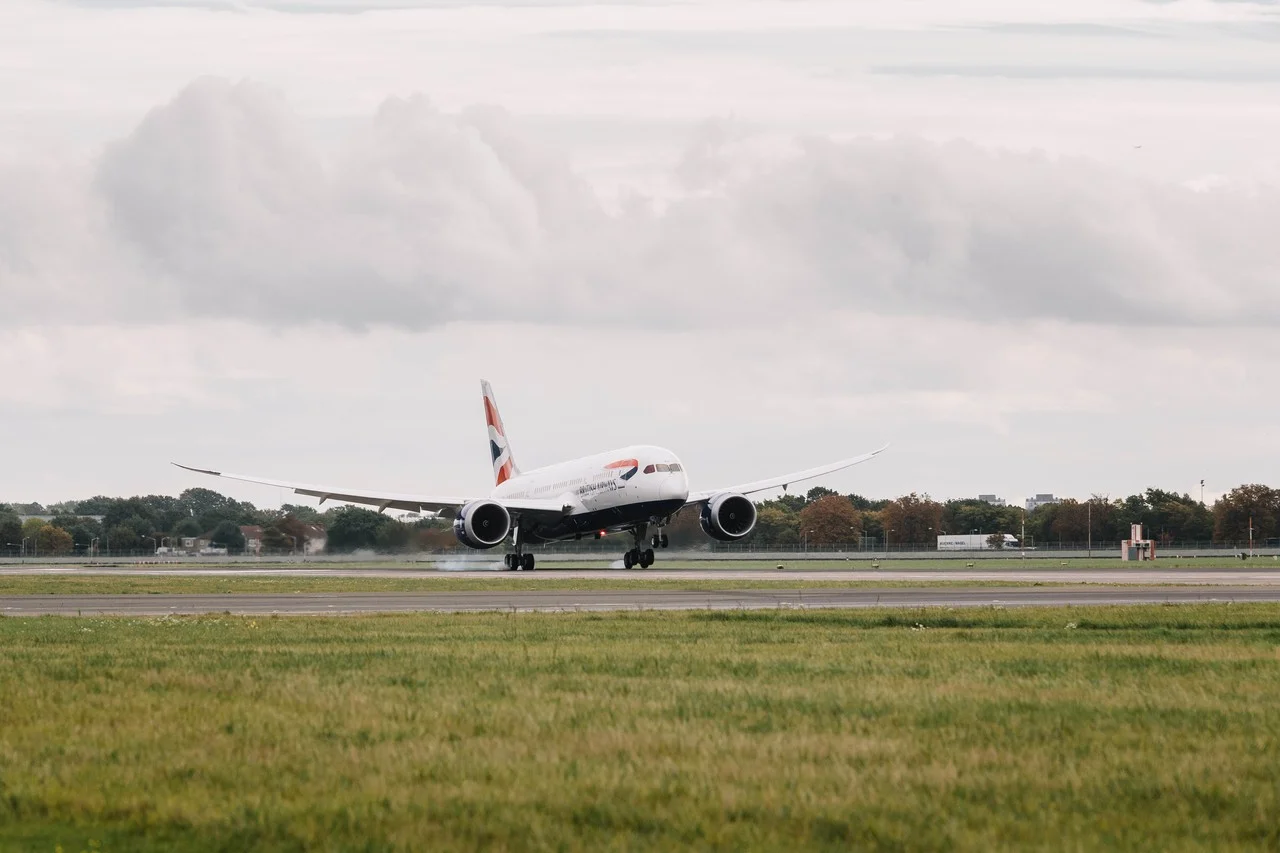
A British Airways (BA) Boeing 787-10 operating from London Heathrow Airport (LHR) to Seattle-Tacoma International Airport (SEA) made an emergency diversion to Iqaluit Airport (YFB) in Nunavut, Canada, on Thursday, July 23, 2026, after the flight crew reported a technical issue while crossing the Arctic.
The aircraft landed safely at 11:07 a.m. local time. British Airways said the diversion was carried out as a precaution, and more than 270 passengers disembarked without incident.
British Airways Flight Diverts Over Arctic
British Airways Flight BA53 had departed Heathrow on its scheduled daily service to Seattle when the crew detected a technical fault during the polar crossing.
Flight tracking data from Flightradar24 shows the Boeing 787-10, registered G-ZBLF, departed Terminal 5 at 09:52 BST and climbed to 38,000 feet before altering course. The issue occurred while the aircraft was flying between Greenland and northeastern Canada along a high-latitude route.
Instead of continuing toward Seattle, the pilots diverted to Iqaluit, the capital of Nunavut. The Dreamliner touched down safely about six hours after leaving London.
A British Airways spokesperson said the flight diverted as a precaution because of a technical issue but did not disclose the nature of the problem.
Carly Polay, the airline’s international communications executive for the Americas, told Nunatsiaq News that the airline’s teams were working to get passengers to their final destination as quickly as possible.
Details of the Aircraft Involved
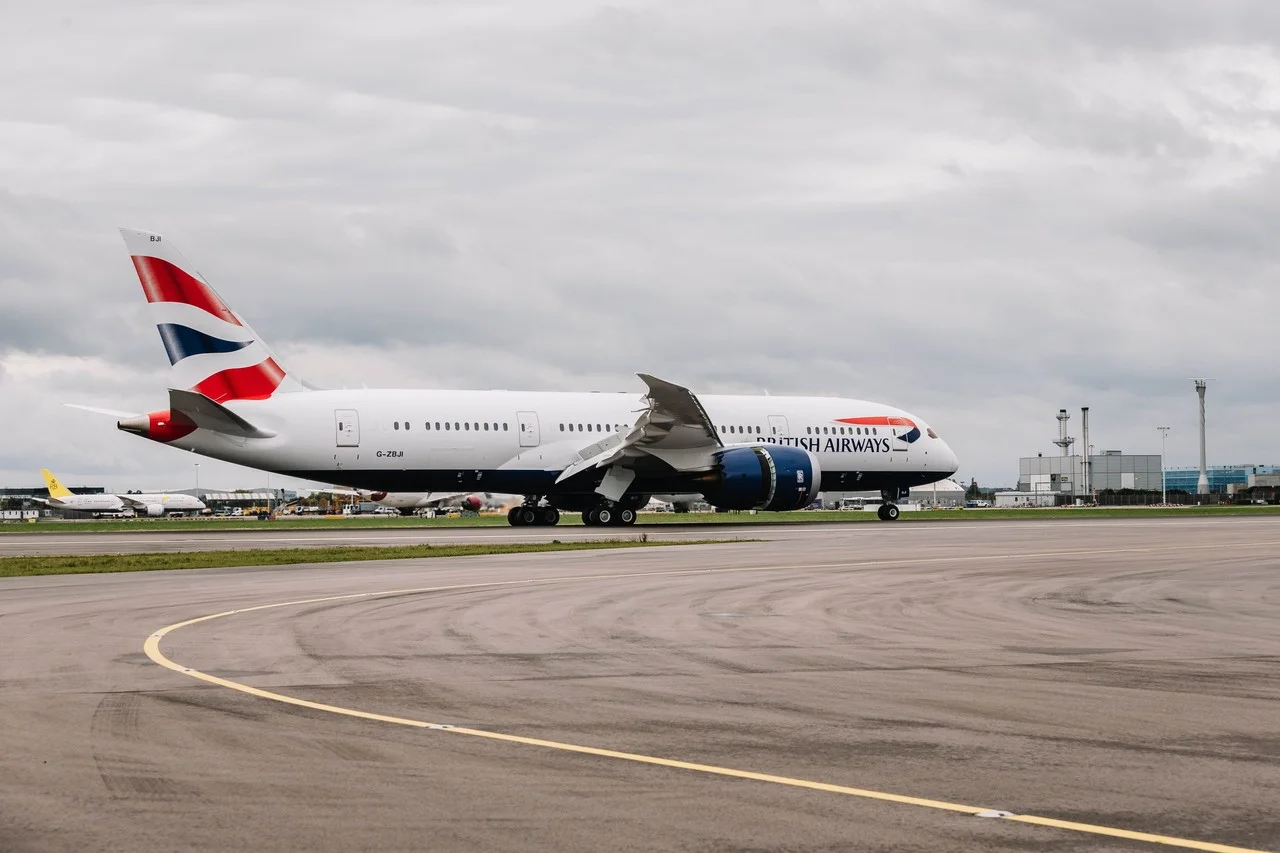
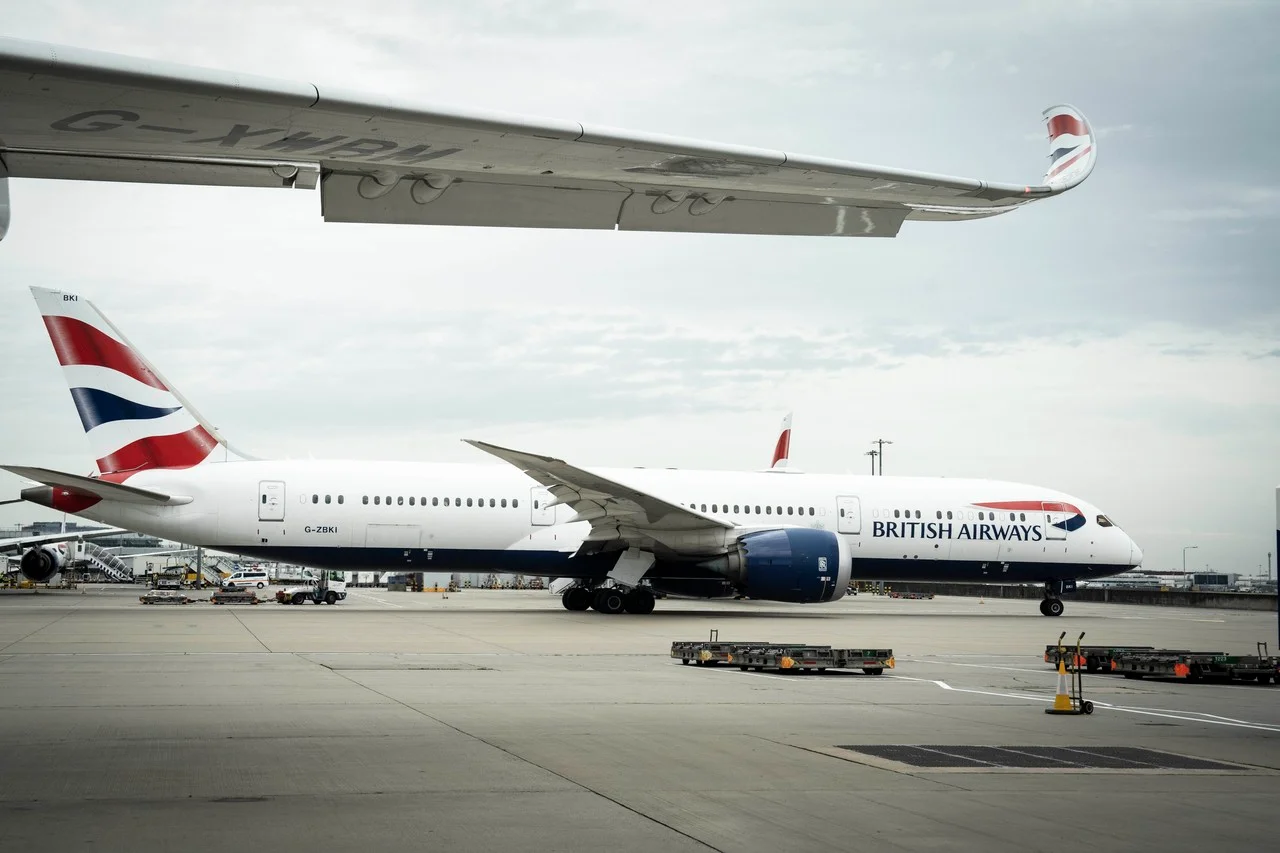
The aircraft involved was a 5.2-year-old Boeing 787-10 Dreamliner, bearing manufacturer serial number (MSN) 60642 and line number 1098. Built at Boeing’s Charleston (CHS), South Carolina, production facility, the aircraft was delivered to British Airways (BA) in September 2022.
Registered as G-ZBLF, it is configured to accommodate 256 passengers across four cabins, with eight First Class, 48 Club Suite (Business), 35 World Traveller Plus (Premium Economy), and 165 World Traveller (Economy) seats. Powered by two Rolls-Royce engines, the aircraft was ferried from Charleston to London Heathrow (LHR) on September 16-17, 2022. According to planespotters.net, It remained out of service at Cardiff Airport (CWL) between May 19, 2025, and May 30, 2026, before returning to operations on May 30, 2026.
Travelers Report Odor Before Landing
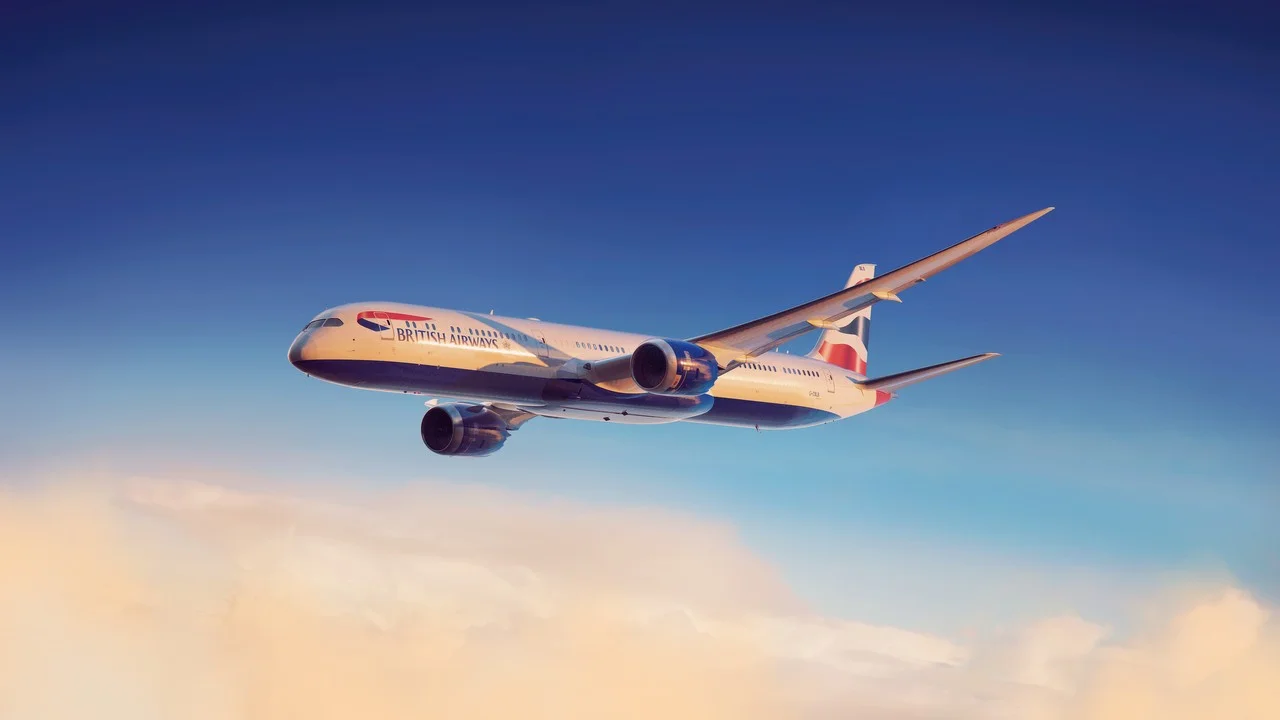
Several passengers shared posts on X claiming they noticed a burning smell near the front of the cabin before the diversion.
One traveler said the crew informed passengers of the situation roughly an hour before the aircraft landed in Iqaluit.
Neither British Airways nor Canadian authorities have confirmed those reports, and the airline has not released any details regarding the technical issue. The aircraft is expected to undergo engineering inspections before returning to service.
More Than 270 Passengers Disembark
Ground handling at Iqaluit was coordinated by Frobisher Bay Touchdown Services, which specializes in assisting aircraft making unscheduled landings at the airport.
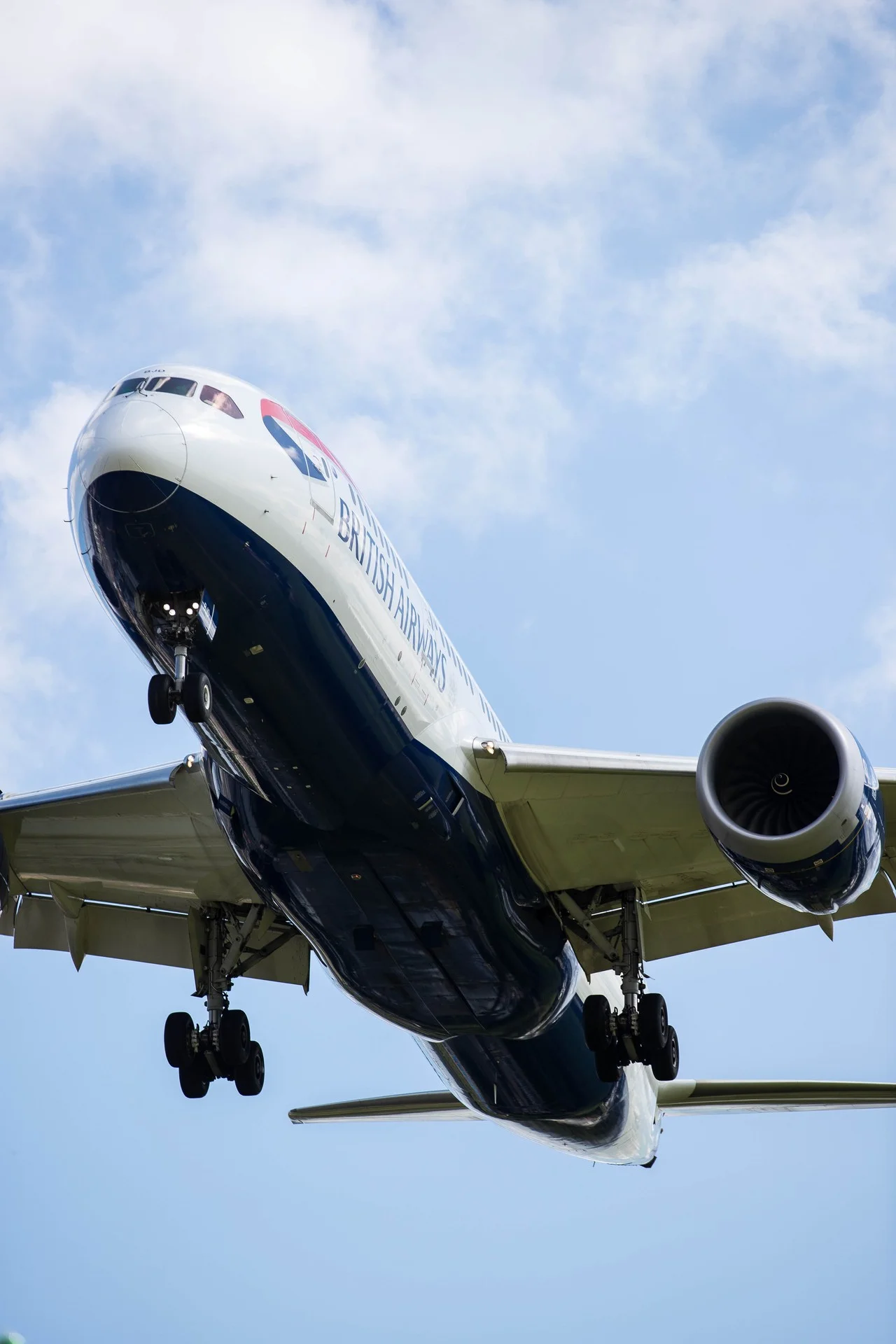
A company representative said the operation proceeded smoothly, with more than 270 passengers leaving the aircraft safely.
Passengers remained in a secure section of the terminal and were provided with food while British Airways arranged onward travel.
Captain Rob McCracken was also seen inside the terminal checking on passengers and assisting a traveler who needed help after disembarking.
Limited Accommodation Creates Challenges
Efforts to accommodate passengers were complicated by a shortage of hotel rooms in Iqaluit.
The Inuit Circumpolar Council’s general assembly was taking place in the city, leaving much of the available accommodation occupied by delegates.
As a remote Arctic community with limited lodging capacity and no road links to the rest of Canada, Iqaluit can struggle to house hundreds of stranded passengers following a widebody aircraft diversion. In such situations, airlines often keep travelers at the airport until a replacement aircraft can be arranged.
Why Aircraft Frequently Divert to Iqaluit
Iqaluit is a common diversion airport for flights operating across the Arctic because it lies beneath major great-circle routes connecting Europe with western Canada and the western United States.
Its long runway can accommodate widebody aircraft, while local emergency services and airport personnel are experienced in handling unexpected international arrivals.
British Airways has diverted there before. In September 2018, Flight BA103 from London to Calgary landed in Iqaluit after the crew reported fumes inside a Boeing 787-9, forcing passengers and crew to remain overnight.
Other carriers have also used the airport during emergencies. A United Airlines (UA) Boeing 787-9 flying from London to San Francisco diverted there in November 2022 because of unexplained vibrations, while a Delta Air Lines (DL) Airbus A330-300 operating from Amsterdam to Seattle landed at Iqaluit in 2014 following a spoiler malfunction.
Airline Yet to Confirm Recovery Plan
British Airways has not announced when Flight BA53 passengers will continue to Seattle or whether a replacement aircraft will be dispatched.
The carrier has also not commented on the operational impact to the return Seattle-Heathrow service or whether another aircraft will be used to maintain the schedule.
The Boeing 787-10, the largest variant of the Dreamliner family, is deployed by British Airways on several long-haul routes from Heathrow, including its daily service to Seattle.
