Qatar Airways (QR) will launch daily Boeing 777-300ER flights between Melbourne Airport (MEL) and Auckland Airport (AKL) starting Thursday, December 10, 2026. The service extends the same aircraft that already flies the 13.5-hour route between Doha and Melbourne, adding a short trans-Tasman hop before the jet heads back to the Middle East later the same day.
The move replaces Qatar Airways’ existing Adelaide-Auckland tag service, which will be dropped once the Melbourne flights begin, Stuff reported. It marks the airline’s first-ever service between Melbourne and New Zealand, and the first time its Qsuite business class product will be available on a trans-Tasman route.

How The New Tag Flight Schedule Works
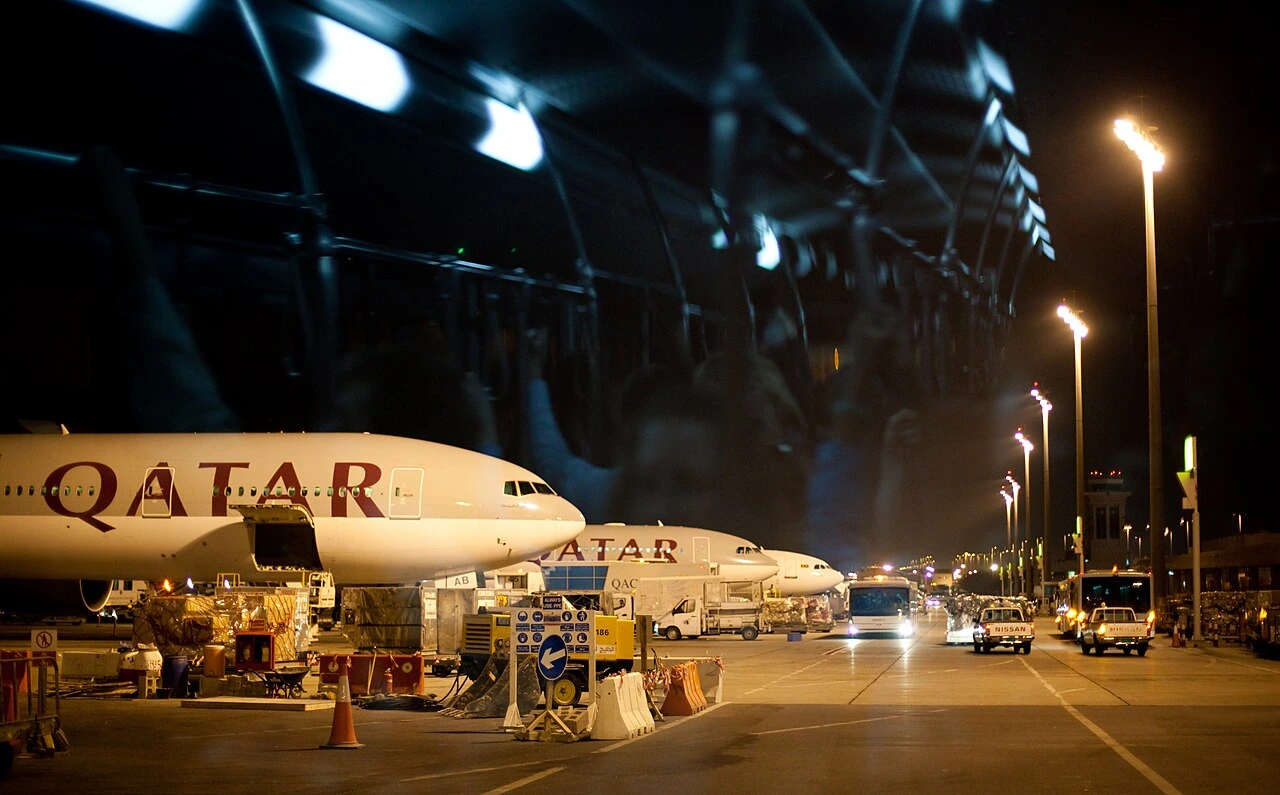
Qatar Airways will operate the route as an extension of its existing Doha-Melbourne service, a common industry practice known as a tag flight, where an aircraft picks up a short additional sector to avoid sitting idle during a long layover. Flight QR904 will depart Doha at 1:50am, land in Melbourne at 10:20pm the same day, then continue on to Auckland, touching down at 6:50am the following morning.
The return service, QR905, leaves Auckland at 1:15pm and lands back in Melbourne at 3:10pm, before the aircraft turns around again for Doha, departing at 5:10pm and arriving at 11:25pm local time. To make room in its schedule, Qatar Airways will shift its existing tagged Auckland service, currently flown via Adelaide, over to the new Melbourne routing once the December changes take effect.
First Qsuite Business Class on the Trans-Tasman Route
The new service marks the first time Qatar Airways’ Qsuite business class will fly on a Melbourne-Auckland route. Qsuite offers a private suite with closing doors, a fully lie-flat bed, and the option for adjoining seats to combine into a double bed or a four-person space for groups travelling together.
Every seat on the Boeing 777-300ER, including economy, will come with access to Qatar Airways’ Starlink-powered inflight Wi-Fi, which the airline supplies free of charge across all cabins. Fares on the new route will start from around $1,300 in business class and $550 in economy, broadly in line with pricing from Qantas and Air New Zealand on the same corridor.
Wider Australian Network Boost: Melbourne Doubles Up, Canberra Goes Daily
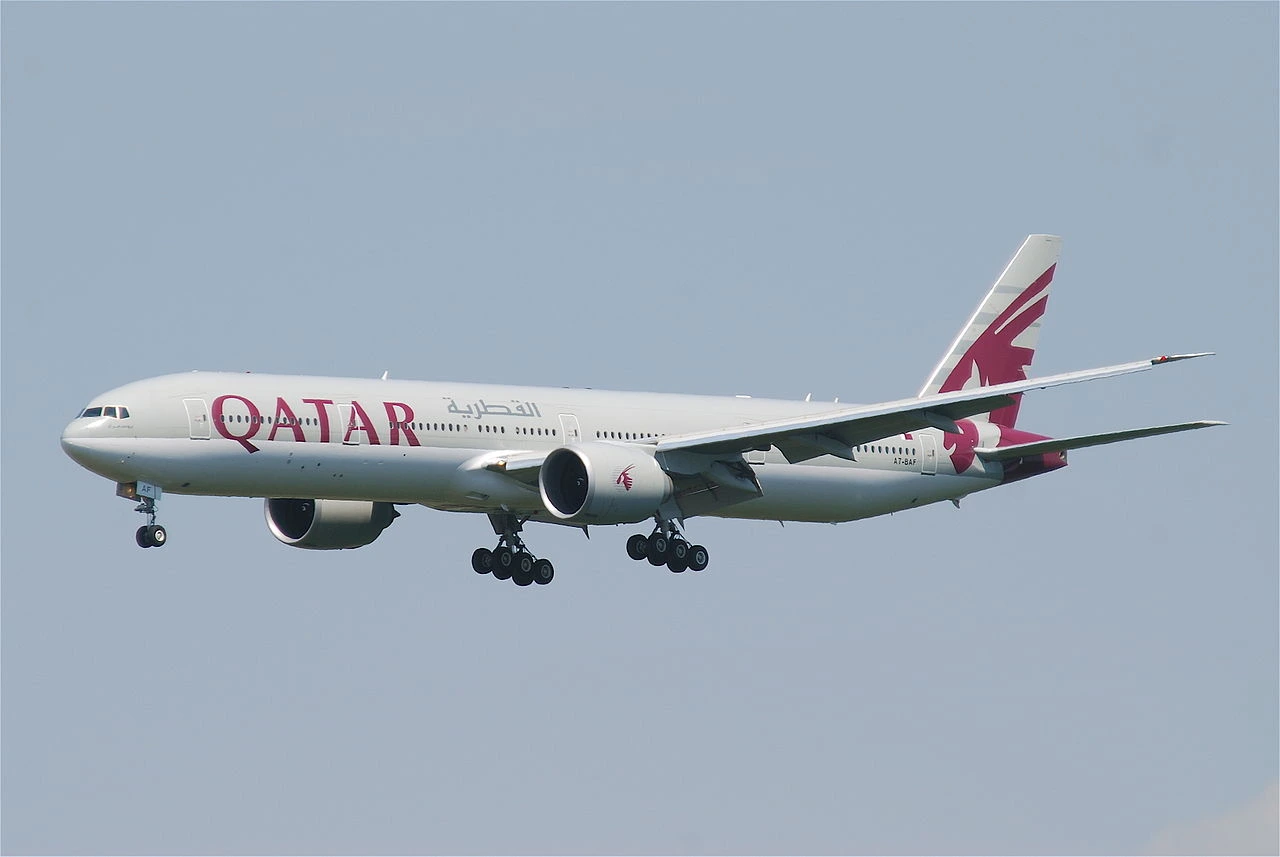
The Auckland announcement comes alongside a broader expansion of Qatar Airways’ Australian network from December 8, 2026. The airline’s Doha-Melbourne service will grow from 11 flights a week to a twice-daily operation, restoring capacity that had previously been scaled back.
At the same time, Qatar Airways will lift its Doha-Melbourne-Canberra service from four weekly flights to a daily operation, also using the Boeing 777-300ER. Canberra Airport chief executive Stephen Byron welcomed the airline’s return to the capital, saying it would give locals “better global connectivity and more competition” while supporting tourism, trade, and education links across the region.
The Australian government’s Smartraveller advisory still urges travellers to reconsider their need to travel to Qatar, citing the ongoing US-Iran conflict and the possibility that Qatari airspace could open or close at short notice. Despite that unchanged advice, Qatar Airways has pressed ahead with restoring and expanding its Australian capacity.

How Qatar Airways Compares with Qantas and Air New Zealand on This Route
The new service puts Qatar Airways’ widebody product directly up against the narrowbody aircraft Qantas currently flies on the Melbourne-Auckland corridor. Qantas operates the route with Boeing 737s fitted with domestic-style recliner seats in business class, a step down from the closed-suite Qsuite product Qatar Airways will bring to the same route.
Air New Zealand (NZ) also serves the route with Boeing 777 and 787 aircraft, giving it a more comparable widebody product, though still short of Qatar Airways’ private-suite business class. NZ’s 777 is also set to compete with Qantas’ Project Sunrise. Between December 10 and the end of February, four airlines will operate the Melbourne-Auckland corridor, a lineup last seen in 2025 when China Airlines, Air New Zealand, Jetstar, and Qantas all served the route together. Qatar Airways effectively takes China Airlines’ place in that four-carrier lineup, with an average of 12 daily services expected across the route, up to three of them on widebody aircraft.
The stakes are significant. Almost 1.1 million passengers flew between Melbourne and Auckland in the twelve months to March 2026, according to Australian government figures, making it one of the busiest trans-Tasman corridors and a logical target for an airline looking to fill idle aircraft time in Melbourne.
Trans-Tasman Tag Flights Are a Familiar Playbook for Long-Haul Carriers
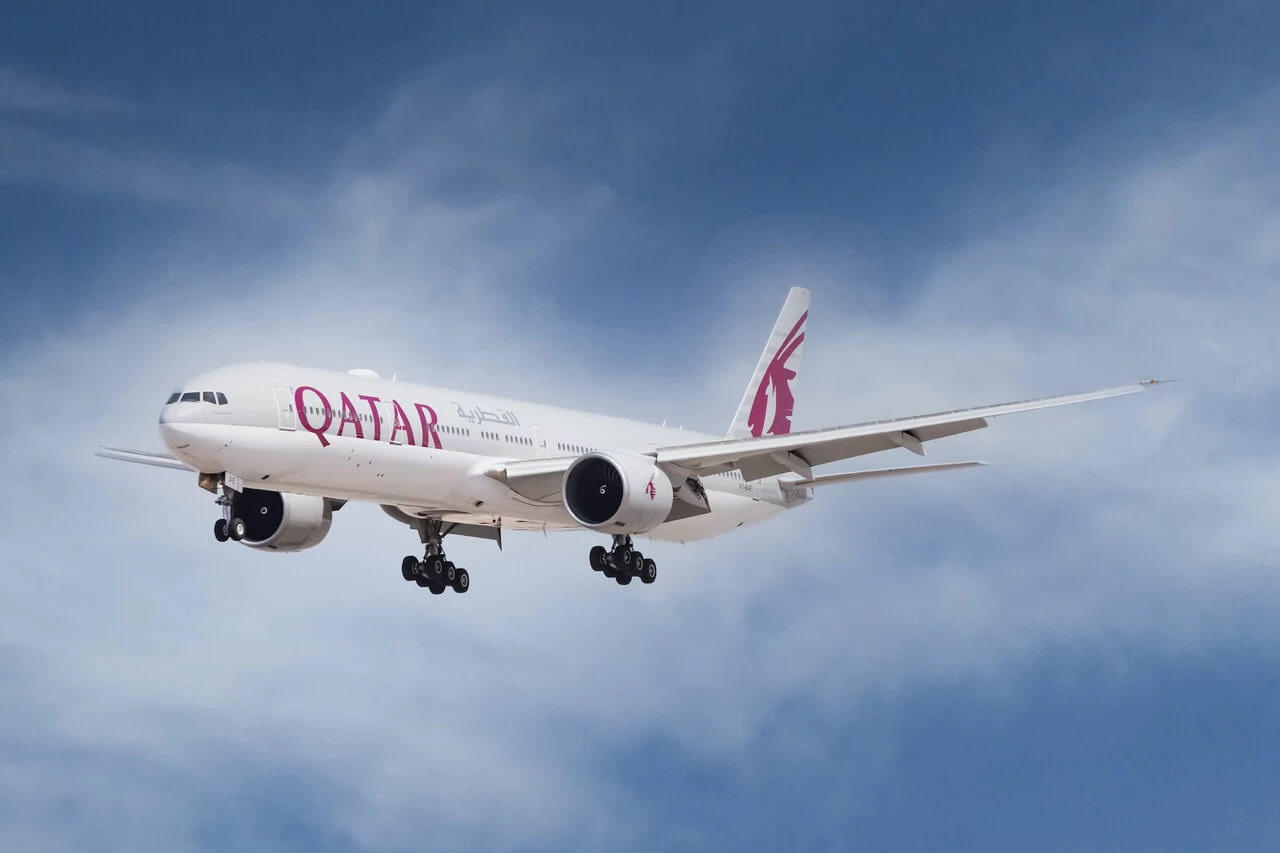
Qatar Airways is not the first long-haul carrier to bolt a short trans-Tasman hop onto an existing Australian route. Emirates has long operated a daily Dubai-Sydney-Christchurch service using its Airbus A380, a similar strategy of using a wide-body aircraft’s downtime productively rather than parking it on the ground between long-haul sectors.
Qatar Airways itself already applies the same model elsewhere in its Australian network and confirmed plans to add a Brisbane-Auckland tag flight from June 2027, following the same logic of extending existing Doha routes across the Tasman. Budget long-haul carrier Starlux is also entering the pattern, with a planned Taipei-Sydney-Auckland routing set to begin next year.

What Happens Next
Qatar Airways’ Melbourne-Auckland flights begin December 10, 2026, alongside the airline’s broader Australian capacity increases in Melbourne and Canberra taking effect from December 8. Bookings for the new route are already open through Qatar Airways’ website.


_-_36103_-_VGHS.jpg)

.jpg)
_-_Boeing_777-3DZER_-_43215_-_VGHS.jpg)