Operations at London Gatwick Airport (LGW) were severely disrupted overnight after a British Airways (BA) Airbus A320 suffered a technical issue following landing, leaving the airport’s only active runway temporarily unavailable.
The incident occurred during the early hours of July 15, when the aircraft arriving from Palma de Mallorca Airport (PMI) was unable to vacate the runway. The closure forced aircraft to hold, divert, and, in several cases, declare emergencies because of dwindling fuel reserves.
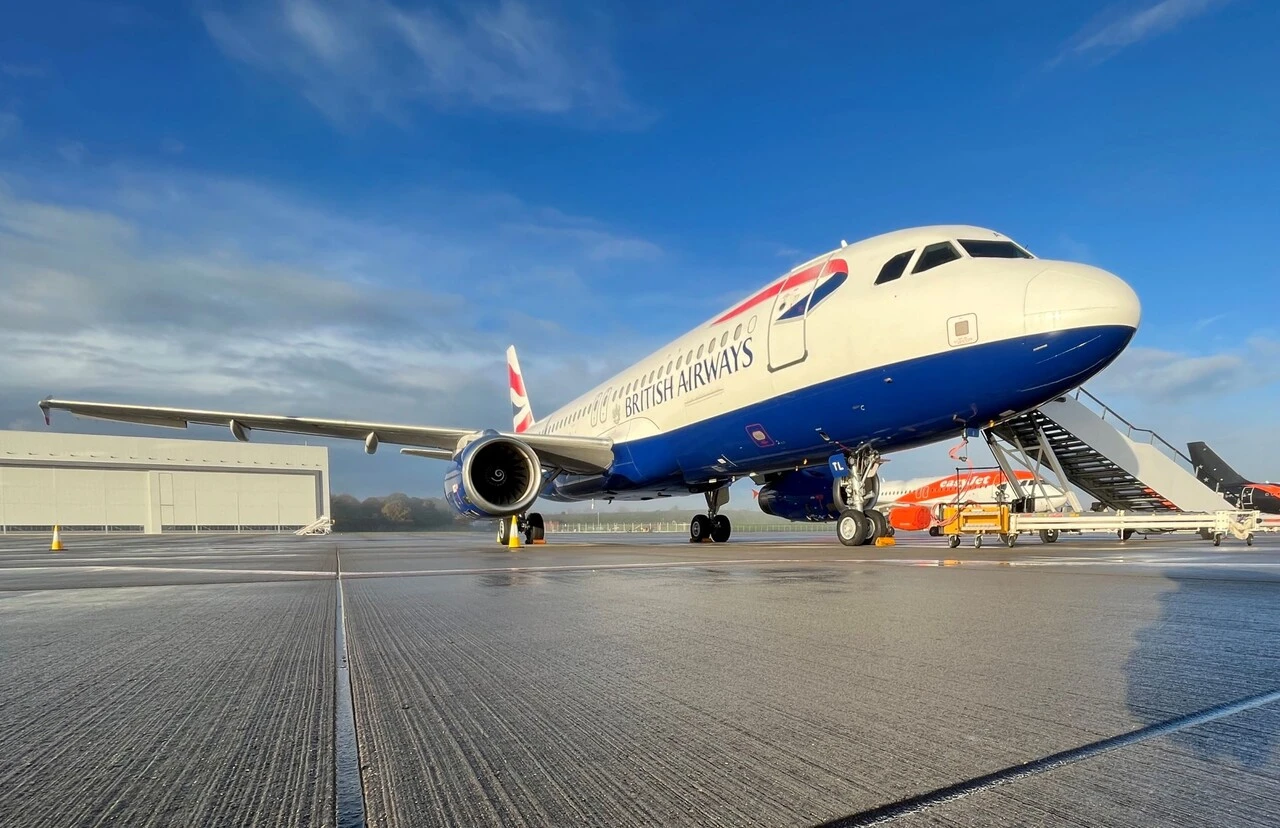
British Airways Aircraft Triggers Runway Closure
British Airways flight BA2673 departed Palma de Mallorca late Tuesday and landed at Gatwick shortly after midnight, behind schedule.
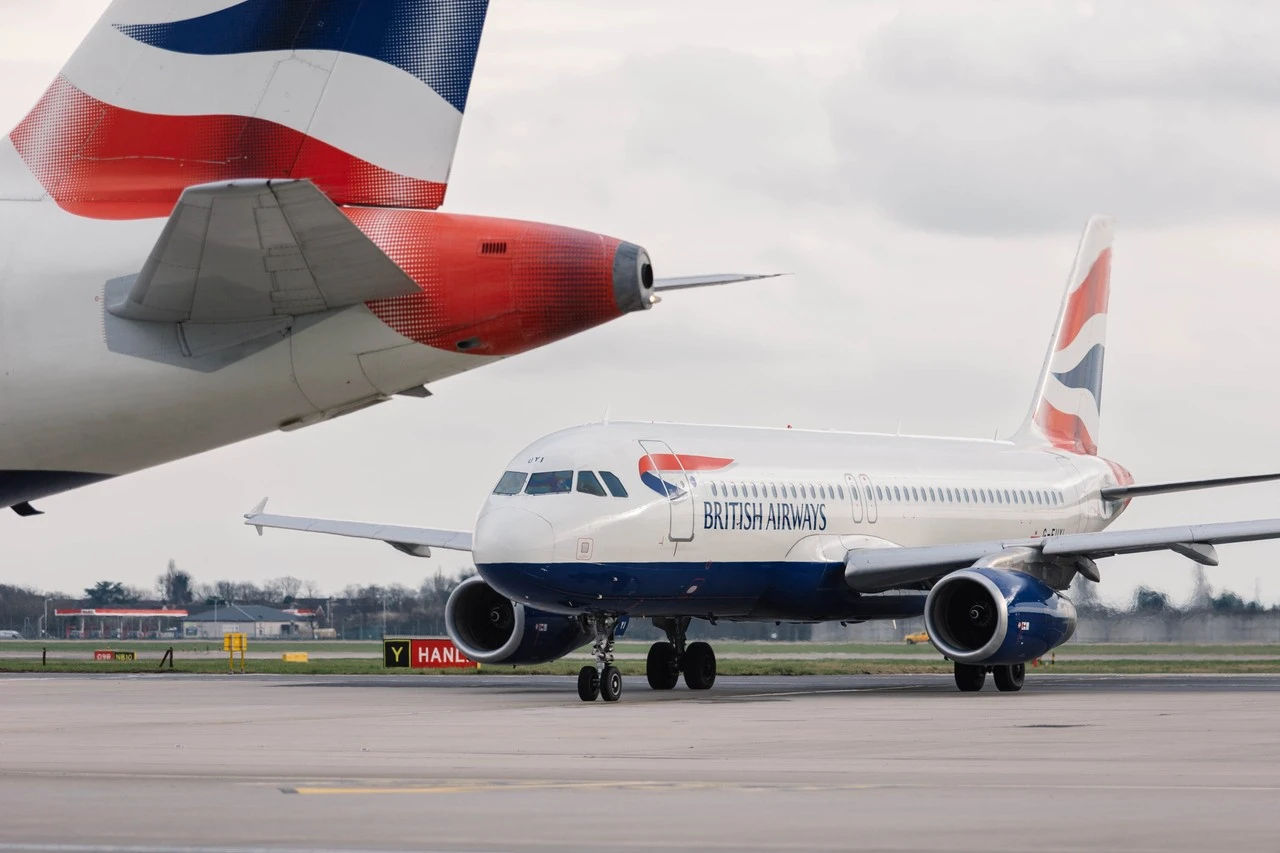
The aircraft involved was a 25-year-old Airbus A320, registered G-GATS. According to local reports, the flight crew reported concerns involving the aircraft’s nose wheel while approaching southeast England.
Pilots remained in a holding pattern as they worked through troubleshooting procedures with air traffic controllers before receiving clearance to land.
Emergency vehicles were positioned alongside the runway as a precaution. Despite the technical issue, the crew did not declare either a Mayday or PAN-PAN emergency during the approach.
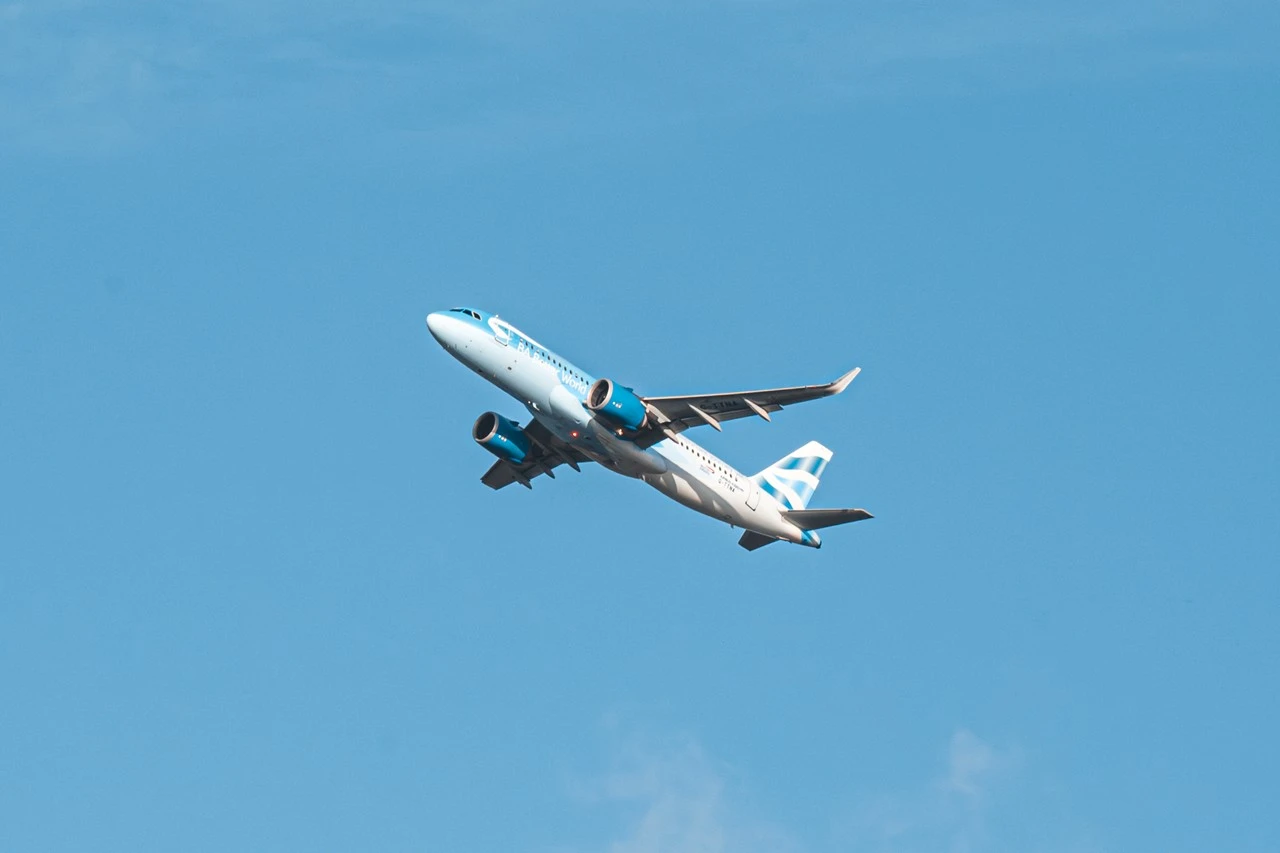
After touchdown, however, the aircraft was unable to immediately clear the runway.
Because Gatwick typically relies on a single operational runway, the disabled aircraft effectively halted all arriving traffic until engineering teams completed inspections and removed the jet.
British Airways later withdrew the aircraft from service, cancelling its scheduled rotation to Alicante Airport (ALC) later that day.
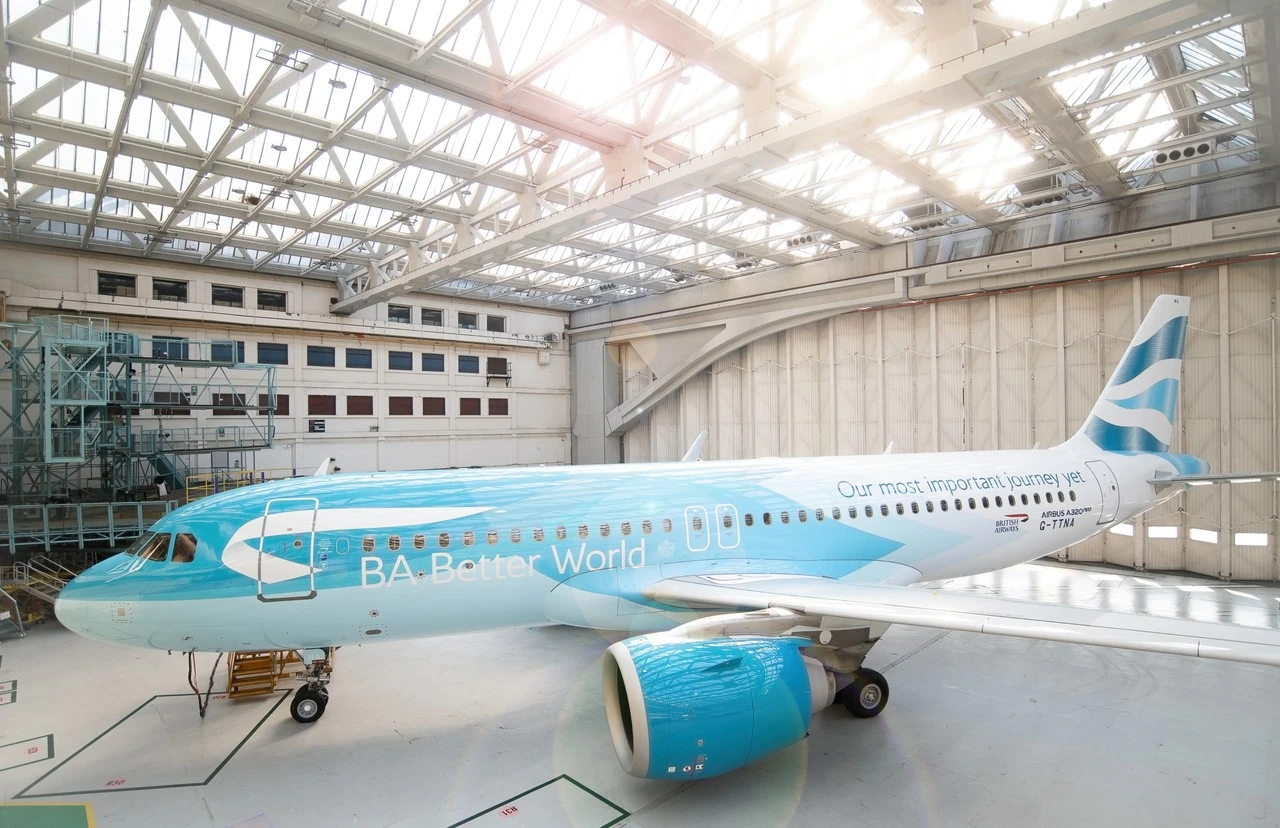
G-GATS: The Aircraft Involved in the Incident
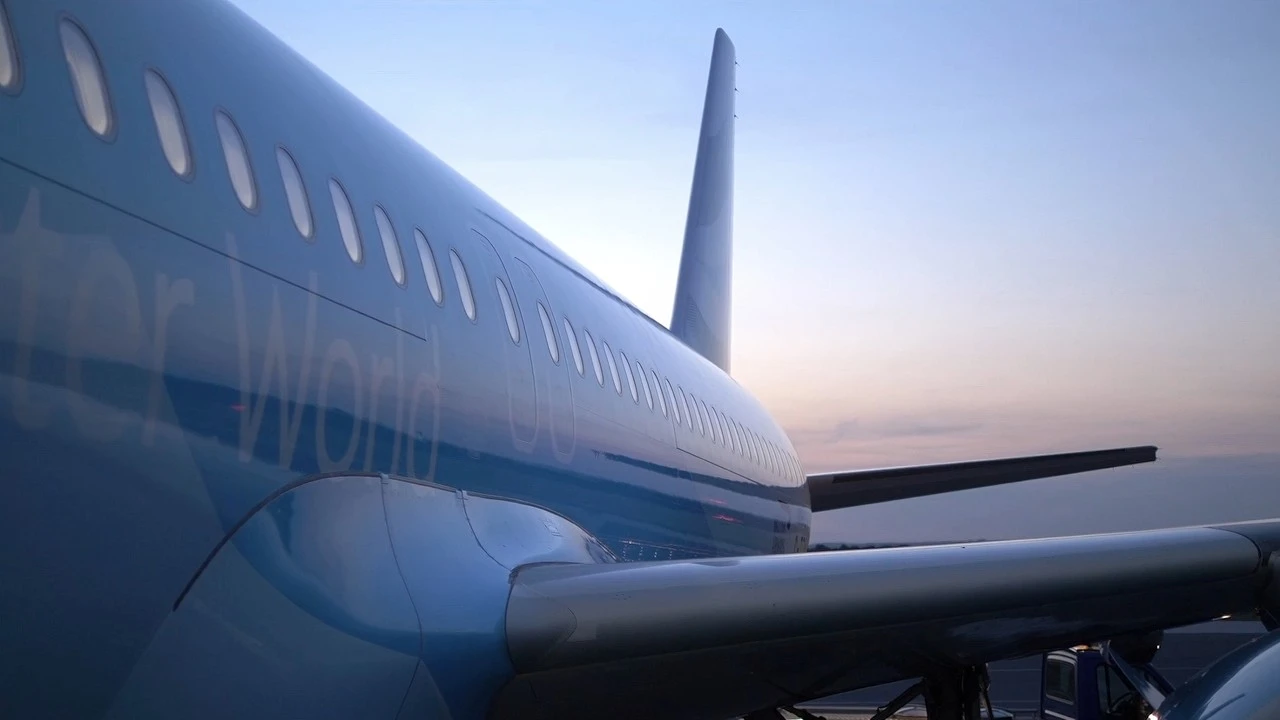
G-GATS was built at Airbus’ Toulouse, France production facility, the narrowbody jet first flew in 2002 and is approximately 24.6 years old.
The aircraft carries Manufacturer Serial Number (MSN) 1672 and was initially assigned the test registration F-WWIK before delivery. It is powered by two International Aero Engines (IAE) V2500 turbofan engines, a popular engine option for the Airbus A320 family known for its reliability and fuel efficiency.
G-GATS began its commercial service with TAM Linhas Aéreas (now part of LATAM Airlines Brazil) in April 2002, operating in a 168-seat all-economy configuration under the Brazilian registration PR-MAC. After more than a decade in South America, the aircraft entered the leasing market under GECAS, receiving the Austrian registration OE-IDW in 2015 before being transferred to British Airways.
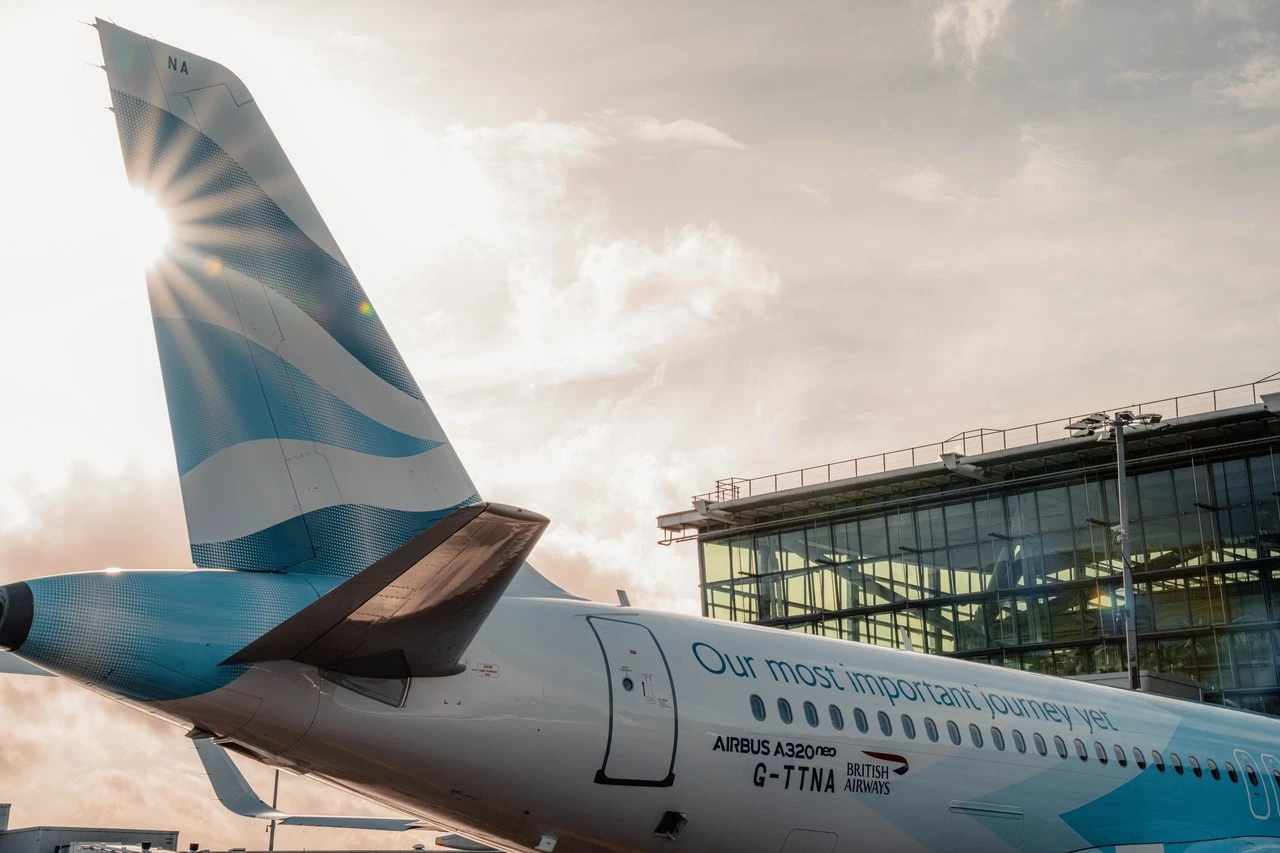
British Airways took delivery of the aircraft in September 2015, initially configuring it with 171 seats before increasing capacity to 177 seats in May 2016. The aircraft has since primarily served the airline’s short-haul European network from London Gatwick Airport (LGW).
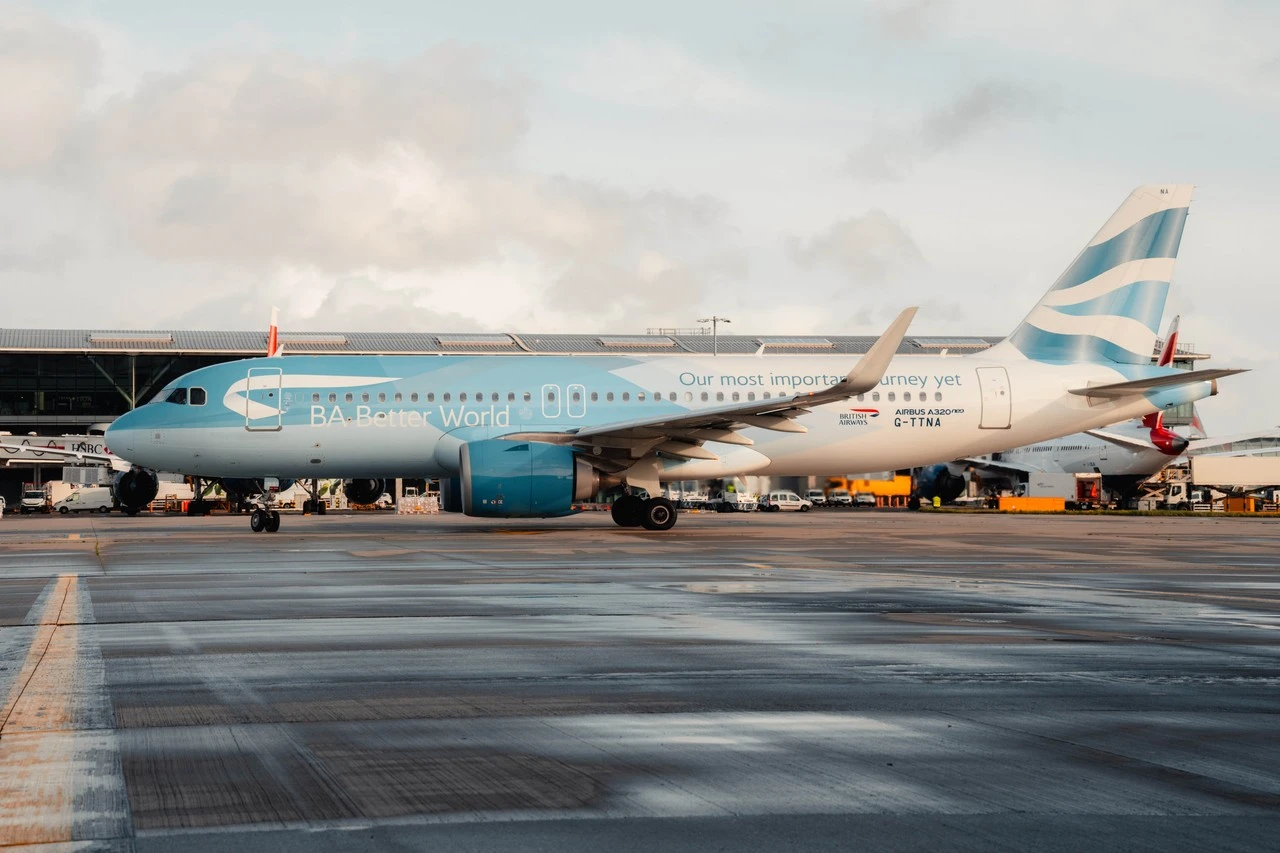
During the COVID-19 pandemic, G-GATS spent extended periods in storage at London Gatwick, Palma de Mallorca (PMI), and Madrid (MAD) before returning to commercial service in April 2022. It was briefly withdrawn from service again in early 2023 before joining BA Euroflyer, British Airways’ Gatwick-based short-haul subsidiary,
Nine Aircraft Broadcast Squawk 7700
While the runway remained closed, arriving flights continued circling over southeast England waiting for an opportunity to land.
As holding times increased, several aircraft approached minimum fuel reserves. Nine flights subsequently selected Squawk 7700, the internationally recognized transponder code used to notify air traffic control of a general emergency requiring priority handling.
Flight tracking platform Flightradar24 confirmed that nine aircraft simultaneously transmitted the emergency code while inbound to Gatwick, describing the occurrence as highly unusual.
According to The Argus, the affected flights included:
- British Airways BA2607 from Bari (BRI)
- British Airways BA2703 from Tenerife (TFS)
- easyJet U28704 from Agadir (AGA)
- easyJet U28012 from Valencia (VLC)
- easyJet U28042 from Fuerteventura (FUE)
- easyJet U28186 from Athens (ATH)
- easyJet U28330 from Rome (FCO)
- Jet2 LS3104 from Lanzarote (ACE)
- TUI Airways BY4249 from Rhodes (RHO)
Although Squawk 7700 declarations occur regularly across global aviation, multiple aircraft declaring the code simultaneously for the same airport remains an exceptionally rare event.
Diversions Spread Across Five Airports
With Gatwick unable to accept arrivals, air traffic controllers redirected 14 flights to alternative airports across England.
Diversions included:
| Airport | Flights Diverted |
|---|---|
| London Luton (LTN) | 5 |
| London Stansted (STN) | 4 |
| Birmingham (BHX) | 3 |
| Bristol (BRS) | 1 |
| London Heathrow (LHR) | 1 |
The Heathrow diversion required an exemption from the airport’s overnight curfew to accommodate the arriving aircraft.
According to Gatwick Airport, 11 of the diverted flights later returned once the runway reopened, allowing passengers to complete their journeys, although many experienced several hours of delay.
Gatwick and British Airways Respond
Following inspections, engineers cleared the aircraft from the runway, allowing normal airport operations to resume.
A Gatwick Airport spokesperson confirmed the disruption resulted from a technical issue involving one aircraft.
“Earlier this morning, the runway was closed for a short period due to a technical issue with an aircraft. As a result, a small number of flights were diverted, with the majority later returning to London Gatwick. As always, safety and security is our number one priority.”
British Airways also confirmed the aircraft landed safely and passengers disembarked without incident.
“Our flight landed safely and customers disembarked normally following reports of a technical fault with the aircraft,” the airline said.
The incident nevertheless highlighted the operational vulnerability of airports operating with a single active runway, where one disabled aircraft can quickly disrupt dozens of flights and create cascading delays across the network.