Australia is on track to become the first country outside the United States to field the AIM-260 Joint Advanced Tactical Missile (JATM), after Canberra unveiled a nearly A$736 million (roughly US$480 million) purchase through the U.S. Foreign Military Sales program. The acquisition comes as Australia, like the United States, is increasingly focused on maintaining an edge in beyond-visual-range air combat against China’s rapidly advancing airpower, including its long-reaching air-to-air missiles.
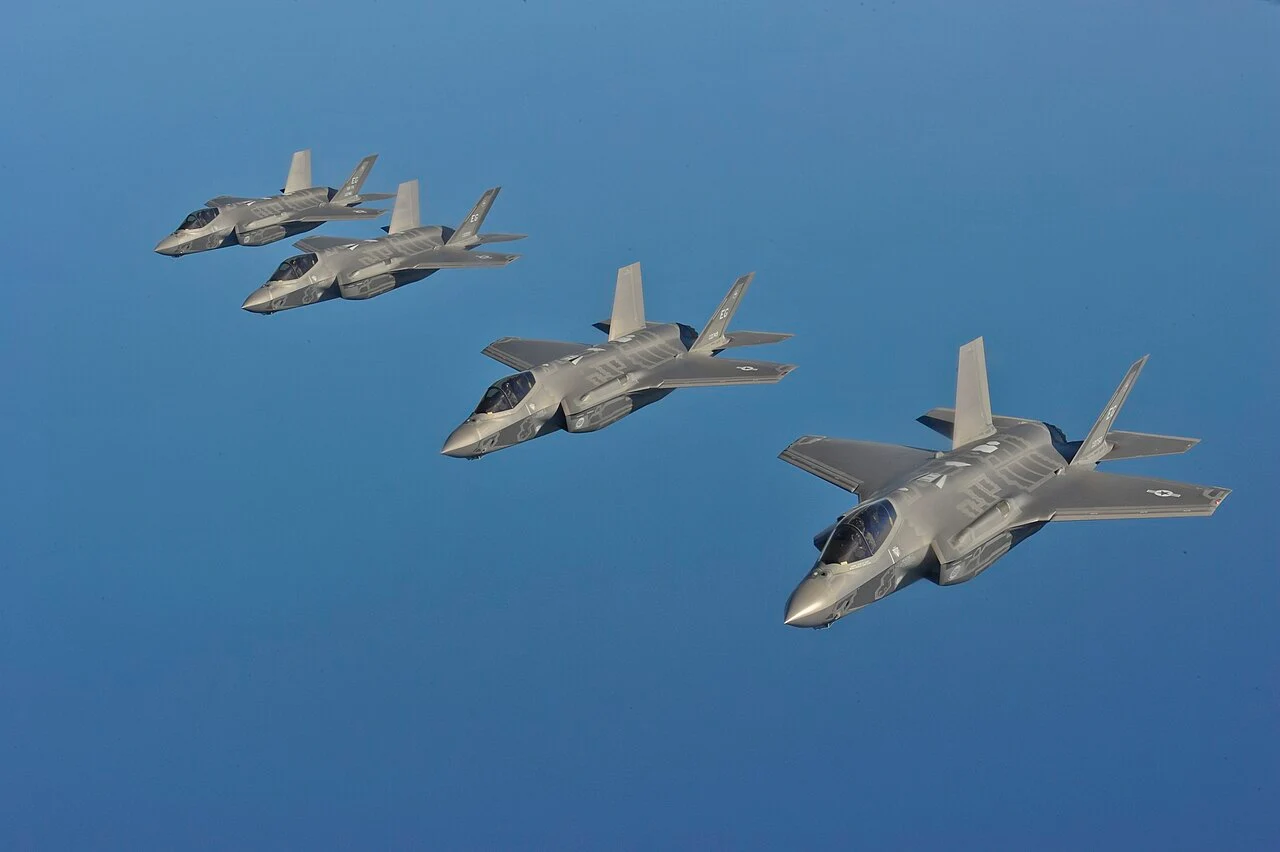
Deputy Prime Minister and Defence Minister Richard Marles made the announcement during Exercise Pitch Black in Darwin, Australia’s largest multinational air combat exercise, where dozens of allied air forces gather annually to rehearse high-end aerial warfare scenarios.
According to TWZ, Marles called the deal “the latest milestone in the delivery of long-range, high-tech capabilities for our Defense Force,” tying it directly to the government’s broader push to let the Australian Defence Force strike at longer range and deter potential adversaries. Defence Industry Minister Pat Conroy went further, noting the purchase is funded through the Albanese government’s record investment in Defense, including up to A$36 billion over the next decade for Guided Weapons and Explosive Ordnance — a standing procurement pipeline the AIM-260 buy now draws directly from.
A Phased Rollout Across Three Fighter Types
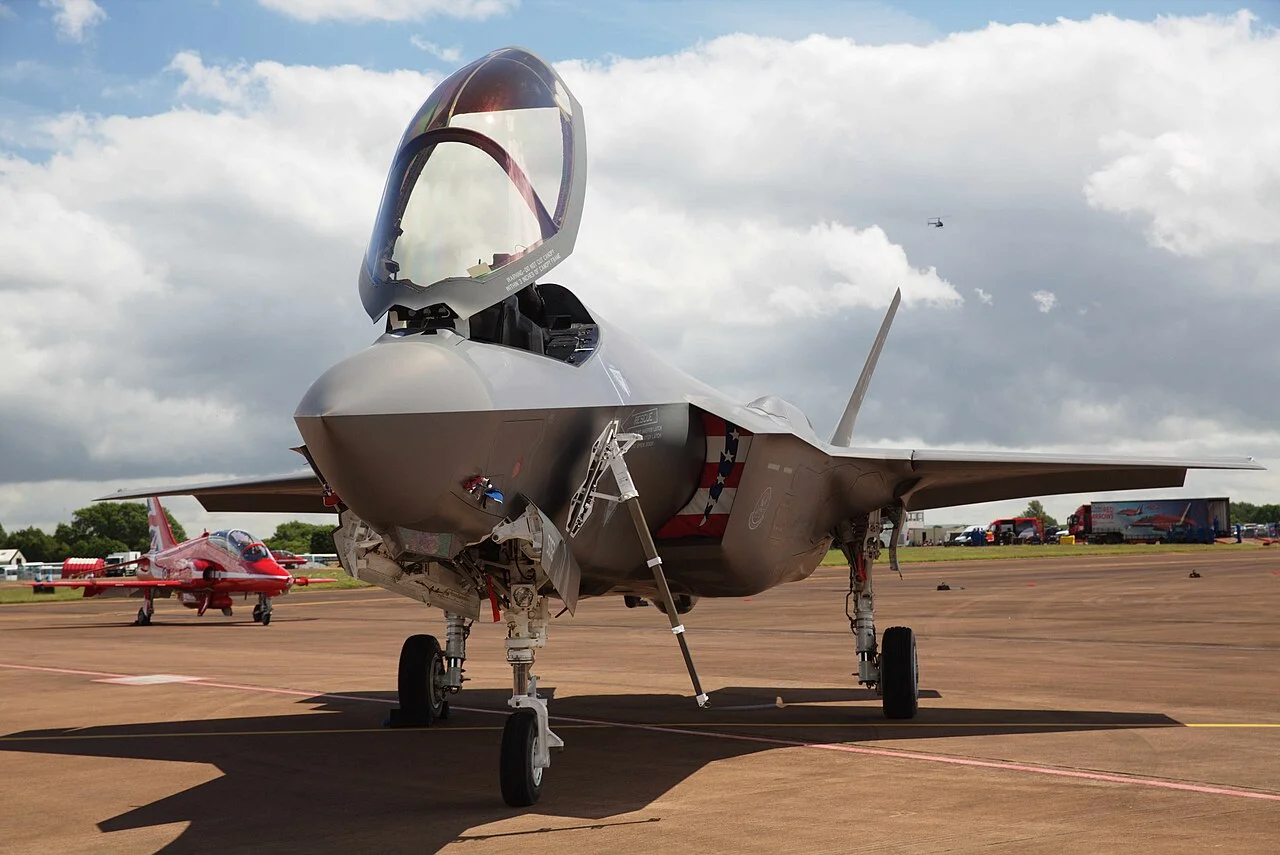
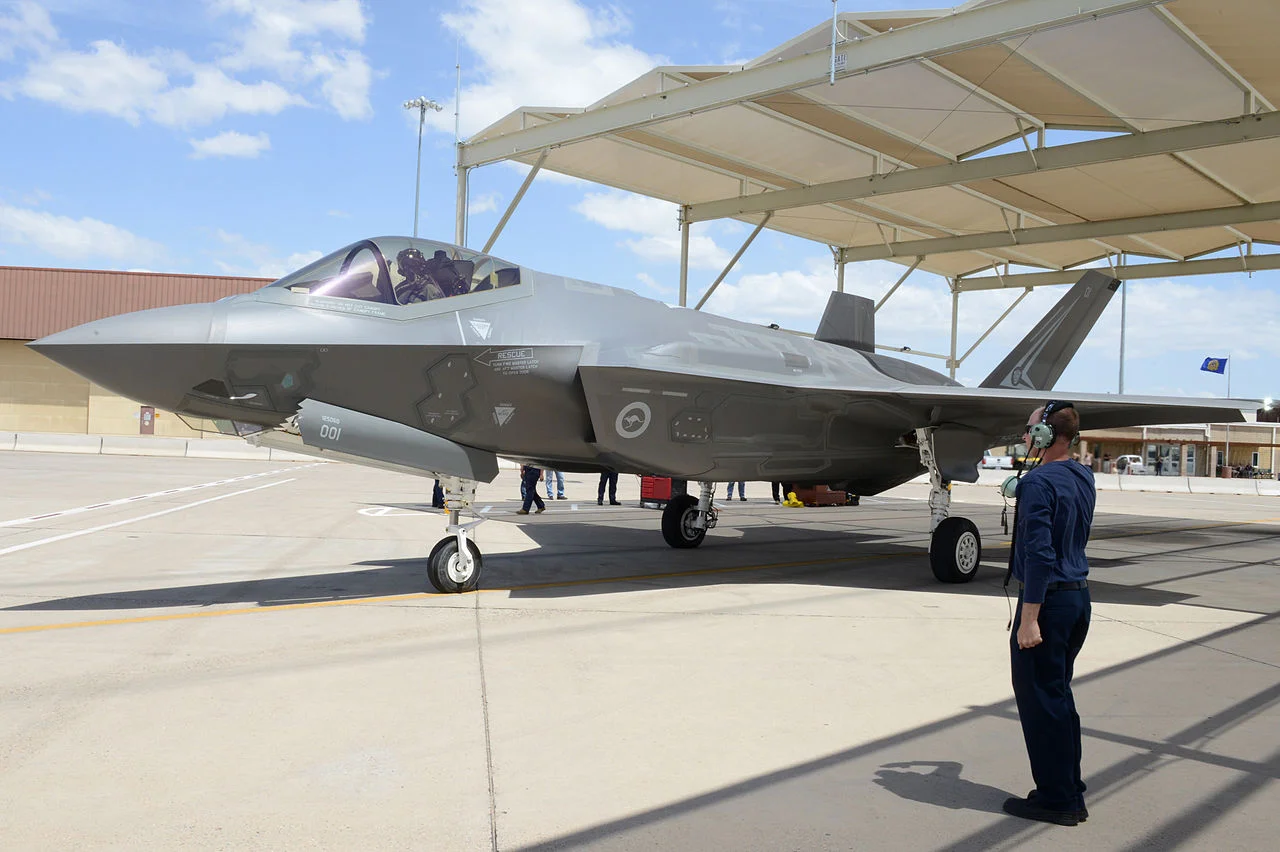
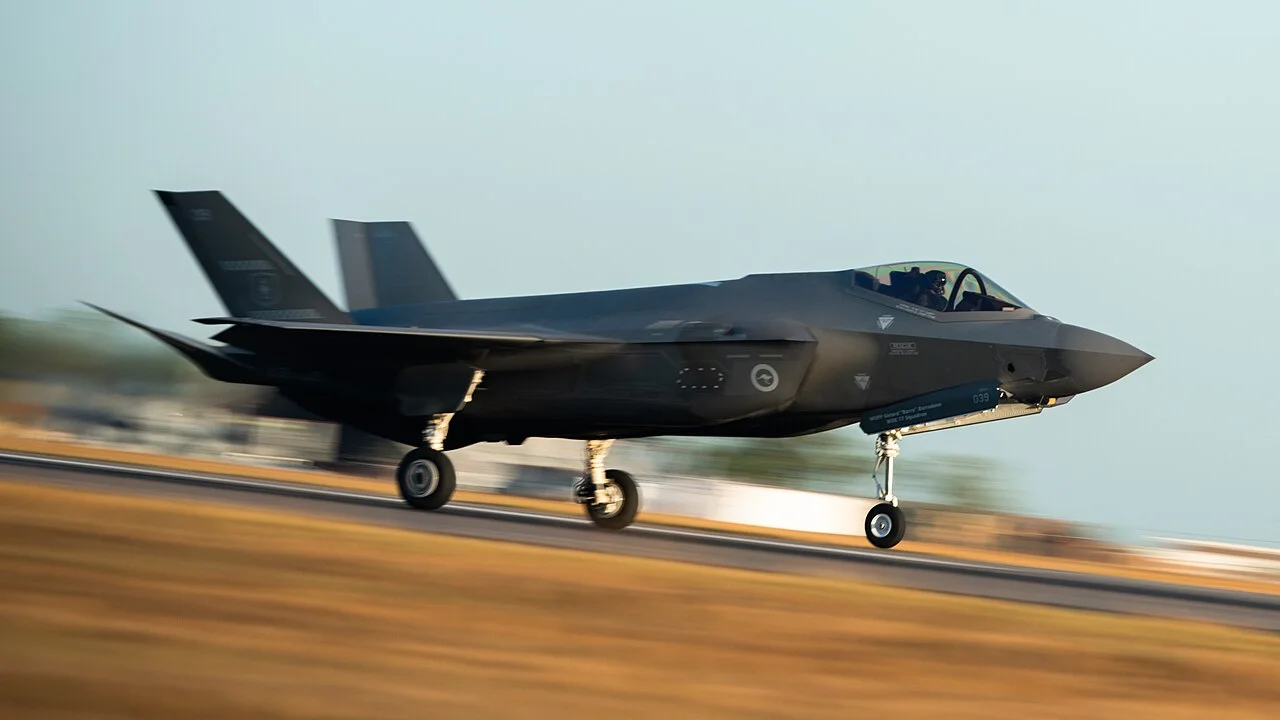
The Lockheed Martin-built missile will not arrive on every Australian jet at once. It will first be integrated onto the RAAF’s F/A-18F Super Hornet fleet before being fielded on the Lockheed Martin F-35A and the EA-18G Growler electronic attack aircraft. That sequencing is notable in itself: Growler integration wasn’t previously flagged as a near-term U.S. priority, with the F/A-18E/F and F-22 originally ahead of it in line, though the shared airframe between the Super Hornet and Growler should make that step comparatively straightforward.
The numbers involved are modest but consequential. Australia currently fields 72 F-35A Lightning IIs, 24 F/A-18F Super Hornets, and 12 EA-18G Growlers — the latter making the RAAF the only air force outside the U.S. Navy to operate the specialized electronic-attack jet at all. Looking further out, the RAAF’s MQ-28 Ghost Bat uncrewed collaborative combat aircraft is considered a likely future candidate to carry JATM, having already test-fired an AIM-120 AMRAAM from an external pylon, with the upcoming Block 3 Ghost Bat variant designed for internal weapons carriage.
Built to Out-Range China’s PL-15
The AIM-260 is intended to replace the AIM-120 AMRAAM, the weapon RAAF Super Hornets and F-35As currently rely on for beyond-visual-range engagements, while retaining a similar external size so aircraft don’t sacrifice magazine depth or internal-bay compatibility on stealth platforms. Its specifications remain officially secret, but it is reportedly designed to hit targets out to at least 120 miles, if not substantially further, according to industry reporting.
The program exists largely in response to China’s PL-15 missile, which the Royal United Services Institute assesses out-ranges the AIM-120C/D and roughly matches the range of Europe’s Meteor missile — a gap that has worried U.S. and allied planners since the PL-15 entered wide service with China’s air force.
China’s missile arsenal hasn’t stood still since then, either. Beijing has also developed the far larger PL-17, believed optimized for striking high-value support aircraft like tankers and airborne early warning planes at extreme range, and reporting points to a newer PL-16 in development, apparently intended to let J-20 stealth fighters carry six long-range missiles internally instead of four. That trajectory is why some in the U.S. Air Force are already looking decades further out: Air Force projections envision counter-air missiles capable of engaging targets at ranges up to 1,000 miles by 2050, even though that capability remains far beyond anything flying today.
Why Australia — And Not the AIM-174B
Notably, Australia is bypassing the U.S. Navy’s other current answer to China’s long-range missile threat. RAAF officials have previously indicated Australia has no plans to acquire the AIM-174B, a considerably larger and heavier weapon derived from the SM-6 surface-to-air missile that trades the AIM-260’s compact size for even greater reach aboard U.S. Navy Super Hornets. That choice underscores Canberra’s preference for a missile that preserves commonality with its existing internal-carriage stealth fleet rather than maximizing range at the cost of aircraft flexibility.
Locking In Interoperability with Washington
Beyond raw capability, the purchase carries a diplomatic dimension. Becoming JATM’s first export customer deepens Australia’s defense-technology alignment with the United States at a moment when both militaries are leaning harder into joint Indo-Pacific operations, and it lets Australian and U.S. squadrons train, deploy, and fight with matching next-generation weapons rather than managing mismatched inventories in a crisis.
Canberra’s recently released 2026 National Defence Strategy emphasizes a layered air and missile defense architecture built to counter advanced regional threats, and the AIM-260 buy slots directly into that framework alongside Australia’s expanding ground-based air-defense systems. With no publicly disclosed delivery timeline or missile quantity yet, the practical impact of the purchase will only become clear once the weapon actually reaches RAAF squadrons — but the political and strategic signal, aimed as much at Beijing as at Washington, has already been sent.


.jpg)