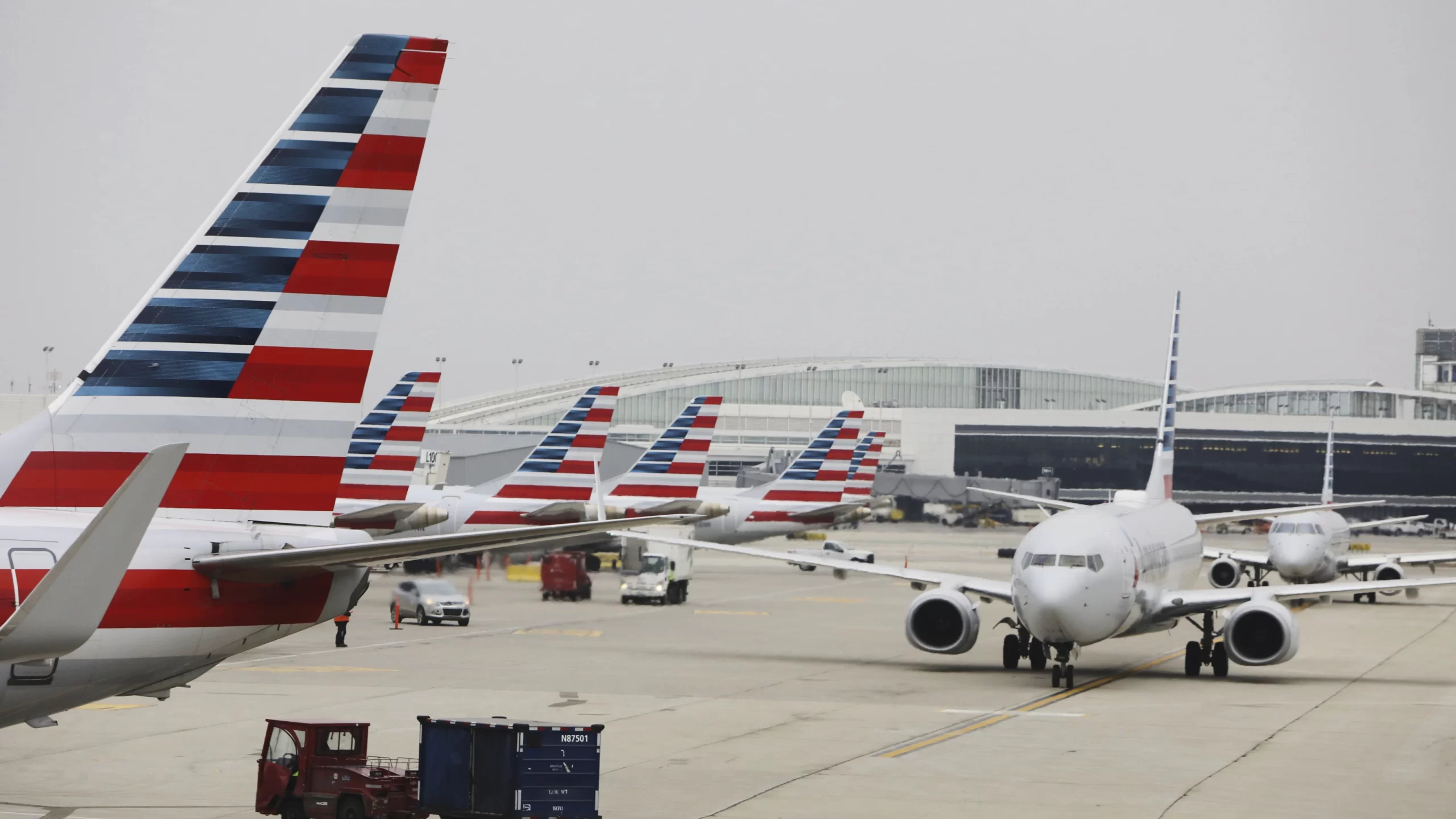
American Airlines (AA) faces an annual bill of about $2.64 million to keep its pilots and flight attendants moving through airport checkpoints without standard screening. The Department of Homeland Security (DHS) will charge airlines $19 per crew member each year under a new federal program called Crewmember Access Point (CMAP).
The fee takes effect on January 1, 2027, even though the rollout of CMAP itself begins earlier, in 2026. American carries the largest bill of any U.S. carrier because it employs about 30,000 flight attendants and 17,500 pilots, more staff than any competitor. It also has one of the largest fleet in the world.
What is CMAP and Why is it Replacing KCM?
The Transportation Security Administration (TSA) currently runs crew screening through the Known Crewmember (KCM) program. Airlines for America (A4A), an industry trade group, has funded and administered KCM jointly with TSA since the program began.
That arrangement is ending. TSA will take over full administration of crew screening under CMAP, and KCM is set to be retired by the end of 2026. DHS explained the shift in plain terms in its Federal Register filing: Congress directed TSA back in 2006 to collect fees that cover the cost of any registered traveler program, and CMAP now falls under that requirement.
Under CMAP, airlines submit their Master Crew List or Master Personnel List to TSA. The agency then builds its own internal database of approved crew members, rather than relying on the airline-association system that powered KCM.
How the $19 Per-Crew-Member Fee was Calculated
TSA built cost models that spread CMAP’s expenses across a five-year recovery period before settling on the per-person fee.
- Airlines will pay $19 per crew member per year, billed annually based on how many staff participate.
- American’s roughly 47,500 eligible pilots and flight attendants put its yearly total near $2.64 million, the highest figure among U.S. carriers.
- Airlines that fail to pay within 30 days of the invoice risk having their crew members dropped from the program and sent back to standard screening lanes.
- Crew members can use CMAP whenever they are on duty, and also when traveling domestically for personal reasons.
The program is voluntary for individual crew members. Anyone who opts out, or who is flagged under TSA’s “unpredictable screening procedures,” must go through a regular checkpoint instead.
How the Biometric Check Works
CMAP relies on facial recognition rather than the barcode scanning that KCM used. The process unfolds in a few steps:
- Crew members present airline-issued identification at a designated CMAP access point.
- TSA takes a photo on the spot and compares it against the crew member’s record in the CMAP database.
- That image is cross-checked against existing federal photo databases for a biometric match.
- A successful match clears the crew member through to the sterile area without further screening.
- A failed match, or a random selection for additional checks, sends the crew member to a standard TSA lane instead.
DHS argues the switch improves data security and identity verification compared with the older, association-run system, Federal Register reproted.
Why American Airlines Has Extra Reasons to Want This Program Working
American’s relationship with crew screening has not always been smooth. Simple Flying reported that in 2022, the airline’s pilots threatened to pull out of KCM altogether after a spike in random screenings turned up weapons and narcotics among aircrew, a trend that worried the carrier because of the delays repeated screenings could cause.
That history makes the $2.64 million fee easier to justify internally. Airlines have come to depend on expedited crew screening to keep staff moving quickly to the gate, since delays caused by long security lines can cascade into flight delays across a hub. TSA frames the trade the same way from its side, noting that CMAP lets the agency redirect screening resources toward higher-risk passengers rather than pre-vetted crew.
Crew screening privileges have also drawn scrutiny for a different reason. In 2024, four flight attendants working for carriers including Delta Air Lines were arrested at John F. Kennedy International Airport (JFK), New York, and charged with using their KCM access to smuggle more than $8 million in drug money tied to a fentanyl operation.
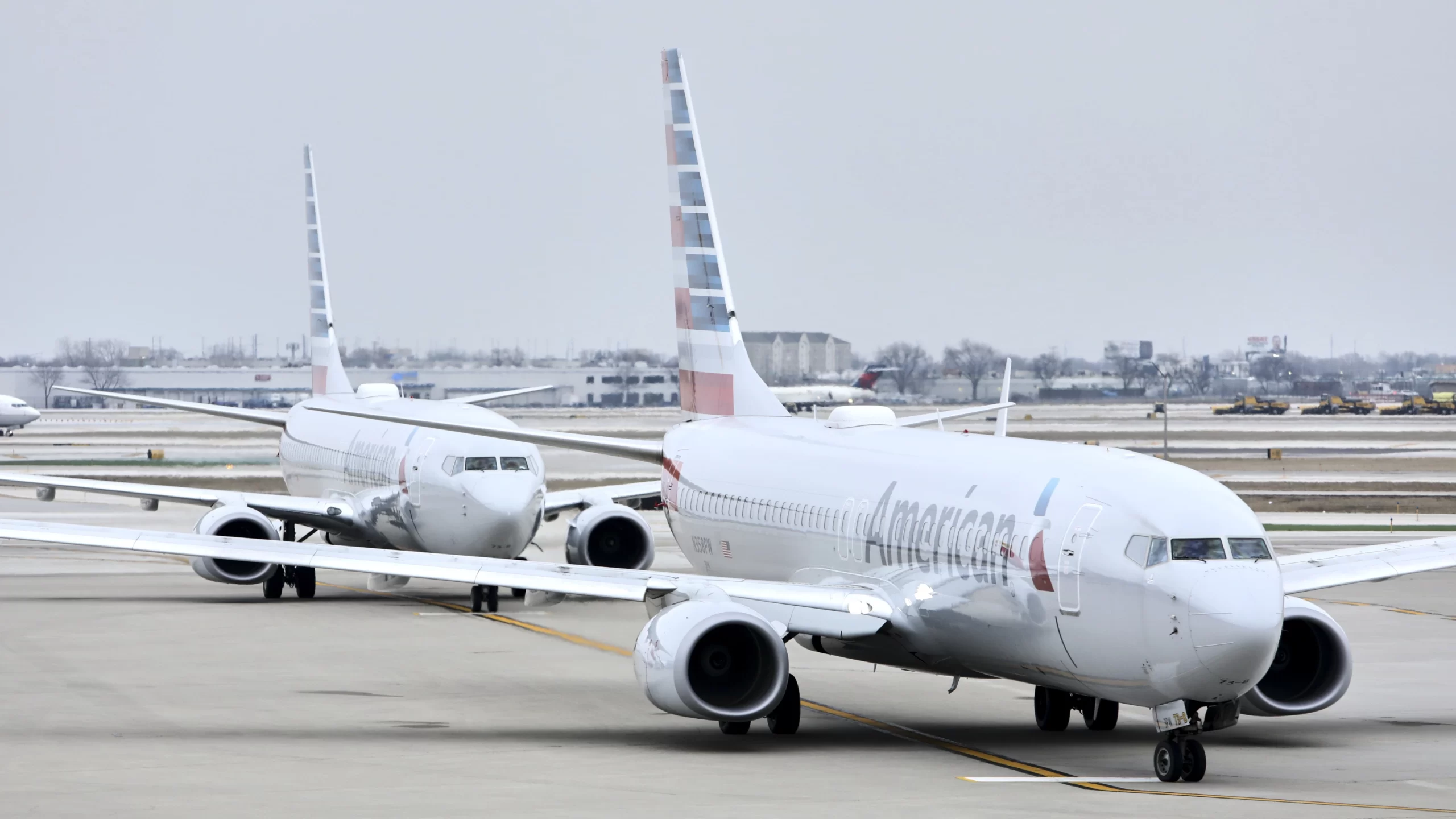
American is not the only carrier facing a new bill. Delta Air Lines and United Airlines will also pay the $19-per-crew-member fee, and together with American, the three legacy carriers will hand TSA a combined $6.8 million a year once CMAP fully takes effect.
CMAP is Already Being Tested
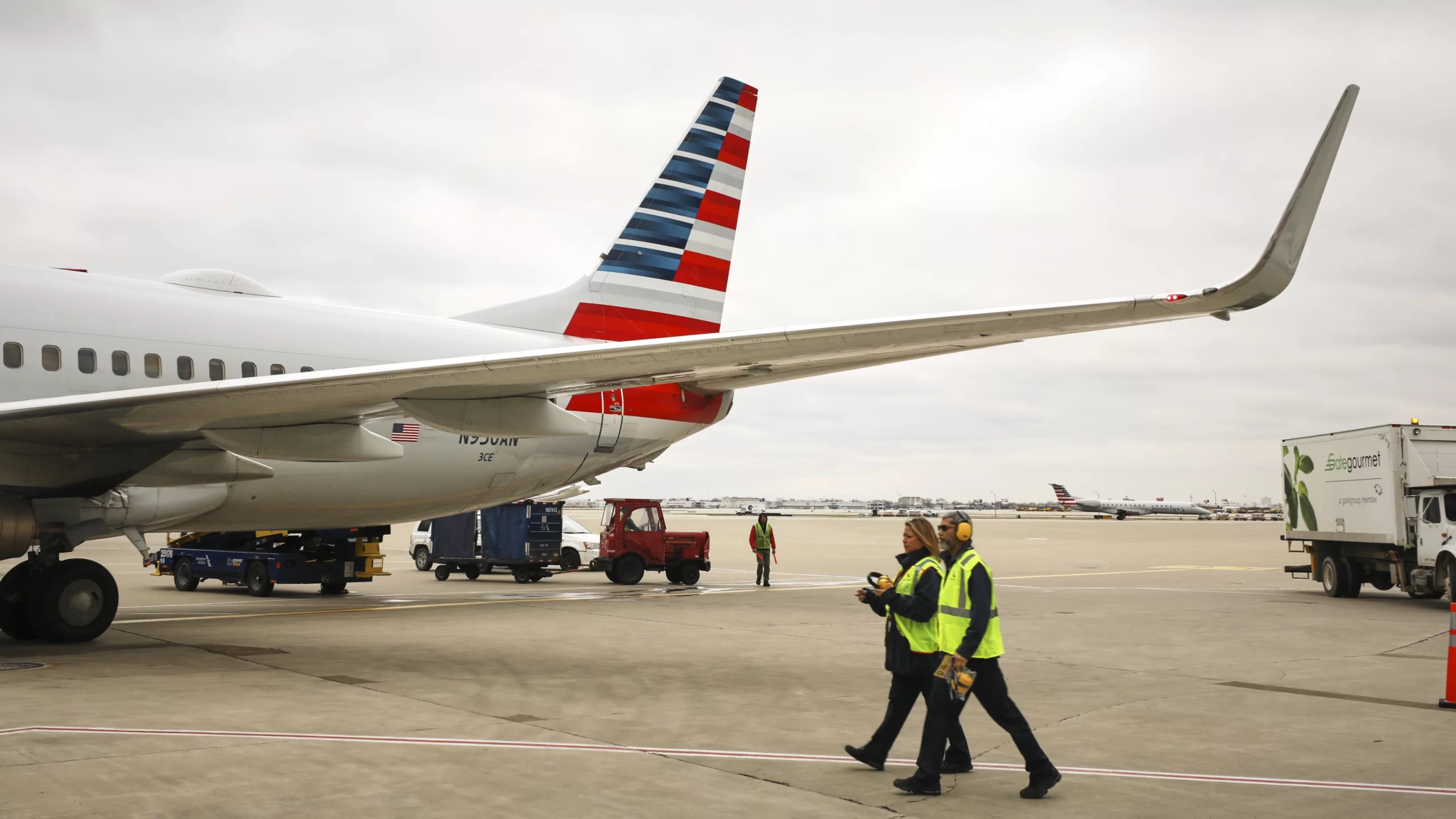
TSA is not waiting until 2027 to start the rollout. The Association of Professional Flight Attendants reported that CMAP screening began at Ronald Reagan Washington National Airport (DCA) and Washington Dulles International Airport (IAD) on June 22, 2026, with Harry Reid International Airport (LAS), Las Vegas, scheduled to follow on June 29.
These early sites give TSA a chance to test the biometric matching process and the new access points before the fee structure goes live nationwide. The agency plans to expand CMAP gradually through the rest of 2026, ahead of the January 1, 2027 fee start date.
All in All
The new fee marks a structural change in how the U.S. handles airport access for flight crews. Responsibility shifts from an industry-funded cooperative model to a federally billed one, with costs distributed in direct proportion to each airline’s headcount.
For American specifically, the $2.64 million annual cost is a modest line item against an airline of its size, but it represents a new, recurring federal expense tied directly to staffing levels. As CMAP expands to more airports through 2026, more carriers will see their own per-crew-member bills take shape ahead of the January 2027 payment deadline.