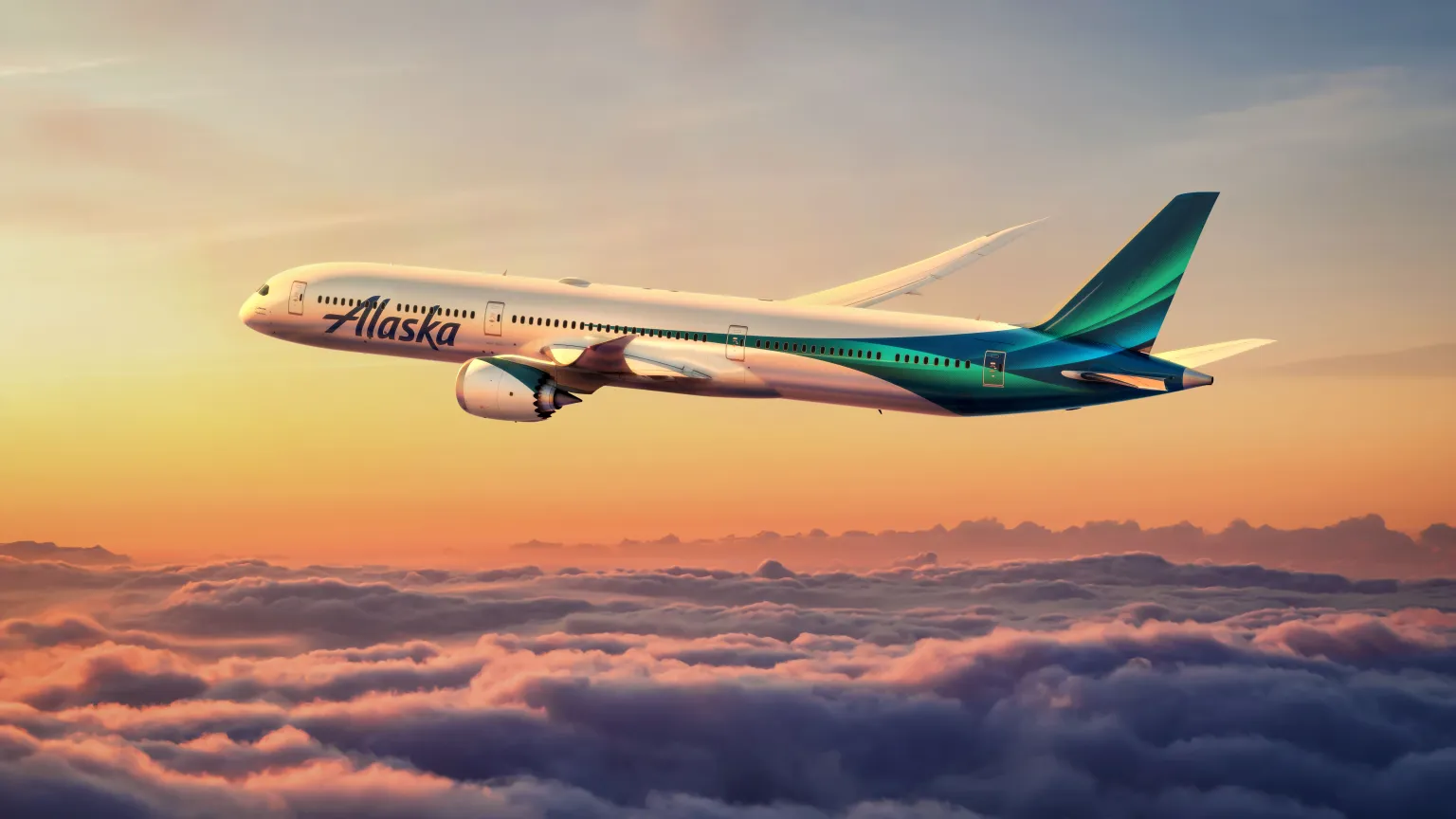
Alaska Airlines Could Face $165K FAA Fine For Allowing Intoxicated Travelers

The Federal Aviation Administration (FAA) proposed a $165,000 civil fine against Alaska Airlines (AS) on May 26, 2026, alleging that the Seattle-based carrier allowed visibly intoxicated passengers to board aircraft on 11 separate flights between February 2024 and February 2025. The FAA issued only a brief public statement disclosing the proposed penalty, declining to furnish details about the specific routes, airports, or circumstances involved in each incident. Alaska Airlines has 30 days from receipt of the enforcement letter to respond to the agency.

The action invokes Title 14 of the Code of Federal Regulations, specifically 14 CFR § 121.575(c), which states unambiguously that no certificated air carrier may allow any person who appears to be intoxicated to board any of its aircraft. The regulation, which has been in effect since 1964, places the enforcement burden squarely on the airline’s gate agents and ground staff, who are required to exercise judgment before a passenger proceeds past the boarding door.

The proposed fine follows the FAA’s recent enforcement actions against American Airlines (AA) and Southwest Airlines (WN), cementing a pattern of intensified regulatory scrutiny over alcohol-related compliance across major U.S. carriers in 2026.

Photo: Alaska Airlines

Alaska Airlines’ Full Response: Training Overhaul and Regulatory Cooperation

Alaska Airlines issued a substantive written statement in response to the FAA’s proposed penalty. The airline confirmed it had participated fully in the agency’s audit process and disclosed that it had already implemented remedial measures after the FAA first flagged its concerns.

As quoted by Alaska’s News Source (KTUU), the airline’s full statement reads:

“We take seriously our responsibility to provide a safe and secure environment for our guests and employees. We participated fully with the FAA’s audit of our policies and practices as it relates to intoxicated guests on board our aircraft. Since the FAA shared these concerns with us over a year ago, we made meaningful changes to ensure compliance with the FAA’s expectations — including enhanced training for all flight attendants and customer service agents. We respect the results of the FAA’s audit and are confident in the changes that have been in place for the last year to ensure our shared standards are being met.”

The statement is notable on two counts. First, it indicates that the FAA communicated its concerns to Alaska Airlines more than a year before the formal penalty proposal — meaning the airline had been aware of the compliance gap since at least early 2025 and had already adjusted its procedures by the time the enforcement letter arrived.

Second, the explicit reference to enhanced training for both flight attendants and customer service agents signals that the failures were not confined to a single station or crew but were systemic enough to necessitate a company-wide retraining programme. The Anchorage Daily News, citing a spokesperson, confirmed the airline’s position that it takes the regulatory obligation seriously.
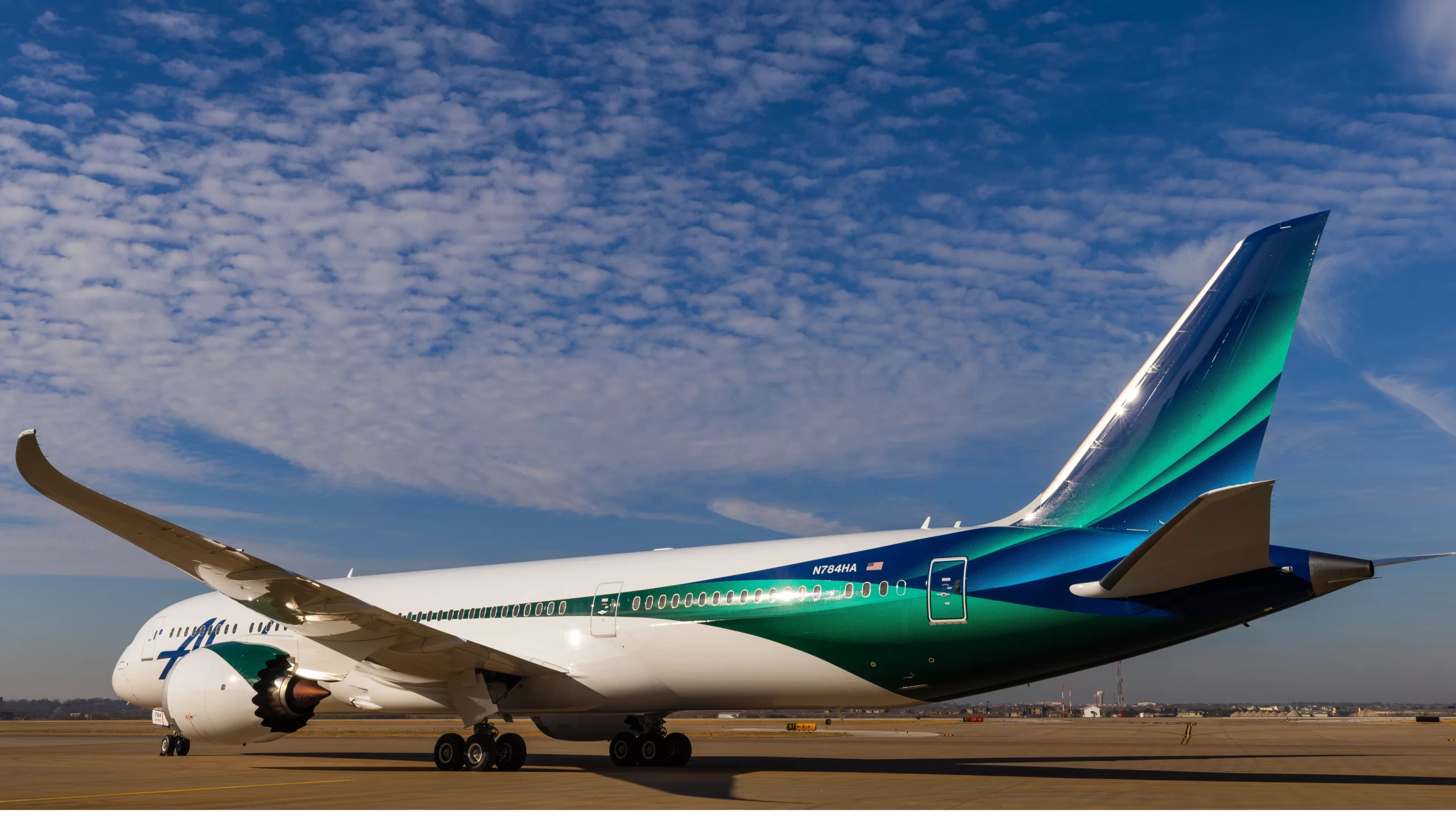
Photo: Alaska Airlines

The Legal Framework: What 14 CFR § 121.575 Actually Requires

The regulation at the heart of this enforcement action is not ambiguous. 14 CFR § 121.575 covers the entirety of alcohol governance on commercial aircraft, imposing obligations on both passengers and certificate holders (airlines). Its key provisions are:

  • Passengers may not consume any alcoholic beverage aboard an aircraft unless the airline itself has served it to them
  • Airlines may not serve alcohol to anyone who already appears intoxicated
  • Airlines may not allow any person who appears intoxicated to board any of their aircraft
  • Airlines must report to the FAA Administrator, within five days, any disturbance caused by a passenger who appears to be intoxicated

The boarding prohibition in subsection (c) places responsibility directly on gate staff. Unlike many regulatory standards that involve technical measurements or instrumentation, the intoxication threshold is deliberately observational — a passenger need only appear intoxicated for the rule to apply. LegalClarity’s analysis of aviation alcohol law notes that flight attendants are equally prohibited from serving further alcohol to anyone who becomes visibly intoxicated in-flight, creating a dual layer of responsibility: gate agents control boarding, and cabin crew control consumption once airborne.

The scale of the industry problem is substantial. According to the International Air Transport Association (IATA), alcohol is a contributing factor in 27% of all reported disruptive passenger incidents. An intoxicated passenger in a pressurised cabin, where reduced oxygen levels amplify the physiological effects of alcohol, presents an unpredictable behavioural risk to crew and fellow passengers alike.
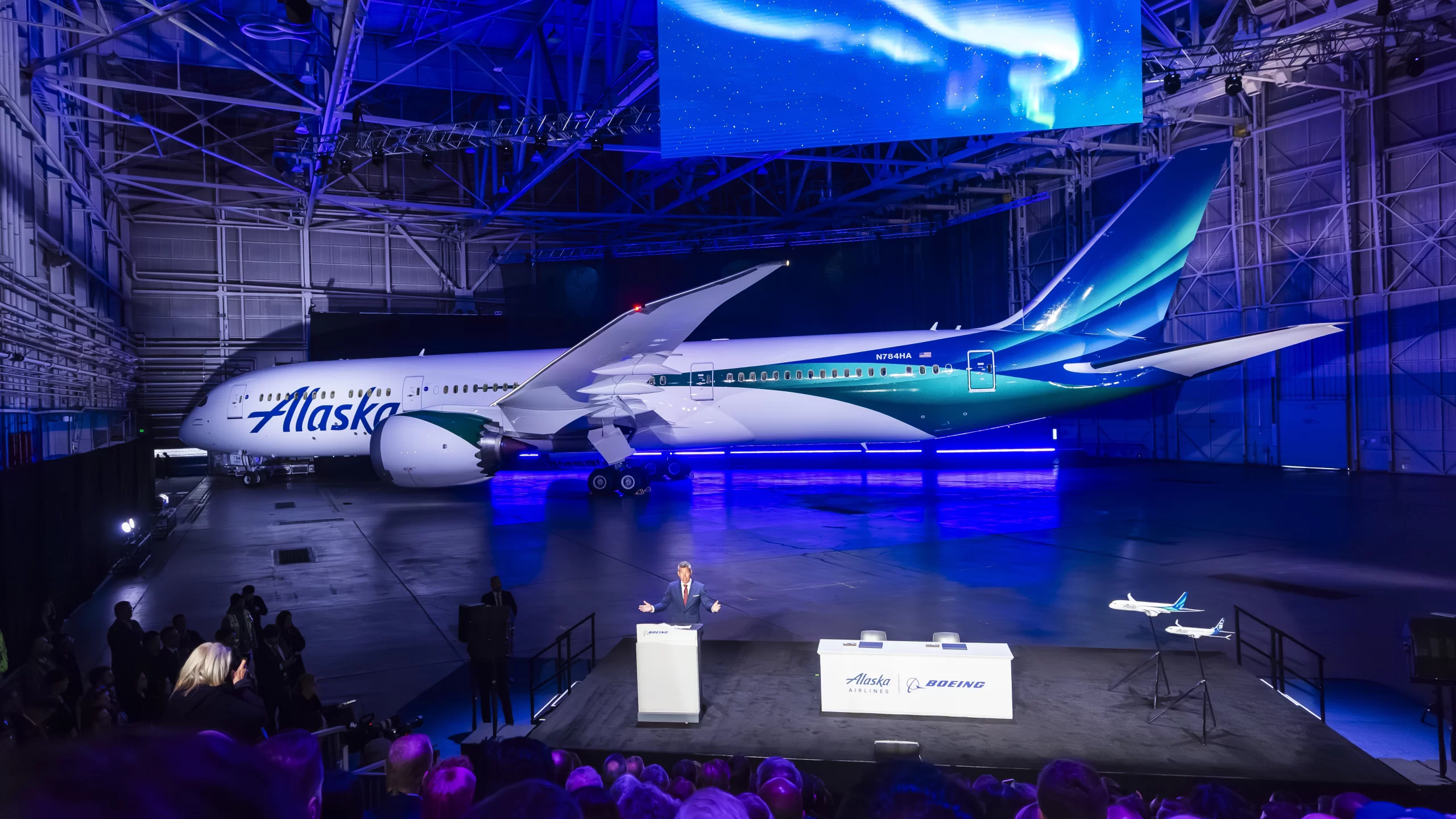
Photo: Alaska Airlines

A Pattern of Enforcement Across Major U.S. Carriers

The proposed fine against Alaska Airlines does not exist in isolation. The FAA has pursued alcohol and drug-related enforcement actions against several major U.S. carriers in the preceding weeks, a pattern that aviation analysts have described as a deliberate compliance crackdown.

In April 2026, the FAA proposed a $304,272 civil penalty against Southwest Airlines (WN) for failing to conduct all required follow-up drug and alcohol testing for 11 employees — including pilots, flight attendants, and aircraft mechanics — who had previously tested positive for substances including alcohol, marijuana, cocaine, and amphetamines. The violations at Southwest spanned the period from August 2021 to July 2024.

Just days later, on April 8, 2026, the FAA proposed a $255,000 civil penalty against American Airlines (AA), alleging that the Fort Worth-based carrier allowed 12 flight attendants who had tested positive for drugs or alcohol — including amphetamines, cocaine, marijuana, and methamphetamine — to resume safety-sensitive duties between May 2019 and December 2023 without completing required follow-up testing. The Hill reported that the FAA said it will continue audits to ensure airlines comply precisely with testing protocols.

The distinction between the Alaska Airlines case and those involving American and Southwest is meaningful. The cases against American and Southwest concern the drug and alcohol testing protocols applied to airline employees — a requirement under 14 CFR Part 120 mandating random testing of safety-sensitive workers and rigorous follow-up when positive results occur.

The Alaska Airlines enforcement action, by contrast, targets the airline’s duty to screen passengers before boarding — a separate regulatory obligation governed by a different subsection of the FAR. Both categories of violation carry material safety implications, but they involve distinct points of failure in airline operations.

Avelo Airlines (XP) also faced a $65,000 FAA civil penalty for failing to include 10 flight attendants in its drug and alcohol testing pool during various periods between April 2024 and November 2024, further confirming that the FAA’s enforcement focus is not limited to the largest carriers.

Photo: Alaska Airlines

Alaska Airlines Under the FAA’s Microscope

The proposed fine arrives at a moment when Alaska Airlines has already been navigating significant regulatory attention. On January 5, 2024, a door plug blew out of Alaska Airlines Flight 1282, a Boeing (BA) 737 MAX 9 operating from Portland International Airport (PDX). The NTSB’s final report, issued in June 2025, concluded that the probable cause was Boeing’s failure to provide adequate training, guidance, and oversight to its manufacturing workers, after four critical bolts securing the mid-exit door plug were removed to fix damaged rivets but were never re-installed or documented in Boeing’s tracking system. The NTSB praised Alaska Airlines’ flight crew for their response, with Board Chair Jennifer Homendy describing their actions as “heroic“.

Despite the NTSB’s attribution of fault to Boeing, the incident prompted a sweeping intensification of FAA oversight across the aviation supply chain — an environment in which the regulator has since demonstrated a pronounced willingness to propose formal enforcement actions wherever compliance gaps are identified.

The FAA fundamentally changed how it oversees Boeing in the aftermath, and that posture of heightened vigilance has extended to operational practices across all carriers. Alaska Airlines’ transparent cooperation with the FAA’s audit of its intoxicated-passenger policies — a process its statement confirms began before the formal enforcement notice — suggests the carrier has internalised the value of proactive regulatory engagement.

Simple Flying’s reporting on the door plug incident notes that the ejection triggered a chain of financial, operational, and legal consequences that reshaped the airline’s relationship with Boeing and its approach to safety oversight. Against that backdrop, the proposed $165,000 fine — though modest in financial terms for an airline of Alaska’s scale — represents a further reputational complication at a sensitive moment.

Photo: Alaska Airlines

The Wider Problem of Drunk Passengers Remain a Persistent Aviation Safety Concern

The airport drinking environment makes this compliance challenge structurally difficult for airlines to manage consistently. Terminals contain bars, restaurants, and duty-free outlets that operate largely independently of airline control, and passengers frequently arrive at boarding gates having consumed alcohol before the airline’s staff has had any interaction with them.

We reported that Ryanair CEO Michael O’Leary’s demand for a ban on early-morning airport alcohol sales illustrates the financial and operational cost that intoxicated passengers impose on carriers. A single diversion caused by a violently intoxicated passenger on a Ryanair flight from Dublin Airport (DUB) to Lanzarote Airport (ACE) in April 2024, which forced the aircraft to land at Porto Airport (OPO), stranded 160 passengers and six crew overnight.

Ryanair subsequently filed legal proceedings seeking €15,000 in damages from the responsible passenger. Avio Space’s report notes that diversion costs typically range from £10,000 to £80,000 depending on aircraft size and diversion destination — costs entirely absent from the FAA’s per-incident fine calculations.

The regulatory framework creates an inherent enforcement tension. Aviation Week’s analysis of the legal obligations under 14 CFR § 91.17 and § 121.575 notes that the pilot-in-command bears ultimate responsibility for not carrying a visibly intoxicated passenger, but that the regulation does not require the PIC to independently assess whether the passenger’s condition compromises flight safety — the standard is purely observational.

Past aviation accidents have demonstrated that intoxicated passengers represent genuine risks beyond the behavioural disruption most commonly associated with in-cabin incidents. Floatplane accidents linked to intoxicated passengers interfering with controls illustrate the outer boundary of that risk spectrum.

The FAA’s own data shows that since January 2021, it received nearly 300 reports of passenger disturbances attributable to alcohol and intoxication — a figure that is almost certainly an undercount given reporting thresholds and the reluctance of some carriers to document minor incidents formally.

The regulator’s Zero Tolerance campaign, launched in 2021, achieved a measurable decline in unruly passenger incidents, but the prevalence of alcohol-related reports in subsequent years indicates the problem remains structurally embedded in commercial aviation operations.

Photo: Alaska Airlines

What Happens Next

Under FAA enforcement procedure, Alaska Airlines has 30 days from receipt of the enforcement letter to respond formally to the agency. The airline may contest the proposed penalty, negotiate a reduced settlement, or accept the fine as proposed. Given Alaska’s public acknowledgement that it has already enacted remedial measures and its stated confidence in the compliance changes implemented over the past year, a negotiated resolution appears more probable than a protracted legal challenge.

The FAA retains discretion to adjust the proposed penalty upward or downward based on the airline’s response, its demonstrated remediation efforts, and the severity of the underlying incidents. Neither the agency nor Alaska Airlines has disclosed the specific flights, aircraft types, or stations involved, making an independent assessment of proportionality difficult.

For Alaska Airlines, the immediate financial exposure of $165,000 is not material for a carrier operating at its scale. The more consequential implication is reputational and regulatory: any enforcement action that attracts FAA scrutiny at the passenger-operations level invites broader audit attention. Airlines that cooperate fully and demonstrate credible remediation — as Alaska’s statement suggests it has done — typically fare better in final penalty determinations than those that contest the facts.
Leave a Comment

Your email address will not be published. Required fields are marked *

Scroll to Top