Air India (AI) is preparing a significant recalibration of its network as it confronts mounting financial and operational headwinds – factors that have already led to the exit of its CEO, Campbell Wilson – including elevated jet fuel prices and efficiency constraints. The Tata Group–led carrier is evaluating a 15–20% reduction in flight operations amid intensifying cost pressures in FY26. In India neighboring country, Nepal, for example, carriers have reduced flights by as much as 40% and said that “survival mode” of airlines is on.
Industry sources such as The Hindu Business Line indicate that Air India Group may implement a broader 10–15% capacity cut across its combined operations, while the standalone airline could see a more aggressive rationalization. The development comes after the carrier reportedly posted a loss of around ₹20,000 crore (approximately $2.4 billion) in FY26.
_@_DXB,_June_2019.jpg)
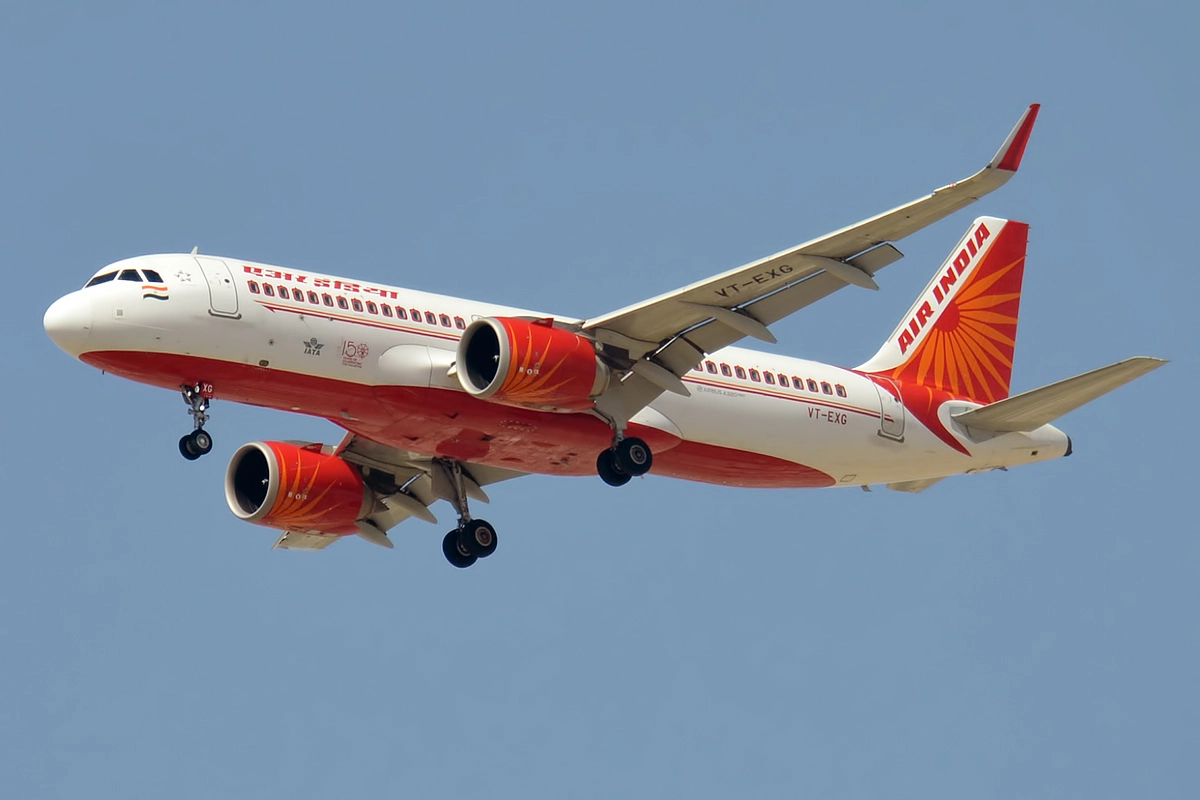
Air India is Optimizing Its Network
Air India has not issued an official response to queries regarding the reported schedule review, despite repeated outreach from industry observers. The proposed adjustments are being internally positioned as a network optimization exercise rather than a structural retreat from expansion ambitions.
Sources familiar with the matter suggest that the airline is reassessing capacity deployment across its domestic and international network, which currently exceeds 700 daily flights within a group operation of roughly 1,100 daily services. The planned reductions could therefore impact more than 100 flights per day.
The airline is expected to finalize its decision during an upcoming board meeting scheduled for early May, which may determine the scale and timing of implementation.
.jpg)
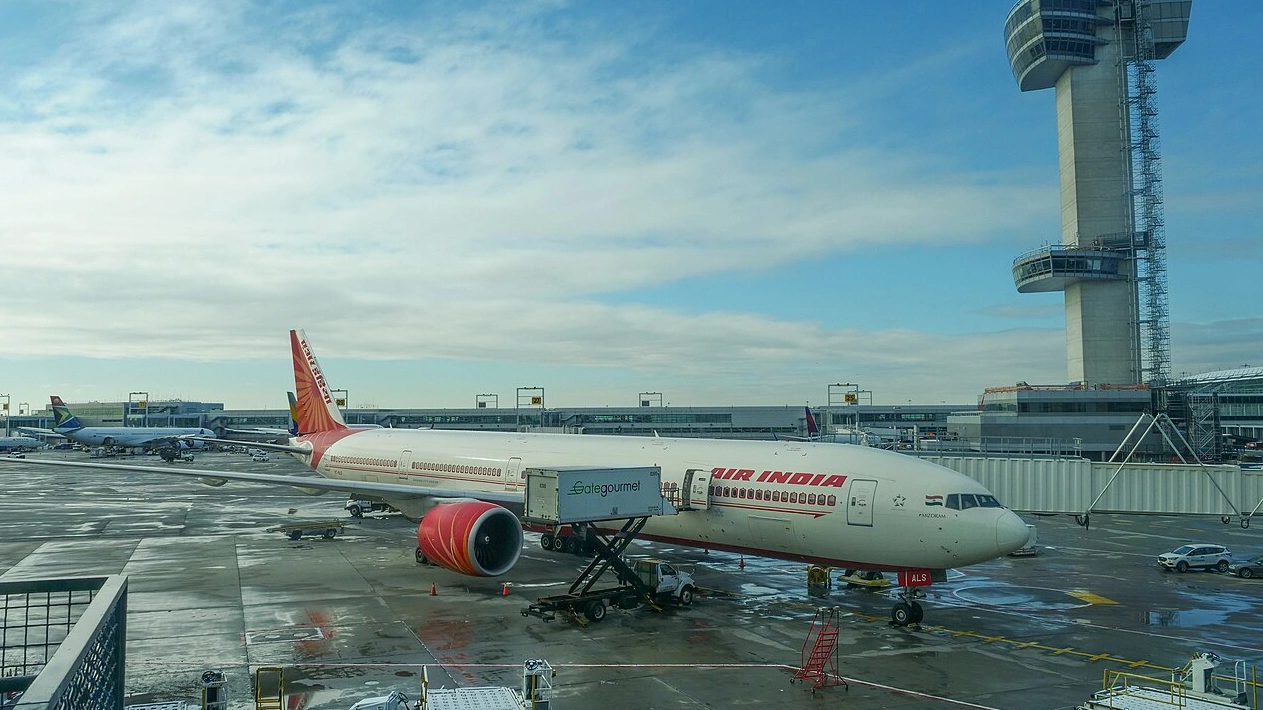
Effects on Air India’s International Routes
The proposed capacity cuts are expected to disproportionately affect international services, particularly long-haul routes to Europe and North America. Note that Air India already serves one of the longest flights on the Airbus A350s. These sectors have become increasingly cost-intensive due to extended flying times (AI’s A350 services between Delhi and New York span 17 hours 20 minutes) and elevated operational complexity.
An industry executive familiar with the developments was quoted by The Hindu Business Line as having said, “Aircraft are spending more time in the air for the same route, which directly affects utilisation and network efficiency.”
NDTV posits that the international routes are likely to take a hit:
International services are likely to see the deepest cuts, sources told the publication, as rising fuel costs, longer flying times, and higher crew expenses have squeezed route profitability and aircraft utilisation on overseas sectors.
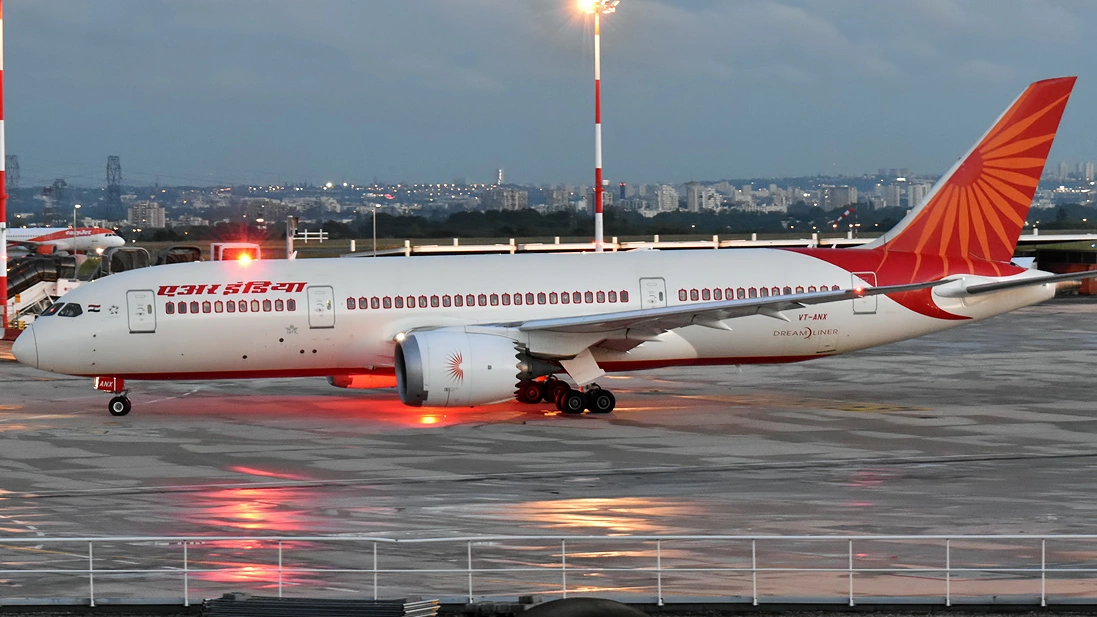
Air India recently unlocked partnership with JetBlue in over 30 routes, and has opened a new Maharaja lounge in San Franciso Airport (SFO). It will be interesting to note how such services offered by Air India is likely to be affected as a result.
.jpg)
India and The World, in Large, is Affected by Fuel Costs
Aviation turbine fuel (ATF) prices remain a central pressure point for Air India’s cost structure, as fuel continues to represent one of the largest expenditure components for global carriers. Sustained price volatility has accelerated internal reviews of frequency and capacity deployment. Air India’s biggest rival, Indigo (6E) increased surcharges on some routes by as much as $100. In the neighboring country of Nepal, jet fuel prices have already doubled.
Industry analysts note that operational inefficiencies, combined with rising fuel costs, are prompting airlines to optimize utilization rather than pursue aggressive expansion. In Korea, for instance, some budget carriers have already cut select routes to the middle east. Airspace-related disruptions have further compounded these challenges by reducing aircraft turnaround efficiency.
While domestic services may also witness selective schedule adjustments, the sharper impact is expected on international routes where economics remain more fragile. Observers suggest that similar capacity rationalisation strategies could emerge across other carriers if cost pressures persist.