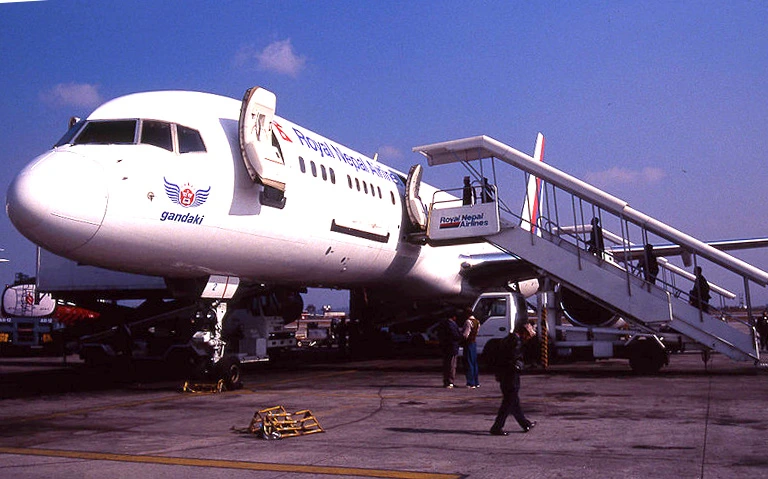
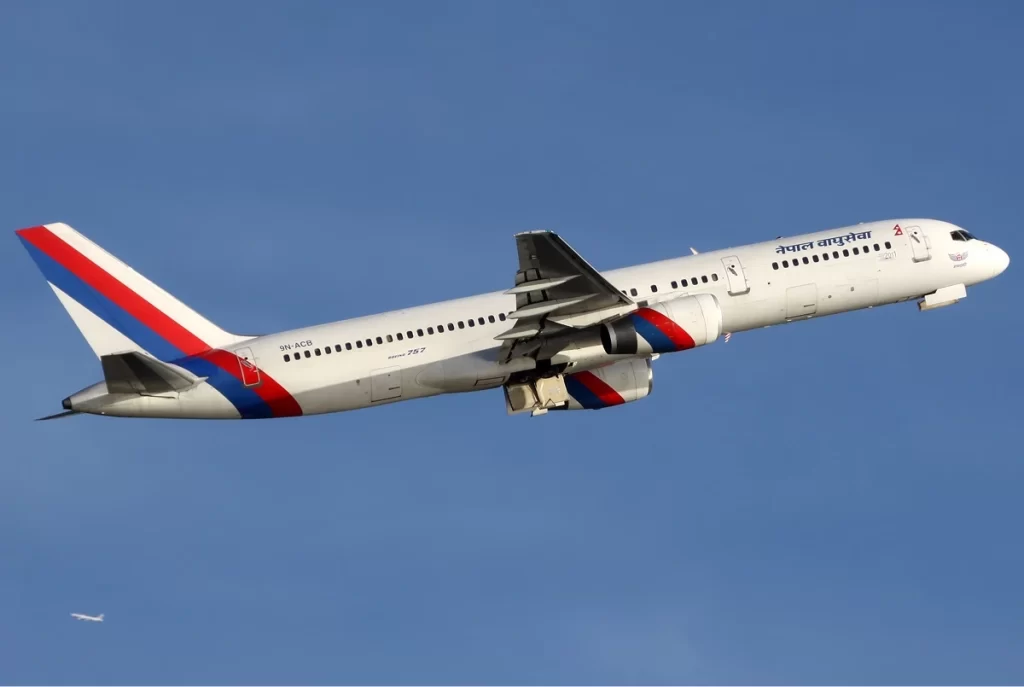
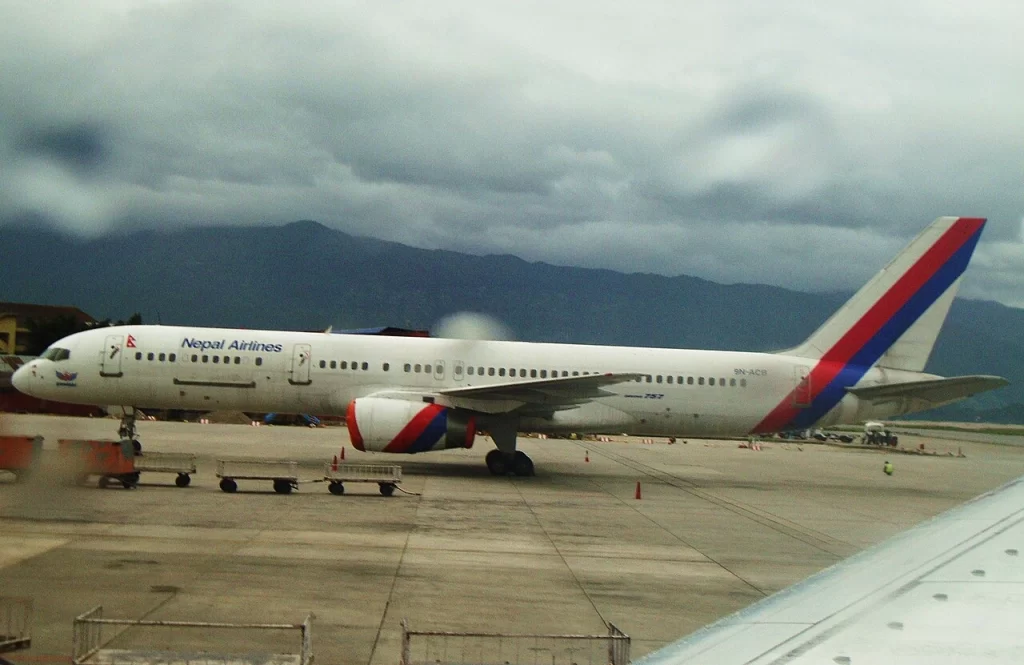
In October 1998, Nepal Airlines Corporation, which was then called Royal Nepal Airlines Corporation (RNAC) transferred $783,750 to a credible US lessor, Chase Air, to lease a Boeing 757 amid peak tourist demand. The deal was executed under severe operational pressure but critical failures in procurement oversight meant that the aircraft never arrived.
There was subsequent legal action in the United States that secured partial fund recovery and a criminal conviction, but the story of Nepal Airlines failing to procure a 757 despite having paid more than three-quarters of a million dollar to Chase Air revealed systematic failures in transparency in the Nepalese flag carrier- a culture that has trickled to the present day, where recently we saw the biggest airline scam in Nepal’s history – the Airbus A330 widebody scandal.
In this article, we’ll take a look at this infamous case of the Chase Air Scandal that defrauded Nepal’s flag carrier.
RNAC Boeing 757 Lease Deal and Urgent Fleet Shortage
The year was 1998 – the Visit Nepal year. The nation was looking to draw millions of tourists*. Only a year prior, the country had seen 420,000 tourists. In order to get higher number of tourists into the nation, RNAC had to do all the heavy lifting,
However, RNAC faced an immediate capacity gap as the lease of its 727 had expired just before the tourism high season. Management sought a quick replacement to sustain international routes. And this resulted in the airline signed a lease agreement with Chase Air on October 17, 1998. Within days, RNAC wired the advance payment to a New York account, bypassing competitive bidding and comprehensive due diligence. However, this would only lead to a greater problem.
*
| Metric | 1998 | 1999 |
|---|---|---|
| Tourist Arrivals | 463,684 | 491,504 |
| Foreign Exchange Earnings (US$ million) | 152.5 | 168.1 |
Data: nssd.net
Chase Air Company Profile and Fraudulent Setup
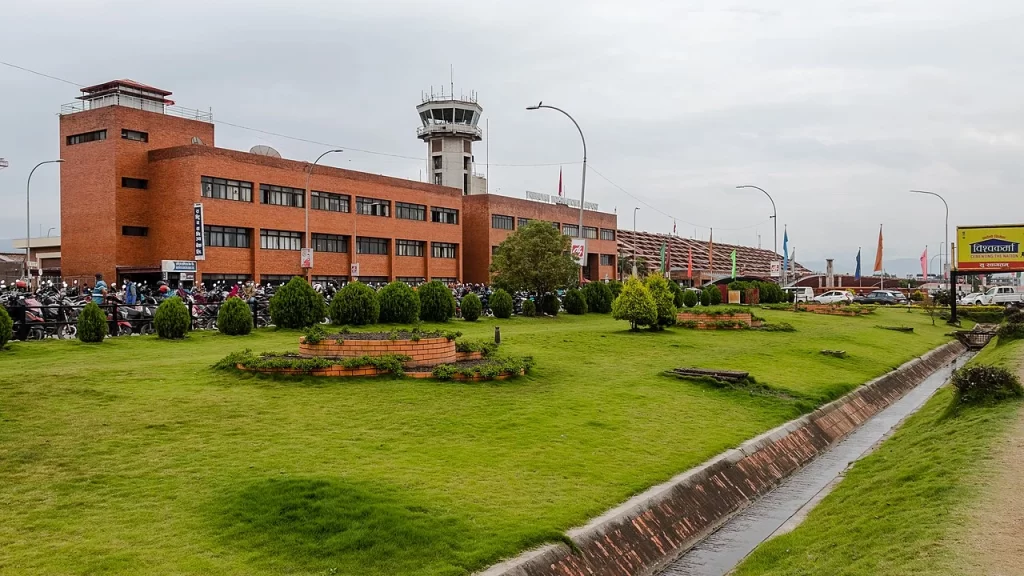
Chase Air was a shell entity with no aircraft, employees, or verifiable financial base. It operated from a small office in Arlington, Texas, controlled solely by Cecil Winters.
The firm relied on fabricated credentials, including a basic website and falsified claims of aircraft availability. Its structure enabled rapid engagement in high-value deals without regulatory scrutiny, Nepal News reported:
“After the 1998 scam involving Royal Nepal Airlines, Chase Air ceased all activity and effectively dissolved without any formal ongoing operations. As of 2026, the company has no current status, assets, or presence in the aviation sector; it exists only as a historical footnote in fraud cases. No records indicate revival or legitimate successor entities, and Winters’ later low-profile activities (if any) were unrelated to aviation leasing.”
Chase’s Forged FAA Records and Execution of Wire Fraud with Nepal Airlines
Only three days after signing the lease agreement, RNAC transferred $783,750 to Chase Air for the 757. However, Winters immediately fragmented the funds across multiple US accounts.
A substantial portion moved to accounts linked to associates, while the rest dissipated through layered transfers. Only a minimal amount remained frozen due to a technical error.

The fraud relied on altered Federal Aviation Administration (FAA) registration documents that falsely listed Chase Air as the aircraft owner. Winters also fabricated an air-carrier certificate to simulate operational legitimacy.
These forged records initially evaded detection due to limited verification mechanisms at the time. US forensic analysis later confirmed deliberate tampering.
Nepal Airlines’ Pilots Don’t Find a Plane at Frankfurt
RNAC pilots dispatched to Frankfurt to receive their 757 but couldn’t find the aircraft as agreed upon with Winters. Efforts to obtain clarity from Winters proved futile as he repeatedly deflected inquiries, citing vague “technical issues” in Ireland, while failing to produce the required bank guarantee. Instead, he forwarded questionable fax confirmations that were directed solely to the airline and not to any financial institution.
When RNAC reached out to the actual owner of the aircraft in Florida, it emerged that the individual had no knowledge of the airline and was expecting payment from an entirely different party. Around the same time, broker Zahir Hussain traveled to New York to assess the situation, and parallel efforts to trace the wire transfers confirmed that the funds had already been redirected.
RNAC’s senior leadership seeked legal counsel in New York. Among those consulted was Nepali-American attorney Khagendra Gharti Kshetry, as the airline attempted to verify the legitimacy of the transaction.
US Legal Action and Conviction of Cecil Winters
RNAC filed a civil case in New York, securing a court order to freeze remaining funds. The FBI launched a parallel investigation, tracing transactions across multiple states. Authorities arrested Winters in December 1998. A federal court later convicted him of wire fraud, sentencing him to 24 months’ imprisonment and ordering financial restitution.
Private investigators including former officer Dedy Stonley was at the helm of the investiagtion, while FBI New York office led by Special Agent Carla L. Holmes carried out the criminal probe. The following table gives us a glimpse into the outcome of the court case.
| Category | Details |
|---|---|
| Court | Southern District Court, New York |
| Judgment Date | January 15, 1999 |
| Defendant Response | No defense presented by Winters |
| Principal Amount | $783,750 |
| Interest Awarded | $416,655 |
| Legal Fees | $495,000 |
| Total Judgment | Approximately $1.695 million |
| Enforcement Period | 20 years (renewable) |
| Frozen Funds Recovered | Approximately $431,300 |
| Fund Transfer | Wired to RNAC’s New York bank account |
| Impact | Immediate financial relief and support for criminal proceedings |
| Long-term Implication | Enables future asset seizure if assets are acquired later |
Governance Failures and Political Oversight Concerns
The deal occurred during the administration of Girija Prasad Koirala, with aviation oversight under Tourism Minister Yam Lal Kandel.
Domestic investigations examined RNAC leadership, particularly executive director Hong Kong Rana. Although initially convicted by the Special Court, Nepal’s Supreme Court later acquitted him in 2009, citing insufficient evidence of criminal intent.
The scandal exposed structural deficiencies in RNAC’s procurement processes, including lack of transparency and political influence. Analysts later identified the incident as part of a broader pattern of governance challenges within state-owned enterprises, rather than an isolated operational failure.
Following the incident, authorities emphasized stricter due diligence in aircraft leasing. Recommended measures included:
- independent verification of lessors
- escrow-based payment systems.
The following table details the punishment meted out to Cecil Winters:
| Category | Details |
|---|---|
| Arrest Date | December 1998 |
| Arrest Location | Florida (at a boat show) |
| Arrest Basis | FBI tracking of cell phone |
| Charges | Wire fraud under US federal law |
| Nature of Offense | Use of interstate communications (calls, faxes, wire transfers) to execute fraud |
| Trial Court | Southern District of New York |
| Presiding Judge | Michael Mukasey |
| Verdict Date | November 15, 1999 |
| Verdict | Guilty |
| Sentence | 24 months imprisonment |
| Supervised Release | 3 years |
| Restitution Ordered | $440,339 |
| Repayment Terms | Monthly payments of $4,000–$10,000 |
| Pre-trial Detention | Nearly 1 year at Metropolitan Correctional Center, Manhattan |
| Bail Status | Denied due to flight risk and lack of community ties |
| Post-sentencing Facility | Transferred to federal prison in Florida |



.jpg)


