An Air Canada (AC) flight veered off the runway shortly after landing at Montréal–Trudeau International Airport (YUL) on Thursday, July 9, 2026. Flight AC774, arriving from Los Angeles International Airport, touched down normally around 4 p.m. local time before departing the paved surface and coming to a stop in the grass. Air Canada confirmed that no injuries occurred among the 156 passengers and six crew members on board.
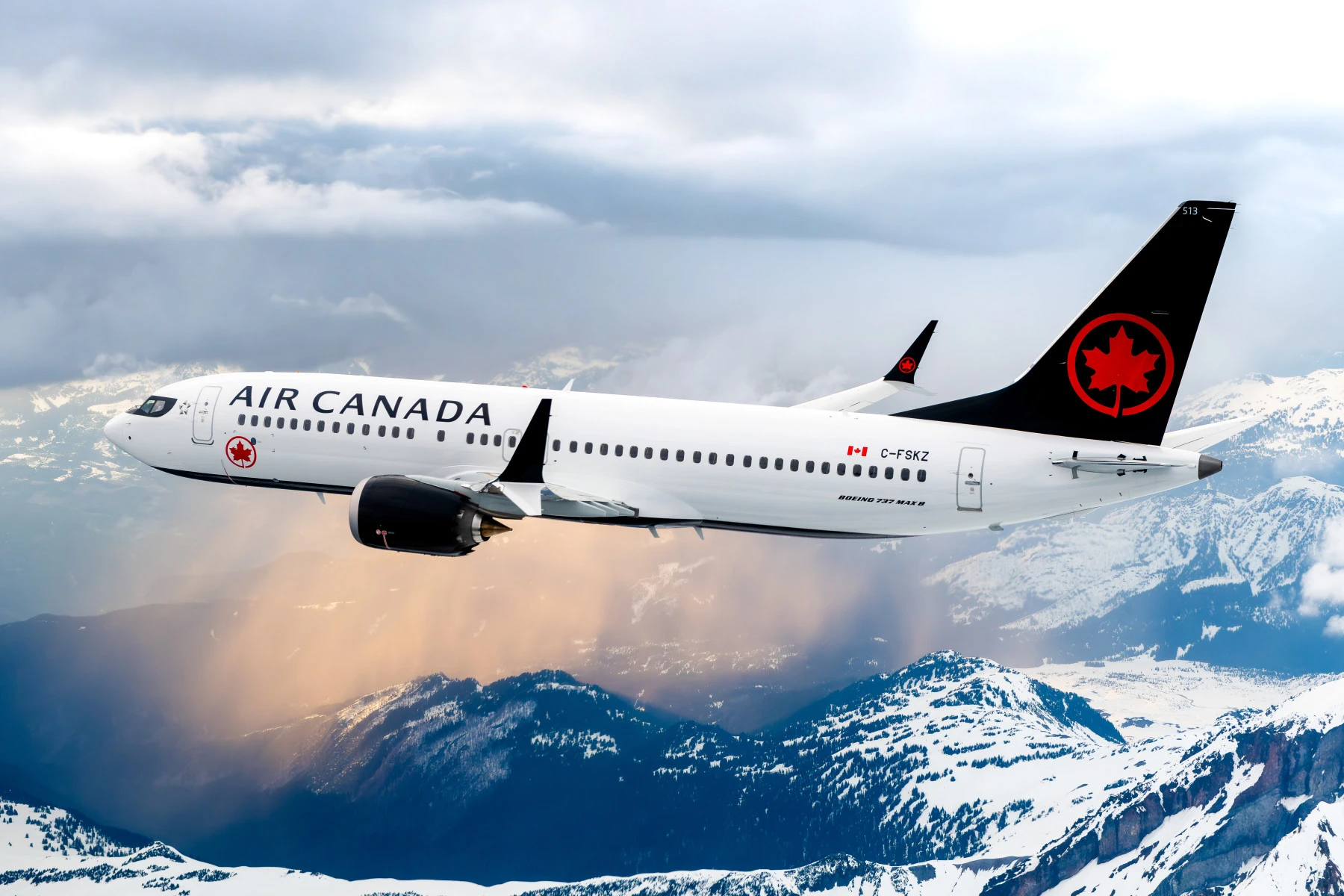
The aircraft, a Boeing 737 MAX, exited near the taxiway after leaving the main runway. Montréal–Trudeau closed its north runway as a precaution while emergency crews confirmed the safe evacuation of everyone on board. The Transportation Safety Board of Canada (TSB) has since opened a formal investigation into the cause of the excursion.
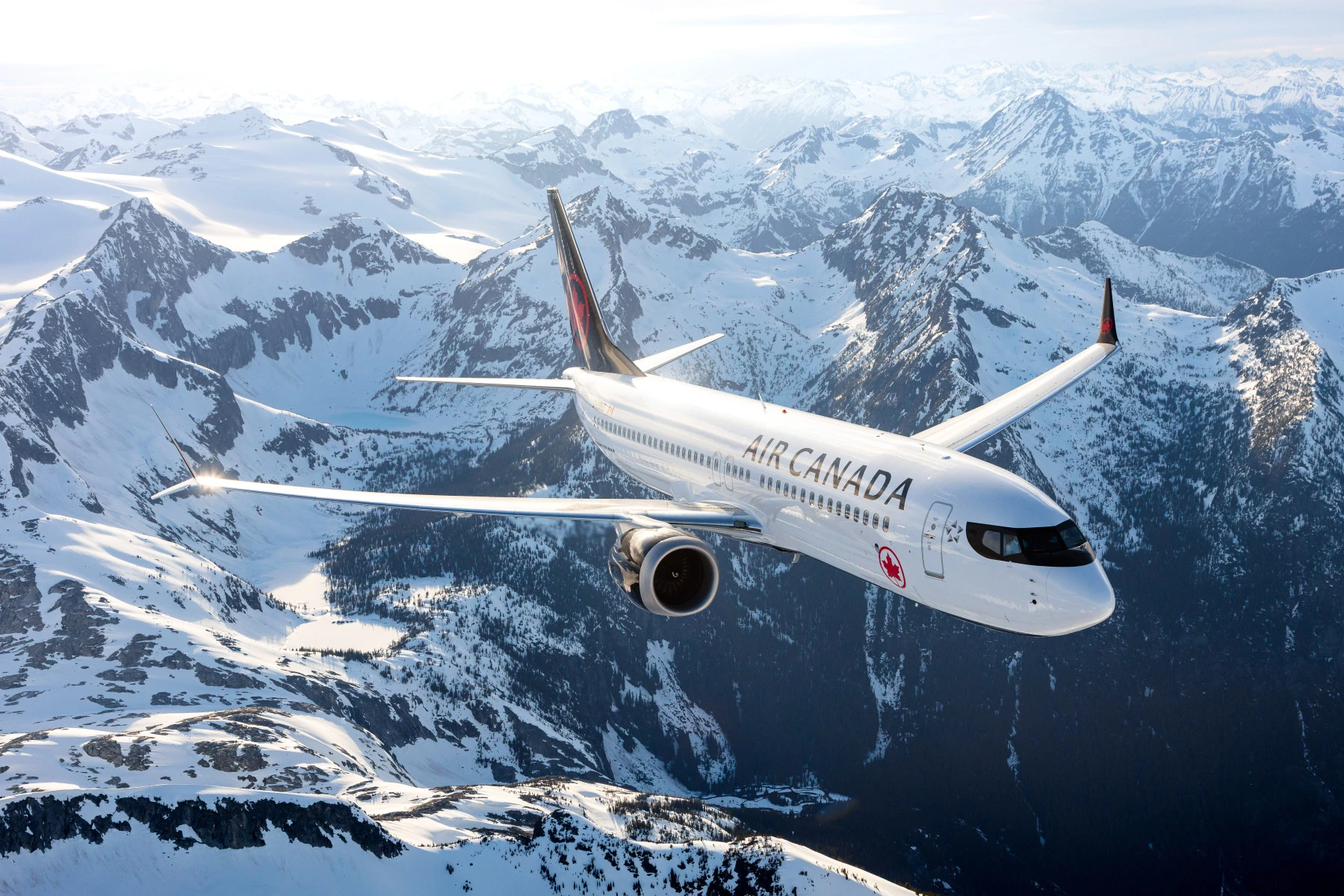
What Happened When Flight AC774 Left the Runway at Montréal–Trudeau
Air Canada said Flight AC774 landed normally before the incident occurred. In a statement to CTV News, the airline explained that the aircraft sustained a runway excursion and travelled through the grass after exiting the main runway. The plane came to rest in the grass area beside the paved surface, and it did not strike any structures or other aircraft.
Radio-Canada photographer Hugo Therrien captured the aircraft resting in the grass shortly after the incident, an image later published by CBC News. Passengers described heavy rain at the time of landing, though officials have not confirmed weather as a contributing factor. The TSB investigation will determine the exact cause once its team completes an on-site review.
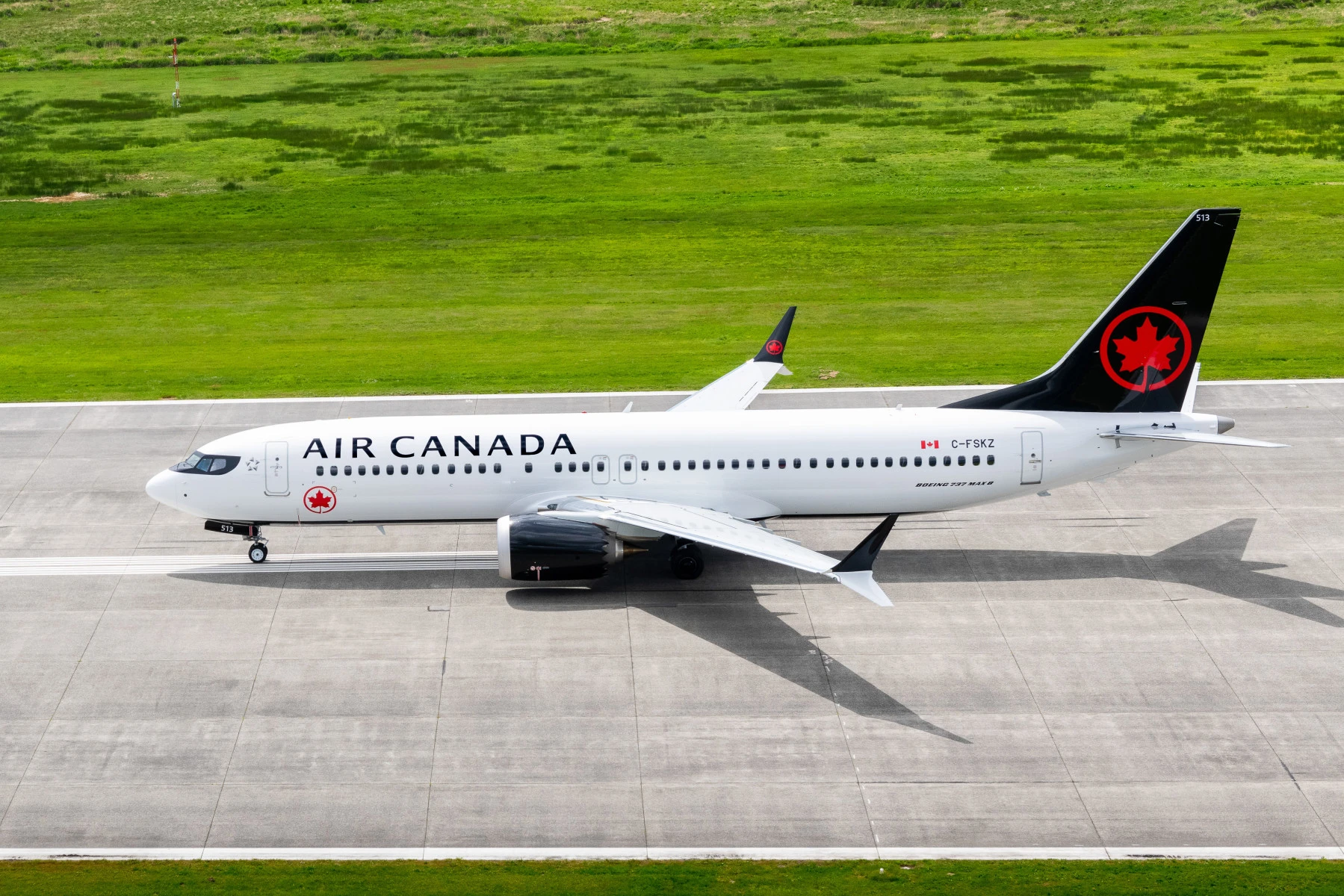
How Air Canada and Airport Officials Responded to the Incident
Air Canada moved quickly to manage the response on the ground. The airline said passengers and crew were deplaned and transported to the terminal using buses, since the aircraft could not taxi to a gate after leaving the paved surface. By 7:37 p.m., roughly three and a half hours after the landing, Air Canada confirmed on social media that everyone had reached the terminal safely.
Montréal–Trudeau officials activated the airport’s emergency coordination centre and closed the north runway, one of the airport’s two runways, for several hours. A spokesperson for the airport said the closure caused delays of around 30 minutes for domestic and international flights, while flights bound for the United States faced longer delays of 45 minutes to an hour. No flights were cancelled because of the incident, and the runway reopened just before 10 p.m.
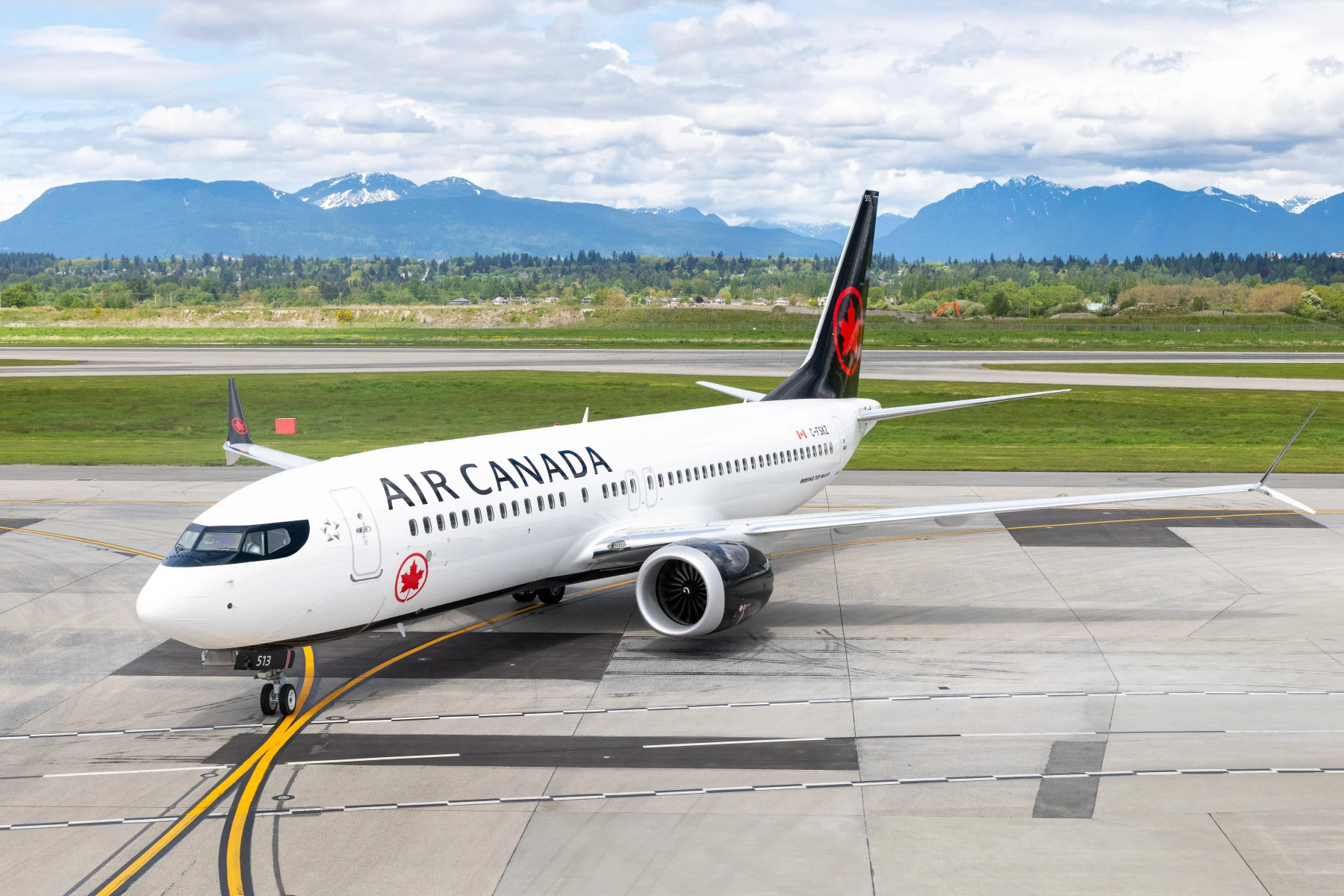
Nav Canada, the non-profit organization that manages the country’s civil air navigation system, also stepped in during the disruption. The agency confirmed it applied traffic management measures at the airport, including a temporary ground stop followed by flow restrictions, to keep arriving and departing aircraft safely spaced while the runway remained closed. Airport officials advised travelers to check their flight status before heading to Montréal–Trudeau that evening.
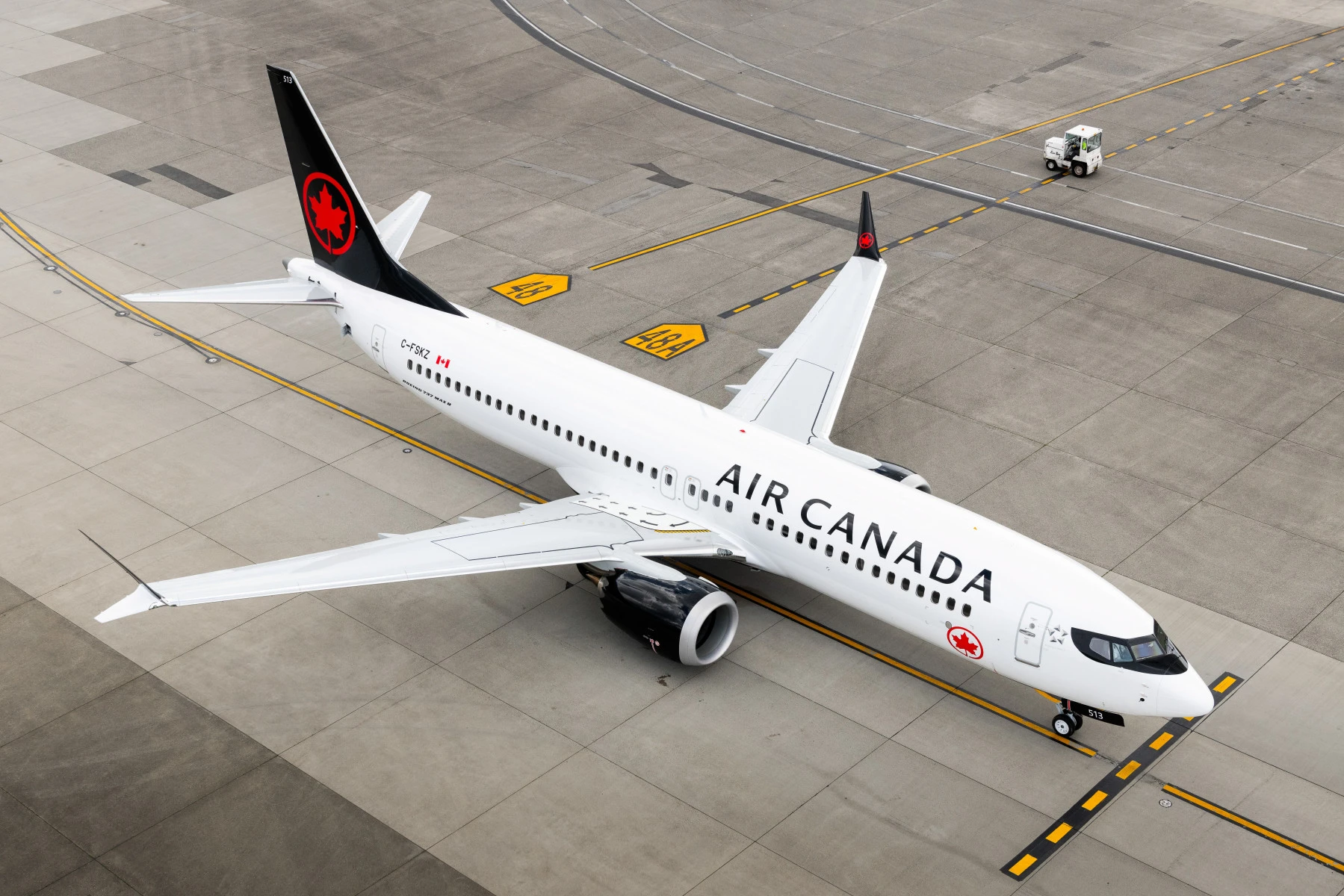
Passengers Describe Smoke and Confusion During the Landing
Passenger Edelston Peterson told CBC News that heavy rain was falling as the aircraft touched down, and she sensed something had gone wrong the moment the wheels hit the runway. She said the cabin filled with the smell of smoke almost immediately, followed by the sensation of the plane leaving the pavement and moving across the grass.
Peterson said smoke and dirt outside her window blocked her view entirely during the moments after the aircraft left the runway. She described those minutes as frightening for everyone on board, adding that passengers feared the situation could escalate further. In her words, we didn’t know if it was going to blow up.
According to Peterson, she and other passengers remained on the aircraft for close to three hours before ground crews could safely bring them off the plane and onto buses. Despite the delay, she praised the flight attendants for how they managed the situation, calling their handling of the aftermath a “class act.” Her account lines up with Air Canada’s own statement that no injuries occurred, even though the excursion left passengers shaken.
Transportation Safety Board of Canada Opens a Formal Investigation
The Transportation Safety Board of Canada confirmed it dispatched a team of investigators to Montréal–Trudeau on the evening of the incident. A spokesperson told CTV News that investigators had deployed to the scene to gather information and assess the accident. That process typically includes examining the runway surface, reviewing flight data and cockpit voice recordings, and interviewing the flight crew.
Runway excursion investigations generally follow a consistent pattern once investigators reach the scene. The TSB typically reviews several sources of evidence before drawing conclusions:
- Flight data recorder and cockpit voice recorder readouts covering the final minutes of the approach and landing.
- Physical evidence from the runway and grass area, including tire marks and any debris left by the aircraft.
- Weather observations from the time of landing, since rain and crosswinds can affect braking performance.
- Interviews with the flight crew, cabin crew, and air traffic controllers on duty during the landing.
- Maintenance records for the aircraft, to rule out mechanical issues with brakes, steering, or landing gear.
