Germany’s Federal Bureau of Aircraft Accident Investigation (BFU) has traced the June 4, 2026, nose gear collapse of a Lufthansa (LH) Boeing 787-9 at Frankfurt Airport (FRA) to a landing gear downlock pin that was never inserted during a maintenance test, according to an interim report published July 9, 2026, Simple Flying reported. Ground and cabin crew were preparing the aircraft, registered D-ABPQ and named “Herne,” for flight LH450 to Los Angeles (LAX) when its nose gear folded at gate A15 shortly after 12:45 PM local time.
Investigators found the pin untouched in its designated storage box beneath the cockpit rather than fitted to the gear itself, where it should have stopped the nose wheel from retracting during a routine ground test. The report also revised the injury count upward from Lufthansa’s initial figures: two people suffered serious injuries and 21 sustained minor injuries, more than first disclosed on the day of the accident.
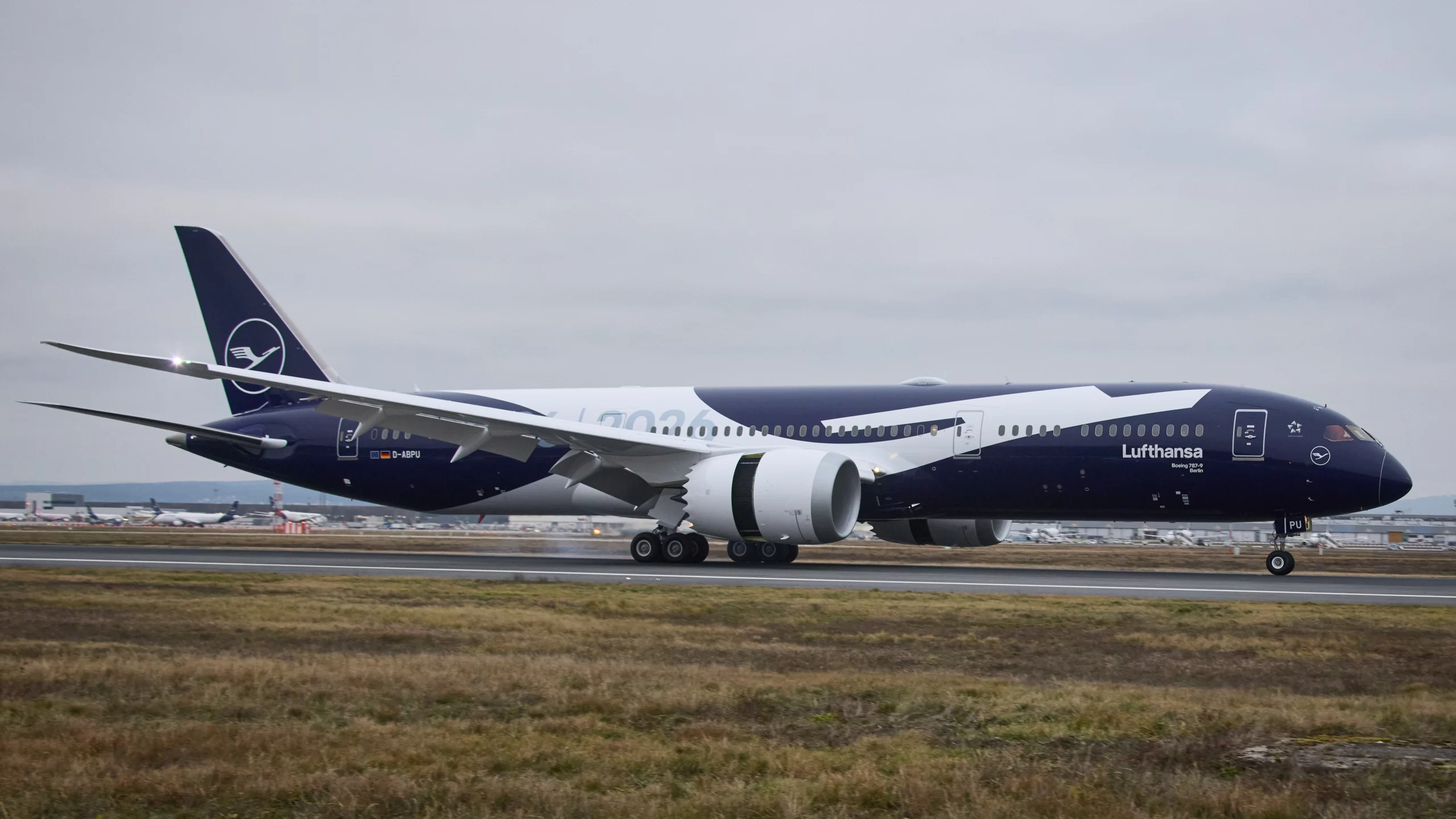
Missing Downlock Pin Behind the Frankfurt Collapse
The BFU documented that the nose landing gear downlock pin was not inserted into its designated hole and was not located anywhere near the nose gear itself. Investigators instead recovered it, complete with its red warning flag, inside the aircraft’s locking-pin storage box in the avionics compartment beneath the cockpit. Four other downlock pins — two for each main landing gear — had been correctly installed.
A maintenance discrepancy had been logged the evening before, after an error message flagged a fault in the main landing gear door control system. Technicians used the Boeing Fault Isolation Manual on a tablet to work through the fault the next day at the gate. That manual instructs engineers to fit downlock pins to all three landing gear before cycling the gear lever, specifically to prevent the gear from physically retracting during the test.
With the main gear pins fitted but the nose gear pin left in its box, two technicians in the cockpit moved the landing gear lever to the “up” position as part of the diagnostic procedure. The nose gear retracted immediately, and the aircraft’s nose struck the ground. The BFU says the 787’s landing gear system worked exactly as designed — the failure points to a maintenance lapse, not a mechanical defect in the aircraft.

What Happened at the Gate
The Dreamliner had landed at Frankfurt that morning following an overnight service from Austin (AUS) and was parked at gate A15 in Terminal 1 for its next departure to Los Angeles. No passengers had yet boarded when the gear collapsed. When the nose gear retracted, the forward fuselage and both engine nacelles struck the concrete apron, and the cockpit door reportedly slammed shut as the aircraft’s power and cabin lighting cut out.
Ground equipment near the nose was also damaged in the collapse, including a loading bridge docked against the forward cargo hold. Investigators say the aircraft, which weighs roughly 180 tonnes, dropped almost two metres onto its nose. Before the aircraft could be lifted for inspection, roughly 60,000 kilograms of fuel had to be drained.

Casualties and People Involved
The BFU’s figures on how many people were affected differ somewhat depending on the source. German aviation outlets citing the interim report directly put the number at 26 people in or around the aircraft — 13 crew members on board and 13 ground handling staff on the apron — with no passengers present. Other aggregators citing the same BFU bulletin have reported a higher total, in the low thirties, that appears to bundle in additional ground personnel and technicians present during the test.
What is consistent across every account is the injury toll: two people were taken to hospital with serious injuries, while 21 others were treated for minor injuries — a total of 23 casualties, notably higher than the handful Lufthansa first acknowledged on the day of the accident.

Aircraft Details and Timing
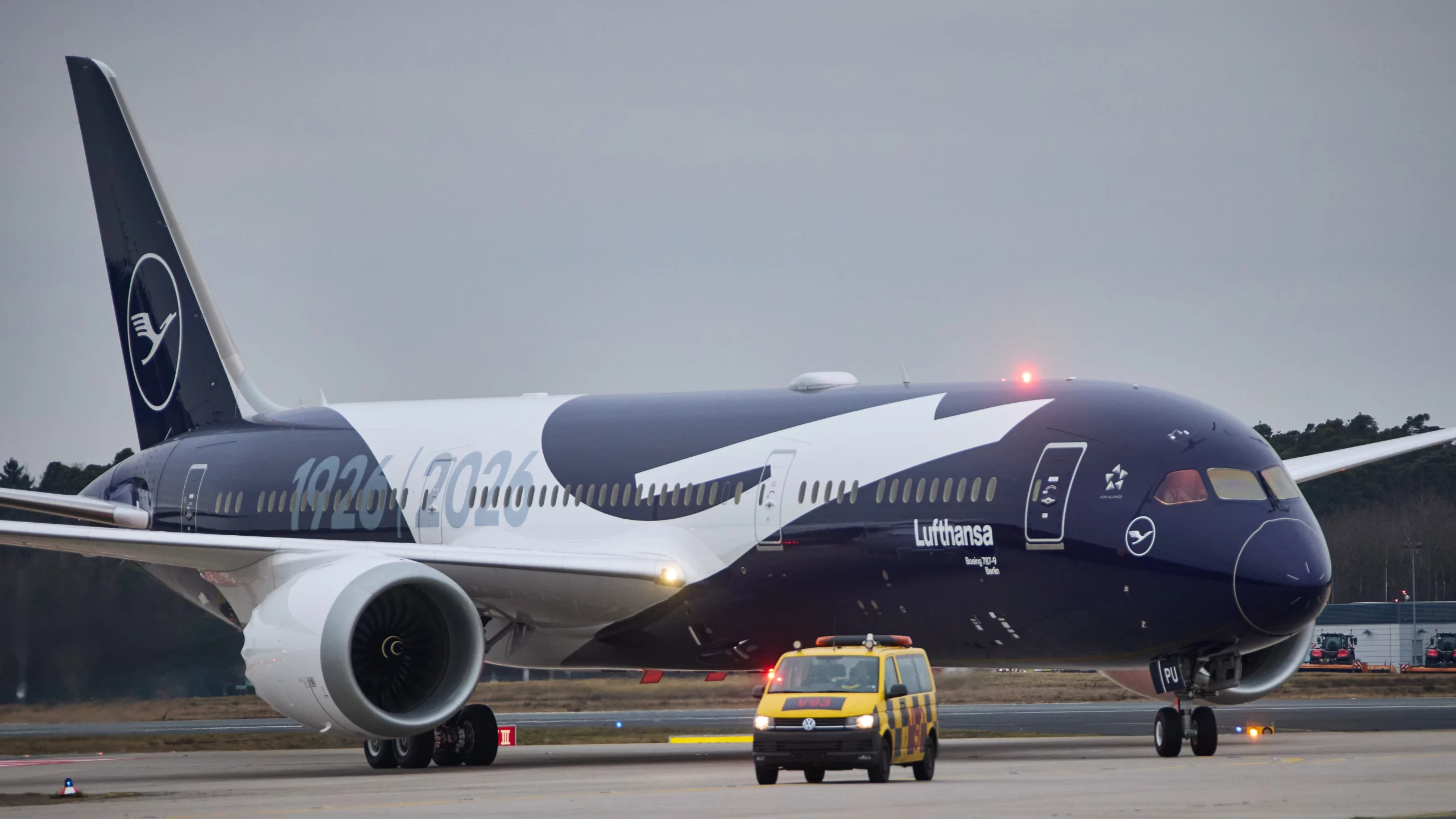
The Boeing 787-9, serial number 66827, was delivered to Lufthansa on January 17, 2026, and entered commercial service the following month. It had operated roughly 137 flights in just under four months of service and carries Lufthansa’s Allegris cabin interiors in a three-class configuration.
The aircraft is Lufthansa’s second jet to carry the name “Herne,” honouring the airline’s decades-long sponsorship link with the German city; the first, an Airbus A340-300, was retired from the fleet only weeks before “Herne” collapsed on its nose.
Lufthansa canceled the Los Angeles service and rebooked affected passengers onto a replacement flight. Because the 787’s fuselage is built largely from carbon fibre reinforced plastic rather than aluminium, analysts expect the aircraft could remain grounded for months while composite repairs and structural inspections are completed.

The Frankfurt accident closely resembles a nose gear collapse involving a British Airways (BA) Boeing 787-8, registered G-ZBJB, at London Heathrow (LHR) on June 18, 2021. Ground crews were preparing that aircraft for a cargo flight to Frankfurt when its nose gear retracted during a similar maintenance test. British Airways had not yet carried out that modification on G-ZBJB, and the aircraft was grounded for around five months for repairs, according to Travel And Tour World.
Next Steps in the Investigation
The BFU stresses that its interim report is a factual account of findings so far and does not assign a probable cause. Investigators will continue examining maintenance procedures, checklist compliance, and human factors before deciding whether to issue safety recommendations.
A full final report is expected roughly a year after the accident, potentially pushing publication into mid-2027 — in line with the BFU’s standard practice of releasing an interim or annual update around each anniversary of an accident when the final report is not ready within twelve months.

.jpg)

