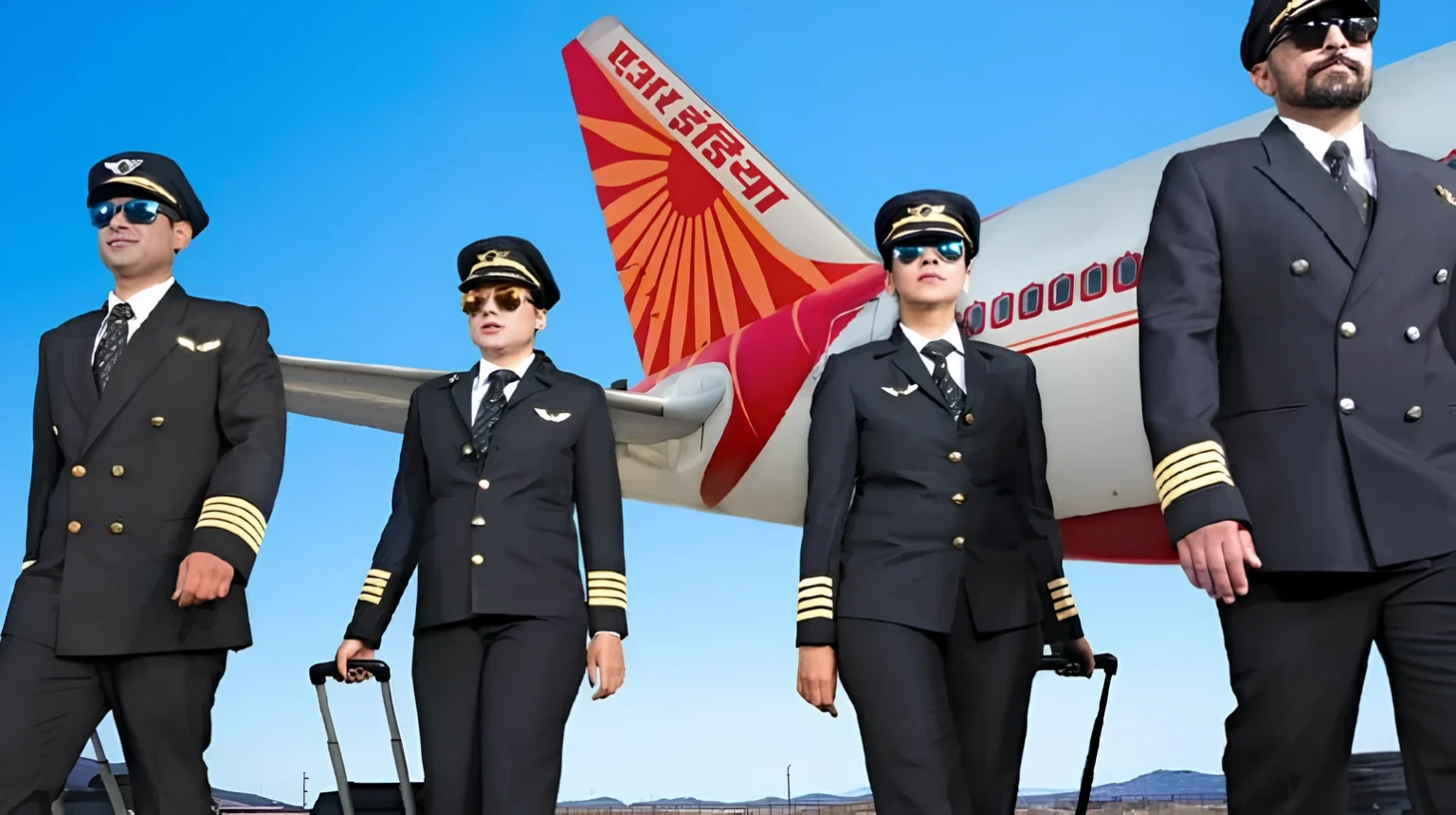
Air India will test every one of its pilots for banned substances, the airline confirmed in an internal memo this week. The Tata Group-owned carrier began mandatory screening on Thursday, August 13, 2026, days after the pilot flying a Phuket to Delhi service tested positive for marijuana following a mid-air turbulence event, according to a report by the BBC. Air India (AI) said the policy applies to pilots at the mainline carrier and its budget arm alike.
The screening goes beyond India’s existing rule, which only requires airlines to randomly test 10% of flight crew each year. Tests will run at the airline’s training academy, at briefing centres, at offices, and at locations near pilots’ home bases. Pilots at Air India Express, the group’s low-cost subsidiary, are being tested starting the same day.
Screening Now Covers Every Pilot in the Group
Air India told staff that the testing would screen for substances and medications banned under civil aviation regulations. The airline said its existing random checks were no longer enough given recent events.
“We nevertheless now feel that it is important to go further,” Air India said in the memo, adding that the wider programme was meant to uphold safety standards and reassure passengers and other stakeholders.
The tests are being carried out at several locations:
- The airline’s pilot training academy in Gurugram
- Briefing centres and administrative offices
- Sites designated near individual pilots’ home bases
Air India did not respond to requests for comment on the programme.
Turbulence On Flight AI2379 Triggered The Decision
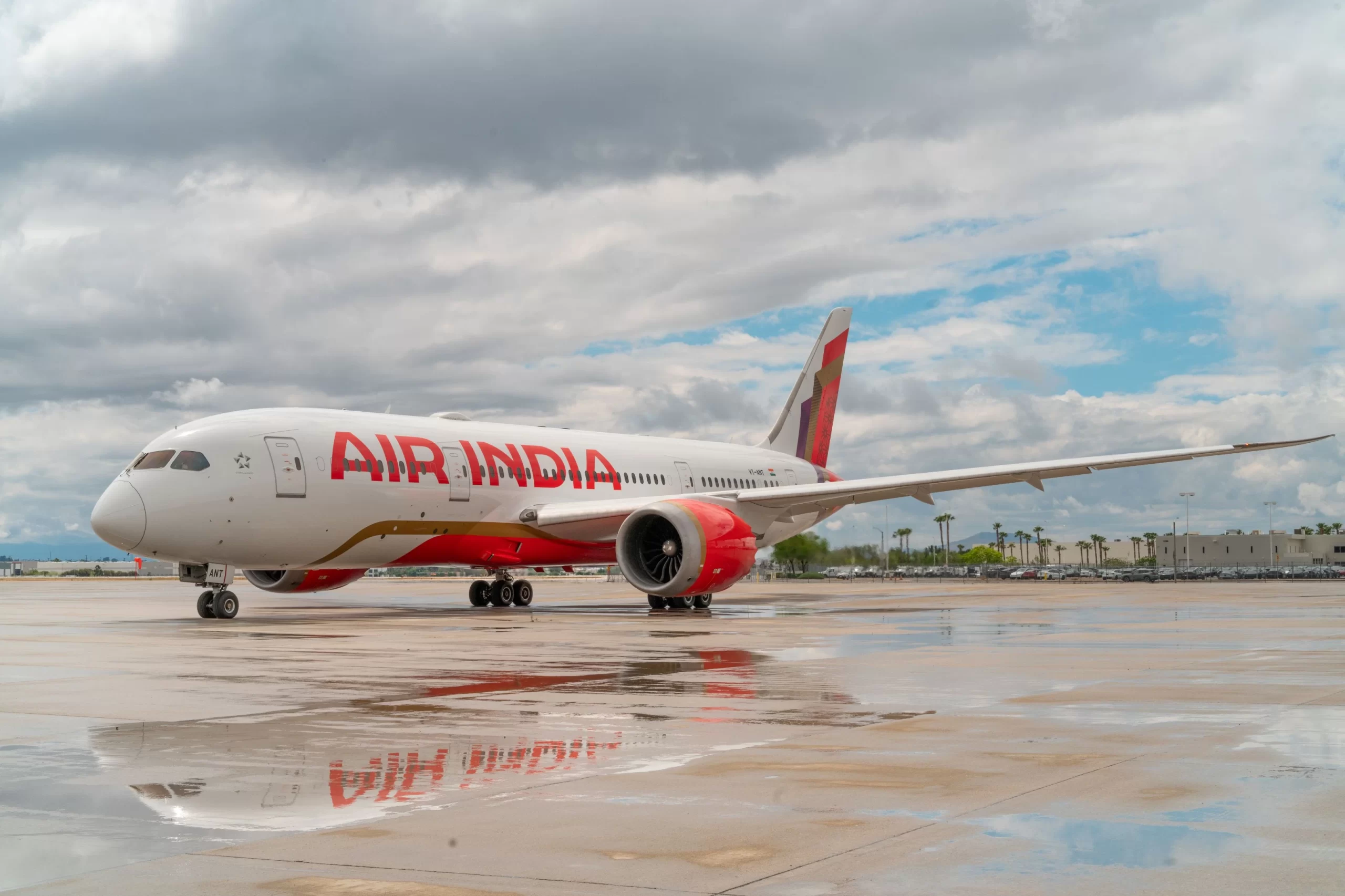
Flight AI2379 was flying from Phuket International Airport (HKT) in Thailand to Indira Gandhi International Airport (DEL), Delhi, on August 4 when it hit severe turbulence. The Airbus A320neo, carrying 137 passengers and eight crew members, dropped roughly 300 feet in altitude during cruise.
At least 13 passengers and four crew members were hurt, though some reports put the injury count closer to 17. Two crew members suffered spinal injuries and stayed under medical observation for an extended period.
The flight’s captain reportedly failed an initial post-flight dope test, with a second confirmatory result still pending. Both pilots on that flight have been taken off flying duties while the inquiry continues.

Existing DGCA Rules Set Out Penalties for Positive Tests
India’s Directorate General of Civil Aviation (DGCA) already requires airlines to randomly test at least 10% of flight crew for psychoactive substances every year. The regulator applies a graded penalty system for confirmed positive results.
- A first confirmed positive test sends the crew member to a de-addiction and rehabilitation centre.
- Return to duty requires a negative follow-up test.
- A second confirmed positive test leads to a three-year suspension of the pilot’s licence.
- A third confirmed offence results in permanent cancellation.
Prescribed medication can also affect test outcomes, so crew members must declare any medicines they take before screening.
This is not the first time crew substance testing has caused trouble at Air India. The airline’s then director of operations resigned in 2018 after failing two breathalyser tests before a London to Delhi flight, a case that also led regulators to suspend his pilot licence for three years.
The current expansion also lands during a leadership transition. Air India’s board announced this month that former Ethiopian Airlines chief Tewolde Gebremariam will take over as chief executive, succeeding Campbell Wilson, who has led the airline since 2022.
Wilson remains in charge for now. India’s Ministry of Civil Aviation summoned him over the AI2379 incident, separate from the pilot’s drug test case, though the ministry and the airline declined to comment on that meeting.
Officials And Pilot Body Respond
Civil Aviation Minister Ram Mohan Naidu visited injured crew members at a Delhi hospital and praised their conduct. He said the crew “continued performing their duties for nearly another hour until the aircraft landed safely,” calling their response remarkable given their own injuries.
Captain CS Randhawa, president of the Federation of Indian Pilots, urged caution about the unconfirmed dope test report. He said the results were “not out officially by the airline” and added he would not call the test positive until there was formal confirmation.
The DGCA has separately opened a formal inquiry into the turbulence event itself. Investigators have secured the flight data recorder and cockpit voice recorder, and the aircraft has been moved to a hangar for inspection.
What Happens Next for Air India and the Pilot
Two separate processes will decide the outcome. The pilot’s confirmatory drug test will determine whether the reported finding becomes an official violation under DGCA rules.
Investigators are also examining whether the crew’s decision to continue to Delhi instead of diverting was appropriate. They are reviewing whether the seatbelt sign was on when the turbulence struck, since several injured passengers were reportedly not strapped in.
The DGCA has not given a timeline for either process. Until results are released, Air India says it will not comment further beyond confirming that the wider testing programme is now underway.


