American Airlines (AA) chief executive Robert Isom announced a sweeping reorganisation of the carrier’s senior leadership on Monday, August 10, in an internal memo to staff, The Dallas Morning News reported. The changes affect seven executives across commercial, operations, communications and government affairs functions at the Fort Worth-based airline.
The shakeup comes as American works to close a widening profit gap with Delta Air Lines (DL) and United Airlines (UA), [three of these carriers have the largest fleet in the world]and follows a unanimous no-confidence vote in Isom from the carrier’s flight attendants’ union earlier this year. Isom described the moves as the first step in a broader effort to strengthen the leadership team and improve the airline’s performance.
Isom Tells Staff American is Entering a “Defining Moment”
In the memo, first reported by The Dallas Morning News, Isom wrote that American is entering a defining moment for the company. “I recognize that there is a meaningful gap between where we are today and where we know American can – and should – be,” he wrote, adding that closing it requires a better customer experience, a more reliable operation, stronger team engagement and improved business results.
American Airlines Secures Permanent Caterer at Europe’s Busiest Airport
Isom described the reorganisation as the first step in a series of actions meant to strengthen the leadership team and sharpen alignment across departments. The American Airline memo was addressed to company officers and outlined both new appointments and several senior departures.
Who is Leaving and Who is Stepping Up
Three long-serving executives are exiting. Chief Communications Officer Ron DeFeo is stepping down, Nate Gatten, who oversaw American Eagle, corporate real estate and government affairs, is leaving for another company, and Kevin Brickner, senior vice president of technical operations, is retiring after three decades in aviation. Their departures follow the earlier announcement that Vice Chair and Chief Strategy Officer Steve Johnson will retire at the end of 2026.
Four executives are joining the senior leadership team as part of the reshuffle:
- Heather Garboden, chief customer officer, adds reservations, contact centers, service recovery and catering to her existing oversight of premium product growth.
- JC Gulbranson expands his role to include airports and planning.
- Caroline Clayton, senior vice president of communications and chief marketing officer, now oversees all corporate communications.
- Steve Neuman takes on government affairs, sustainability and the Office of Continued Care and Outreach, reporting directly to Isom.
Chief Commercial Officer Nat Pieper is also adding marketing and branding to his portfolio, while Chief Financial Officer Devon May expands his remit to include corporate real estate. John Bendoraitis, formerly chief operating officer at Spirit Airlines, is joining American to lead technical operations.
A Profit Gap that Keeps Widening Against Delta and United
The reorganisation follows a difficult earnings stretch for American. Second-quarter net income fell 88 percent from a year earlier to $71 million, and the carrier’s annual profit gap against Delta has grown past $5 billion. American expects roughly break-even results for 2026, as higher jet fuel prices offset stronger revenue, while Delta and United both project solid profits for the year.
That divergence has become a recurring theme in how American’s performance is measured against its two largest rivals. Both Delta and United have posted steadier earnings through 2026, a gap analysts have linked partly to Delta’s premium and co-branded credit card revenue rather than differences in organisational structure. American’s 2025 full-year earnings had already missed analyst expectations, coming in at just $111 million, a figure hit hard by flight disruptions tied to last autumn’s government shutdown.
Labour Pressure has Been Building for Months
The reshuffle also follows sustained criticism from American’s unions. In February, the Association of Professional Flight Attendants issued a unanimous vote of no confidence in Isom, the first such vote in the union’s history against an American Airlines chief executive. The union, which represents roughly 28,000 flight attendants, cited operational failures during a winter storm that left crew members sleeping on airport floors, along with what it called a “relentless downward spiral” in the carrier’s performance relative to competitors.
The Allied Pilots Association, representing about 16,000 American pilots, sent a similarly critical letter to the airline’s board around the same time, though it stopped short of a formal no-confidence vote. Isom has led American since March 2022 and remains a member of the airline’s board.
Fleet and Airport Investment Continue Alongside the Reshuffle
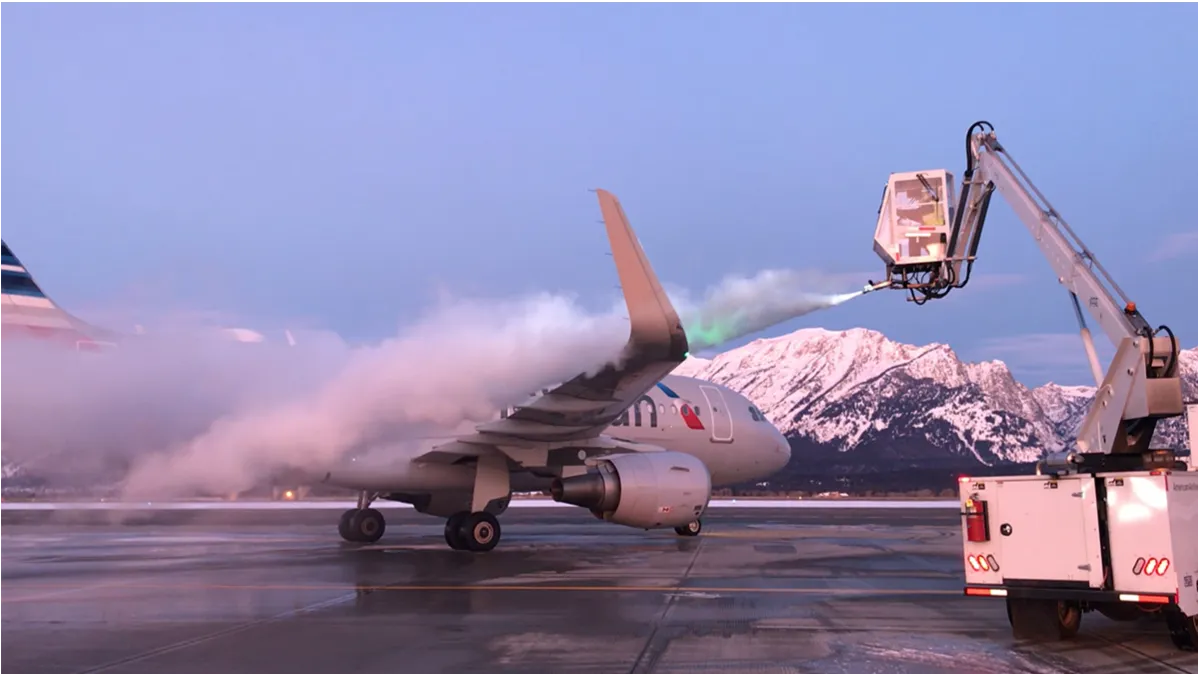
American’s announcement paired the leadership changes with plans for continued fleet and airport investment. The carrier is weighing a major widebody order before year-end, evaluating additional Boeing 787 Dreamliners against Airbus A330neo jets to replace its ageing Boeing 777 fleet. It is also planning cabin upgrades on its 777-300ER and 787-8 aircraft to add premium seating, alongside construction of a 37,000-square-foot Admirals Club at Dallas/Fort Worth International Airport (DFW), the carrier’s largest hub.
The investment push sits alongside a broader effort this year to expand American’s network and onboard product. The carrier launched 13 new nonstop international routes in 2026, including a return to Venezuela after a near seven-year suspension, and began rolling out free high-speed Wi-Fi across most of its fleet for AAdvantage loyalty members starting in January. Isom’s memo framed the executive reshuffle as the organisational piece needed to make those investments pay off, rather than a standalone fix.
How the Reshuffle Compares with the Union Pressure that Preceded it
The February no-confidence vote and this month’s executive reshuffle represent two very different responses to the same underlying problem. Where the flight attendants’ union demanded direct leadership change at the top, Isom’s memo redistributes responsibility among existing and newly hired executives without altering his own position as chief executive.
That distinction has not gone unnoticed among American’s workforce. Unions representing pilots, flight attendants and mechanics have all said the carrier needs to show measurable improvement in reliability and financial results, and by October 2025 all of the unions representing American’s workers had jointly called on management to present a credible turnaround plan. The August reorganisation is the clearest response yet to that pressure, though it leaves open whether frontline workgroups will consider it sufficient.
All in All
Isom has framed the executive changes as an opening move rather than a complete fix, and it remains to be seen whether the new structure narrows the earnings gap with Delta and United before the end of 2026. American has not said whether further leadership changes are planned, though the pace of departures and promotions suggests the carrier is under sustained pressure to show measurable progress at its next earnings report.