Asiana Airlines (OZ) shareholders approved a merger with Korean Air (KE) on August 12, 2026, clearing a final hurdle before the launch of a single integrated flag carrier. According to a report by The Korea Times, the vote took place at an extraordinary shareholders’ meeting at Asiana’s Seoul headquarters. It caps a corporate combination process that Korean Air first launched in November 2020.
Korean Air’s board ratified the same merger agreement the same day at its own headquarters in Seoul. The two airlines plan to officially launch the integrated Korean Air on December 17, when Asiana Airlines will be dissolved. Once complete, the deal will leave Korean Air as the country’s only full-service carrier.
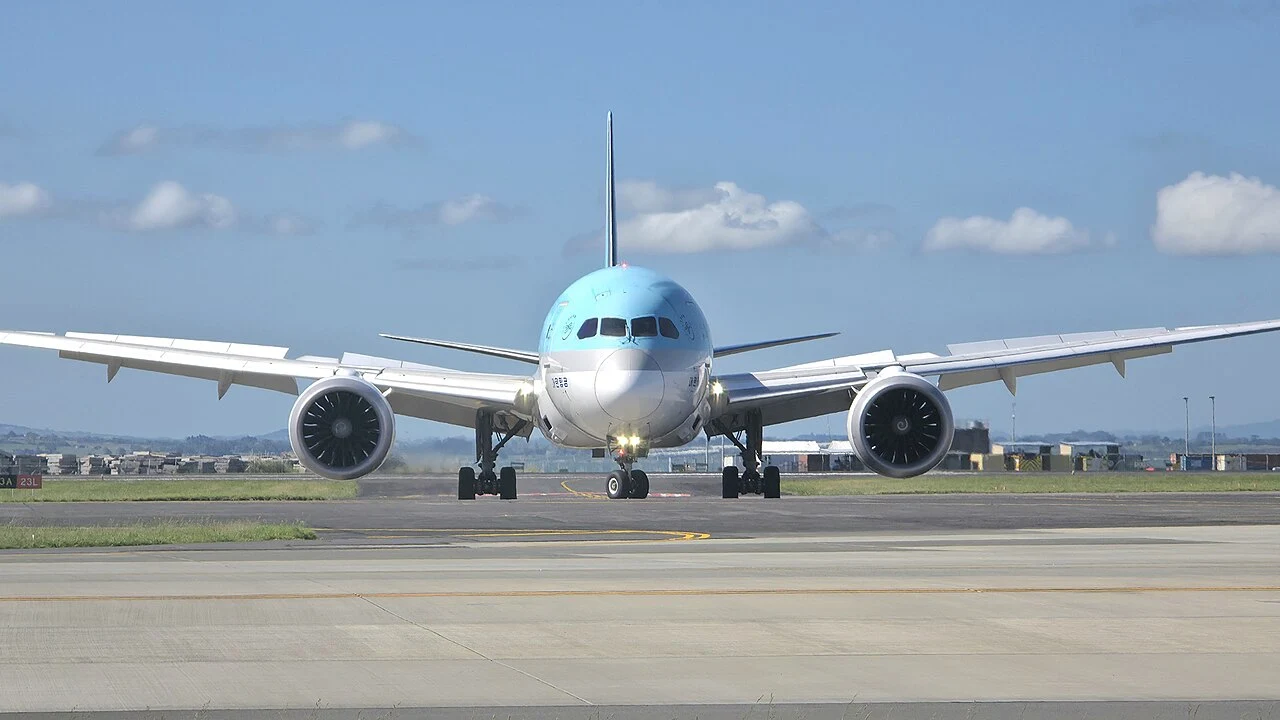
Asiana Shareholders Approve Merger with Overwhelming Support
Turnout at the shareholders’ meeting reached 81.9 percent, and 99.3 percent of those in attendance voted in favor of the merger agreement. Asiana Chief Executive Officer Song Bo-young called the moment “a new chapter in Korea’s aviation industry as a megacarrier.” She added that all employees would now focus on a smooth launch of the combined airline.
The merger ratio has been fixed at 0.2736432 new Korean Air shares for every Asiana share held. Korean Air will issue roughly 20.34 million new shares to complete the exchange. Those shares are scheduled to list on January 4, 2027.
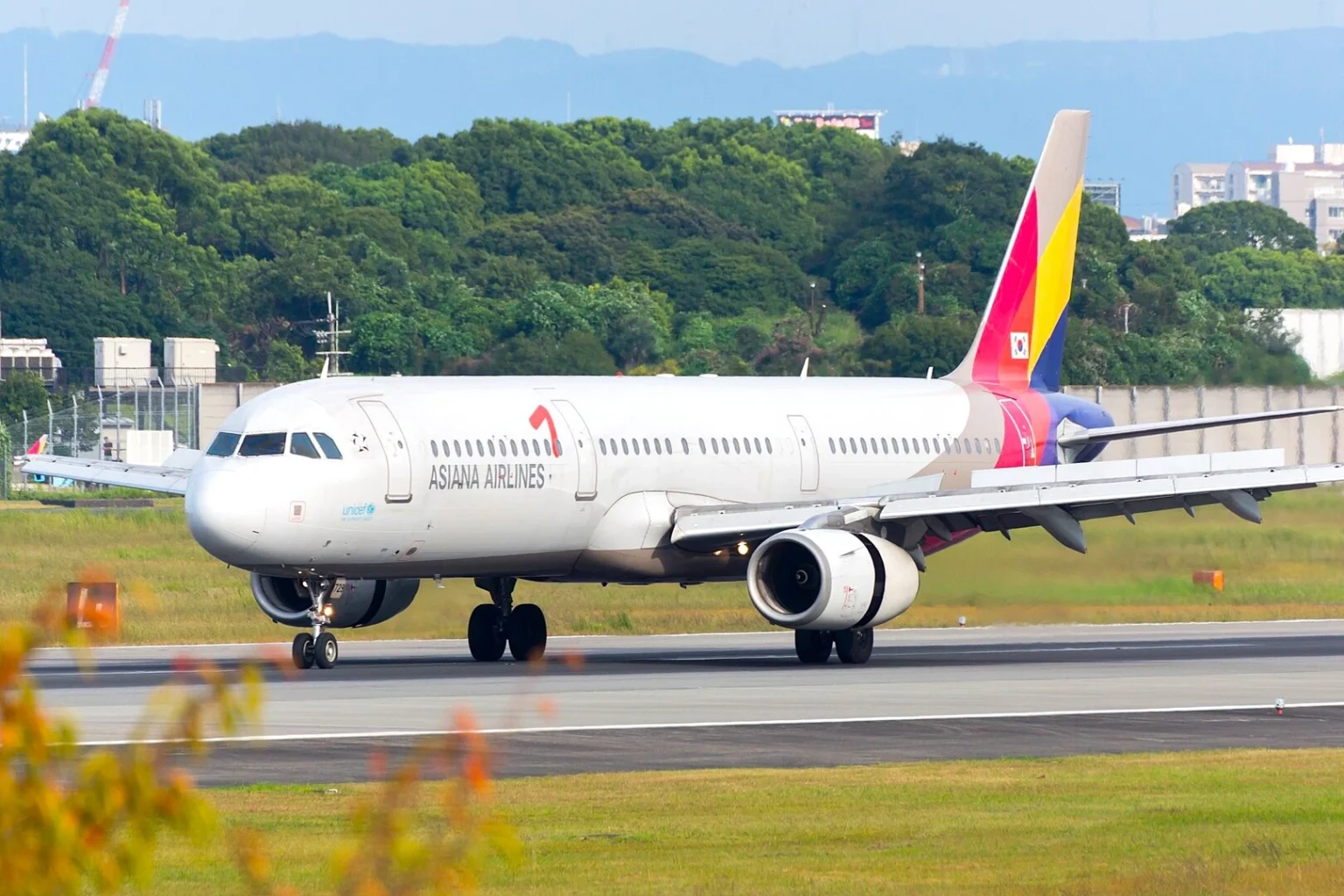
What The Newly Combined Korean Air Will Look Like
Once integration finishes at year’s end, Korean Air will serve more than 120 cities worldwide with a combined fleet exceeding 230 aircraft. The airline’s workforce will grow to roughly 28,000 employees. Annual revenue for the combined carrier is forecast to top 23 trillion won, or about $16.25 billion.
The scale puts the merged carrier among Asia’s largest full-service airline groups. It also gives Korean Air a dominant position at Incheon International Airport (ICN), Seoul, its primary hub. With Asiana gone, no other Korean carrier will offer comparable long-haul, full-service international coverage.
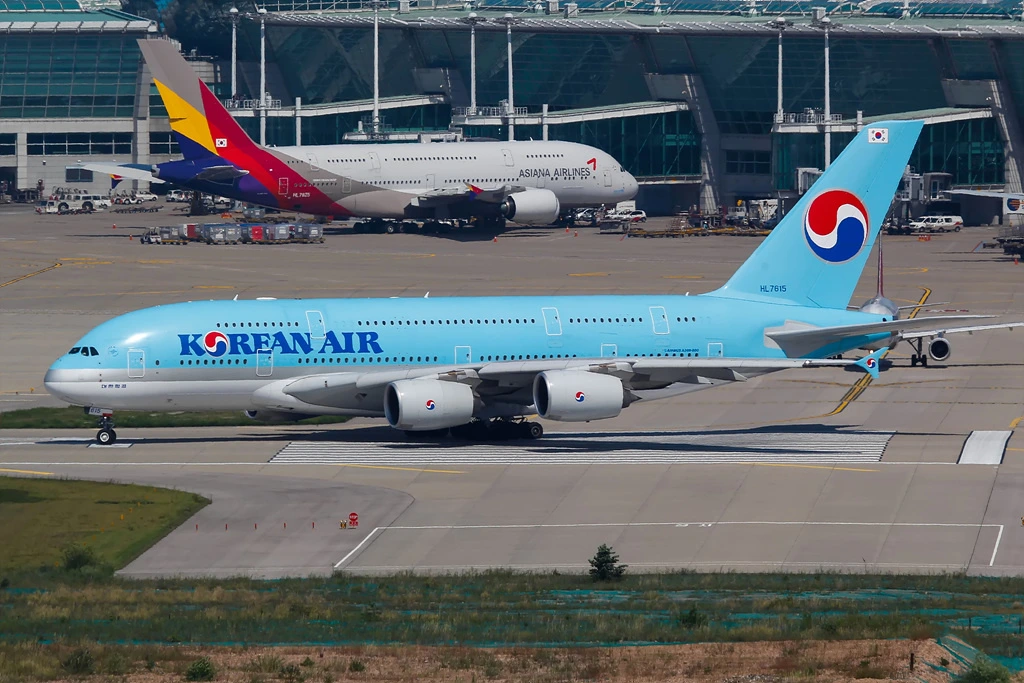
Six Years of Regulatory Review Before This Vote
Korean Air first proposed acquiring Asiana in November 2020, in a deal the South Korean government backed to rescue its debt-laden smaller rival. The plan needed antitrust clearance in every major market the two carriers served together. The United States Department of Justice initially blocked the deal in May 2023 over monopoly concerns before granting approval later.
The European Commission issued conditional approval in February 2024, followed by China, the United Kingdom, and other jurisdictions. Regulators in Japan, Australia, Singapore, Taiwan, Vietnam, Malaysia, the Philippines, and Turkey also reviewed the deal before it could close. Korean Air completed its acquisition of a controlling stake in Asiana in December 2024, after which Asiana operated as a subsidiary.
South Korea’s Ministry of Land, Infrastructure and Transport issued its own conditional approval on June 25, 2026, clearing the way for Wednesday’s votes. That domestic approval came only after Korean Air committed to transferring traffic rights and slots on 34 routes to prevent the combined carrier from dominating any single market.
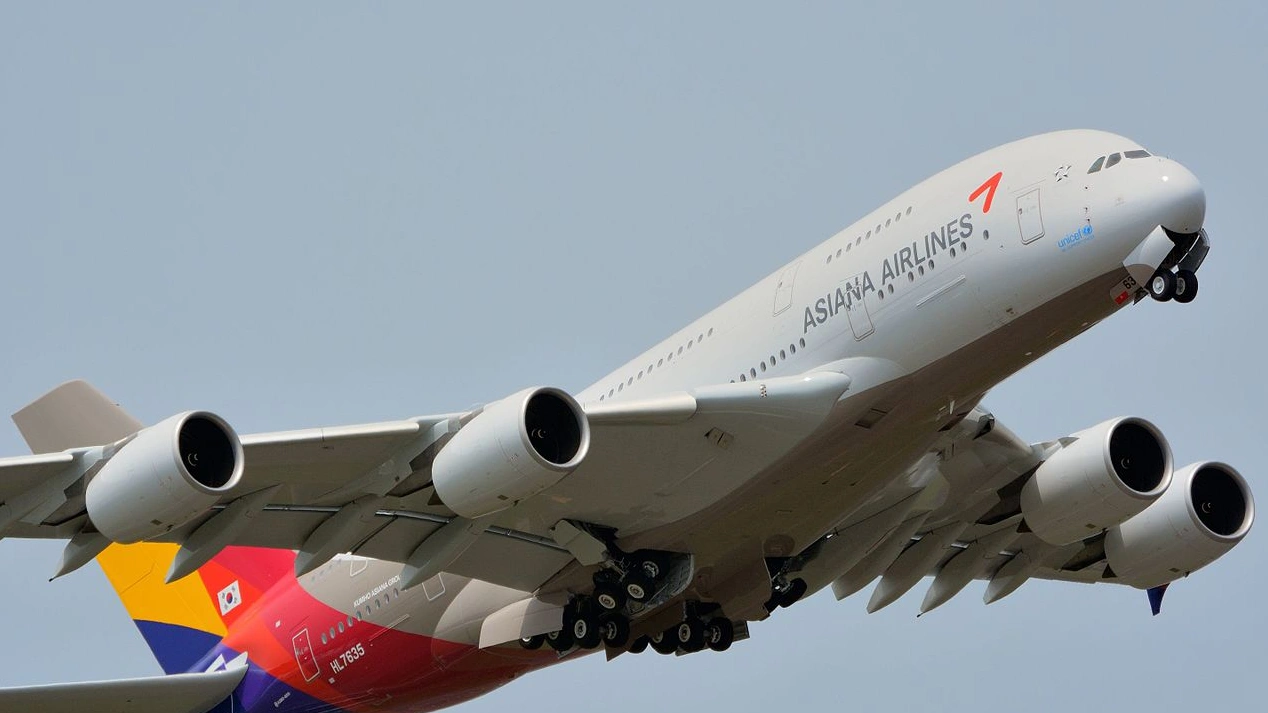
The Concessions Behind Global Antitrust Approval
Regulators worldwide only cleared the deal after Korean Air agreed to give up parts of its combined network. The remedies reduced concerns that a single carrier controlling both airlines would squeeze out competition on key routes. Key concessions included the following:
- Divesting Asiana’s cargo freighter business, including twelve Boeing 747-400 freighters and one 767 freighter, to Seoul-based Air Incheon.
- Handing four overlapping European routes, connecting Seoul to Barcelona, Frankfurt, Paris, and Rome, to T’way Air as the European Commission’s designated remedy carrier.
- Releasing takeoff and landing slots to remedy takers such as Virgin Atlantic, under terms approved by the UK’s Competition and Markets Authority.
- Agreeing to eventually merge the two airlines’ low-cost subsidiaries, Jin Air, Air Busan, and Air Seoul, into a single budget carrier under the Jin Air brand by 2027.

Mileage Integration and Corporate Culture Remain Unfinished Business
Song said Asiana is working with South Korea’s Fair-Trade Commission to protect consumer interests as the two carriers combine their frequent-flyer programs. That process has already missed one earlier internal deadline, and members of both loyalty programs are watching closely for how points and elite status will carry over. The commission has issued supplemental orders on the topic as integration talks continue.
Hanjin Group and Korean Air Chairman Cho Won-tae has separately acknowledged that blending the two airlines’ workplace cultures will take longer than the paperwork. He said the process requires sustained, long-term effort rather than a quick fix, and that management plans to move gradually while weighing the concerns of employees from both companies.
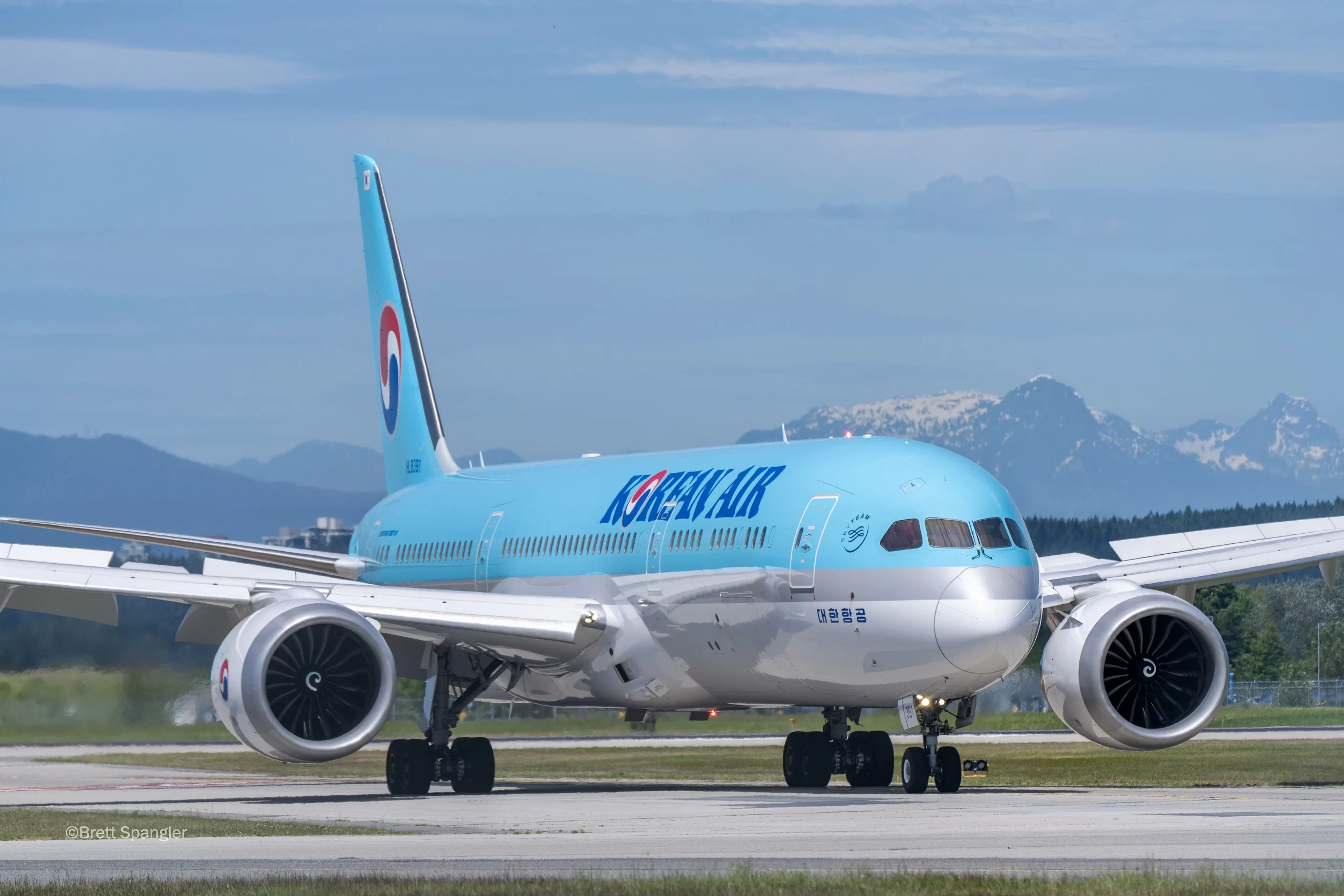
How This Approval Compares with Other Recent Korean Air-Asiana Headlines
Wednesday’s vote arrives after months of friction inside the merging companies that stood in sharp contrast to the celebratory tone of the shareholder meeting. In January 2026, an anonymous online threat referencing the merger prompted police to investigate a possible security risk at Gimpo International Airport (GMP), Seoul.
Staffing complaints have also surfaced as senior roles increasingly go to Korean Air veterans over Asiana counterparts. Korean Air employees have reportedly coined the phrase “Mang-siana living in a rented room” to describe the imbalance, while some Asiana staff have described coming to work as stressful during the transition. Those internal tensions sit alongside Asiana’s weaker financial position heading into the deal, with its debt-to-equity ratio exceeding 1,400 percent in 2022 and 2023 compared with Korean Air’s steadily improving balance sheet.
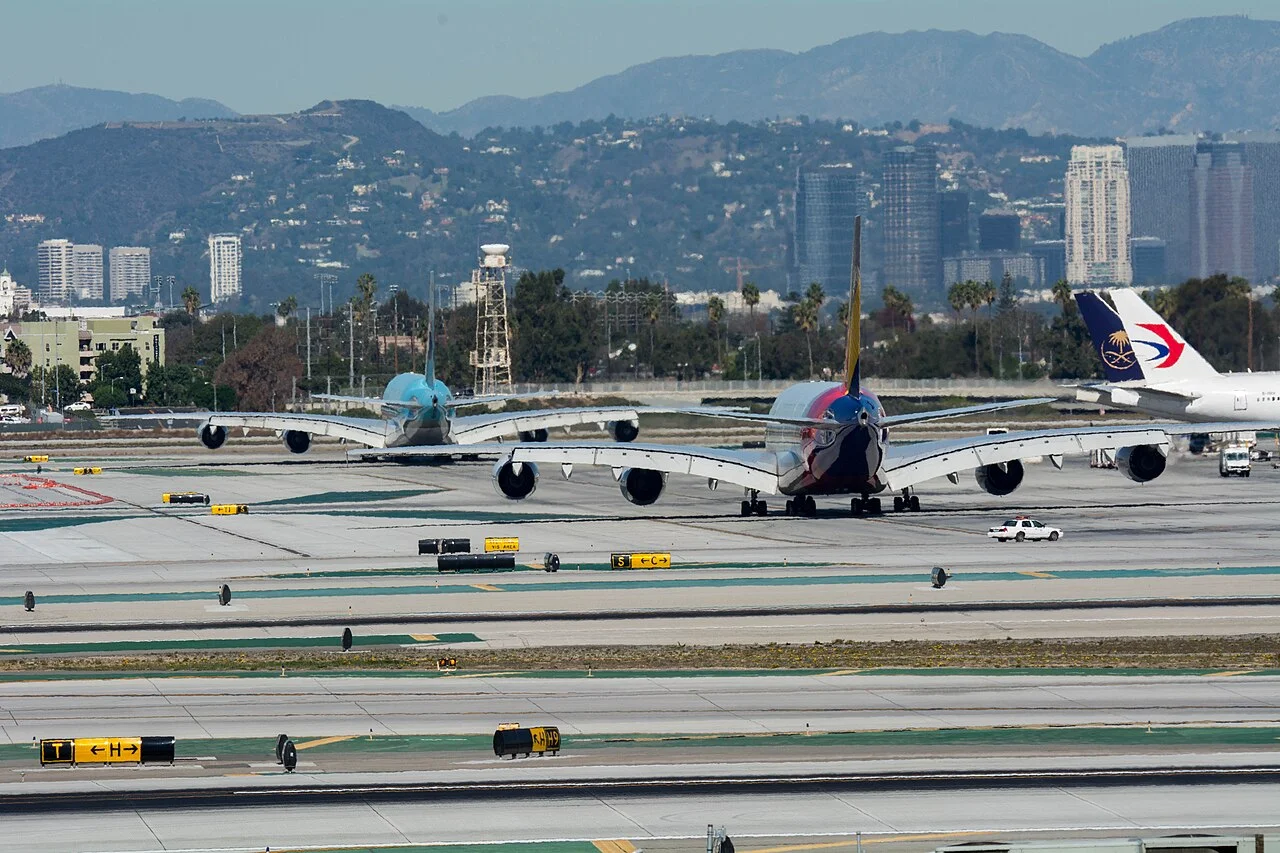
All in All
With both companies’ approvals secured, Korean Air and Asiana will spend the coming months finalizing creditor protections and completing the merger registration process. Korean Air has estimated total integration costs could reach roughly one trillion won as it aligns fleets, back-office systems, and procurement across both carriers. Company projections suggest those costs could be offset by merger synergies within a few years of the December launch.
The December 17 launch date marks the formal end of Asiana Airlines as an independent company after nearly forty years of operation. Passengers should not expect immediate changes to bookings or loyalty accounts before that date. For now, both carriers say they are focused on the operational and cultural work still needed before the two networks become one.

.jpg)

.jpg)
.jpg)

.jpg)