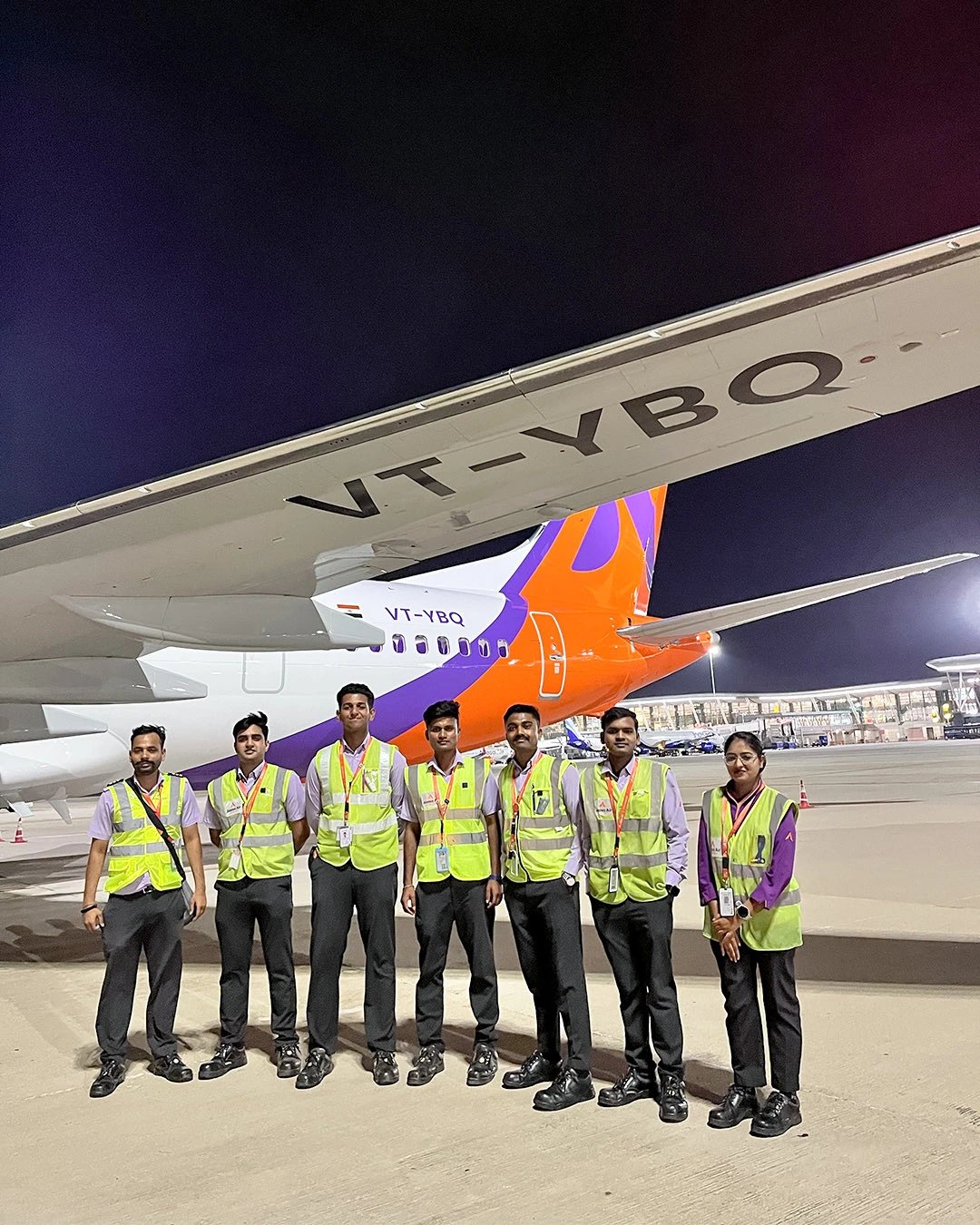
Akasa Air (QP) founder and CEO Vinay Dube has thrown his airline’s weight behind a proposal that would let companies that operate India’s major airports also own and run airlines — a policy shift that, if adopted, would upend one of the foundational separations in Indian aviation regulation. Speaking to PTI in New Delhi (DEL) as Akasa approached its fourth anniversary of commercial flying, Dube said he was happy and supportive of the move, framing it as a straightforward bet that more competitors will mean more choice for Indian flyers, Business Today reported.
Dube’s comments landed the same week India’s civil aviation minister told Parliament the government remains committed to easing the path for new entrants, and just days after the country’s largest carrier warned publicly that the proposal could hand incumbent airport owners an unfair edge over the airlines that depend on their runways and terminals.

Dube’s Case for Deregulation
India currently bars operators of its largest privately run airports from taking substantial equity stakes in the airlines that fly out of them, a firewall designed to prevent a company that controls gate access, slots, and ground handling from also competing as a carrier.
Dube told PTI that India needs more competition in aviation and more choices for consumers, and said he believed the government was already alert to the conflicts that can arise when a single private enterprise owns both an airport and an airline, and would build appropriate safeguards into any final policy. He did not specify what those safeguards should look like, leaving that detail to regulators.
IndiGo Objects, Adani Denies Ambitions
Akasa’s endorsement is not shared industry-wide. On July 23, IndiGo co-founder and managing director Rahul Bhatia publicly warned that letting airport operators own airlines would create a “massive conflict of interest,” a direct shot at the country’s dominant carrier’s chief rival for scarce infrastructure. IndiGo controls roughly two-thirds of India’s domestic seat capacity, giving its leadership an outsized interest in how the rule change is written.
The remark also carried an implicit target: the Adani Group, which through Adani Airport Holdings runs seven of India’s airports, including Mumbai and Ahmedabad, and has been the subject of persistent market speculation that it could use a rule change to launch its own carrier. A day after Bhatia’s comments, Adani Group denied media reports and speculation that it planned to enter the airline business, though the conglomerate has not ruled out revisiting the question if regulations change.
A Shrinking Field of Competitors
The competition argument driving Dube’s position reflects a genuine structural shift in Indian aviation. Over the past decade, the collapse of Jet Airways in 2019 and Go First in 2023, combined with the Tata Group’s merger of Vistara and AirAsia India into Air India, has concentrated the domestic market heavily around just two groups — IndiGo and the Tata-owned Air India.
Government figures underscore how thin the field has become even as the market itself keeps expanding: Civil Aviation Minister K. Rammohan Naidu told the Rajya Sabha on August 3 that just 11 scheduled and scheduled-commuter airlines currently operate in India, running a combined fleet of 860 aircraft against more than 2,000 aircraft on order.
Naidu’s written reply also confirmed the government is actively courting additional entrants, stating the ministry is committed to supporting expansion of existing airlines while facilitating new operators — language that mirrors his ministry’s recent moves.
In late December 2025, Naidu disclosed that his office had met with teams from three prospective new carriers — Shankh Air, Al Hind Air, and FlyExpress — each of which had already secured a No Objection Certificate from the ministry, alongside continued expansion of the UDAN regional connectivity scheme that has helped smaller carriers like Star Air and Fly91 gain footholds beyond India’s major metros.
Akasa’s Own Stake in the Outcome
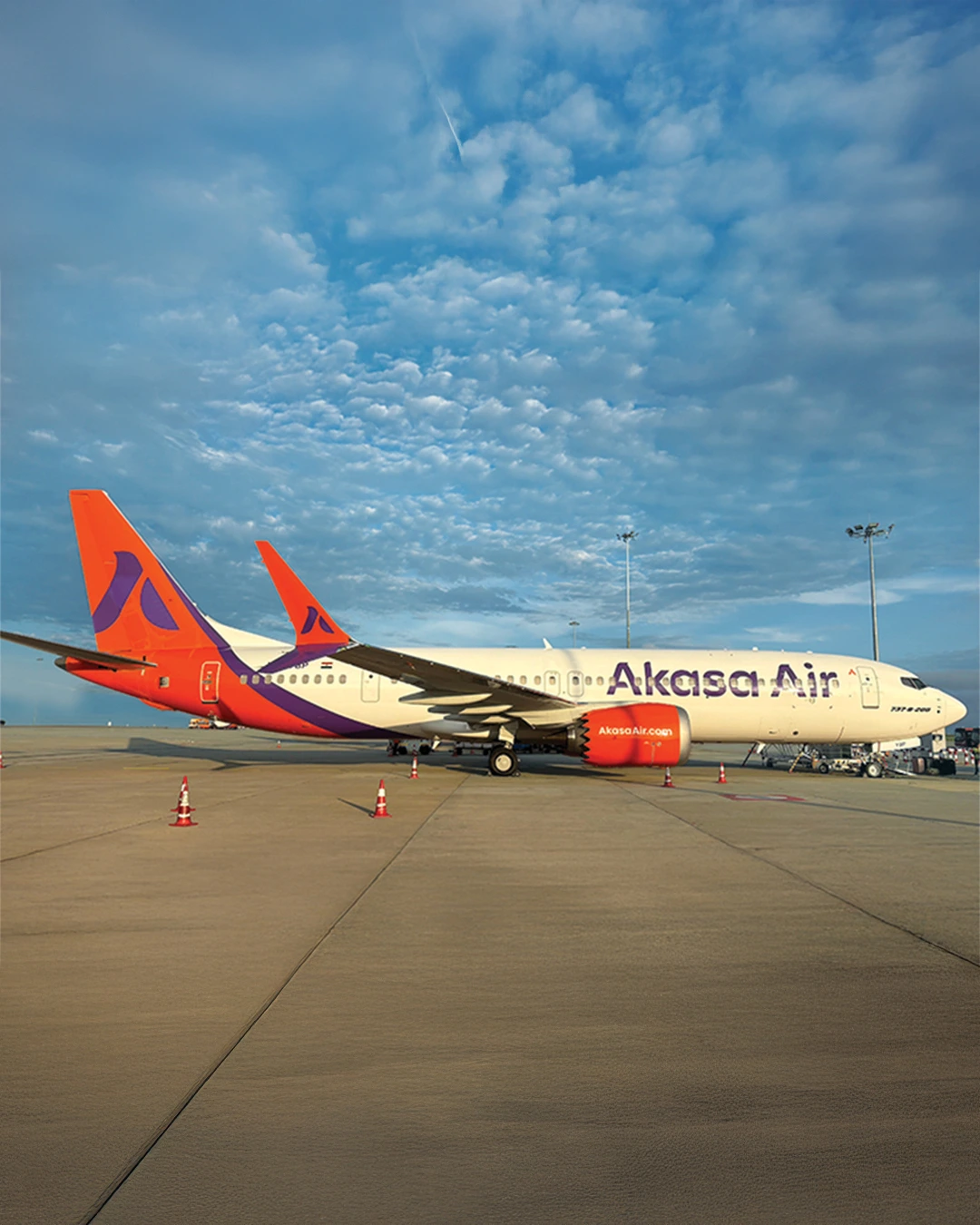
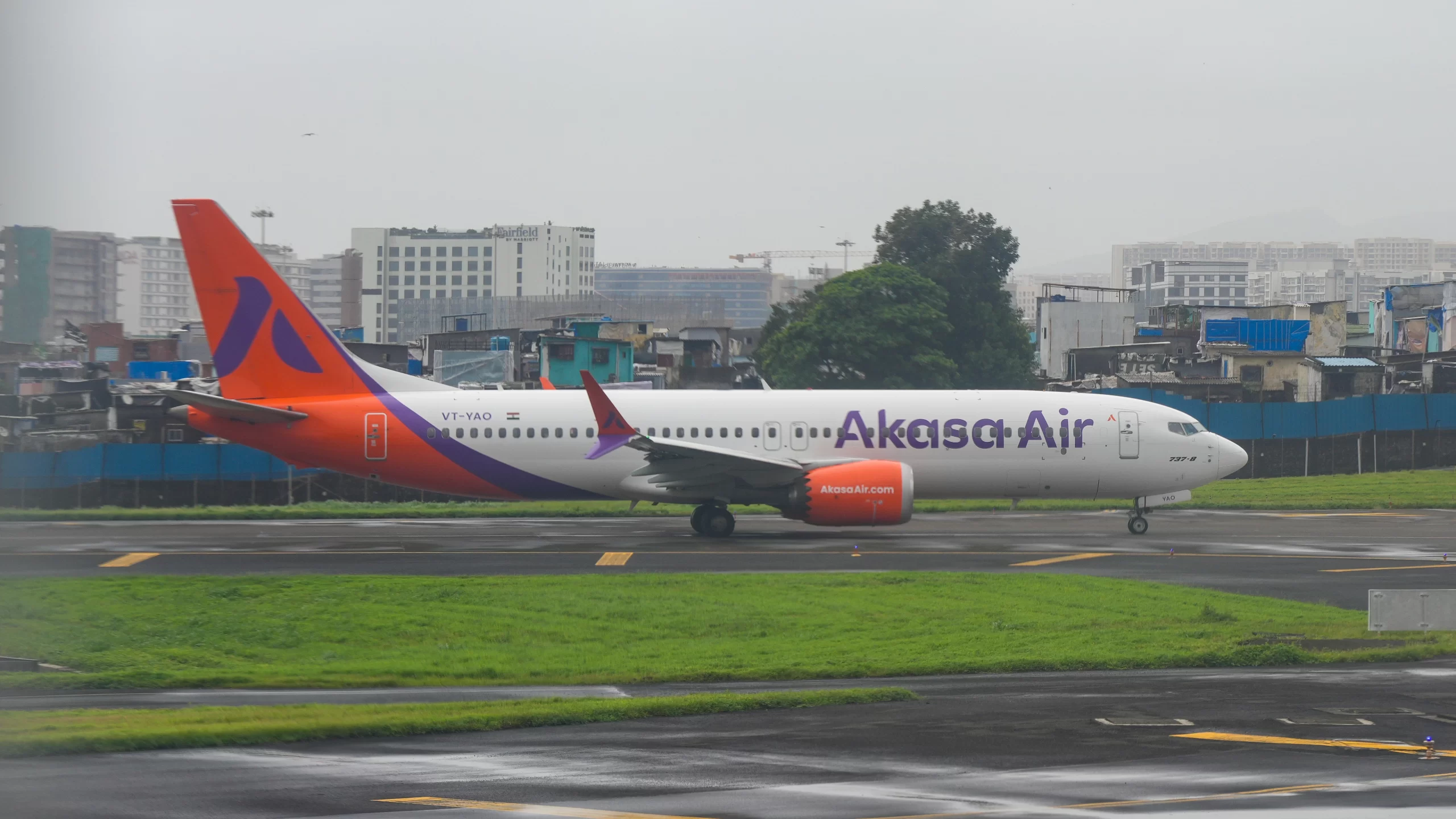
Akasa has particular reason to want a more contestable market. The airline, backed originally by the late investor Rakesh Jhunjhunwala, began flying in August 2022 and has since grown to a fleet of roughly 40 Boeing 737 aircraft serving 31 destinations, making it comfortably the country’s third-largest carrier by revenue even as it continues to report losses — roughly ₹19.8 billion in the 2024–25 fiscal year on revenue of ₹46.4 billion, according to the carrier’s own disclosed financials.
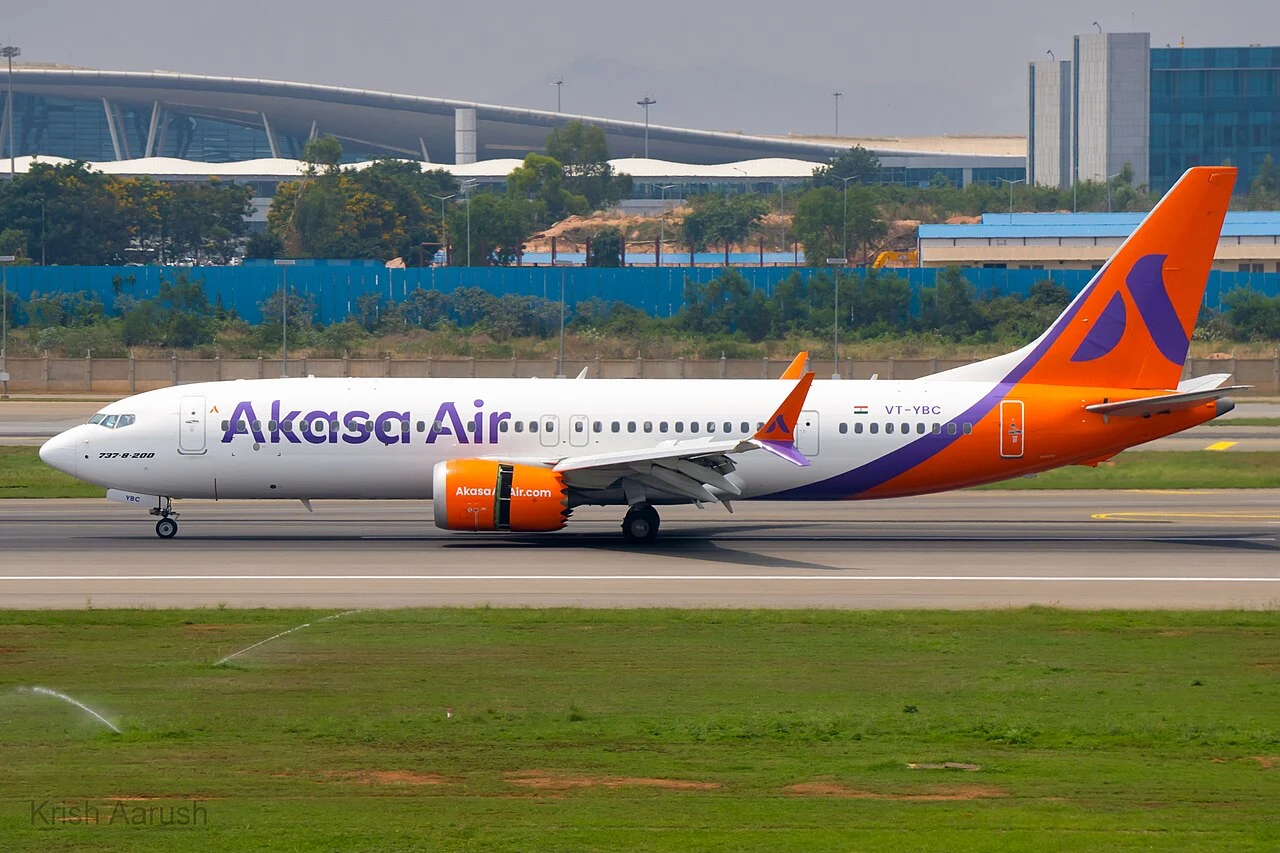
Akasa Air operates a fleet of 40 Boeing 737 aircraft, comprising 39 in active service and one parked, with two additional aircraft on order. The Indian low-cost carrier has built one of the country’s youngest fleets, with an average aircraft age of just 4.3 years. Across its history, the airline has operated a total of 42 Boeing 737 aircraft, including two that are no longer part of the fleet.
Dube has consistently argued that Akasa’s expansion depends on maintaining reliable access to slots and infrastructure at major airports, which is precisely the leverage point critics say airport-owner-airlines could exploit against rivals.
What Regulators Still Have to Resolve
No timeline has been set for a final decision, and the government has not published draft rules addressing how it would police slot allocation, ground-handling access, or pricing transparency if an airport operator were also running flights from its own terminals.
With IndiGo publicly opposed, Adani (a person who has shown interest in forming an airline) publicly denying interest, and Akasa publicly supportive, the policy fight is shaping up as a proxy battle over how much further consolidation-scarred Indian aviation can bear before more competition — even competition with inherent conflicts of interest — becomes the lesser risk.


