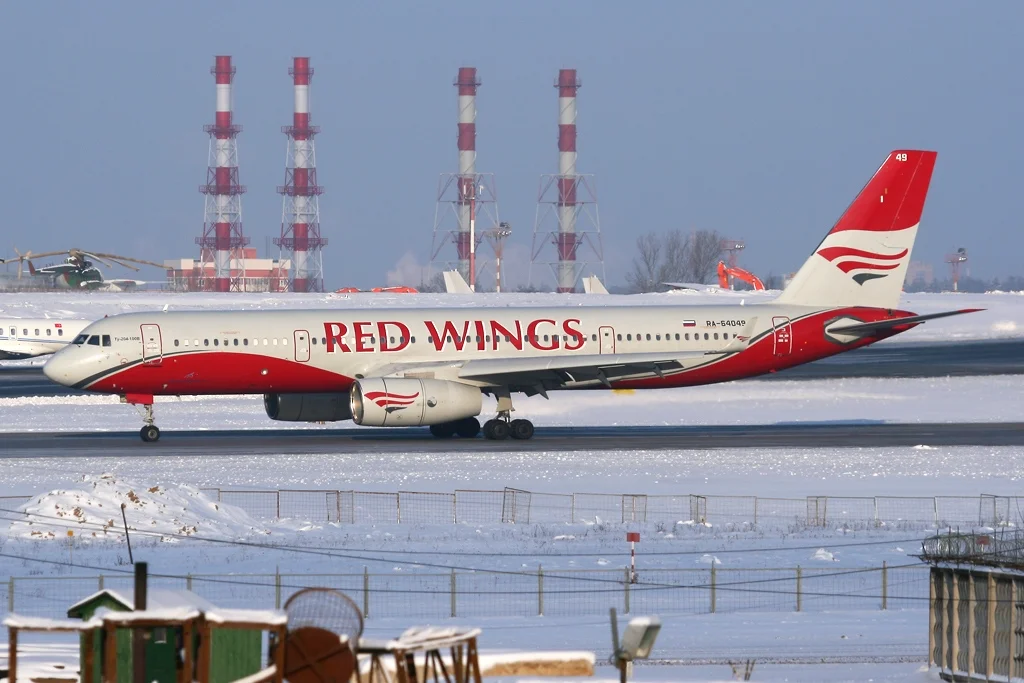
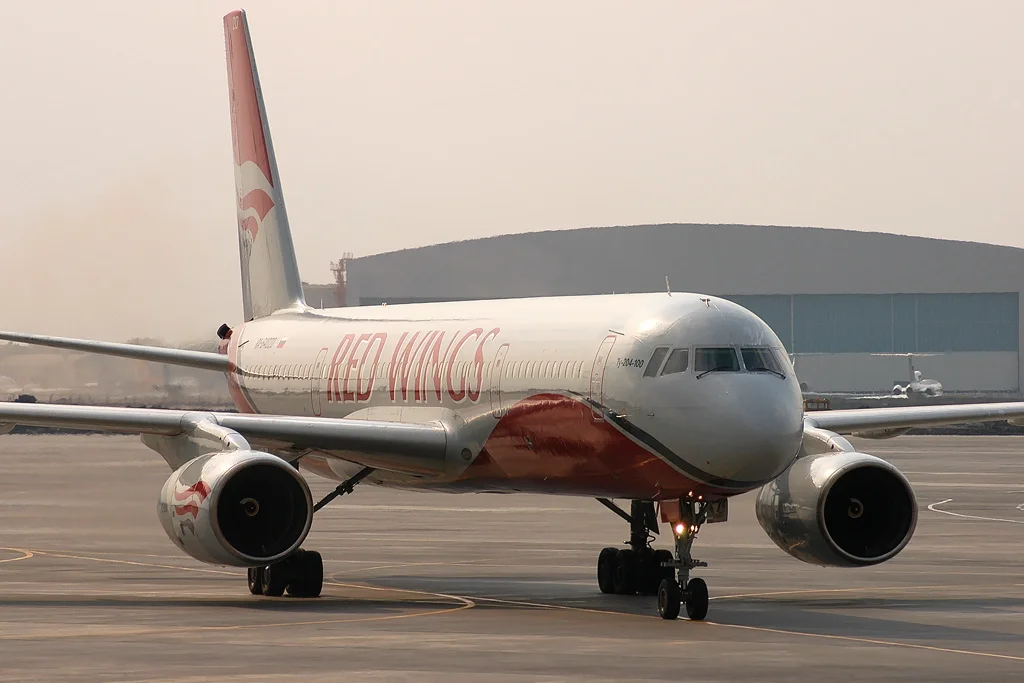
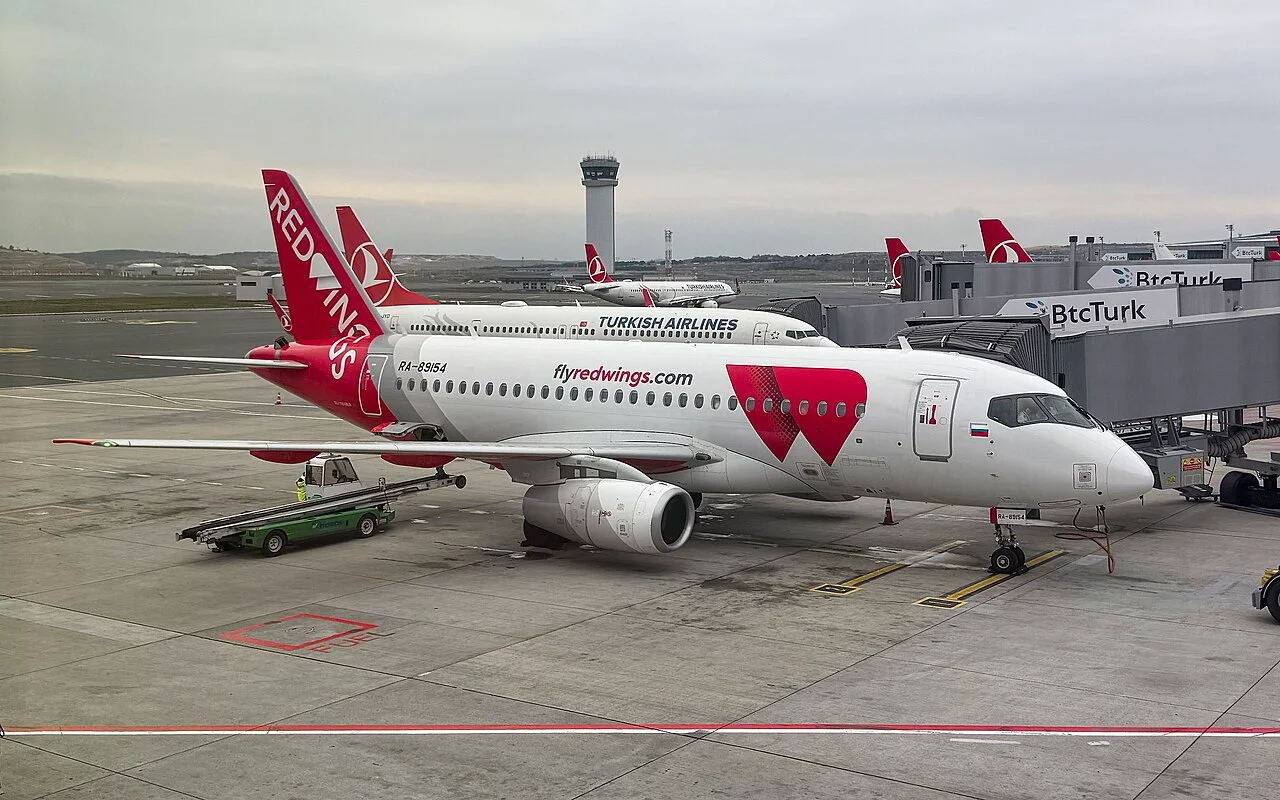
Russia’s state defense conglomerate Rostec is consolidating four aviation businesses into a single holding company, according to Ukraine’s Foreign Intelligence Service (SZRU). The service published its assessment on July 26, 2026, saying the merger is designed to hide the financial troubles of individual assets rather than fix them. The new structure will combine passenger carrier Red Wings, cargo operator SkyGates, a medical aviation unit, and leasing firm Aviacapital-Service under manager Ilyushin Finance Co.
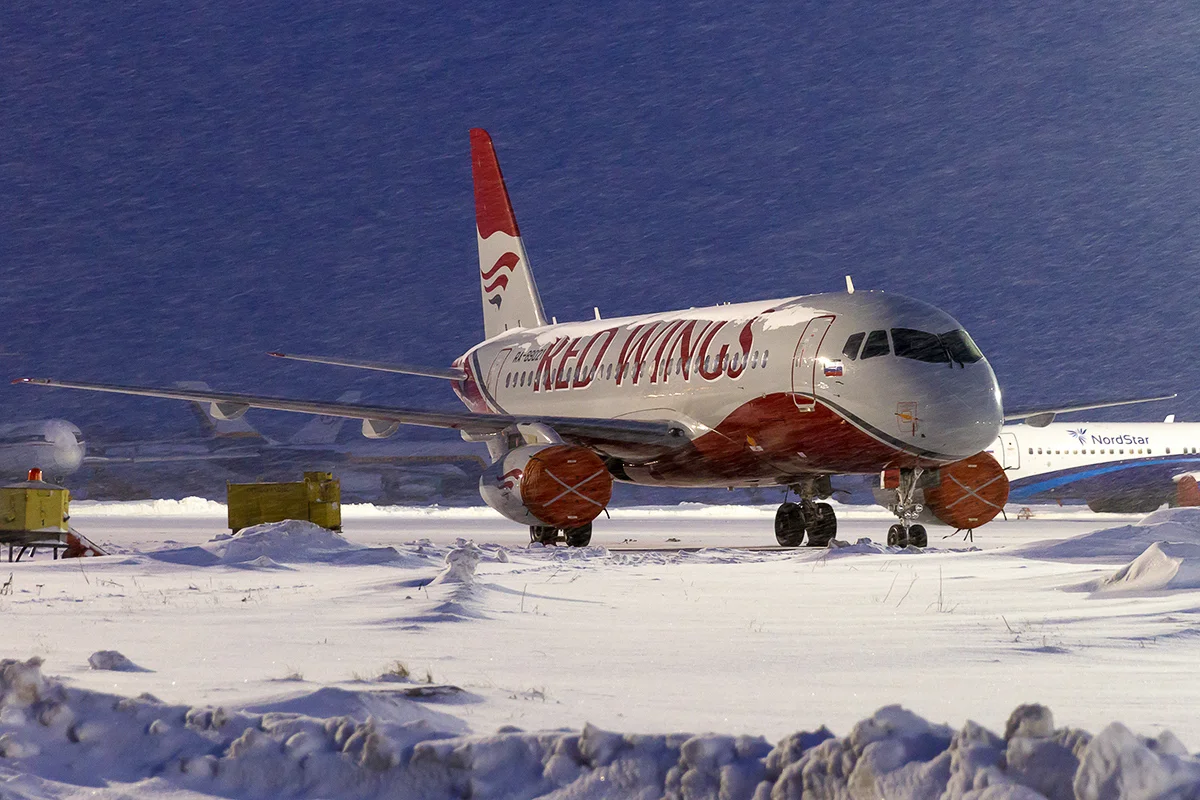
SZRU says the real driver behind the reorganization is operational collapse, not efficiency. Red Wings can reportedly run scheduled flights with only one of its three Boeing 777 aircraft, while SkyGates is short on engines and spare parts. Russian state media first reported the planned merger a week earlier, framing it as a routine management reform rather than a response to crisis.
Rostec Plans to Fold Four Aviation Firms into One Holding Company
Rostec’s restructuring plan brings together four separate businesses under one roof. According to the SZRU statement, the new holding will include Red Wings, SkyGates, a national air ambulance service, and leasing company Aviacapital-Service. Management will pass to Ilyushin Finance Co., a state-linked lessor that already holds a majority stake in Red Wings.
Rostec has publicly described the move as an effort to centralize management and build a unified aircraft maintenance system. A company representative told the outlet that discussions remain at an early stage and that the eventual parent structure will only be decided once the board approves a broader strategy.
SZRU views the stated purpose differently. It says the consolidation will let Rostec merge the financial reporting of all four businesses, effectively burying the losses of the weakest ones inside a single balance sheet.
Why SZRU Says Red Wings and SkyGates are Already in Trouble?
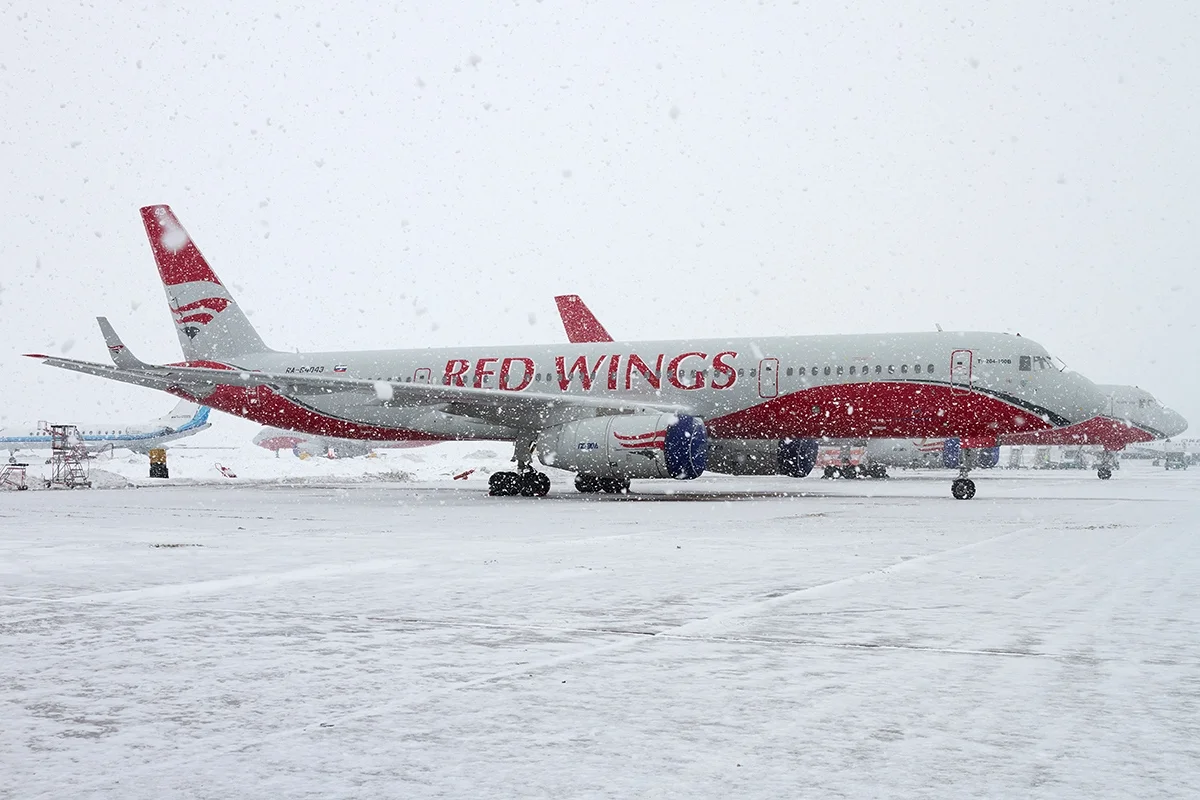
The intelligence agency’s assessment lays out specific operational problems at each carrier. Red Wings operates three Boeing 777 aircraft, but SZRU says only one currently flies scheduled routes. It describes the second as a backup aircraft and the third as effectively grounded.
“No reorganization plan will restore the supply of Western components to Russia, accelerate the mass production of domestic aircraft, or halt the brain drain of personnel exhausted by years of stopgap measures,” the SZRU said in its published statement. The agency also points to internal management disputes at Red Wings that it says have blocked staffing decisions and pushed out experienced personnel.
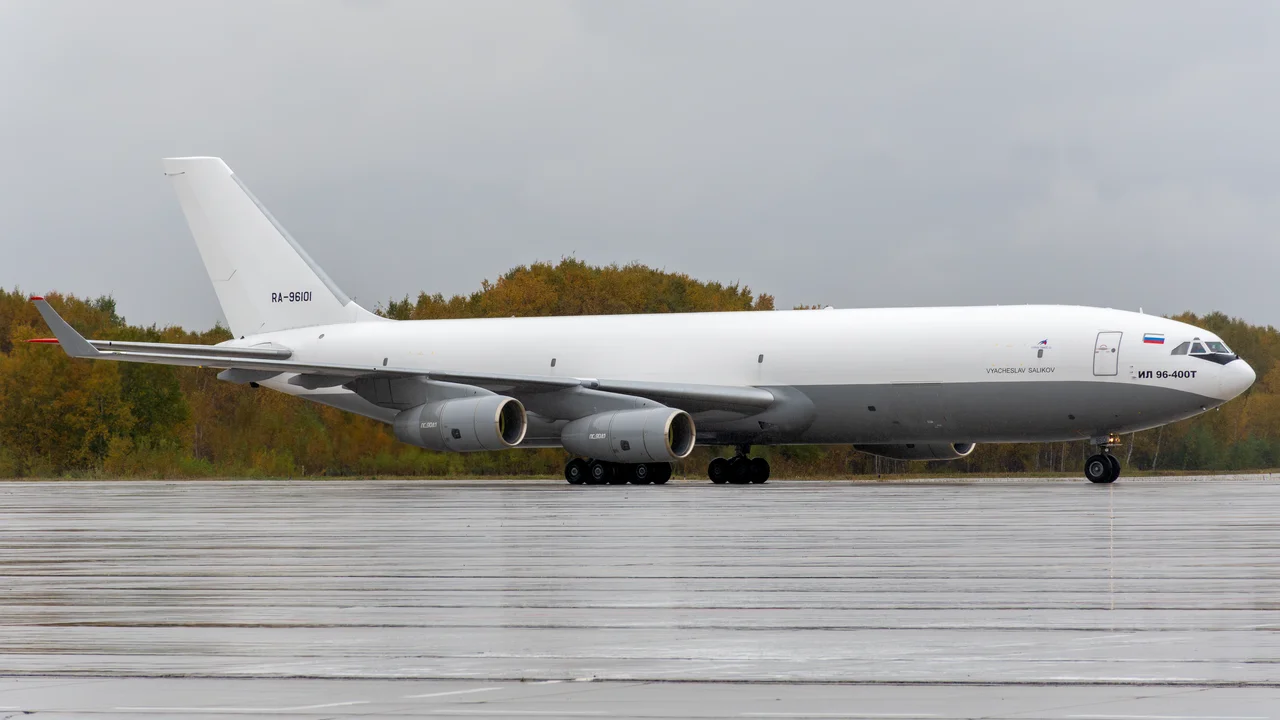
SkyGates faces a related but distinct set of problems. The cargo carrier is struggling with shortages of engines and spare parts, long repair times, and an aging fleet that has grown harder to maintain, per the same SZRU report cited by RBC-Ukraine. Both carriers depend heavily on aircraft types that Western sanctions have cut off from routine parts supply and maintenance support.
Russian business media reported on the planned consolidation before Ukraine’s intelligence service weighed in. Kommersant first wrote that Rostec was discussing the plan, and Rostec confirmed to TASS that consolidation was under corporate-level discussion. That earlier coverage described the goal as streamlining management of Rostec’s air transport assets and building centralized after-sales service and training systems.
Aviation Problems sit Inside a Wider Russian Economic Slide
SZRU’s aviation assessment landed the same week that other indicators pointed to broader economic strain in Russia. The Moscow Exchange index fell to about 1,958 points on July 17, its steepest single-day drop since September 2022, according to the Institute for the Study of War. State-controlled VTB Bank’s shares fell to an all-time low of roughly 57.8 rubles per share on the same day.
ISW linked the slide to a mix of rising military spending, inflation, and labor shortages tied to the war in Ukraine. The Russian Central Bank’s own Business Climate Indicator dropped to its lowest level since April 2022, according to the same ISW assessment. Civil aviation, a sector already squeezed by sanctions on Western aircraft parts, sits inside that broader pattern of financial pressure.
Key figures from the wider slowdown include:
- Moscow Exchange index down to roughly 1,958 points, its lowest close in nearly four years
- VTB Bank shares down to an all-time low of about 57.8 rubles per share
- Russian Central Bank Business Climate Indicator at its weakest level since April 2022
What a Holding Company Can and Cannot Fix
SZRU’s central argument is that reorganizing ownership does not create new aircraft, engines, or trained staff. The agency says the merger will only let Rostec move existing resources between its aviation companies, propping up some units at the expense of others.
Russia’s civil aviation sector has relied on foreign-built jets for most of its passenger traffic since well before the war. More than 80 percent of the fleet operated by Russia’s twenty largest airlines was foreign-built as of February 2022, according to analysis from the Wilson Center. Western export controls imposed since 2022 have cut off routine access to spare parts and manufacturer maintenance support for those aircraft.
SZRU attributes Russia’s current aviation problems to three root causes: technological isolation from Western suppliers, an aging fleet, and a shortage of qualified aviation personnel. It argues that a management reshuffle addresses none of those underlying issues, even if it changes how losses appear on paper.
What Happens Next
Rostec has not announced a final timeline for completing the merger, and it told TASS that specifics of the holding company’s structure remain undecided. The Red Wings 777 fleet and SkyGates’ cargo operations will keep running under current constraints in the meantime, based on the operational picture SZRU described.
Whether the new holding structure changes reported financial results at Red Wings or SkyGates will likely only become visible once Rostec files or discloses details of the merged entity. Until then, the underlying shortages of aircraft, engines, and trained staff that SZRU flagged remain unresolved regardless of which company manages them.