Former Qantas (QF) chief executive Alan Joyce has publicly admitted his airline made mistakes during his 15-year tenure, in his first interview since leaving the role. Joyce spoke to Tracy Grimshaw on Nine’s 60 Minutes, ahead of the July 28, 2026 release of his memoir, Riding the Jetstream. He also gave a separate interview to Caroline Overington of The Weekend Australian.
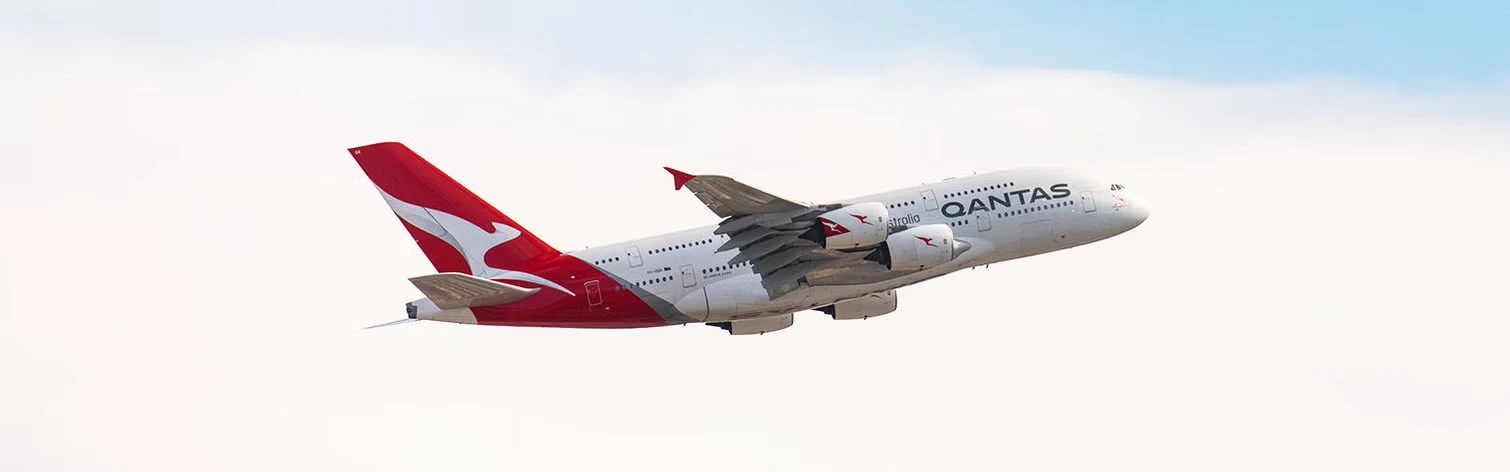
Joyce told Grimshaw he takes ultimate responsibility for what happened at Qantas during the Covid-19 pandemic, including the illegal sacking of ground staff and the airline’s “ghost flights” scandal. He said Qantas stepped down early after then-chairman Richard Goyder asked him to bring his departure forward by two months in 2023. The comments mark Joyce’s first extended public reflection on a tenure that ended under sustained criticism from regulators, unions, and the Australian public.
Joyce Says the Buck Stops with Him on Qantas’ Pandemic Decisions
Joyce described the two decades running Jetstar and Qantas as the “dog years,” saying leadership swung between the best and worst jobs in the world depending on the period. He said 2019 marked a high point, with record profits and strong customer service rankings, before Covid-19 upended the business.
“I think we made mistakes, and I think we got things wrong, and I’d be the first to admit that,” Joyce said, according to Yahoo News Australia. He said Qantas came close to bankruptcy during the pandemic, at one point holding just 11 weeks of cash. Joyce called that period “the most horrible” of his career, saying the airline had to make severe decisions just to keep flying.
He maintained that Qantas ultimately made more right decisions than wrong ones during the crisis, per the same report. Joyce said he recognizes that responsibility for outcomes during his tenure rests with the chief executive, regardless of which specific decisions individual managers made.
The Illegal Sacking of 1,700 Ground Staff Still Shadows his Record
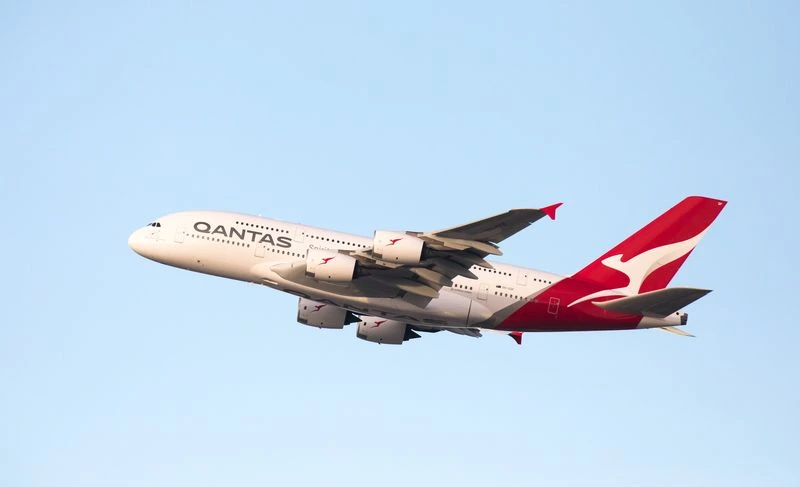
The clearest example of Joyce’s acknowledged mistakes is Qantas’ 2020 decision to outsource ground handling at ten Australian airports, which led to the redundancy of 1,700 workers. The Transport Workers Union sued, and Australia’s Federal Court found the sackings illegal. Qantas lost its appeal at the Full Federal Court and again at the High Court.
The legal fight ultimately cost Qantas heavily. According to Forbes Australia, the airline agreed to pay AU$120 million into a compensation fund for affected staff in December 2024. Justice Michael Lee then fined Qantas a further AU$90 million in August 2025, calling the outsourcing the “largest and most significant contravention” of Australian labor law in 120 years.
Joyce told 60 Minutes that Qantas believed the sackings were legal at the time and that there was room for the company to have made more documented decisions. He said he takes “ultimate responsibility and accountability for what happened in the business,” without disputing the court’s findings.
How the “Ghost Flights” Penalty Compares with the Sacking Case
Joyce’s tenure ended amid a second major legal problem: the sale of tickets on flights Qantas had already decided to cancel, a practice nicknamed “ghost flights.” The Australian Competition and Consumer Commission (ACCC) took Qantas to court in August 2023, two days before Joyce’s early exit was announced.
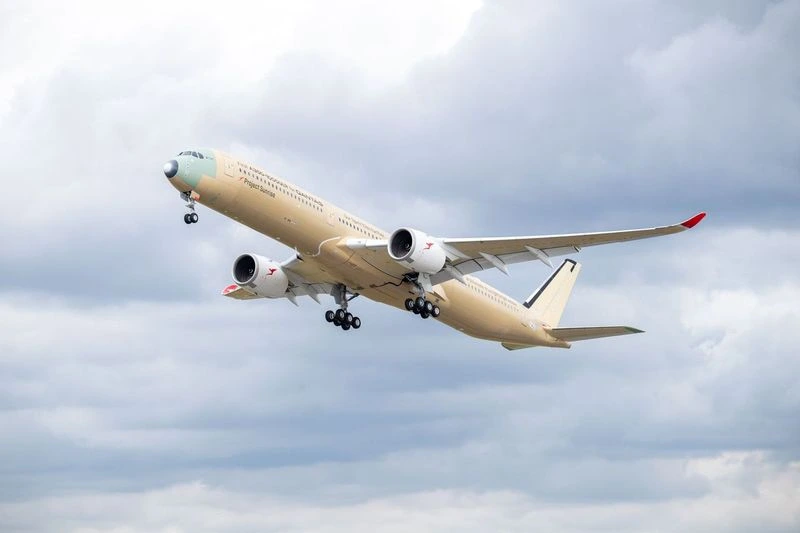
According to reports published in ACCC, that case was resolved differently from the ground-staff sacking. Rather than fight the ACCC in court, Qantas agreed to a AU$100 million penalty and a AU$20 million remediation program for more than 86,000 affected customers. Qantas admitted it had misled customers about more than 82,000 flights scheduled between May 2022 and May 2024.
Joyce said the ACCC settlement was “Vanessa’s call,” referring to his successor Vanessa Hudson, who negotiated it after taking over in September 2023. The two cases together illustrate a pattern: Qantas fought the ground-staff case through three courts and lost, while it settled the ghost-flights case early once Hudson took charge, a contrast that shows how the airline’s legal strategy shifted after Joyce’s departure.
What Joyce Says Pushed his Exit Forward
Joyce told 60 Minutes he had planned to leave Qantas in November 2023 but stepped down two months earlier than planned. He said Goyder called him directly and asked whether he would consider leaving early to “short circuit” the intensifying public pressure at the time.
“What do you think of leaving early to short circuit what was happening at the moment,” Joyce recalled Goyder saying, and reminisced that he could have declined the request but chose to leave anyway. At the time of his September 2023 resignation, Qantas was facing the ACCC lawsuit, criticism over flight credits set to expire, and accusations that it had lobbied the government to limit Qatar Airways’ access to Australian routes.
Joyce Defends his Pay and Reflects on his Legacy
Joyce’s total remuneration over 15 years as CEO was reported at around AU$125 million. He told 60 Minutes that figure was set by the Qantas board and acknowledged it looks “unbelievable” to the public, according to Travel Weekly’s account of the interview.
His departure in 2023 included a bonus of AU$21.4 million, but Qantas later clawed back AU$9.26 million of that amount. An internal review led by business adviser Tom Saar found board and management failings in Qantas’ final months under Joyce, including excessive deference to his authority and insufficient challenge to his decisions, according to Fortune. The review also found Qantas focused too heavily on financial targets and not enough on customers and staff in the years before his exit.
Joyce’s memoir and interviews arrive alongside separate remarks from current Qantas chairman John Mullen, published in a Weekend Australian interview conducted by Joe Aston, author of The Chairman’s Lounge.
What Comes Next for Joyce and Qantas
Qantas has continued to face fallout connected to Joyce’s tenure even after his departure. The airline settled a further compensation claim over a 2025 customer data breach investigation, and it continues to implement the 32 recommendations from Saar’s internal review. Joyce’s memoir goes on sale July 28, 2026, through publisher Hardie Grant.
Whether Joyce’s public reflection changes how his tenure is remembered will likely depend on how the book’s fuller account compares with the court findings and regulatory penalties that followed his exit. For now, the record includes a AU$210 million combined bill from the ground-staff and ghost-flights cases, both traced back to decisions made during his time as CEO.